

A Rising Estrella
Hello world!!
Delia here, reporting live from the comforts of the bleachers at the New London Community Center. I’m currently watching my family play pickleball. Normally, when I am home, I come to the court armed with research, work, reading, or crochet projects and my AirPods, and I am perfectly content.
Unfortunately, both my AirPods and my blue-light glasses were left at home. Please ignore any potential lack of coherence that follows; my eyes aren’t quite functioning, and I am currently being subjected to the relentless whack-whack-whack of a dozen pickleballs. (Fun fact: Many towns have actually had to issue noise ordinances specifically because of the decibel levels of this sport.)
I know I promised a blog post for February, but by the time I got around to it, midterm prep was in full swing. The anatomy of a Princeton term is as follows:
- Weeks 1–3: You have literally nothing to do.
- Weeks 4–6: Absolute chaos.
During the first three weeks, I was living my best life: watching all four seasons of The Tudors, knitting a scarf (it was that cold, especially the trek to the dining hall), and generally chilling. During weeks four through six, however, the pace shifted. I was writing articles (not for you all, sorry!), working events, presenting research, spending 12-hour stretches MAXQDA-ing interview transcripts, documenting oral histories, fixing an ESL program, and—overall—just becoming famous.
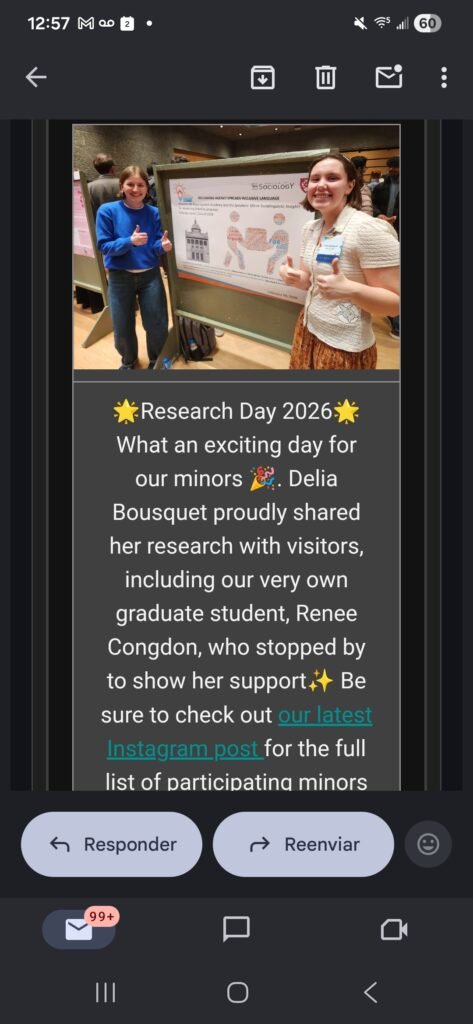
Somehow, in the past three weeks, I’ve become the “Face of the Spanish Department.” This isn’t a self-appointed title; rather, it’s an honor bestowed upon me by the many strangers who approach me in the dining hall while I’m eating to ask, “Are you that girl from the Spanish department?”
It all started with one simple article I was commissioned to write about the department’s minors based on my experience. Then came an open house where said article was plastered all over the tables, followed by newsletters, word of mouth, and a series of Instagram posts. Combine that with a few forced introductions where everyone had to go around the room, and suddenly, the person usually behind the lens taking the photos was the one being photographed.
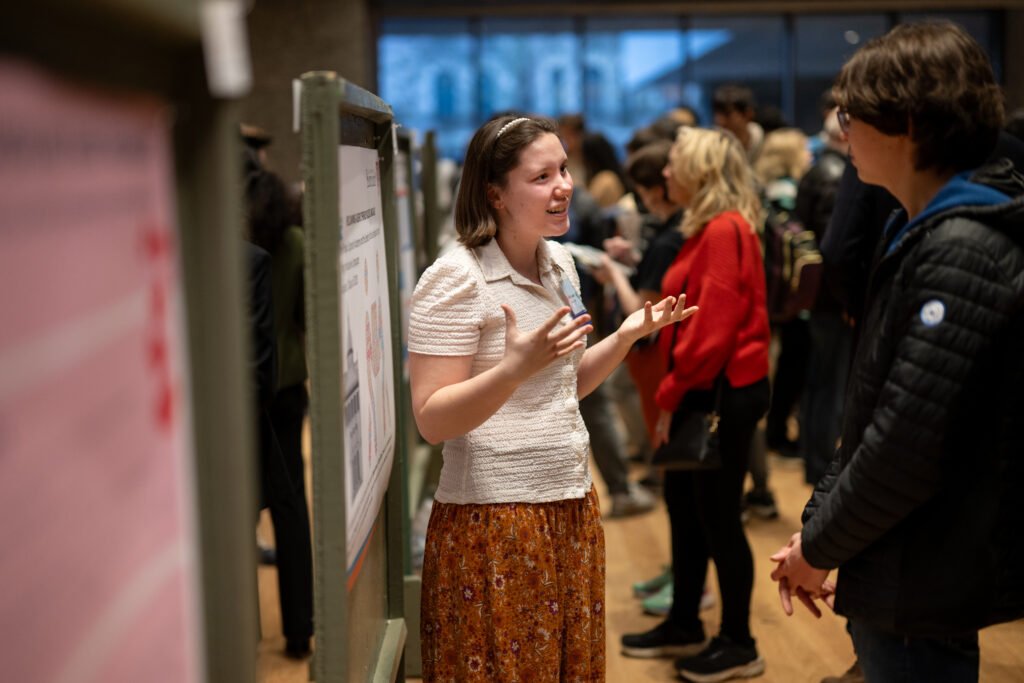
Then there was Princeton Research Day, where I presented my inclusive language project. Since it was the only project remotely related to Spanish and Portuguese, I was adopted under the department’s umbrella and found myself headlining the newsletter and Instagram feed yet again. Add in my spot on the panel for the “Princeton in Spain” event—which, as I mentioned in December, was not exactly something I volunteered for—and the transformation was complete.
I guess I’m just “that girl” now. Or, as I like to frame it: Super Famous.

If you haven’t noticed (and I think most people have by now), I’m on a bit of a winning streak:
-A super cool summer internship in Spain.
-A successful presentation at Princeton Research Day.
-A published article on the Spanish Department website.
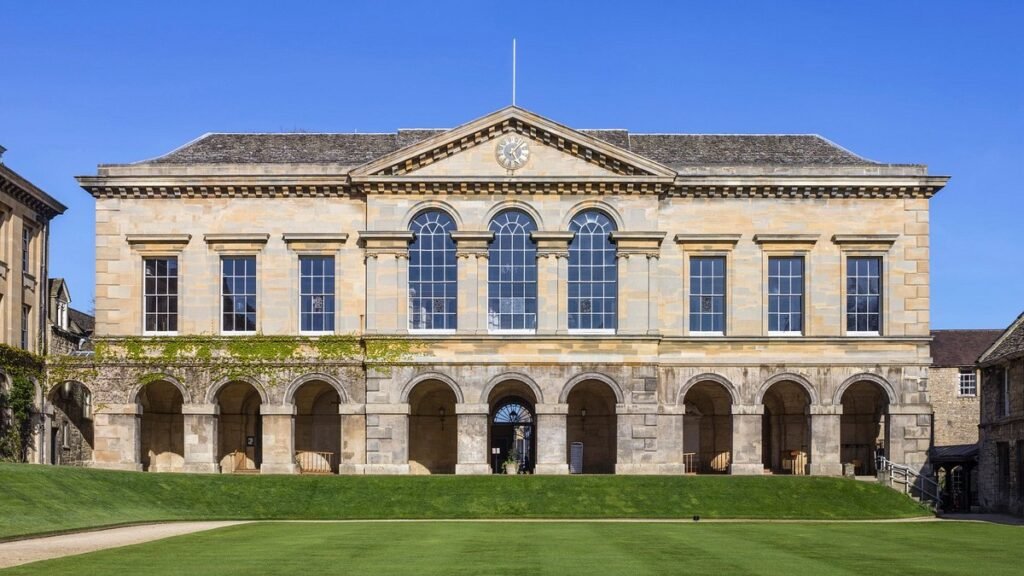
Oh, and I got into Oxford University to study abroad in 2027. No big deal.
I’m still a LinkedIn hater at heart, but I have to admit that being “LinkedIn famous” isn’t the worst thing. Professors from universities in Barcelona are checking out my profile, my “opps” from Pomfret and Princeton (they know who they are) are liking my posts, and my content was reaching over 1,000 people a day at one point. I’ll take it.
This doesn’t mean the rest of the spring semester will be spent lazing around and enjoying the sunshine. There are still awards to win, people to meet, and research projects to be finalized for future publication.
Overall—winning streak aside—the semester has been… okay. The tests have been manageable and the essays are quite chill. What has not been chill is the sheer volume of reading I’ve been tackling. It is actually insane. I’m averaging over 200 pages a week for three of my classes.
Note from Delia in the future (5/12/26) THIS is why I need glasses now!!
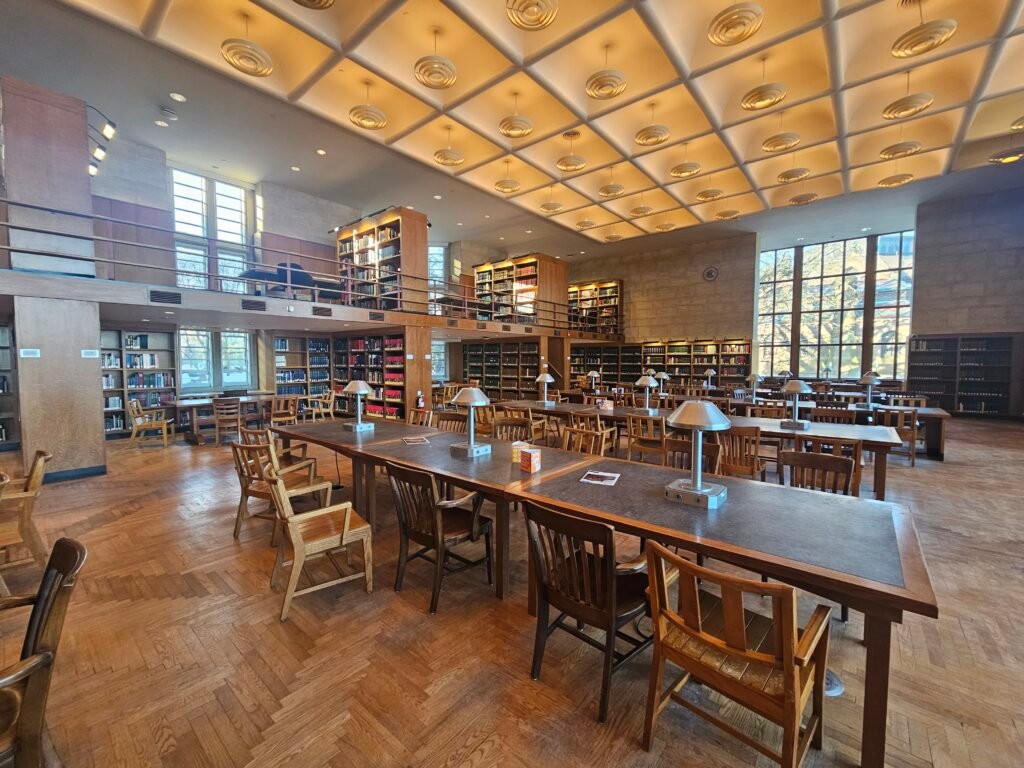
The worst part? A lot of it feels completely useless. Taking in 200 pages of social theory from authors like Marx can feel pointless when you have no idea what he’s saying to begin with. It’s even more ironic because we don’t necessarily need that level of granular detail; our midterm was all about the “big ideas.” No joke: one question, worth 25% of the grade, was simply to write an essay about our favorite theorist and why.
It’s funny to look back. Not even a year ago, I was taking these wild engineering exams where the averages were below 50, they were impossible to finish, and the questions were harder than anything in the textbooks. Now, I’m writing exams about my favorite theorists and whether women should use “creaky voice” in interviews.
While I can acknowledge that sociology might be “easier” than engineering in an exam setting, I think its beauty comes out in the essays. In engineering, I can almost guarantee that every problem you solve has been solved by someone else before. In sociology, you actually have to think critically, identify new problems, and propose novel solutions. You have to say something new.
Then there is the pointless reading for another class—which I’ll call Class H for the sake of anonymity (I’m not trying to have my “hot takes” find their way back to the professor mid-semester).
This is, hands down, the most redundant class I have taken in my two years at Princeton. Six weeks in, and I still don’t understand the objective. It’s so grounded in “common sense” that I find myself wondering why I’m even there. The structure is basically: read 150 pages about Common Sense Topic X, then come to class to discuss it.
There is nothing to discuss! Half the time, I feel like the professor is inventing reasons why these topics aren’t common sense. Watching my classmates respond like this is life-altering information is both infuriating and deeply amusing. I cannot wait to write the course review at the end of the semester.
The kicker? I have to do the reading because of the participation grade. It’s not just a general grade at the end of the term; it’s a detailed participation log that we have to fill out after every single class. Isn’t grading my participation your job? Asking me to “participate” in a conversation about nothing for eighty minutes is a special kind of academic torture.
My other classes are fine, though Spanish is starting to feel a bit “obvious.” Not because it’s common sense, but because after taking so many classes in the department, the content is getting repetitive. By the third time someone introduces ideologías lingüísticas or mentions that there are 42 million Spanish speakers in the U.S., you start to tune out.
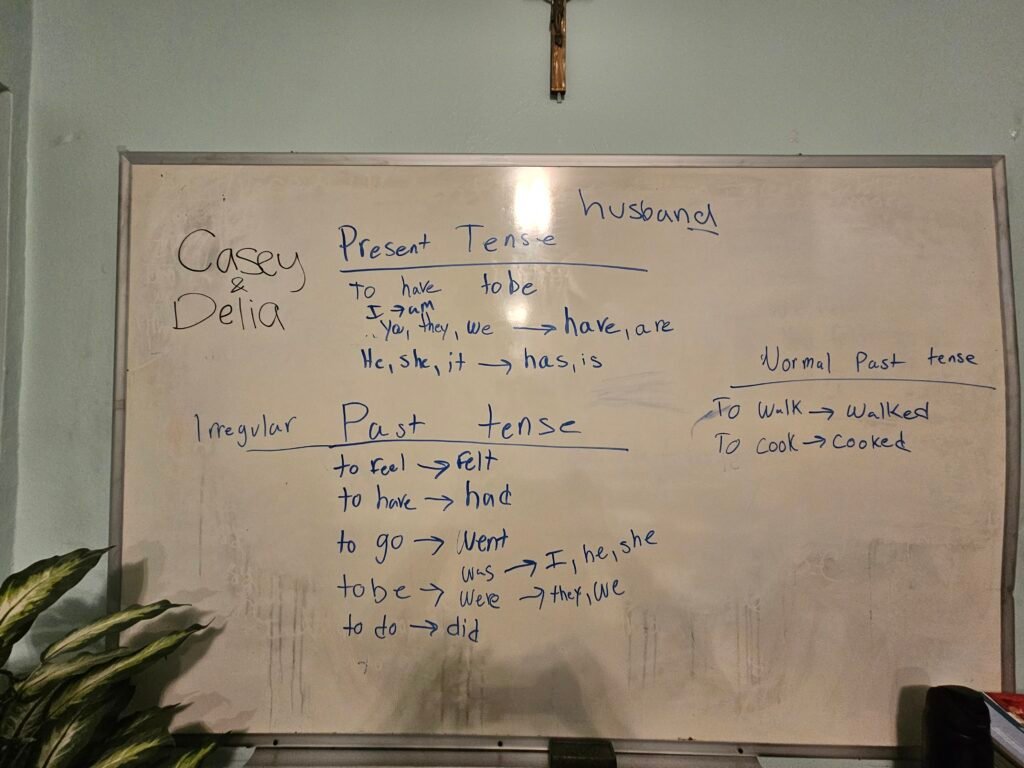
As part of this class, we are required to go to a center in Trenton to teach ESL. I love teaching ESL—it’s actually what drew me to the class—but this program is the most disorganized thing I have ever seen. Honestly, it’s almost insulting.
When Princeton puts its name on something, it should be a marker of excellence. We claim to be “in the service of humanity,” yet when it comes to serving the local community, it feels like our standards just go out the window. To get an A on a campus project, you basically have to find a cure for cancer. But the second we go out to help people who aren’t wealthy Princeton students, “good enough” becomes the standard. As one faculty member literally put it, it’s okay because it’s “for the community.”
That mentality is ridiculous. If we’re going to do it, we should do it right.
The first day I arrived to teach was absolute chaos. We were promised an orientation, to be partnered with someone who had taught before, to have teacher manuals, books for the students, and three levels. Every week we have to Uber there in some stranger’s car, who usually doesn’t have enough room for all of us to cram in there. It’s weird, uncomfortable, and feels like an unnecessary risk. They always are late and we are always late for the class. Day one we were late. I got there and there were five levels of books for three levels; somehow the book assignment for the levels went basic, 2, 3. Where level one books went, I have no idea.
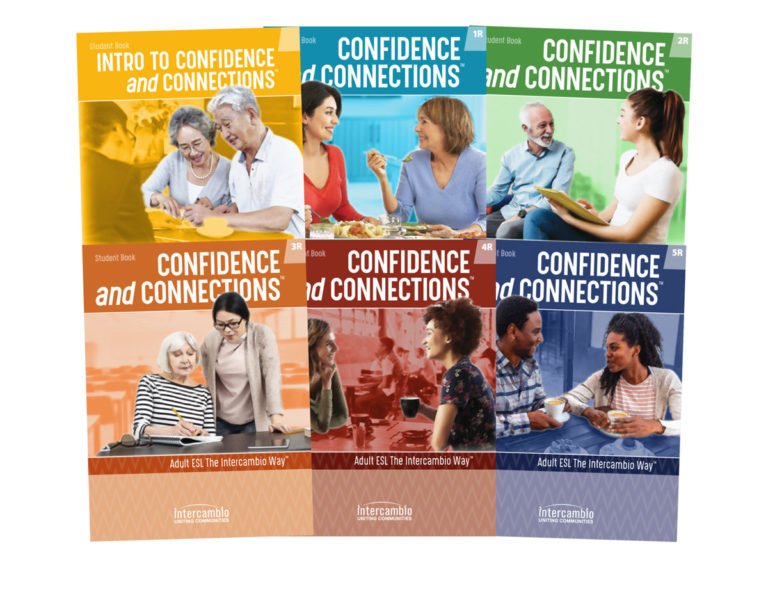
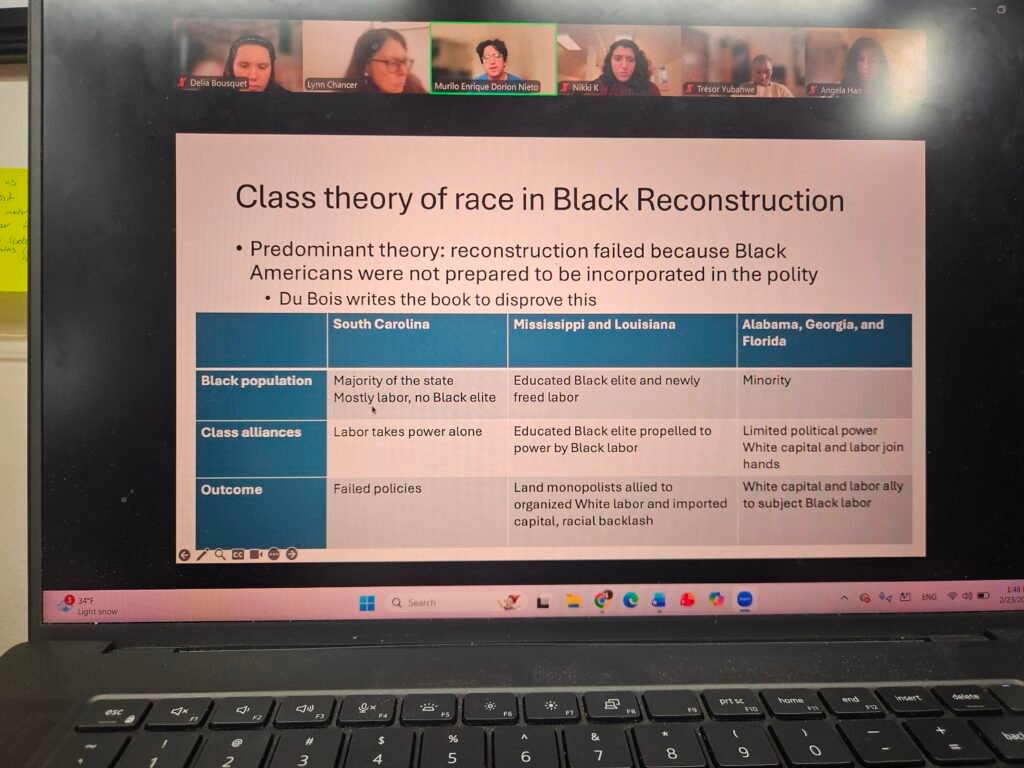
The books were too advanced for the students and make absolutely no sense. There is no vocabulary in this book, no grammar stuff, and the provided exercises test 50 different topics at one time. The teachers that have taught before don’t teach; they were more like babysitters running around answering the inevitable 500 questions that come with students doing book exercises with no teaching, and the students didn’t seem to have any idea what was going on either. To make matters worse, this is a five-day-a-week class that you only teach once a week, so every day a new teacher has no idea what was taught the day before, and is reteaching things completely differently, sometimes incorrectly, or with zero effort. There is NOTHING pedagogical about it.
In the two times I was allowed to go (because they seem to cancel this class for literally everything, including our midterms), I did make some progress in reforming it. I implemented grammar note-taking sheets with all the rules written down where students would complete the rules, exercises devoted to that grammar topic, vocab tables so students can write the words in Spanish and English (because the book is fully in English), and lesson plans. It wasn’t perfect, and all of this plan relied on guessing where in the dumb book the students were by the day I was teaching.
I guess what aggravates me the most is that at Princeton we invest time, resources, and money into developing these pedagogically sound language learning platforms, but then we don’t bring this knowledge into the world; we hoard it in our privileged university walls while we read about the “poverty,” “living situations,” “case studies,” and whatnot about these individuals. Like, it’s great to learn about bad situations, but as a university with a community element, I think we have a job to not just name the problem (which is the obvious part that has previously been identified), but also work for a solution—both organizationally with the PACE Center and pedagogically (where this Spanish class should be helping), because the current system is not teaching anything. But as long as I turn in that 1,500-word essay at the end of the semester, life in Princeton’s eyes is great.
That leaves my linguistics class, which is pretty chill, and my research seminar. To be fully honest, the start of the semester has been off to a slow start. We spent four weeks basically doing nothing, and then all of a sudden it was like: analyze all your data. So I got out MAXQDA, which was not something we were taught in our semester, and got to thematic coding, which is like writing summaries of the data with code words. For example, a paragraph about how a student met their friends might be labeled something like “meeting friends” or something like that. It’s not terribly exciting, and 12 transcripts and many hours later, I had about 300 codes, which then were grouped into themes and a project plan was made. The overall process has been super empirical, meaning we look at the data first, find the takeaways, and then look to the scholarship and theory. Not really my style, but I think it’s the best way to work with student data, especially with data and experiences I’m so closely tied with, to avoid bias.
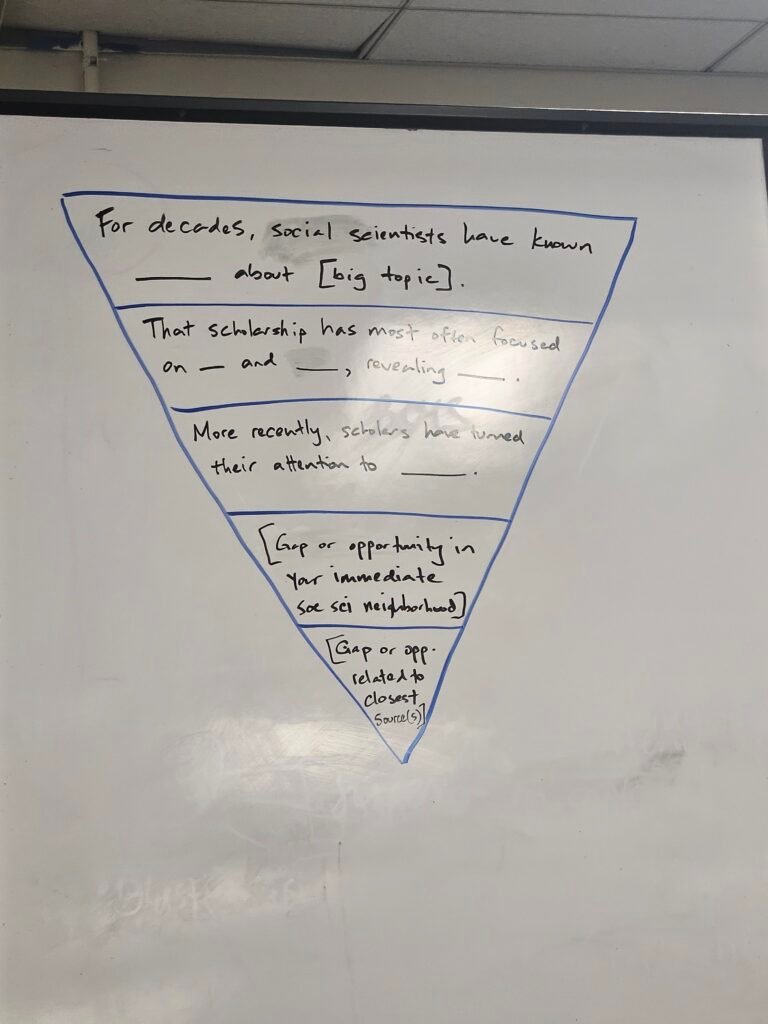
Other than school, I’ve been working, which I guess is another element we can add to my winning streak: getting another job with the African American Studies Department. The department isn’t as family-like as the Spanish department, probably because I don’t know a single member of the faculty, but the pay is great, and photo-taking is pretty chill and fun at times. I’ve definitely found myself at events I would never go to, and probably still wouldn’t go to by choice, mostly due to me not comprehending them.
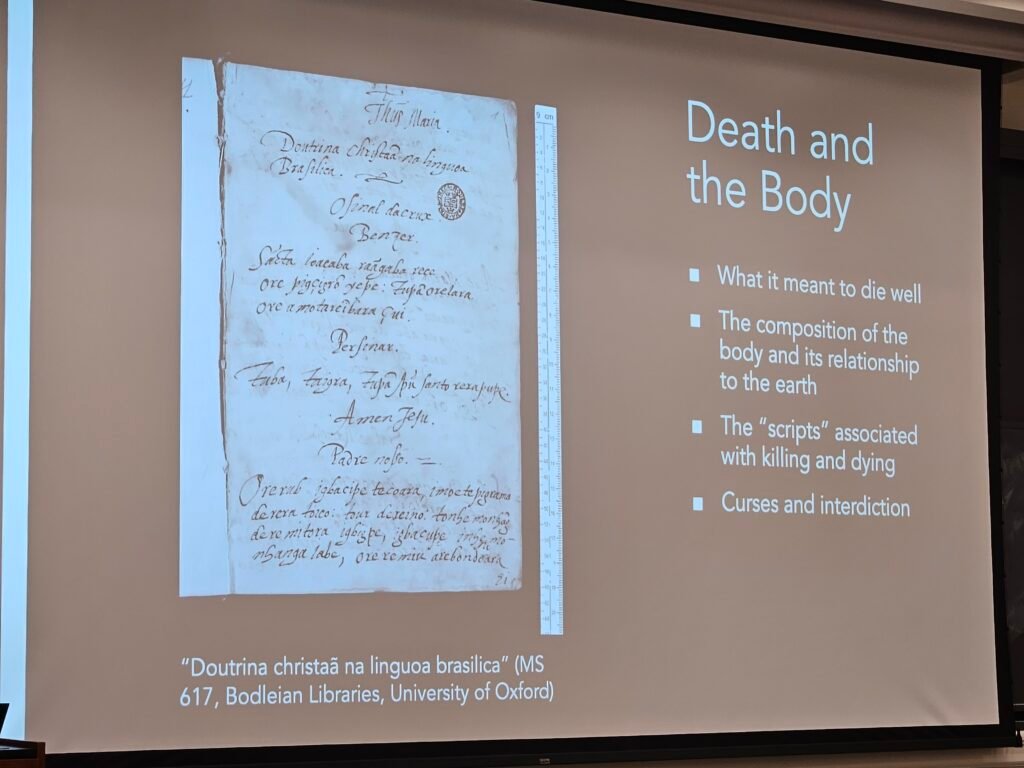
Like, the first event I went to this semester was all in Spanish and I was just lost. I thought maybe my Spanish isn’t as great as I thought, considering 99 percent of the time I understand everything spoken. But no, a few weeks later I went to a similar event held in English and I didn’t understand what they were saying in that either. The event was called Words in Flesh, and it was something about grammar/vocab guides from Spain and Portugal with indigenous languages, and how death and dying was mentioned more in indigenous guides than with other languages, indicating some kind of correlation between these indigenous peoples and their interest in death and religion. That’s probably not correct in any way, but that’s the best I got after an hour. The worst part is that after I go to these presentations, they want me to write a caption about the event for Instagram posts. How do you caption an event that you didn’t understand?
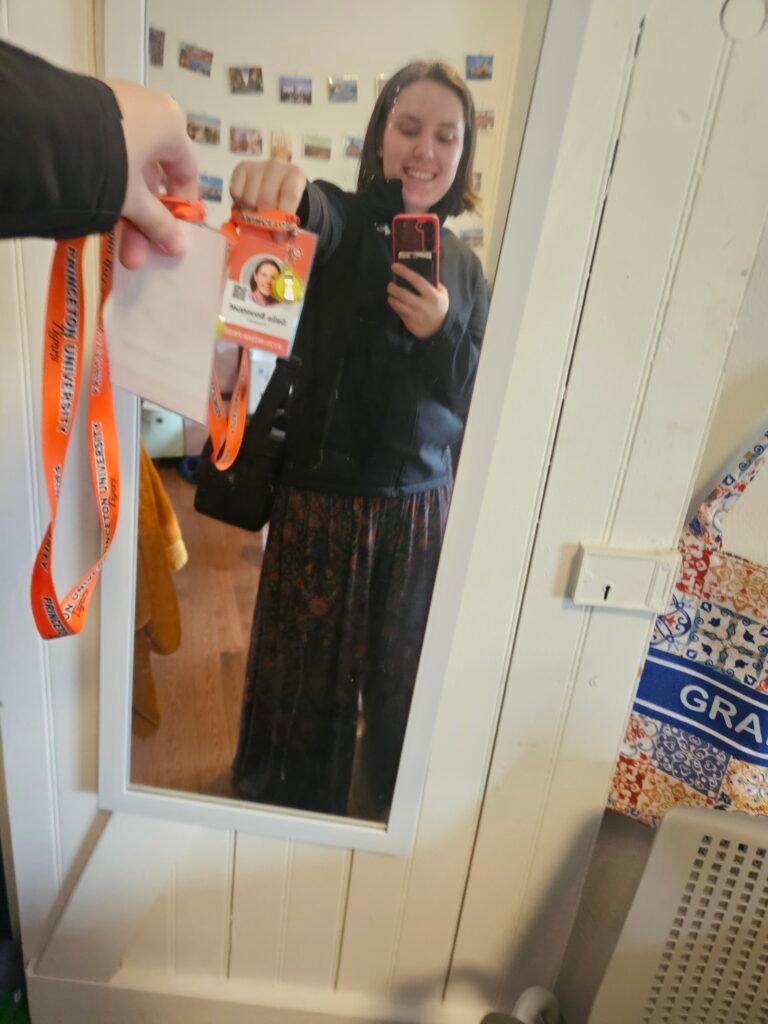
I think a big complaint I have about Spanish department events is the lack of accessibility to these events. Sure, they’re great for the few faculty and many grad students that go, but the undergrads would never go to one of these things. I feel like events can sometimes be used as recruitment tools for the department, so maybe they just need some more interesting events. Too bad they can’t bring in Bad Bunny. That would be pretty sweet.
That, and the lack of courses in the department. I need more fun 300-level classes that don’t involve exploiting the community or the fact that there are 42 million Spanish speakers in the U.S., and I don’t want to hear a word about Benedict Anderson either. Maybe like a Spain class? That could be cool. But definitely no history—I heard enough about the Romans and the Reconquista last summer. And no literature, no Cervantes or Borges, because if I wanted to read either of them I would just read them; no class required. I don’t have the answer, just something fun and new for my last Spanish class for my minor!
The good news is that all of Spring 2027 will be in Oxford studying socio- and psycholinguistics, which is a short way of saying I’ll be studying what people think about language, how they use it, and how it relates to their identity—whether it be race, gender, religion, socioeconomic status, region, etc. Princeton doesn’t really have a focus on any of these topics in their linguistics classes, minus the class I’m doing right now called Languages and Their Contexts, which is like Sociolinguistics 101 plus some. Anyway, it will be cool and nice to escape the Princeton bubble.
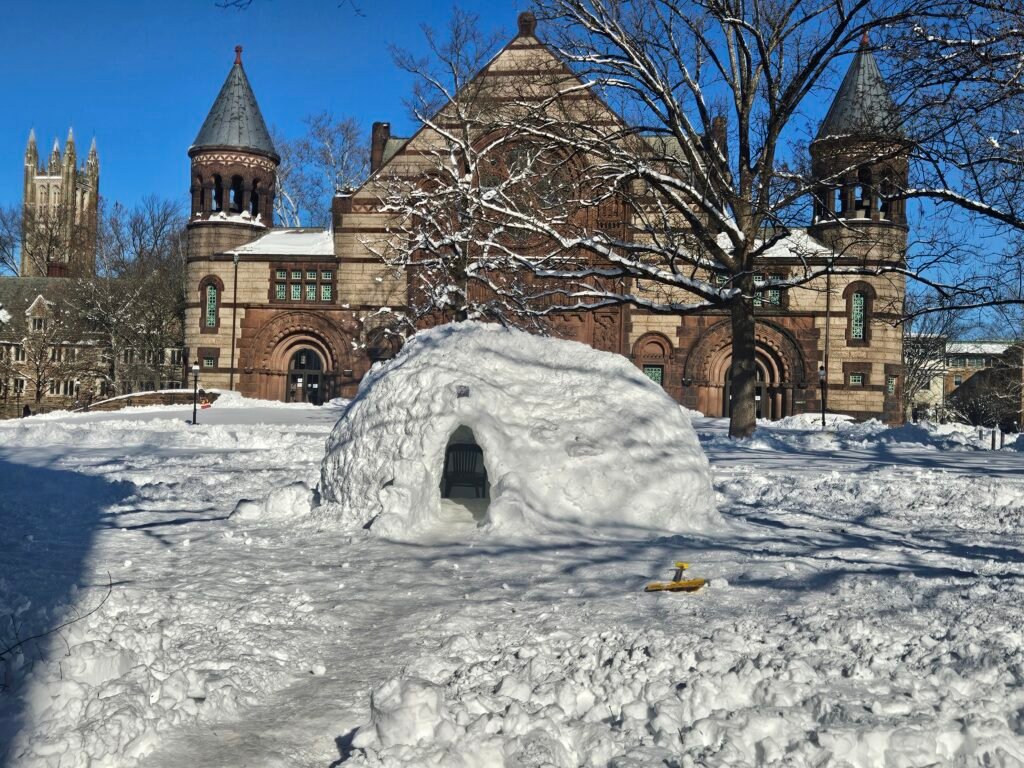
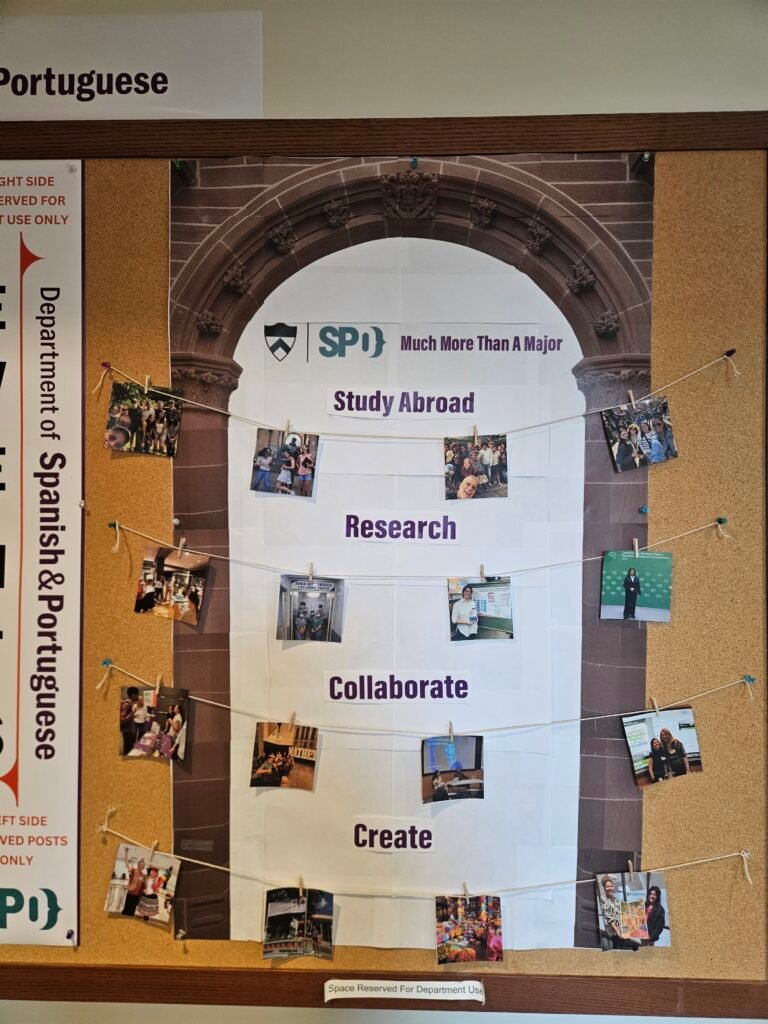
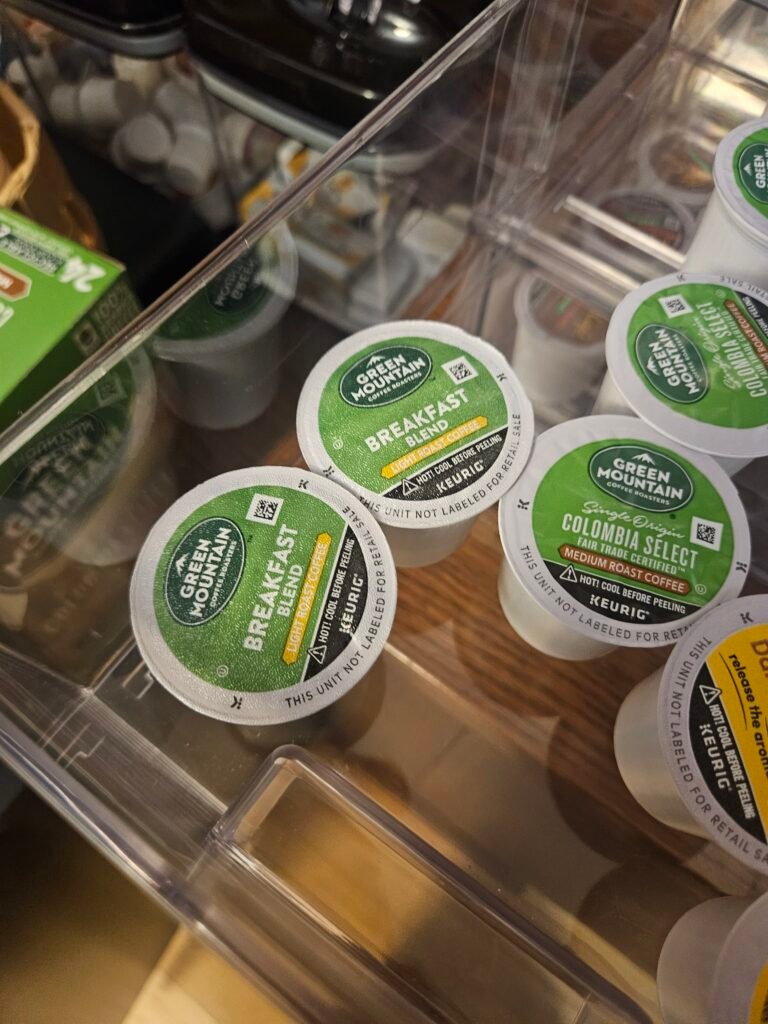
And that’s basically all I’ve been up to for six weeks at school: reading, drinking coffee, enjoying the snowy views, working (mostly refilling the coffee in the Spanish lounge and fixing the bulletin boards), surviving on Caesar salad (basically my meal every single day), becoming famous, and winning.
The week off has mostly consisted of chilling, buying a bunch of random crafts from Michaels, a ski trip tomorrow, and just some good R&R and good coffee. No complaints here.
That’s all I have here. Some exciting moments, some everyday boredom, some much-needed ranting about my classes, and life updates.
Hasta la próxima,