
S2E8 -The Concluding Story
Hola a todos y todas,
You may have noticed that this blog is not password-protected. That was entirely intentional. By the time you read this, I will be on a plane headed back to the US. Translation: I survived my summer internship in Barcelona.
To be fair, there was absolutely nothing wrong with the second internship itself. Rather, I survived a terrible study abroad agency (IAU Study Abroad) and their ban on my blog.
Before diving into the stories, flashbacks, lessons, and feelings of the summer, I want to say this: these past few months taught me how deeply I value my own work and my own voice. I used to wonder why Princeton made us sit through that lengthy presentation on academic freedom at the start of freshman year—to be completely honest, I fell asleep during it. But sitting here on my last day in Spain, looking back at everything that has unfolded, it is a concept I value more than ever.
The right to share your perspective and ideas is crucial if we ever want to improve our society. Of course, putting your perspective into the universe carries consequences. People can rip your words out of context, misinterpret your intent, and harass you for weeks on end. But simply possessing the right to speak matters. Ironically, it took losing mine to truly see that.
I know the entire world isn’t going to like me as a person or resonate with what I write. That’s the reality of being a little “too much and extra”—you either really love it or you hate it, and either way, that’s up to you. But having the right to exist authentically and do what you love is non-negotiable. The fact that a blog whose very name was born from censorship was censored again points to a much larger, systemic problem in our current world.
But anyway, onto the weekly wrap-up:
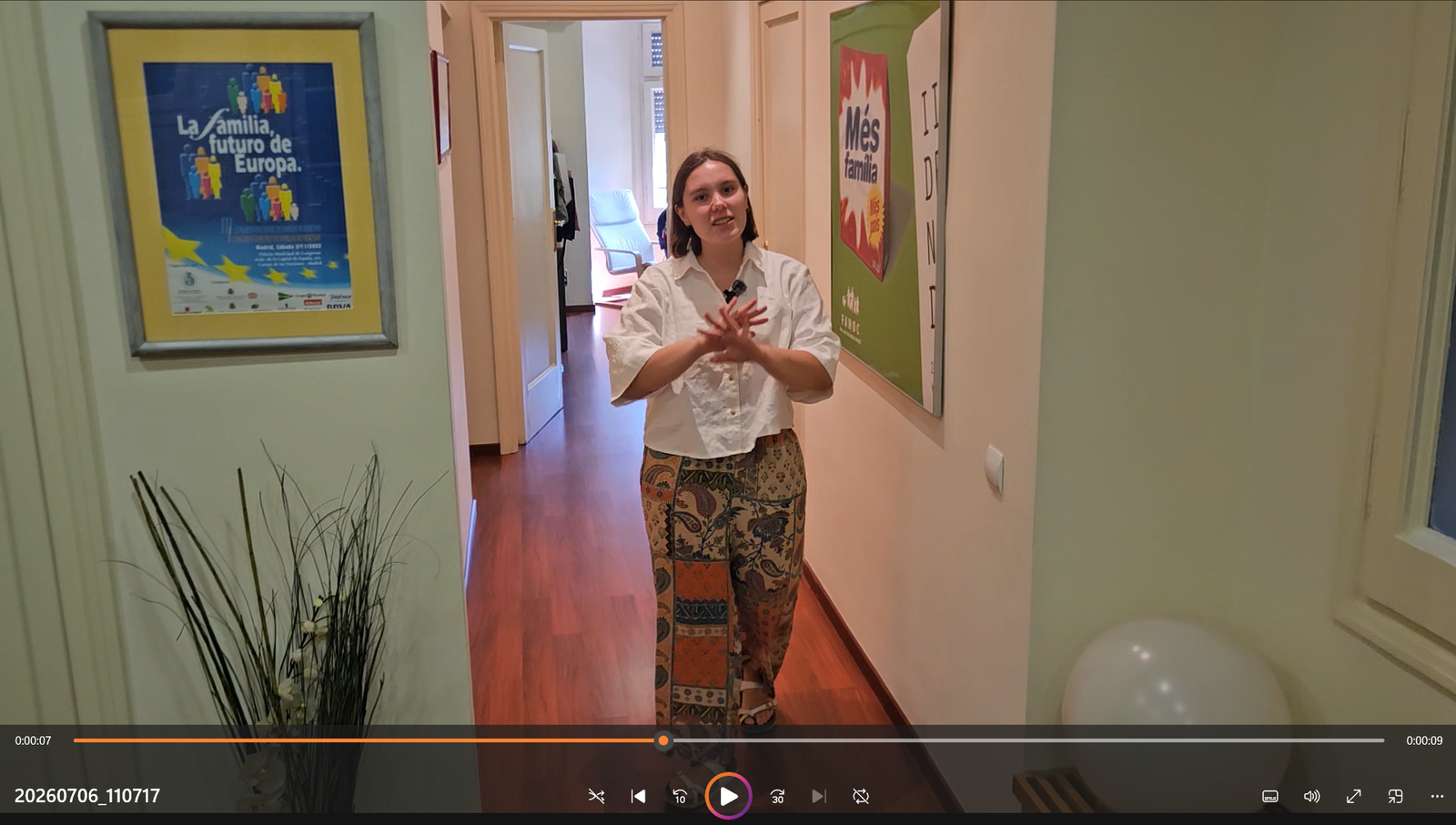
To be completely honest, the day-to-day rhythm of this final week wasn’t overly dramatic. On Monday, I went to work and awkwardly filmed clips for my video project. (It is a very specific kind of awkward to start recording yourself in the dead center of a quiet workplace.) I also survived my final meeting with the study abroad agency! On Tuesday, I decided to film the remaining segments in the comfort of my apartment.
Wednesday was my final day in the office, and I finally sent the finished video over to my boss. It was incredibly rewarding because I could hear him laughing from his office as he watched it. A few moments later, he called the rest of the staff in for a viewing party. Words like increíble, super chulo, and muy buena were thrown around between bursts of laughter. My boss even had me air it on the TV in the intern area so everyone could see it. Everyone seemed to love it—minus a particular someone whose literal trash both inspired and was featured in the video.
At noon, we headed over to a local bookstore cafe, shared some olives and chips, and officially wrapped up the internship experience. The non-Princeton interns still have two or three weeks left since they are with a different agency, so it was a bittersweet goodbye.
Thursday was dedicated to the ultimate boss battle: cleaning and packing. It was a lot more intensive than I bargained for, and I seem to have accumulated a massive amount of stuff over the summer. I have no idea where it all came from or how it’s supposed to fit into one checked bag and a carry-on, but we are operating on pure hope here. I mean, do I really need to bring home the giant glass vase my aunt bought with her delivery flowers? Probably not. But it’s a beautiful vase, and I stuffed Tío inside of it, so technically it’s not wasted space.
I also made a final pilgrimage to the grocery store. Interestingly, I skipped Mercadona and headed to Carrefour instead, solely because I needed to hunt down my favorite chocolate, and that’s the only place that stocks it. I may or may not have purchased 11 full bars. In my defense, I am stocking up for the next six months, which makes it feel entirely justifiable. Let’s just hope they sell them in England.
On Friday, we were supposed to go on a farewell day trip to the Costa Dorada with our boss. Unfortunately, late Thursday night, he texted to say he couldn’t make it anymore. While it was a little disappointing, it turned out to be a blessing in disguise; I deeply needed the extra time to finish up this final blog post, clean the apartment, and cram the rest of my life into my suitcases.
If you haven’t noticed already after over a year of me writing this blog, I absolutely suck at conclusions. That’s one of the reasons my inclusive language project is currently metaphorically sitting in a drawer, and it’s the exact roadblock I’m facing with my nearly-finished article on community at boarding schools. (I know I wrote about that at the start of the summer, and no, I still haven’t received the feedback yet—it’s coming Monday).
In fact, to be completely honest, there have been times in the past where I’ve popped a draft into Gemini and asked it to just generate two paragraphs to wrap things up. (For blog posts never for academic work!). But unfortunately, an entire concluding article wouldn’t feel very conclusive if I just handed the keyboard over to an AI. This closure belongs to me.
So, we’ll start with a story.
In the spring of 2024, I was a freshly minted 18-year-old high school senior. My family and I were preparing for what was easily the biggest vacation we’d ever taken—though our two-week RV trips around the US might give it a run for its money. We were heading out on a Mediterranean cruise that departed from Barcelona, Spain. Honestly, if we had never even boarded the ship and just stayed in Barcelona, I would have been ecstatic.
Even though I had been taking Spanish classes since the sixth grade, I went into absolute overdrive from January right up until our departure in March. There were flashcards, movies, articles, and endless review. I kid you not, when I got so sick that I had to stay home from school, I spent the entire day on the couch binging Spanish films. And let’s be real—the movies I was watching weren’t even good.
The day of our trip finally arrived. My parents, my brother, and I packed our bags and caught the Amtrak train from New London, Connecticut, down to New York City to head to JFK. Somewhere in the chaotic transition between the train and the confusing subway system, a college-aged girl from Chile asked if she could follow us to the airport because she was completely lost. My dad agreed and immediately struck up a light conversation, as he always does with strangers.
Then, he proudly volunteered me, telling this girl that I spoke Spanish.
My moment had finally come. This was the culmination of all those years of classes and months of intense binging. I opened my mouth, and all that came out was: “Un poco.”
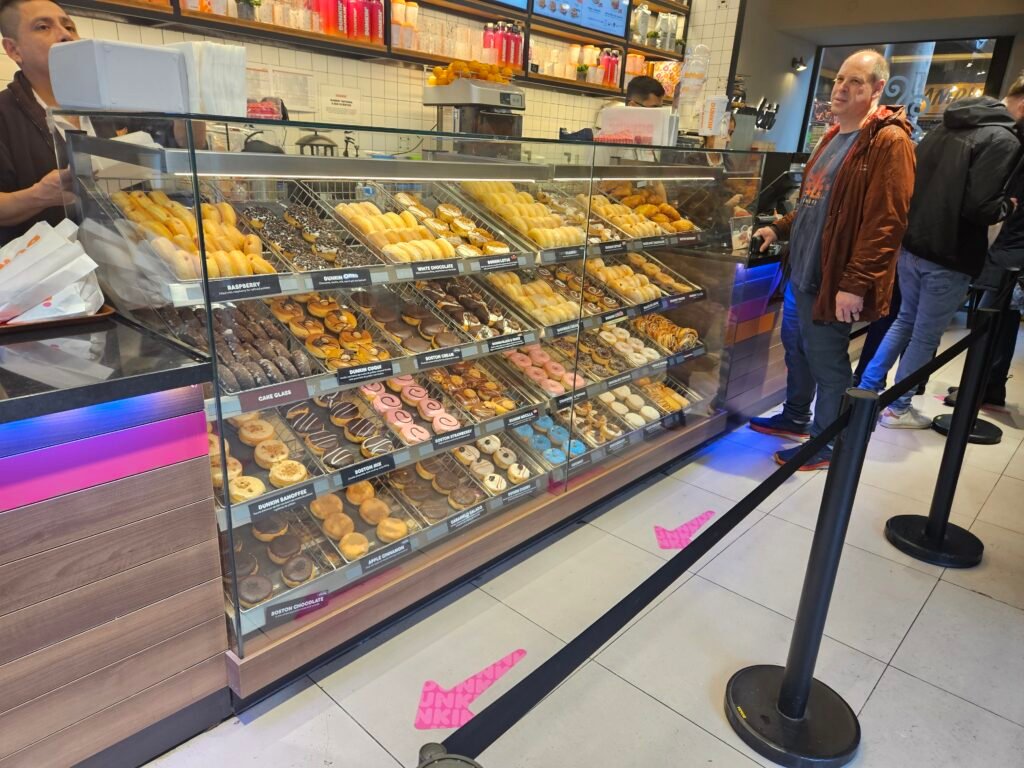
That was it. That was my entire contribution for the rest of the trip. There was no actual Spanish spoken by me in Spain. Though, to my credit, I fully understood what the Dunkin’ Donuts employees in Barcelona were saying to my dad when he repeatedly asked for coffee with crema about twenty times. (We don’t really do crema here in Spain—or at least, not the heavy-cream version he was looking for).
To give myself some grace, we were only in Barcelona for about twenty-four hours, and most of those hours were spent running on zero sleep after an overnight flight. But even with nine hours of solid rest, I am 100% positive that if the opportunity had arisen, I still would have frozen. So yes—my dad, who took high school Spanish roughly a million years ago, spoke more Spanish in Spain than I did.
Yet, language barriers aside, I fell completely in love with Barcelona during those short twenty-four hours. I became completely, utterly obsessed.
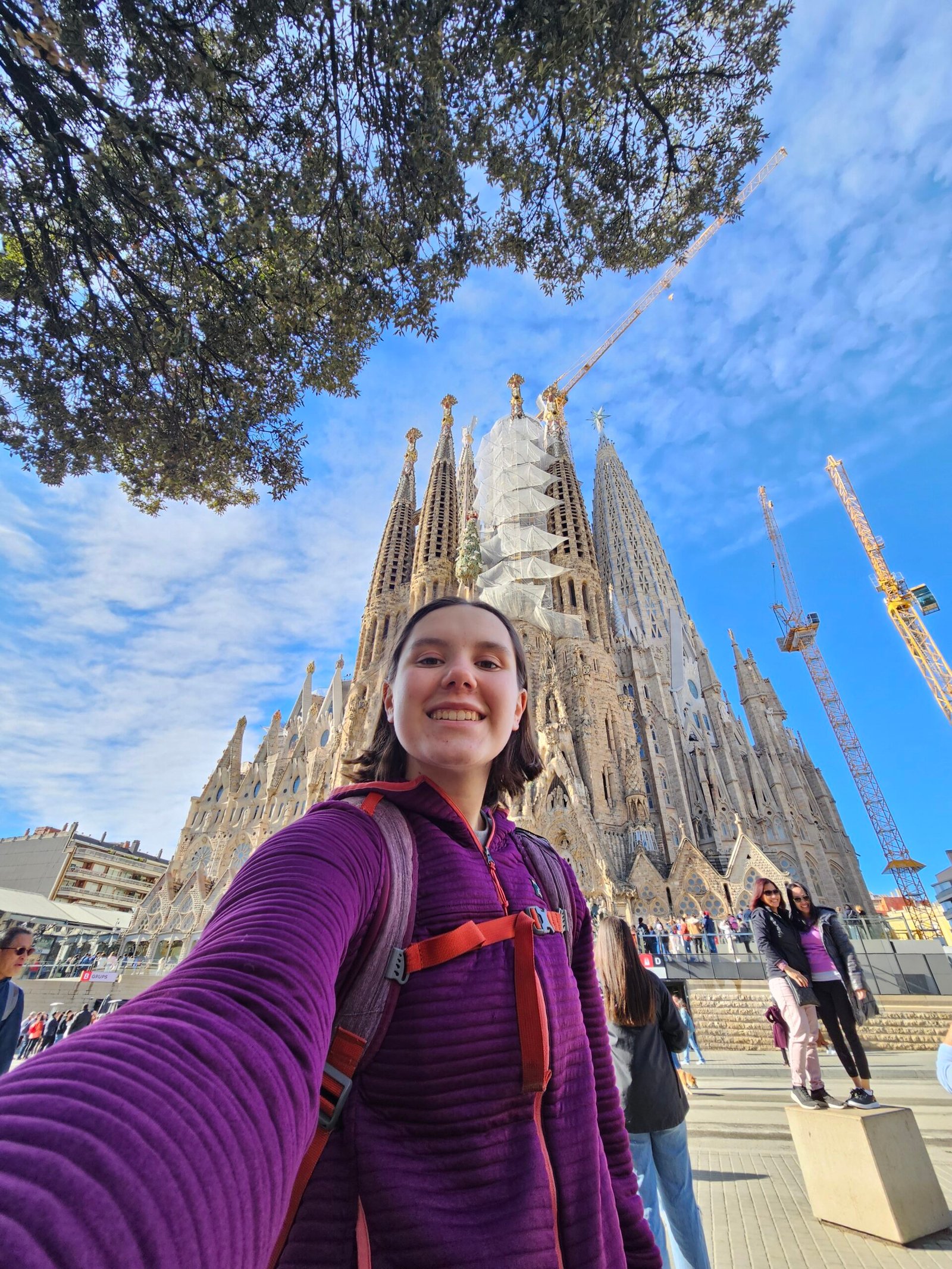
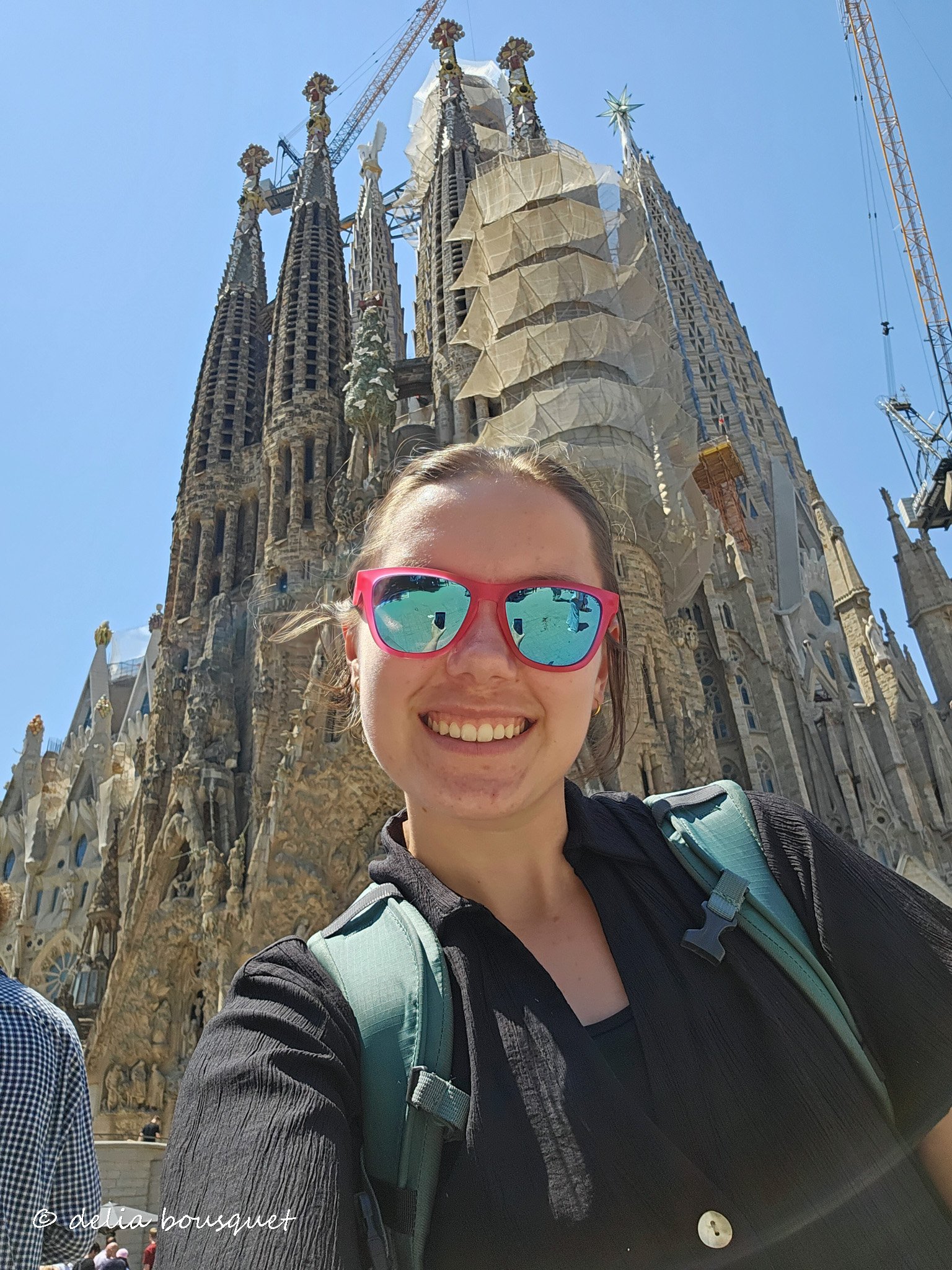
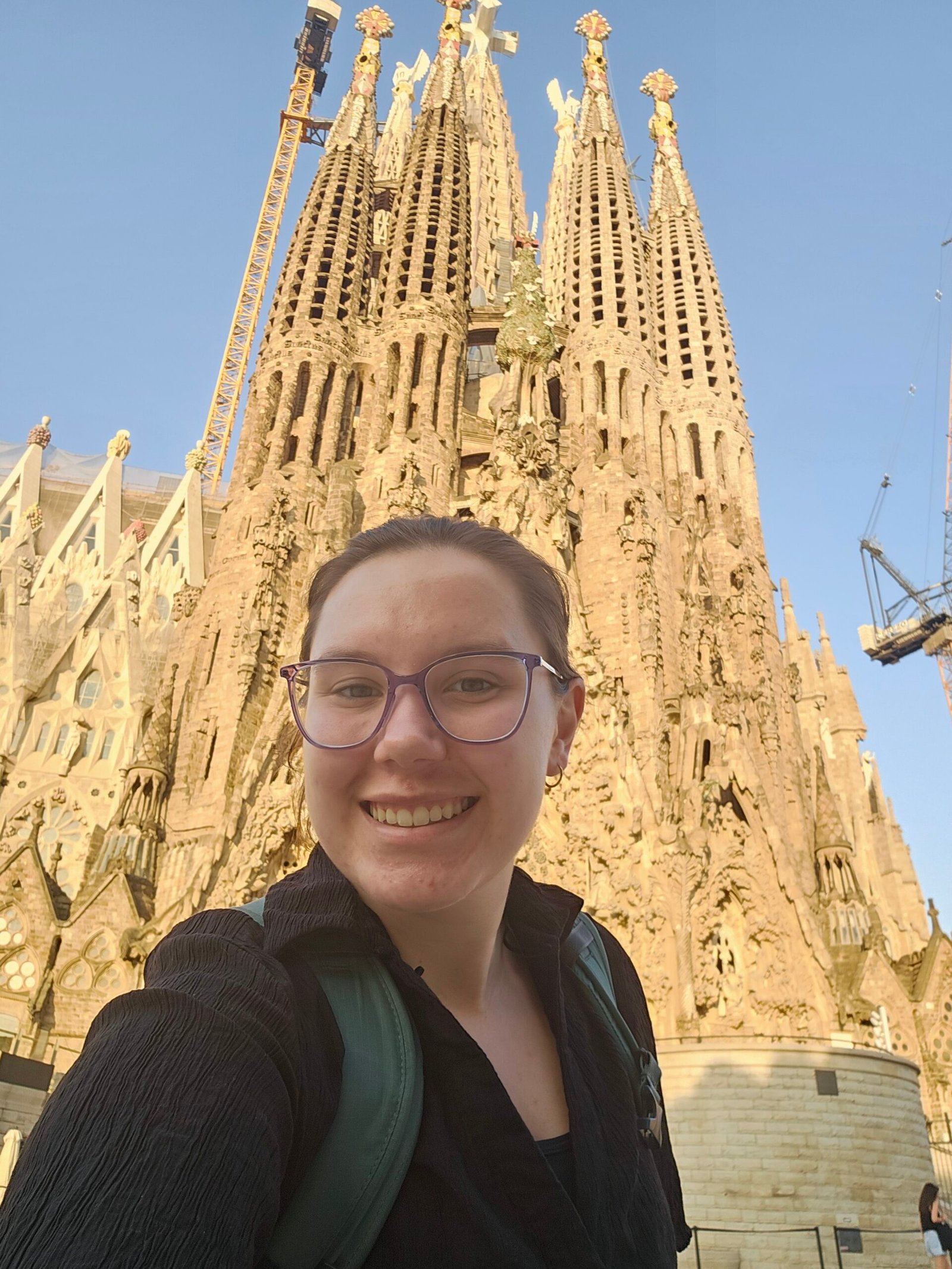
It’s funny looking back at it now. Today, after living in Barcelona for a combined total of three months—if we count my month here last summer—I honestly don’t know what I saw in it back then. Right now, it’s actually one of my least favorite cities in Spain. Maybe it was because it was March and the weather was cool. Maybe it was the romanticism of the architecture, or the novelty of the lifestyle. Most likely, it was simply because it was the first European city I had ever laid eyes on, and I had absolutely nothing else to compare it to.
Either way, that brief visit sparked a fire. I made it my life’s mission to come back.
When the summer of 2024 rolled around, I found myself working as a lifeguard again, teaching swim lessons to wild children who wanted absolutely nothing to do with learning how to swim. The entire time, my mind was miles away, dreaming of my future European summer. Next year, I told myself, I would be that super cool, independent college student whose parents trusted her to travel the world. I would get back to Spain.
So, naturally, I enrolled in Spanish again at Princeton. By some incredible stroke of luck for me—though perhaps not for him, considering he had to listen to my insanely long audio reflections and read my weird creative writing assignments where movies had existential conversations in bars—I got a professor from Spain. Princeton doesn’t actually have many faculty members from the peninsula, so it felt like a sign.
Fortunately, I managed not to be too annoying, and he wrote me a recommendation for the Princeton in Spain program. And by some final stroke of luck, I was accepted into the program—which was fantastic, because I had already bought my plane ticket. When I tell you that the Spanish I spoke during that program interview was the absolute best Spanish of my life, I am not exaggerating.
Well, maybe the best Spanish of my life up until that exact moment. I’d like to think I’ve had a few better moments since. But back then, with a plane ticket already sitting in my inbox, failure simply wasn’t an option.
From there, you know the rest of the story. I went to Spain for three months—one of which was spent in Barcelona, where my host family casually abandoned me a few times—and then I went home. I’m pretty sure I even wrote in my final blog post that summer that I was ready to explore new countries, heavily implying that I wouldn’t be returning to the Iberian Peninsula.
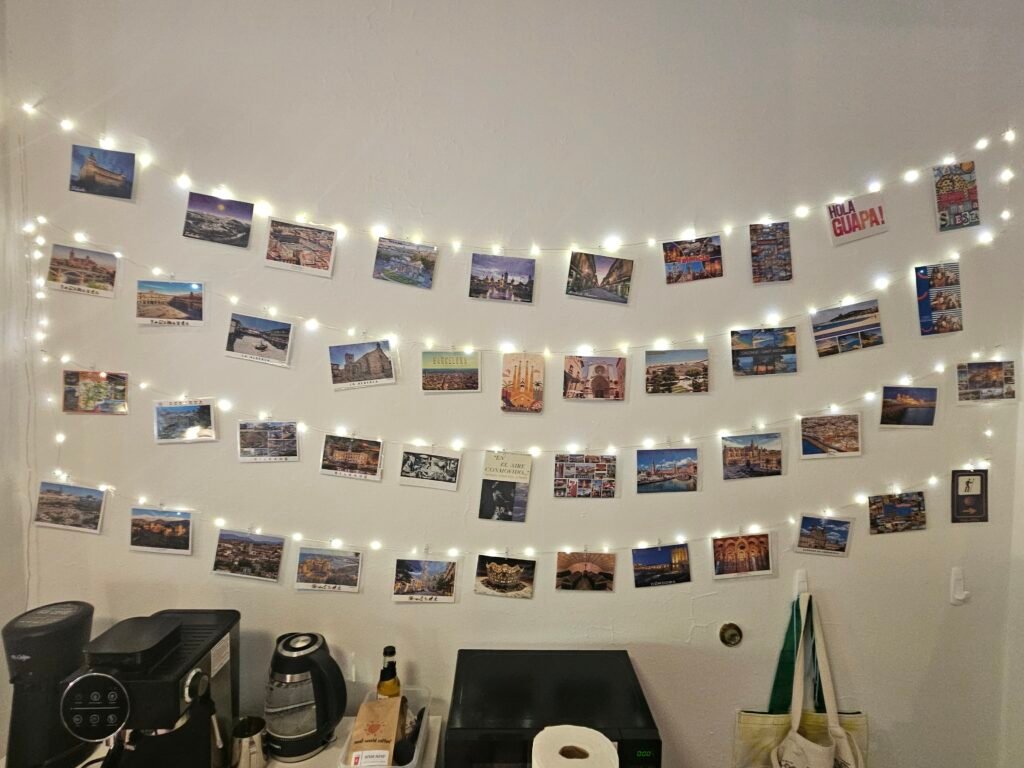
But then, I returned to campus and set up my single dorm room. If we had to give it a theme, that theme would be Spain. All my postcards and travel photos lined the walls. I bought an espresso machine using the credit card points I’d accumulated over the summer. There were something like four different flags hanging up. It was, in true fashion, very Too Much & Extra.
Unsurprisingly, around November, the magic and adventure of the previous summer had completely worn off. The routine boredom of the Princeton semester set in, and all I had to look at were these vibrant, happy memories on my wall. I knew I had to figure out a way to go back.
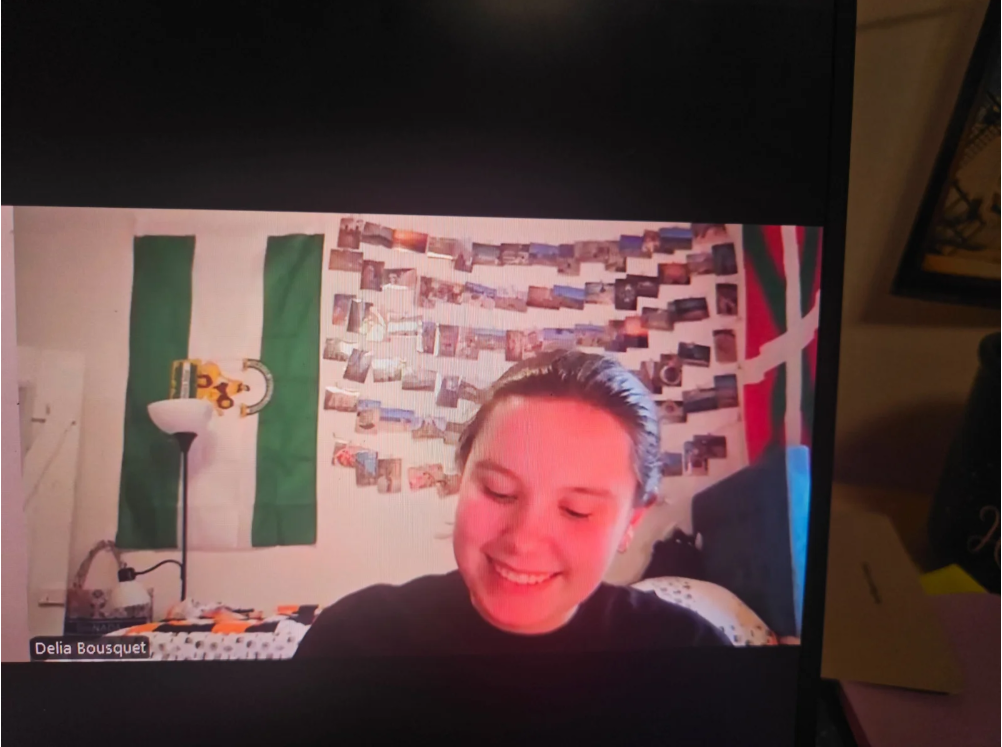
Unfortunately, the only international internships Princeton offered that aligned with my major were based in Barcelona. By this point, the city and I were already on rocky terms; I had seen the rest of Spain and knew there were far better cities out there. In fact, during my interview with the study abroad agency—which, looking back, should have been my first red flag, since they were conducting the job interview—the interviewer noticed my Ikurrina (the Basque flag) on my wall. She asked why I wanted to work in Barcelona instead of the Basque Country.
In retrospect, my answer is probably why I didn’t get the job initially. I reasoned that Barcelona was a major metropolis with far more corporate opportunities, whereas the Basque Country had smaller cities and no Princeton-affiliated internships. She was likely looking for a response that hyped Barcelona up as the ultimate, superior destination. But it isn’t. And after this summer, having spent a significant amount of my free time exploring the Basque Country and its surrounding autonomous regions, I can confidently say that Barcelona just isn’t for me.
The point of this long, winding introduction is to illustrate a fundamental truth: we change, we learn, and we evolve, even when we return to the exact same geographic coordinates three years in a row. The girl who first arrived in Barcelona in 2024 couldn’t speak a word of Spanish, yet was utterly entranced by the city. The version of me leaving today, in 2026, could easily found the “Barcelona is Overrated” club.
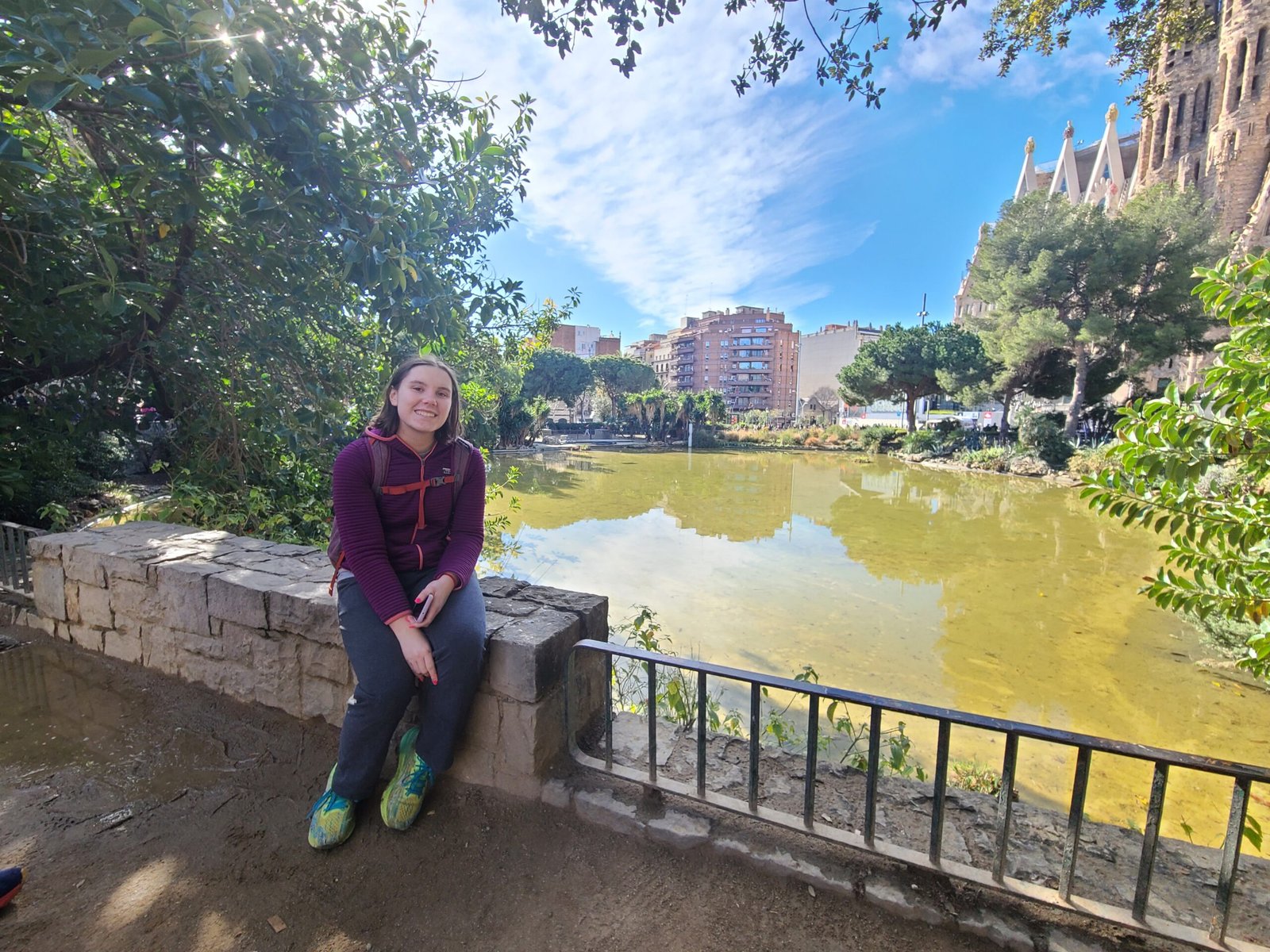
As a researcher, I must objectively admit to some bias; my strong dislike is undeniably tied to the bureaucratic nightmares of this specific summer. But even stripped of that bias, Barcelona just isn’t my cup of tea. It is loud, congested, overrun by tourism, and suffocated by a rigid, grid-like layout. There is no romance in walking a grid; it is visually monotonous, making every block look identical to the last.
Then, there is the linguistic landscape. As a scholar, I am thrilled that Catalan maintains such a fierce, resilient presence in Barcelona and Catalunya. However, when you are on the ground—having poured countless hours into mastering Spanish, only to find yourself with an elementary grasp of Catalan—it creates a profound sense of displacement. Why would I intentionally place myself in an environment where my hard-earned language skills are secondary?
This realization brought me to a deeper understanding of language itself. I am not a hater of Catalan, Basque, or Galician cultures; I genuinely celebrate their linguistic revival. But language, in its fundamental nature, is a double-edged sword. It possesses the beautiful power to draw communities closer together, but it inherently possesses an equal power to distance others. As an American outsider, I naturally fall on the side of that distance.
Interestingly, this exclusion feels unique to Catalunya. When I travel to Euskadi (the Basque Country) or Galicia, the linguistic barrier doesn’t feel like a social rejection. Perhaps because Basque is notoriously difficult to acquire later in life, there is an immediate grace extended to those who don’t speak it. Or perhaps it is a direct symptom of the crushing overtourism in Barcelona, where local language has become a defensive shield to keep the “others” out. Whatever the root cause, Barcelona has adopted a distinctly hostile vibe, transforming language from a tool of connection into a border wall.
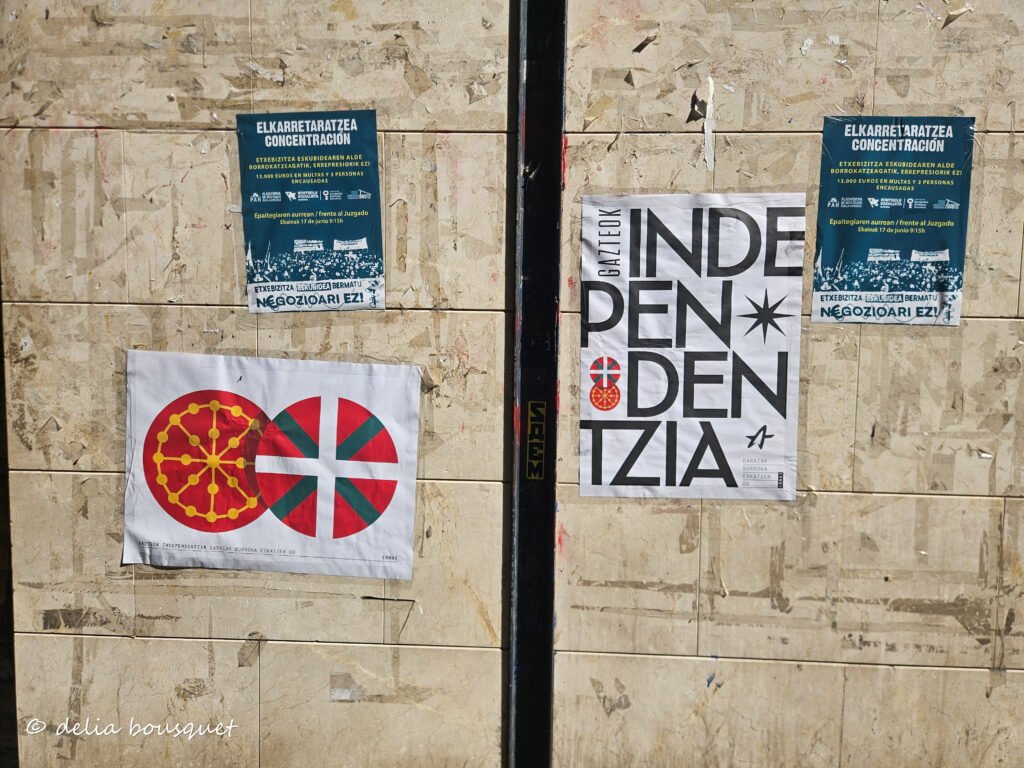
Last summer, it didn’t really feel that way. Yes, there was Catalan on every street sign and the metro announcements were always in Catalan. But I was living with a host family who consistently made me feel welcome whenever they were around, and that warmth naturally extended to the rest of the city.
This year, however, the dynamic broke. Immersed in my first internship where the staff spoke only Catalan, actively avoided the interns, and shut us out from contributing to any actual work, the linguistic barrier felt less like a cultural nuance and more like an aggressive gate. The underlying message was loud and clear: you cannot be part of Barcelona or its future if you don’t speak Catalan.
That hostility completely killed my desire to learn. When the language was a gift offered by a welcoming host family who chose to speak Spanish just so I could be included, it made me want to lean in, return to the city, and master Catalan. But when the inclusion vanished and the “you don’t belong here” vibe took over, the internal math shifted: why would I pour energy into a language when I am so clearly rejected by the culture? So, I quit my Duolingo and gave up. For someone who genuinely loves the mechanics of languages and thinks they super cool, that choice felt heavy.
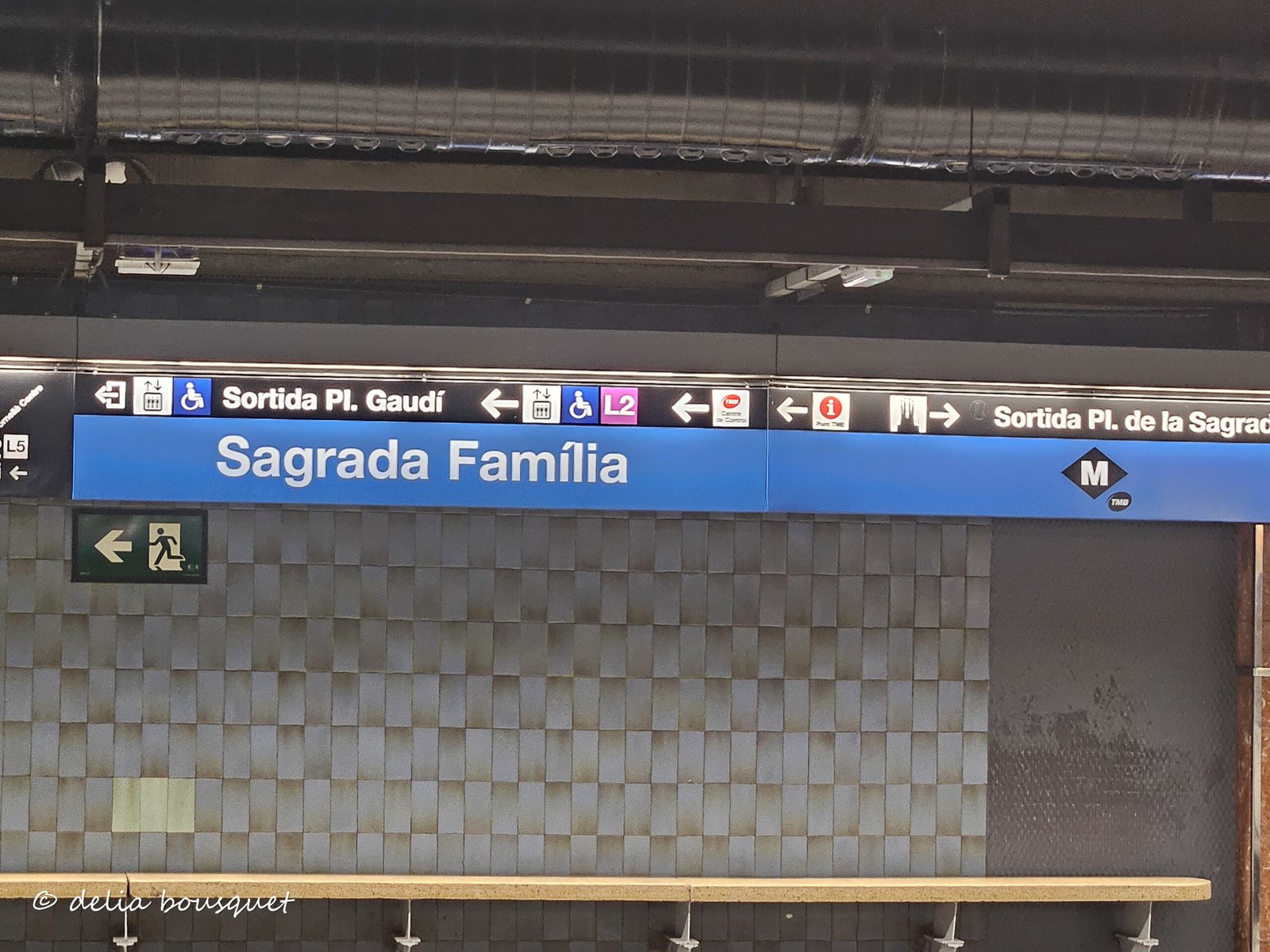
That isn’t to say everything in Barcelona is a failure. Their public transportation network is by far the most efficient and thorough I have seen in Spain—though, to be fair, I haven’t tested Madrid’s yet. And they also have the Sagrada Família, which, I must admit, is an architectural marvel.
Looking back at my final posts from last summer, I realized I had written down a few specific dreams. One of them, as I discussed last week, was to write things that made people angry—a goal I can officially cross off the list. But I also wrote this:
“And while I’ve drawn out this dream life of mine—complete with a piso with a balcony and a sofa perfect for siestas in Bilbao, a frigo filled with all my Mercadona favorites, and AC (I’m still part American) while doing research, running a language learning app that somehow preserves Indigenous languages and Basque, speaking Spanish, English, and French and maybe Basque (we’re still up in the air about that), living on a Polish passport, maybe with a pet, a novio, a bike (obviously), and perhaps a frequent flyer card because I have big plans, I know that things may change.”
Not to brag, but I kind of manifested almost all of it this summer. I had my very own apartment without roommates for two weeks, complete with a balcony (minus the sofa), a nevera stocked with my favorite Mercadona snacks, and working AC in most of the piso. I spoke some Spanish—though definitely not as much as I wanted to. Sure, getting a pet wasn’t logistically possible, and the language-app idea doesn’t really align with my interests anymore. But I am already signed up to start French classes the second I get back to the States, I have a brand-new cycling kit waiting for me in an Amazon box at home, and I am still the ultimate Bilbao fan. Maybe there is a little Basque country in my future after all. (Note to self: Ask Gorka where one even goes to learn Basque in the US).
Yet, beneath the checklist of accomplished dreams, I stumbled into a much larger truth this summer: living between two different countries is a beautiful, exhausting tightrope walk. No matter where you are standing, a piece of you is always reaching across the pond.
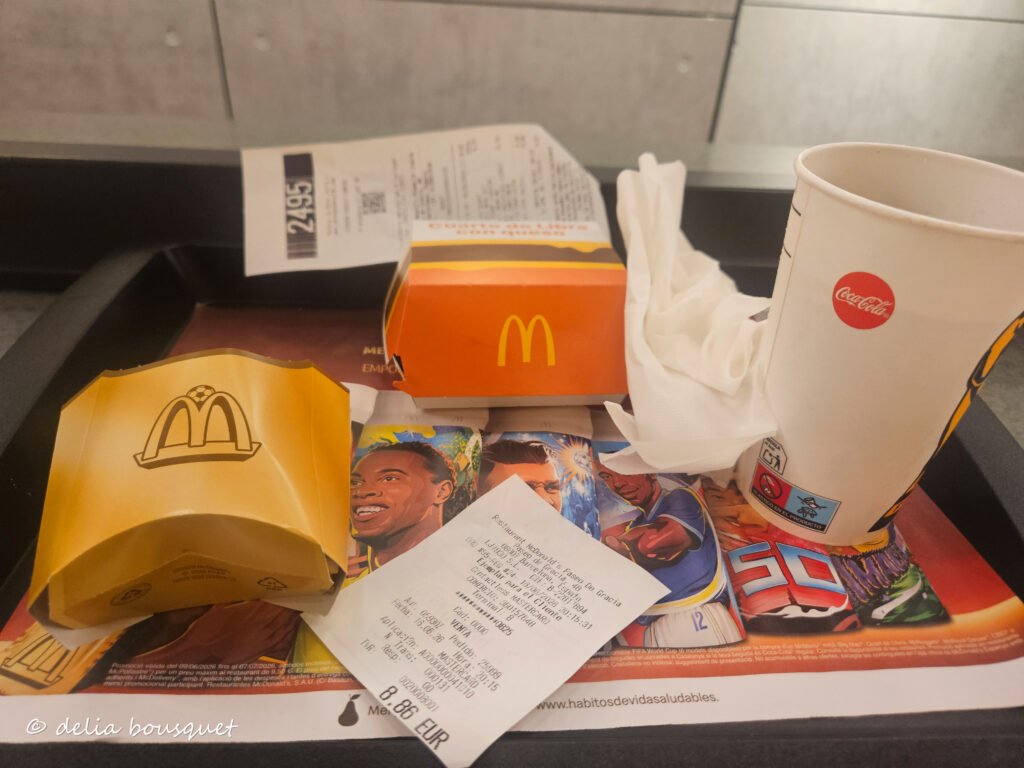
When I’m back home in the US, the nostalgia is physical. It’s usually food-related—craving proper jamón, a cold Fanta, my favorite Carrefour chocolate bar, or literally any authentic plato de comida española. It’s missing the electric thrill of waking up on a Saturday morning to explore a completely new city entirely on your own terms. Or honestly, just missing Iberian Spanish. It is the Spanish I am most intimately used to, and even just hearing vosotr@s used in conversation sparks an instant, bittersweet wave of nostalgia. To me, it sounds like home.
But when I am actually in Spain, the longing flips entirely. Suddenly, it’s all about the people. Because when things go spectacularly, devastatingly wrong—as they inevitably do when you are navigating a foreign country alone—your mom isn’t there to give you a hug. Your friends and family back home are probably fast asleep, leaving a six-hour time difference between your panic attack and their morning alarm. In those moments, the distance is deafening, and you realize how profoundly alone you are without a safety net.
And that might be the greatest takeaway from this entire summer: re-learning the value of human connection.
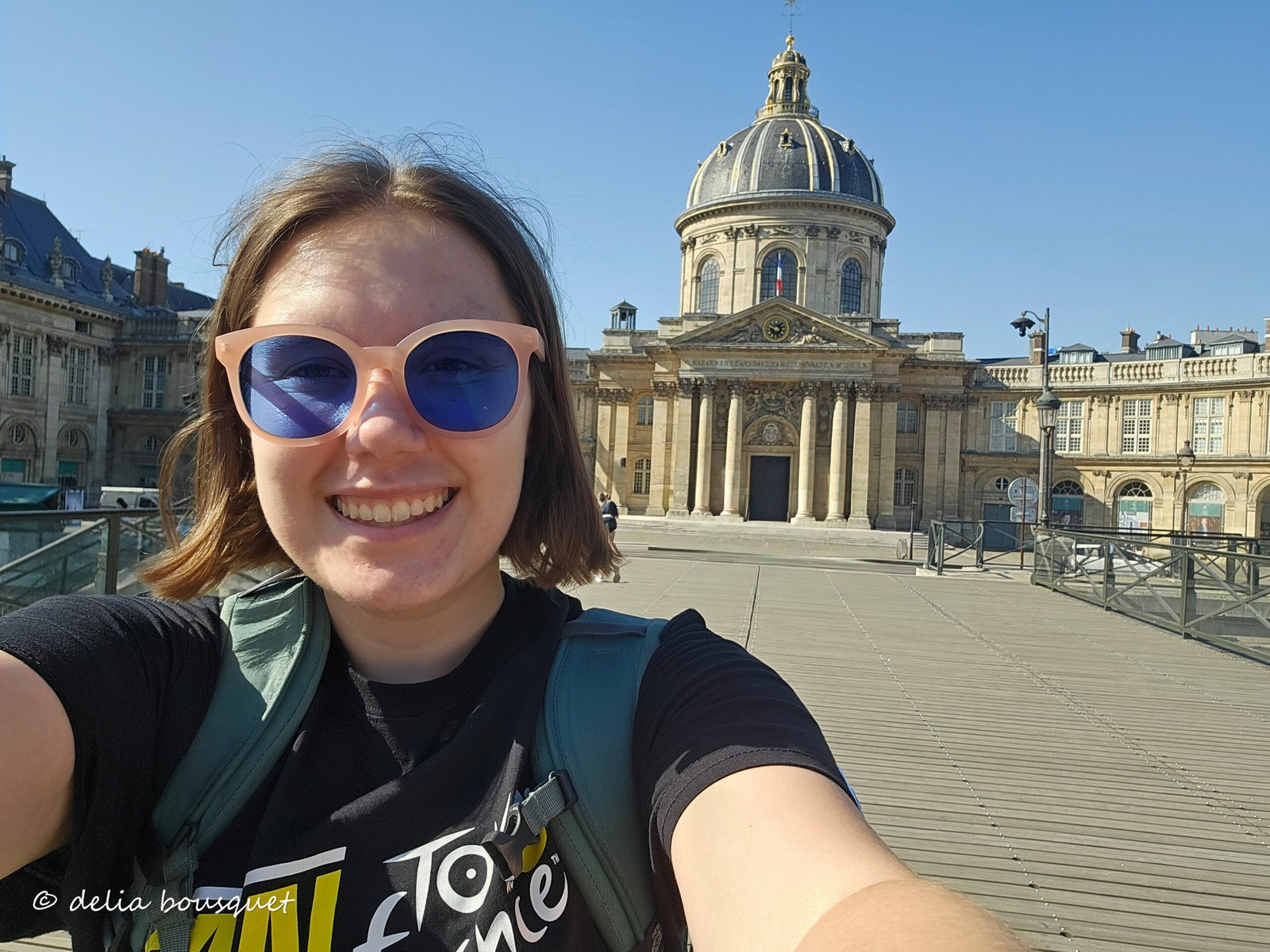
For years, I have fiercely protected my independence. I prided myself on my ability to move through the world entirely solo—taking international trips, going to the movies, or sitting at restaurant tables by myself. There is an undeniable luxury and joy in that kind of solitude. Your brain adapts to a rare frequency where your desires are the only ones that matter. You eat where you want, walk as far as you want, change plans on a whim, and answer to no one.
I love that version of myself. But this summer taught me that none of those solo adventures actually matter if you can’t come home and tell the people you love all about them. Sure, I can write it all down on this blog, but a digital screen is a one-way mirror. It doesn’t allow me to watch a friend’s eyes widen in shock, or hear my family cut me off to launch into a hilarious, unpredictable side tangent.
So yes, you can absolutely walk through this life entirely alone and survive just fine. But you are going to feel infinitely more supported, and have a hell of a lot more fun, if you build a community around you. Or, at the very least, buy a dog. The sheer number of times I walked back into my empty apartment this summer wishing I had a little Westie to greet me—whom I would absolutely name after a Spanish city—is honestly ridiculous.
All of this isn’t to say that I’m giving up on my solo adventures—quite the opposite, in fact. Starting in January 2027, you will all have six months of international travel blogs to look forward to when I tackle Oxford University and the UK as a whole. But this summer has simply forced me to value human connection, and deep friendships, in a much more profound way.
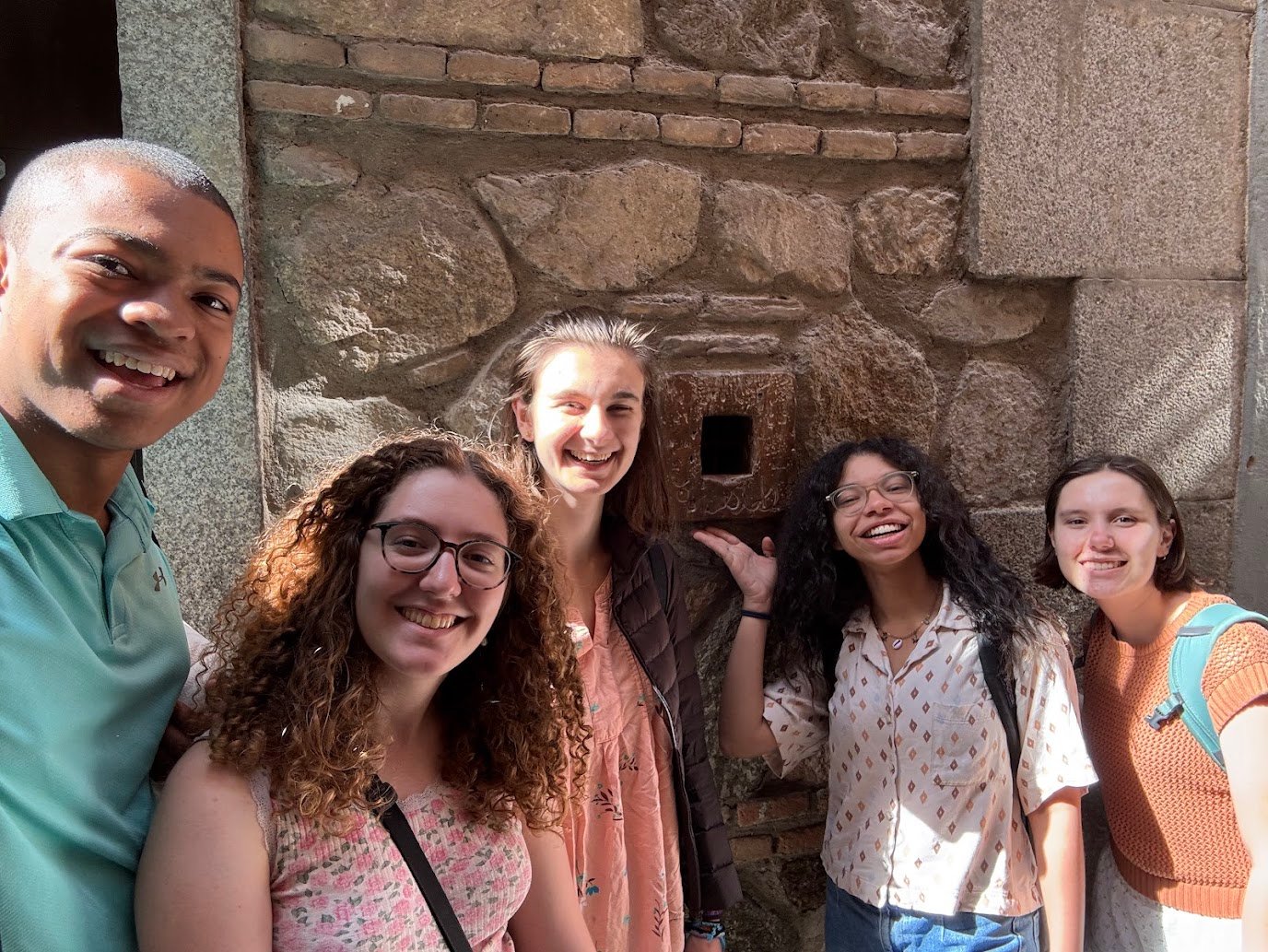
Of course, there is always a happy medium. While traveling or living abroad, it is entirely possible to build incredible communities (and eventually get that Westie). I know this firsthand because last summer I was constantly out exploring Toledo with the Princeton in Spain crew—whom I actually became closer with after the program ended—alongside Courtney and Tarra from Sevilla, with whom I did everything from attending late-night Flamenco shows to wandering through random science museums. It was magic, and there were so many moments this summer where I wished I could have imported them directly to Barcelona. Unfortunately, Barcelona has a distinct, hyper-focused hustle and bustle. Combined with a routine that consists entirely of commuting to work and coming straight home, it is a uniquely difficult ecosystem for meeting new people.
Ultimately, this summer taught me that when you commit to a life abroad—and roughly 20 percent of my past two years have been spent in Spain—you aren’t just signing up to exist in a beautiful foreign country. You are committing to a lifestyle governed by perpetual, heavy trade-offs:
- Family vs. Quality of Life
- Cultural Immersion vs. Financial Stability
- The Comfort of Your First Language vs. The Growth of Your Second
It is a psychological game where a total victory doesn’t exist, because every single gain demands an equal, corresponding loss.
It’s deeply ironic because Princeton, alongside so many other elite institutions, prides itself on developing students into “global citizens.” Yet, we rarely pause to reflect on what that phrase actually implies. Is this the reality of a global citizen? Existing permanently in the gray space of the middle? Constantly trying to navigate a game you are structurally built to lose? If so, universities probably need to start offering a syllabus on it.
Beyond re-evaluating my relationships, this summer served as a masterclass in uncovering my own personal and professional values. Intellectually, I learned that I require a career into which I can pour my entire heart; otherwise, the daily grind quickly feels like a chore. My best output is invariably fueled by passion. And while I am immensely grateful to my second internship for taking us in after my first placement left us entirely without work for three weeks, and while I value learning the inner workings of the EU, I can’t say that large family advocacy is my calling.
While I deeply understand the organization’s perspective—and even wrote numerous policy feedback statements to the European Union advocating on their behalf—on a personal level, the concept of a massive family strikes me as inherently unsustainable. With just two children, my own parents were stretched thin managing the chaotic logistics of daily life: driving us to sports practices, overseeing homework, staying emotionally attuned to our lives, and cooking dinner. Without my grandmother, who faithfully met us at the school bus, watched us on snow days, hosted us for a week of “Camp Grandma” every summer, and drove us 45 minutes to high school twice a week, our entire family structure would have collapsed.
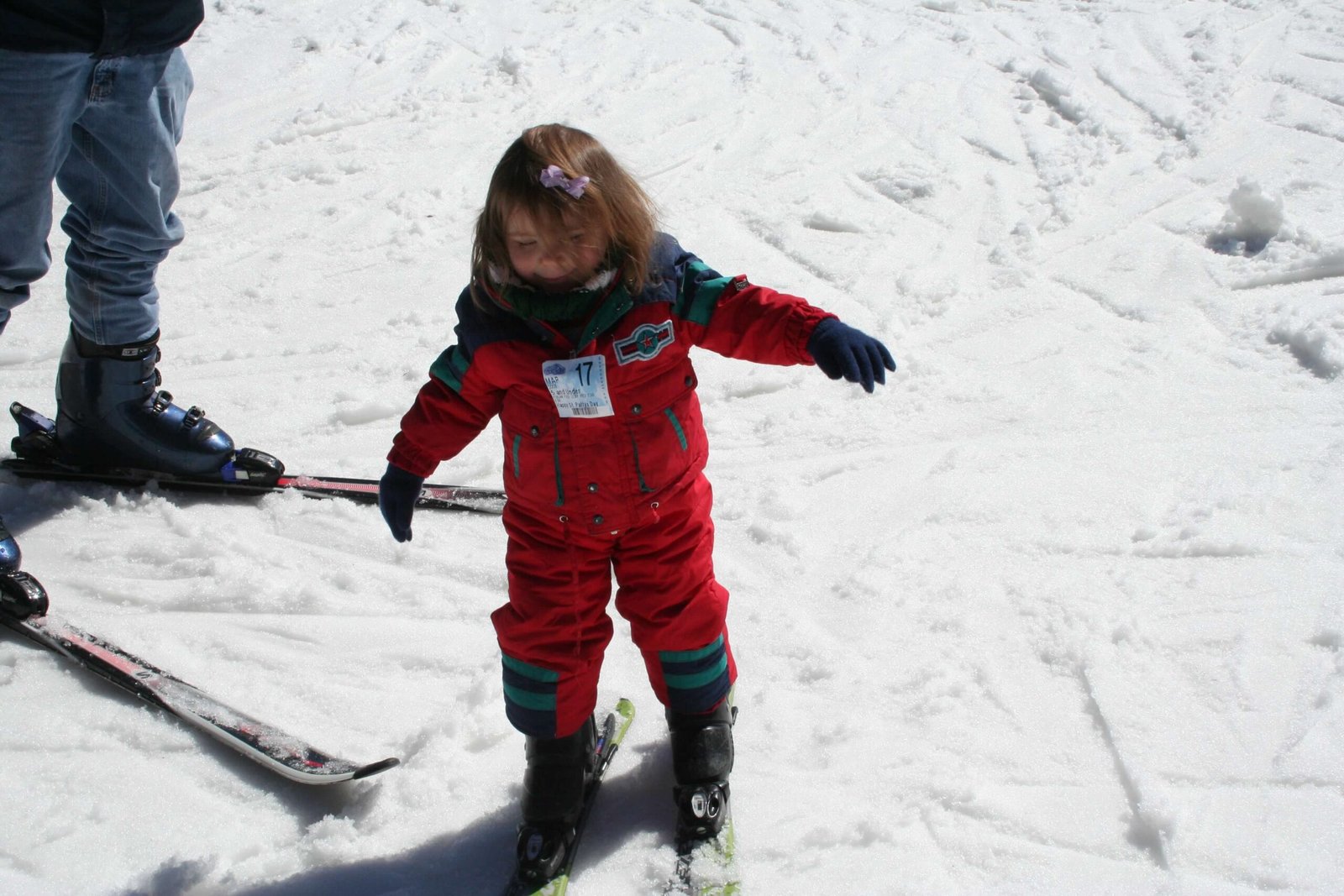
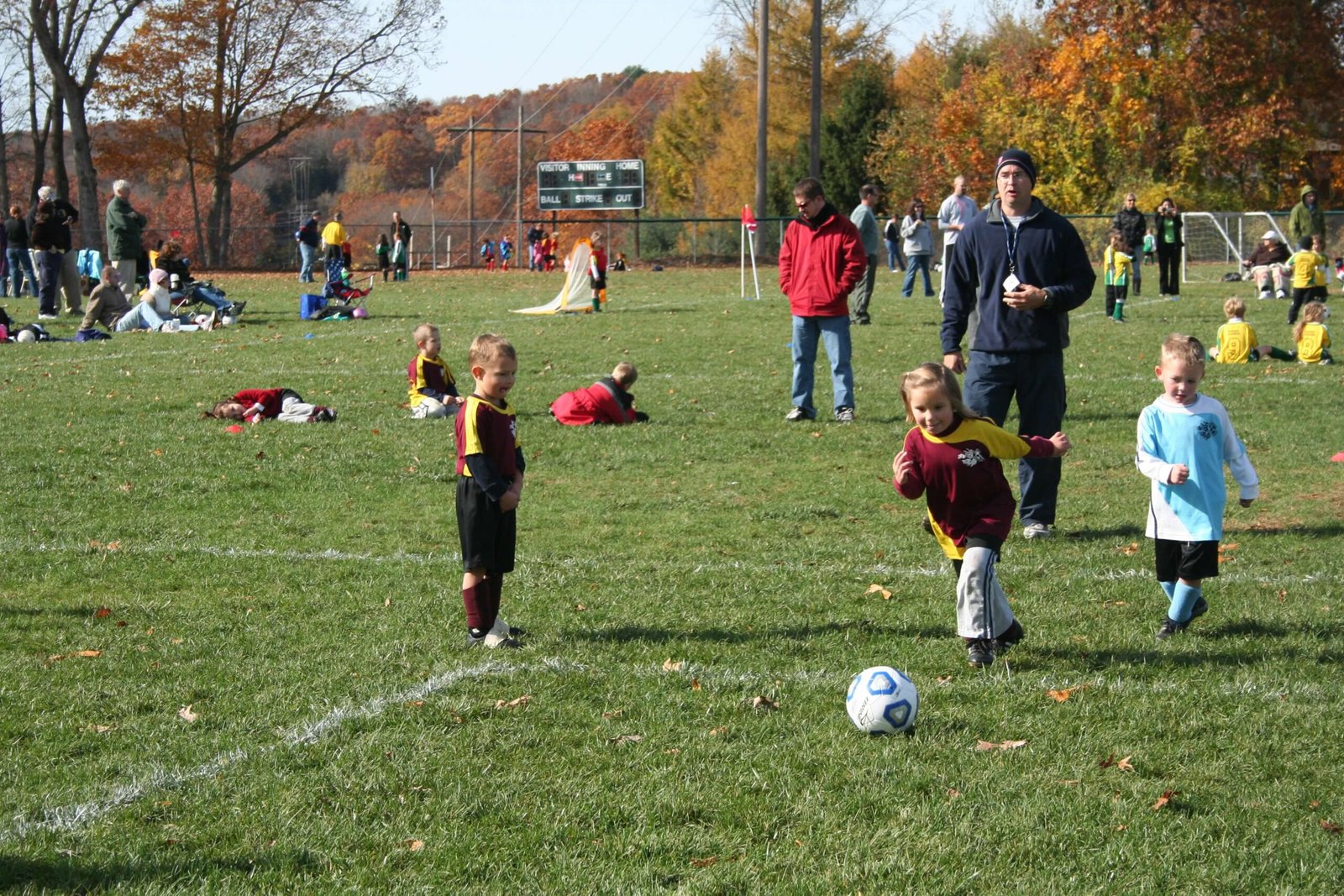
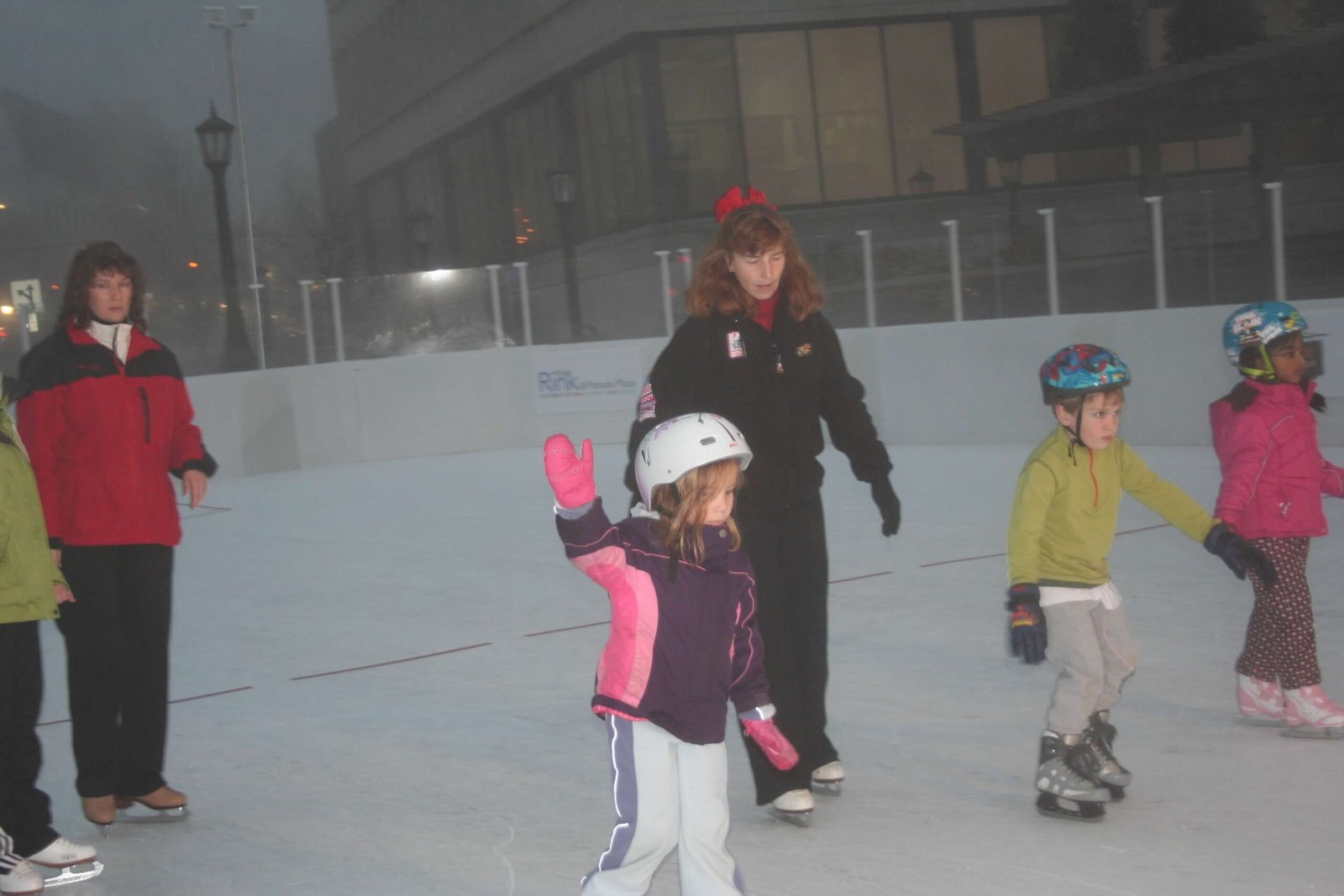
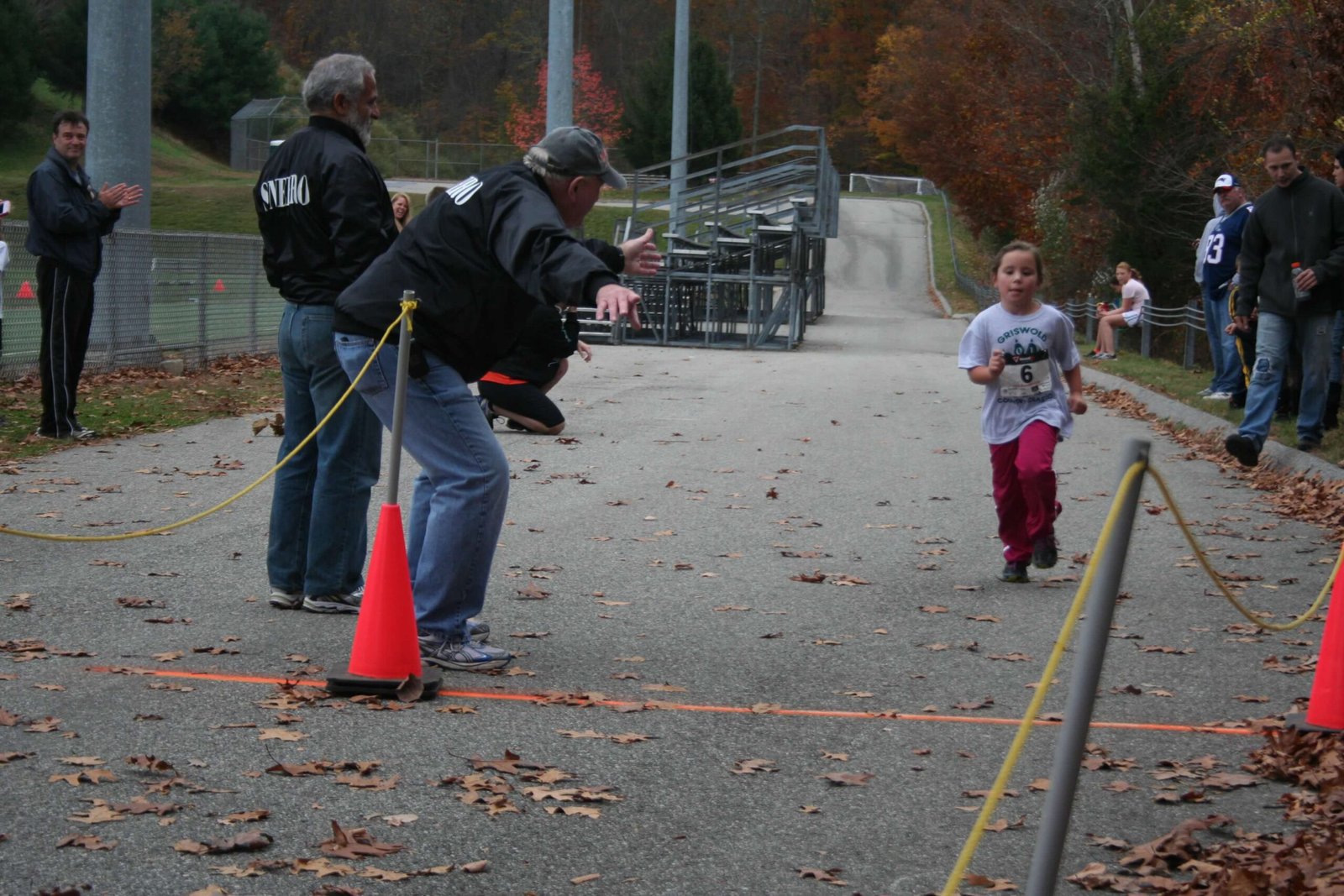
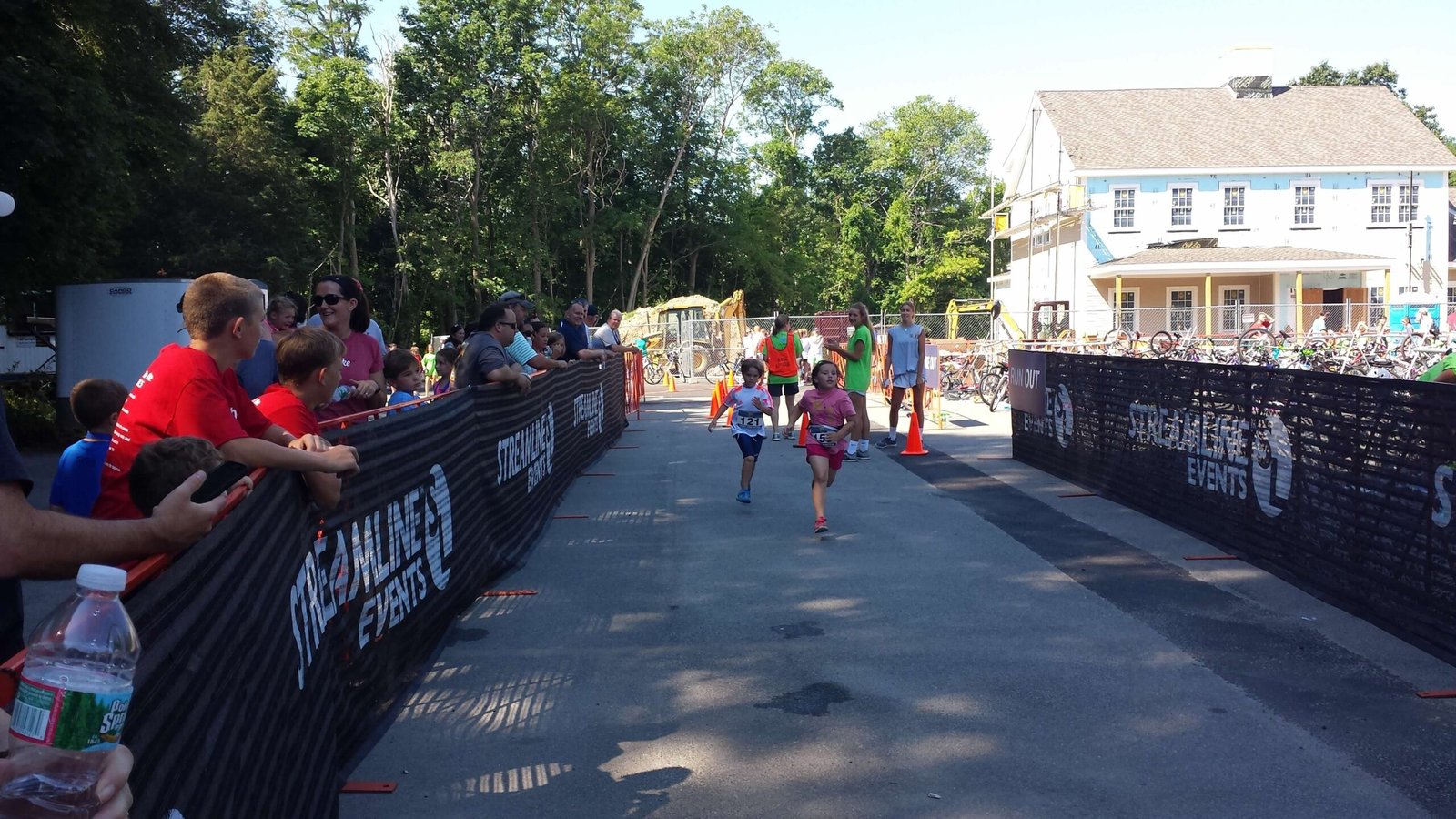
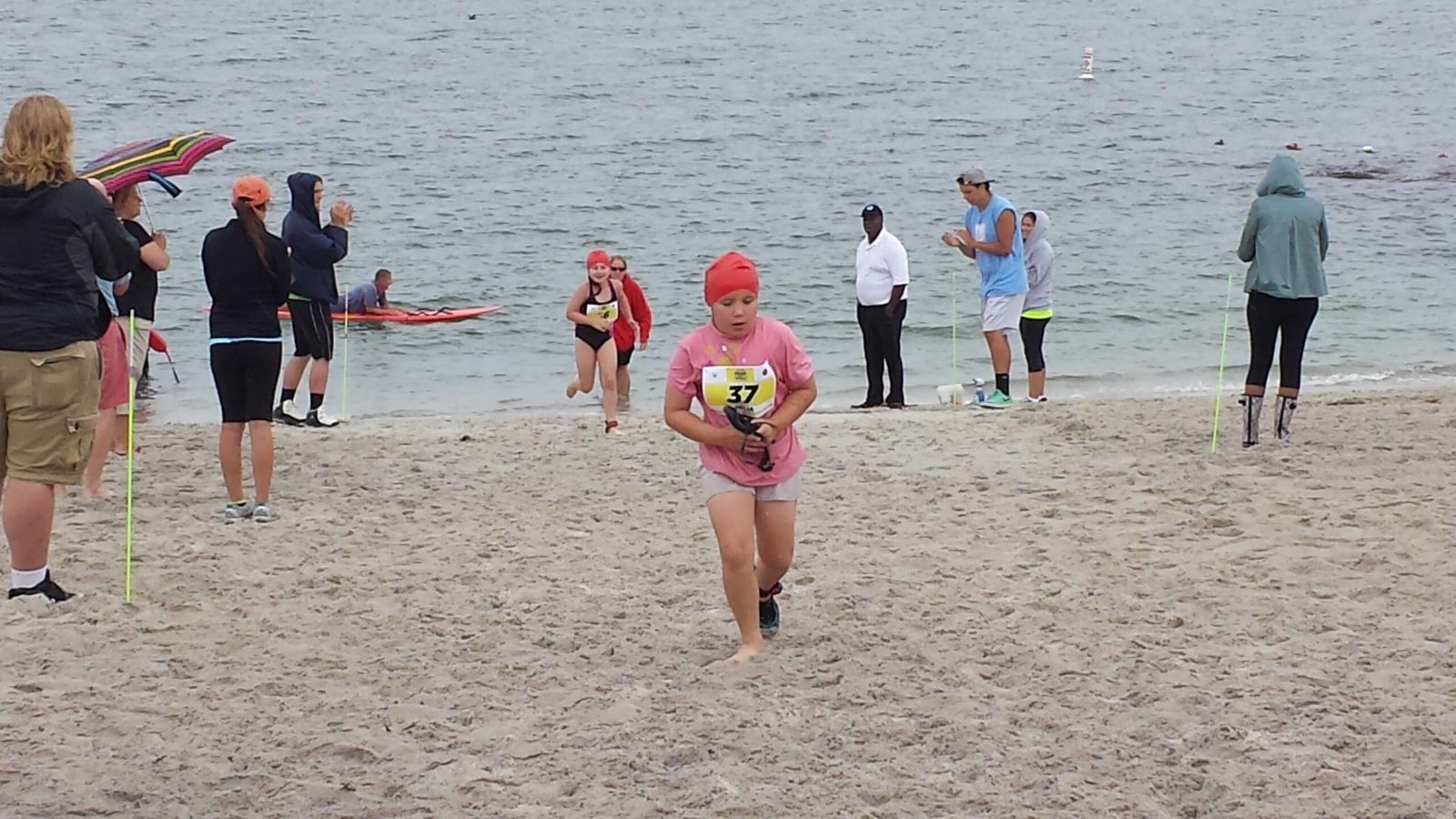
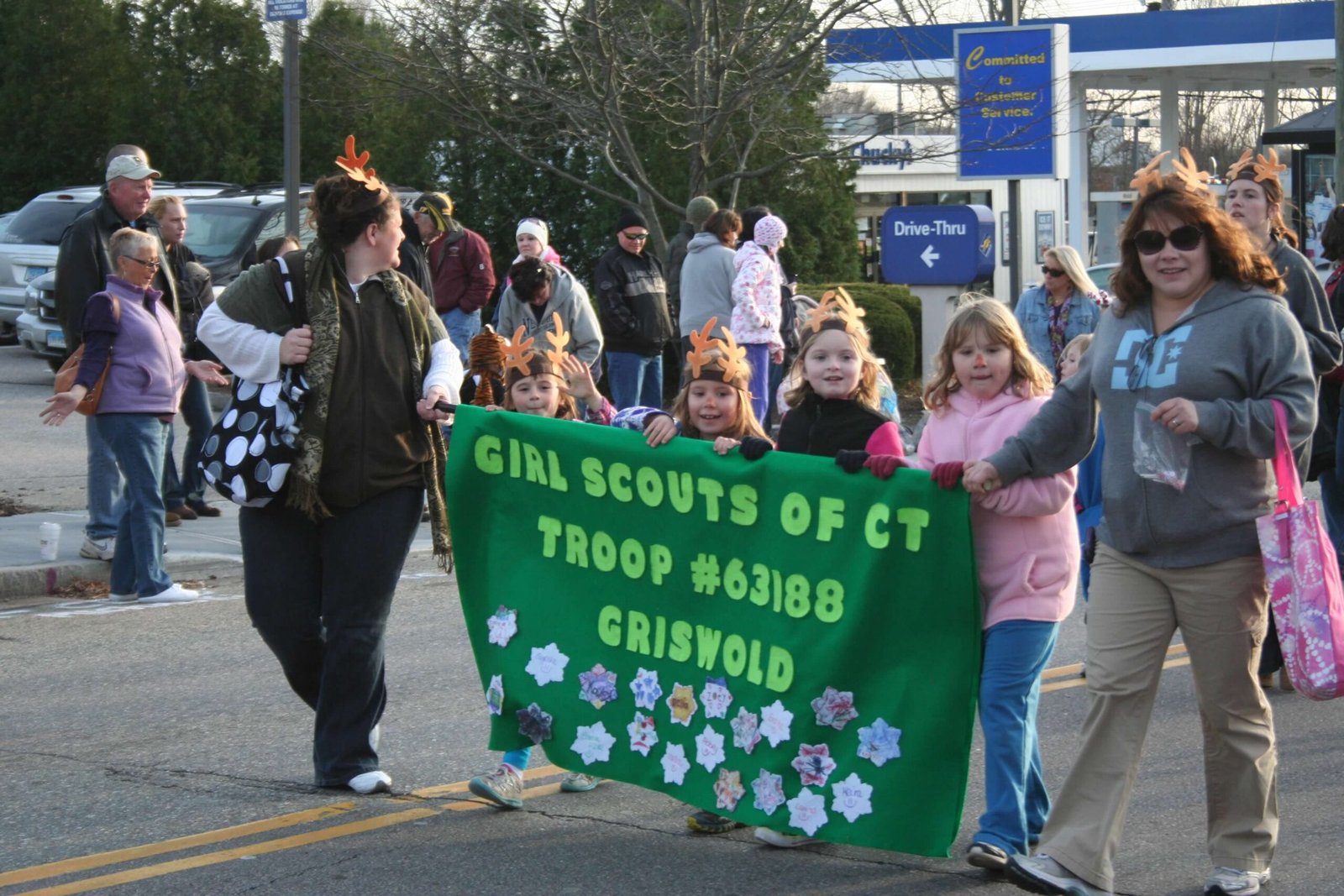
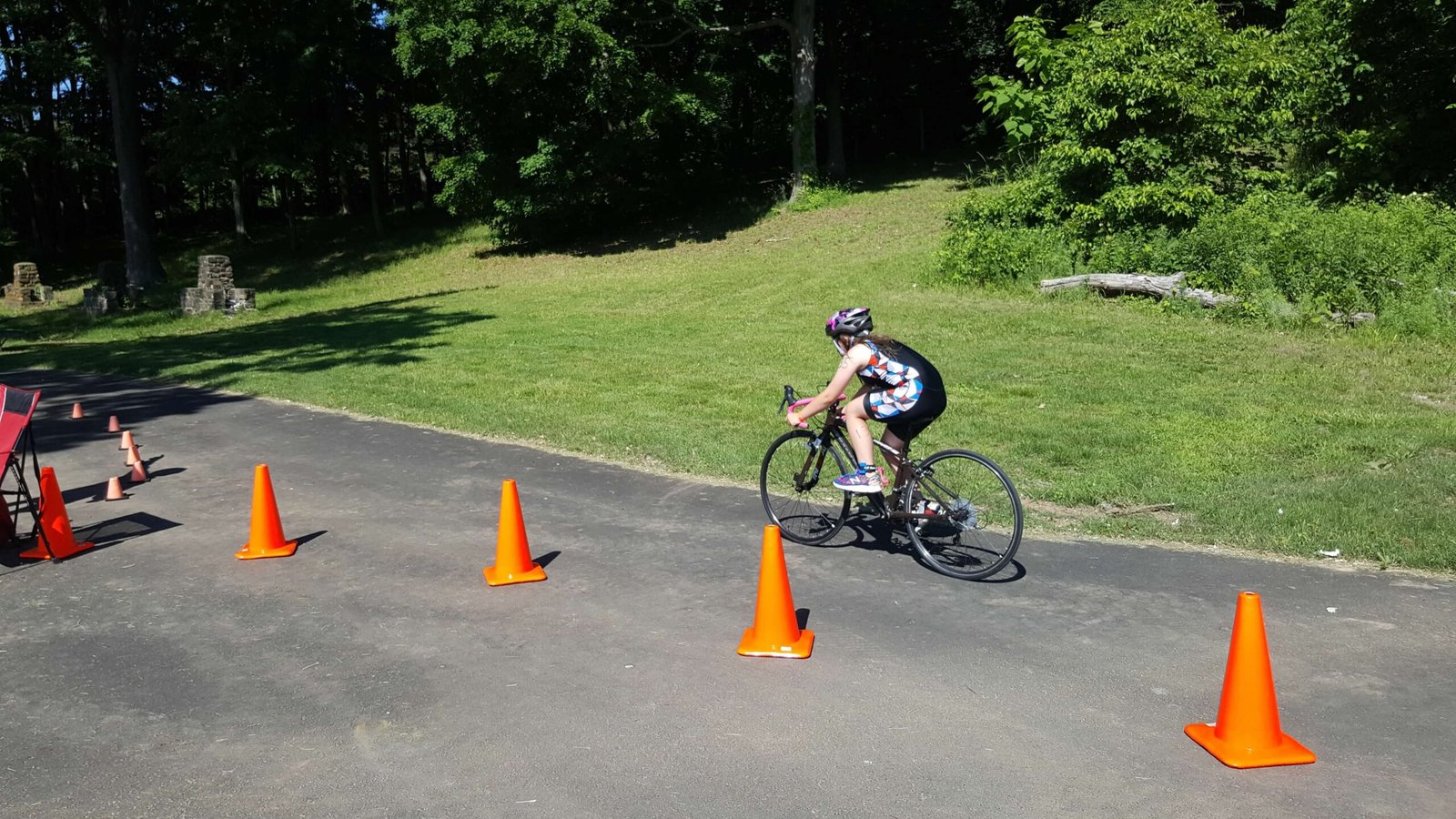
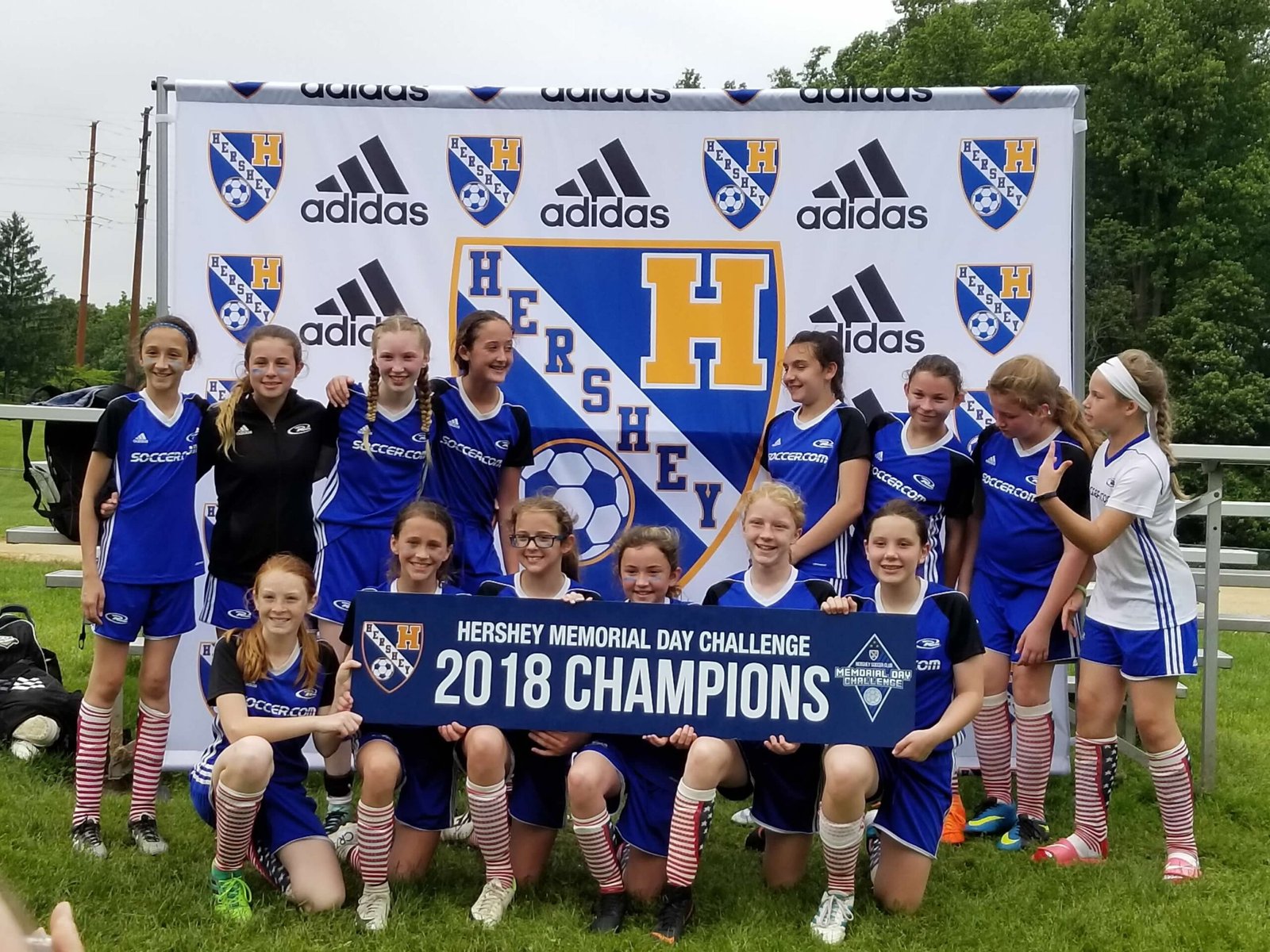
My brother and I were incredibly privileged to have such an enriched childhood, packed with soccer, triathlons, skiing, chorus, theater, musicals, cross country, and basketball. To have parents so intimately involved in our development was a gift. From my perspective, sacrificing that level of individual attention and opportunity simply to have five or six children instead of two feels like an unnecessary compromise. Shouldn’t the goal be to provide a child with the absolute highest quality of life, opportunity, and emotional real estate possible?

That isn’t even touching upon the sociological reality of the older siblings in these massive households, who are so often structurally roped into intense, unpaid childcare or forced to support the family economically before they’ve even grown up. If systemic parentification is our primary solution to solving the Western population crisis, we desperately need to go back to the drawing board.
None of this is to say I didn’t appreciate the internship experience. I genuinely loved pulling back the curtain on the European Union. I’ve never considered myself interested in policy—politics often feels like an exhausting loop of all talk and zero action—but learning about the rigorous feedback and consultation process that EU directives undergo was fascinating.
Economically, I don’t think I could ever permanently relocate to Spain on a local salary. While a US-based job allows you to live well here, a Spanish salary translated back to a US budget would mean living on a razor-thin margin. Perhaps the sweet spot lies somewhere in an international EU body or a larger European organization.
Then again, my original north star of becoming a sociology professor remains incredibly enticing. I know the entire internet is an echo chamber of how miserable academia is right now. Are they actually that miserable? I guess I’ll just have to ask my professors the second I step back onto campus.
That brings me to the next major revelation of the summer: work culture. As I wrote a few weeks ago, workers in Spain are legally protected from answering professional messages after hours or on weekends. As an American who hasn’t even officially entered corporate America yet, this absolute boundary blows my mind.
Back in high school, we were practically socialized to believe that every notification required an immediate response. Everything was treated as a last-minute emergency: Submitting your lunch order for the Saturday cross-country meet? Respond ASAP. Changing the classroom location? Acknowledge this message by 10 PM. Receiving feedback on a draft? Address it NOW.
To be fair, that hyper-connected culture had its perks. Because study hall for boarding students ran until 10 PM, it meant we could Google Chat our teachers (because we were far too cool for standard email) late into any weeknight. We could reach them pretty much anytime on the weekend, too, because they were usually working right alongside us. It was a relentless, nonstop loop for both students and faculty. Work-life balance didn’t exist. It was an environment designed for burnout, fueled by long days, endless pings, and a flood of school-wide emails every single time someone misplaced an AirPod (which happened at least five times a day).
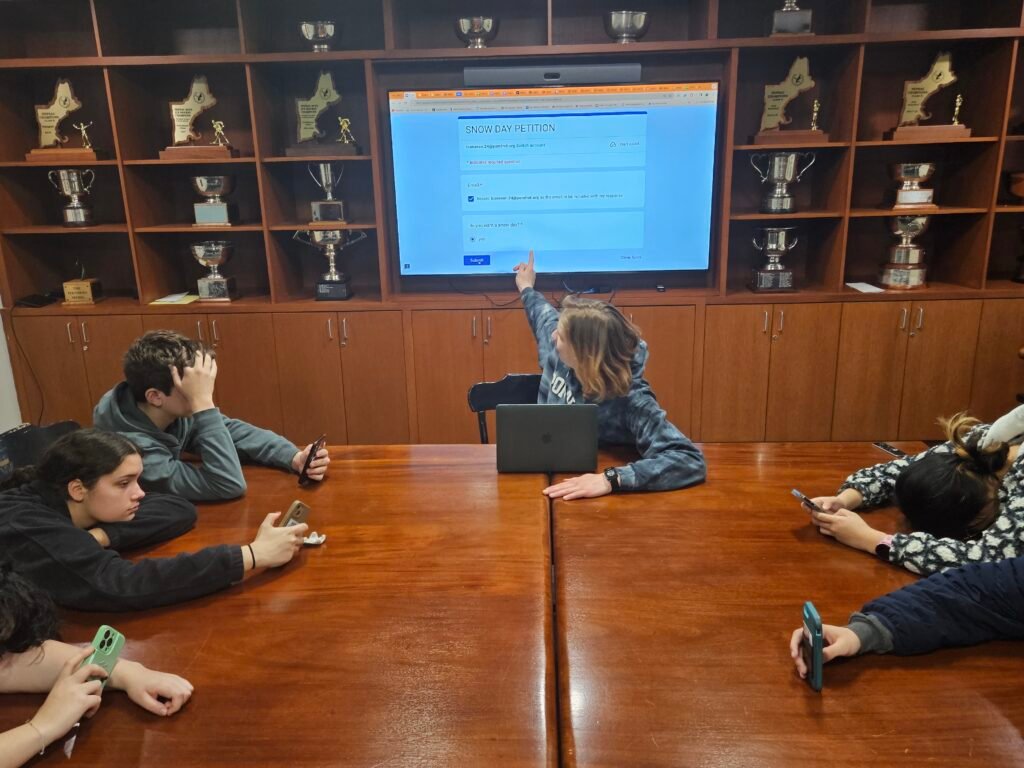
In college, I tried to establish better digital boundaries. I turned off my email notifications entirely, rationalizing that I would simply open the app when I felt like it. Instead, that experiment backfired; I found myself manually opening the mail app every single time I unlocked my phone, which amounted to far more screen time than the notifications would have triggered in the first place.
But then I arrived in Spain, and suddenly, every email and message (unless it was from that notoriously annoying study abroad agency) lost its false sense of urgency. Even actual professional assignments ceased to be emergencies—even when, in my American brain, the pressure mounted because a deadline was four days away.
It was liberating. I didn’t even install my work email on my phone. On weekends, while I was out exploring some random Spanish city, work never crossed my mind. Well, maybe some work did—like brainstorming my next blog post or calculating how I need to somehow secure a spot in graduate school in a little over a year.
Last summer, I wrote about Spain’s radical philosophy of drinking your coffee exactly where you buy it. But imagine if we applied that same mindfulness to our labor; imagine if we left work where we found it. What if we collectively agreed to strip away the false urgency of the daily grind? Because let’s face it: unless someone is actively dying, nothing is truly a crisis. The fact that our culture treats a mundane email like a life-or-death scenario is actively destructive to our health.
Biologically, our bodies experience anxiety because of a primitive fight-or-flight response. This evolutionary mechanism was designed so that when early humans were being hunted by wild bears, the brain would instantly flood the system with stress hormones like adrenaline and cortisol, providing the raw energy needed to outrun danger or fight off a threat. But a standard work email shouldn’t trigger the same physiological panic as a apex predator. So why, as a culture, do we allow it to? Consider this my official petition to the United States for a legally mandated Right to Digital Disconnection.
So yes, that perfect piso in the Basque Country—complete with working AC and a Westie named after a Spanish city (I did note last year that Bilbao would make an excellent name for a dog)—will continue to float around in my mind. But that’s the beautiful thing about dreams: they are allowed to drift through your subconscious until you choose to build a scaffolding underneath them. That’s the moment they transform into goals and objectives.
While last summer was defined by a profound, internal personal transformation, I think this summer was simply about doing what I do best: Spain.
It was about proving to Bilbao that yes, I can successfully navigate a foreign regional bus network even when they make it as hard as they possibly can. It was about learning the hard way that anchovies belong in the refrigerator, cooking my own regional Spanish dishes, and actively seeking out bizarre, beautiful opportunities—like recording the ambient sounds of Barcelona using broken headphones while tethered to a total stranger. It was about cleaning up trash, hiking up random mountains, treating ordinary bridges like five-star tourist attractions, and taking my own photos without needing a photographer. It was about discovering new countries, learning to appreciate Spanish wine a little too much, aggressively critiquing art while simultaneously creating my own, watching eggs dance on fountains, beating up stuffed logs at Christmas in July, running 10Ks, and exploring Spain one beautiful city at a time.

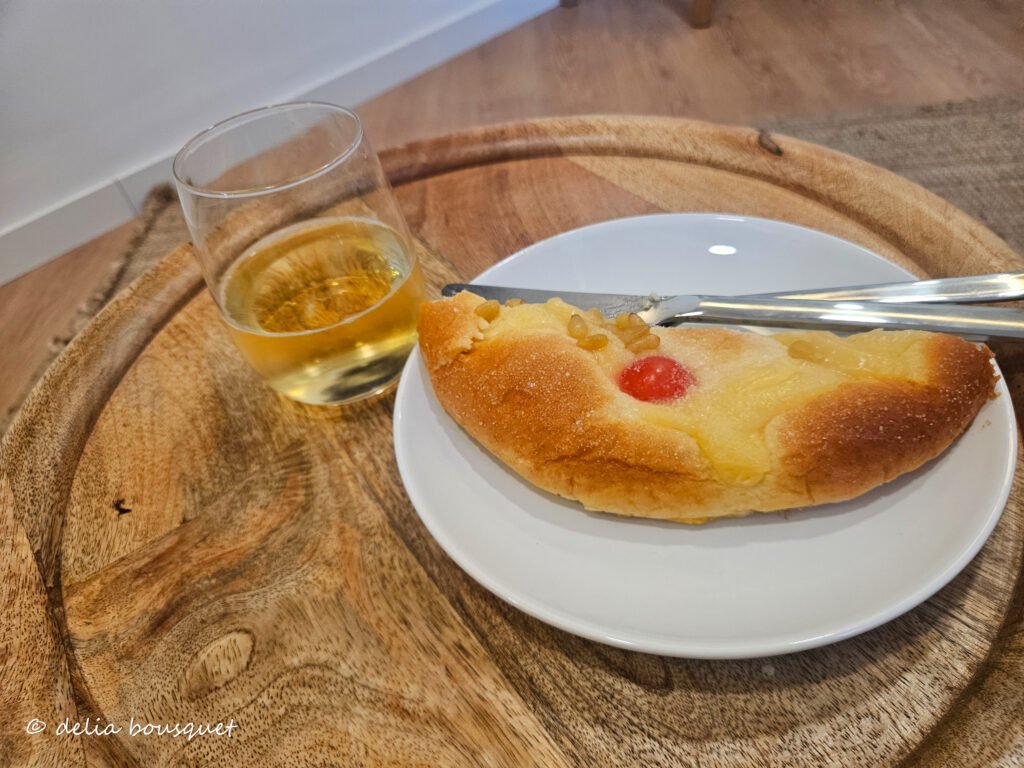
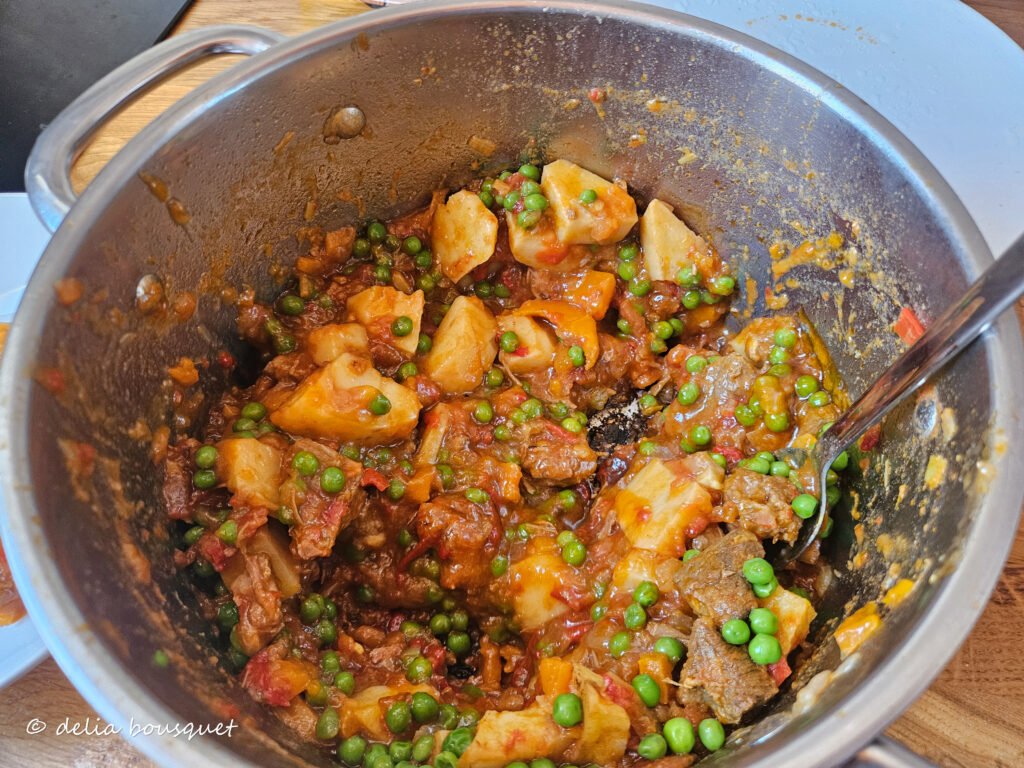
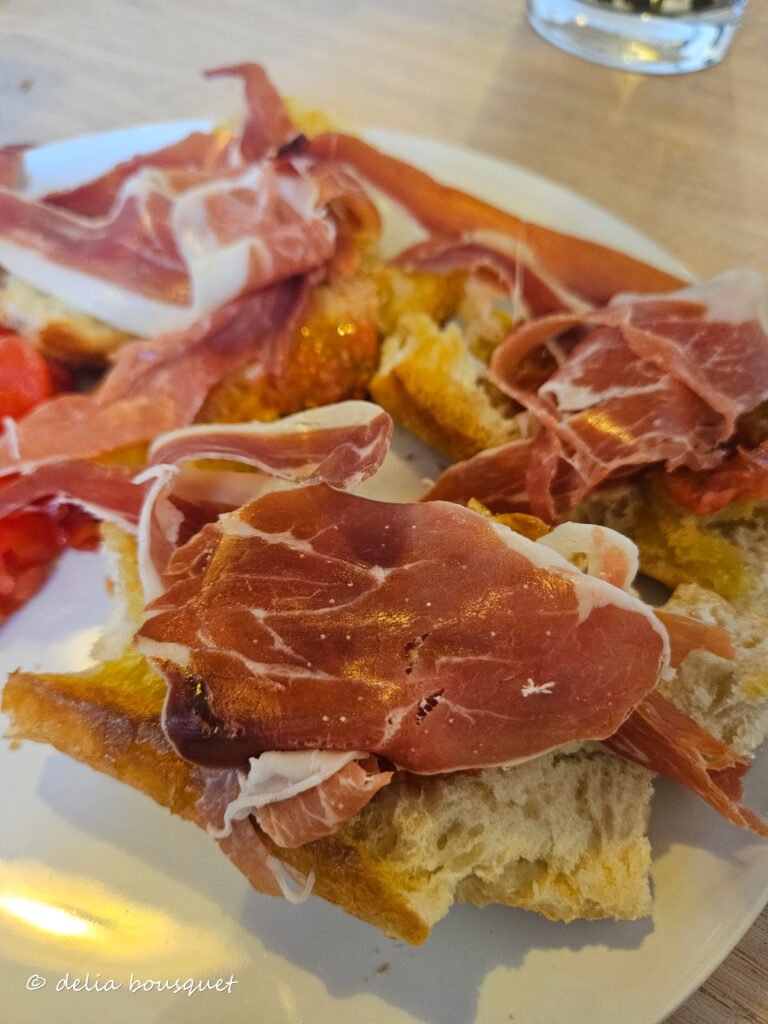
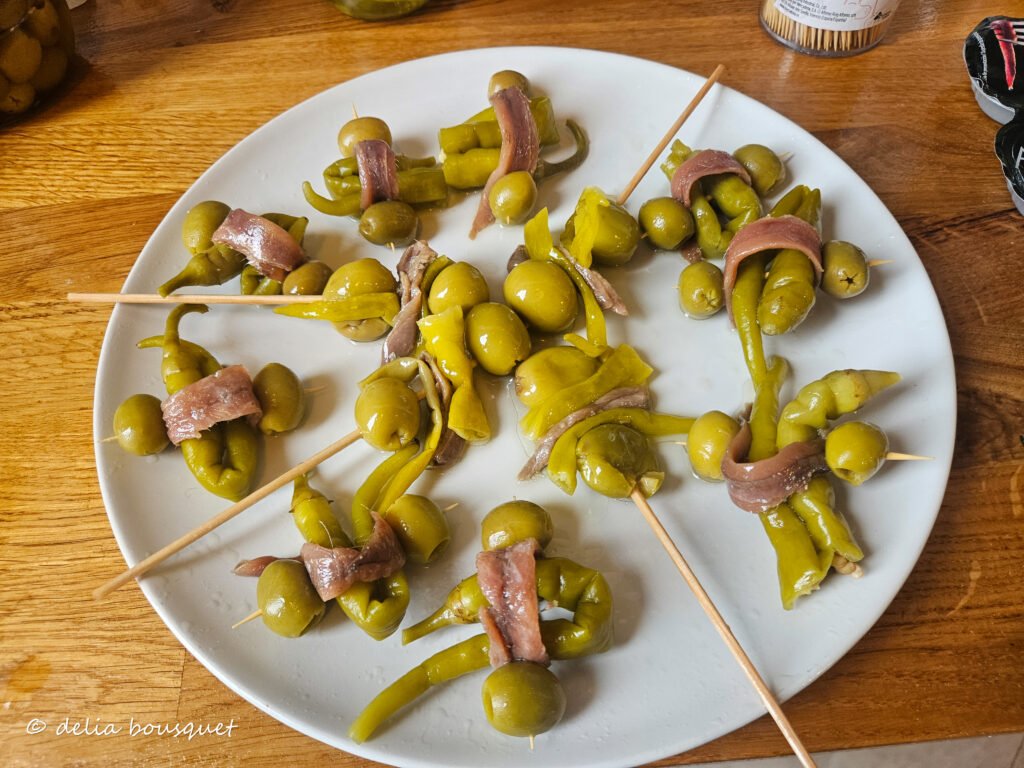
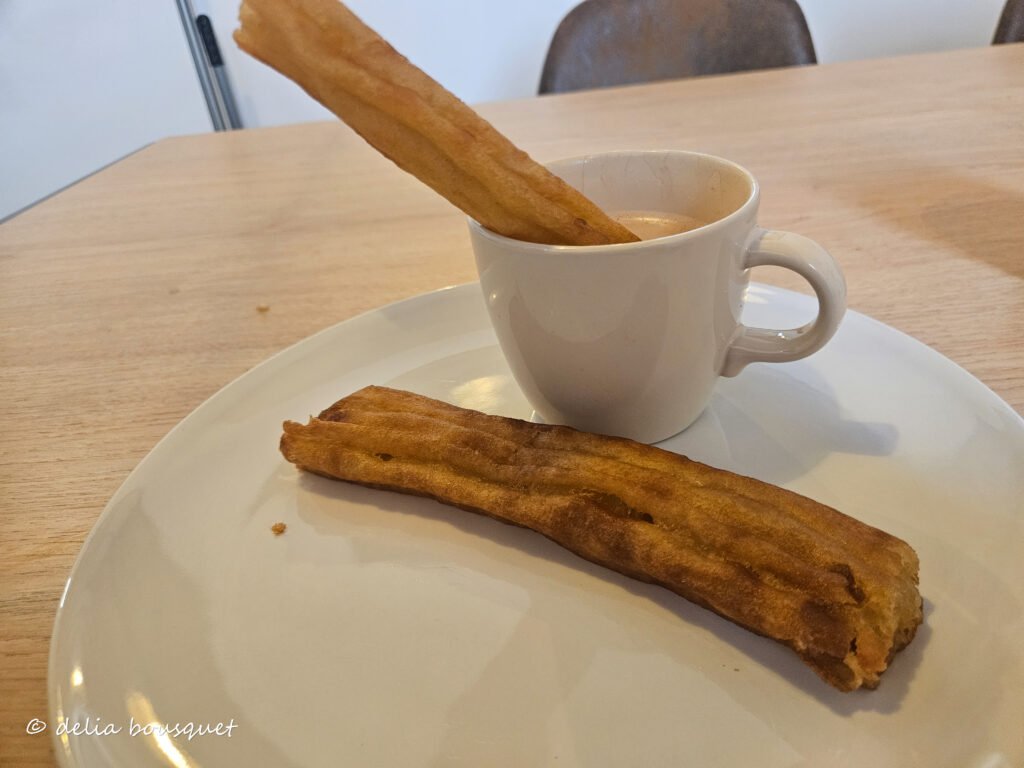
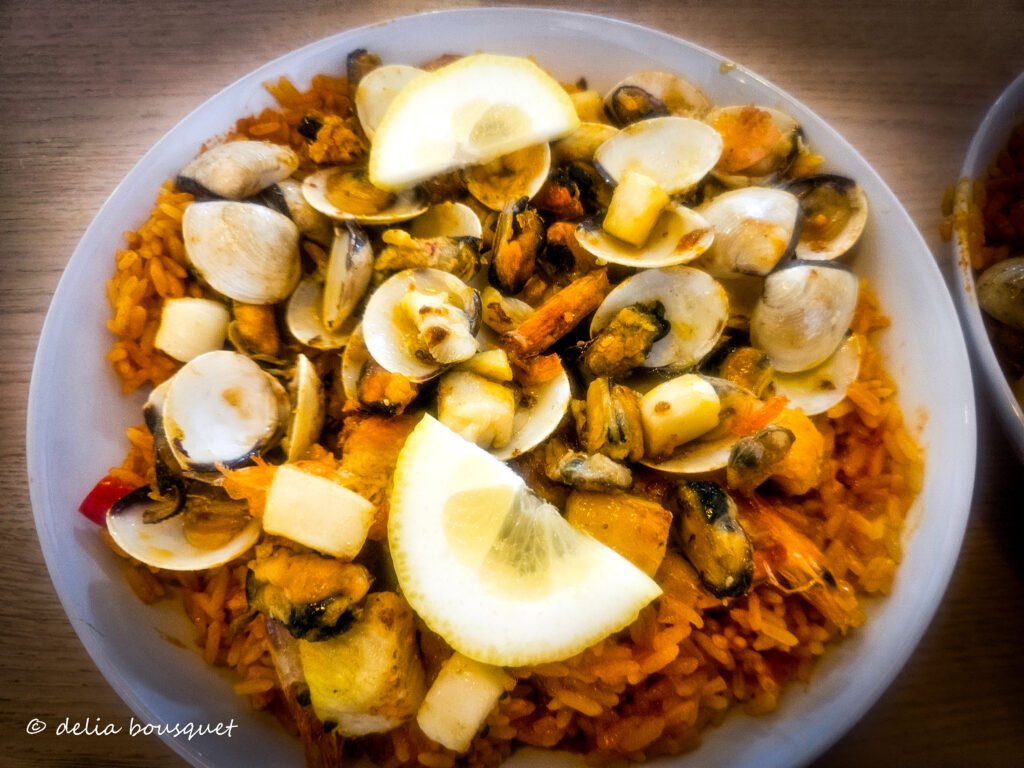
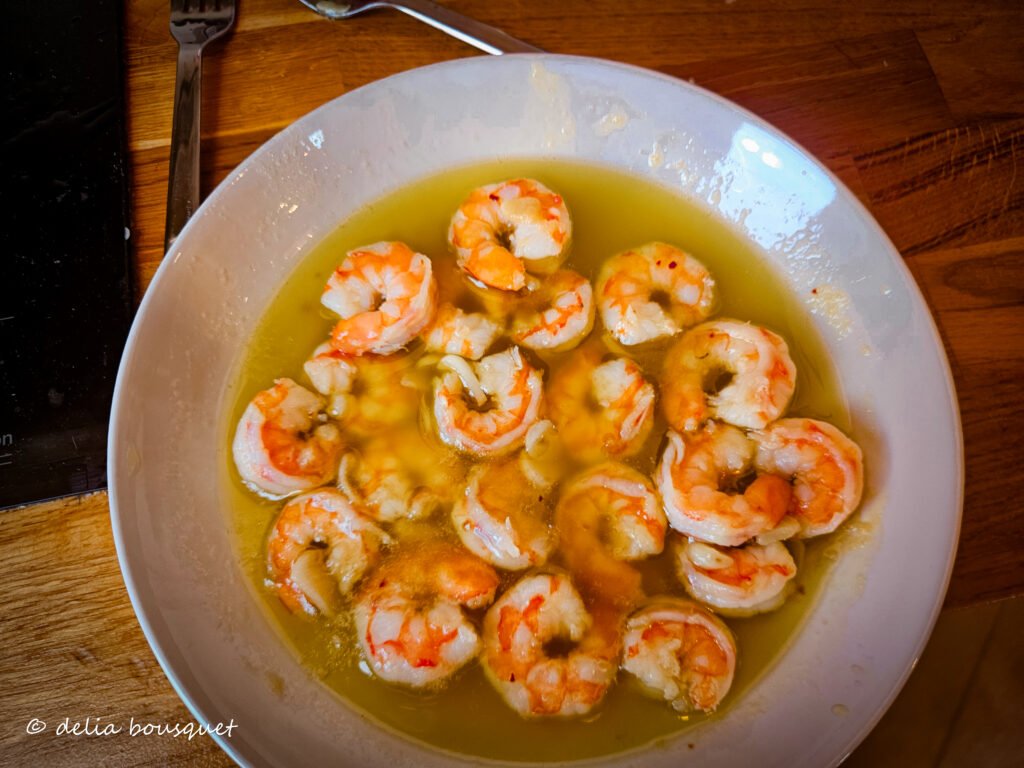
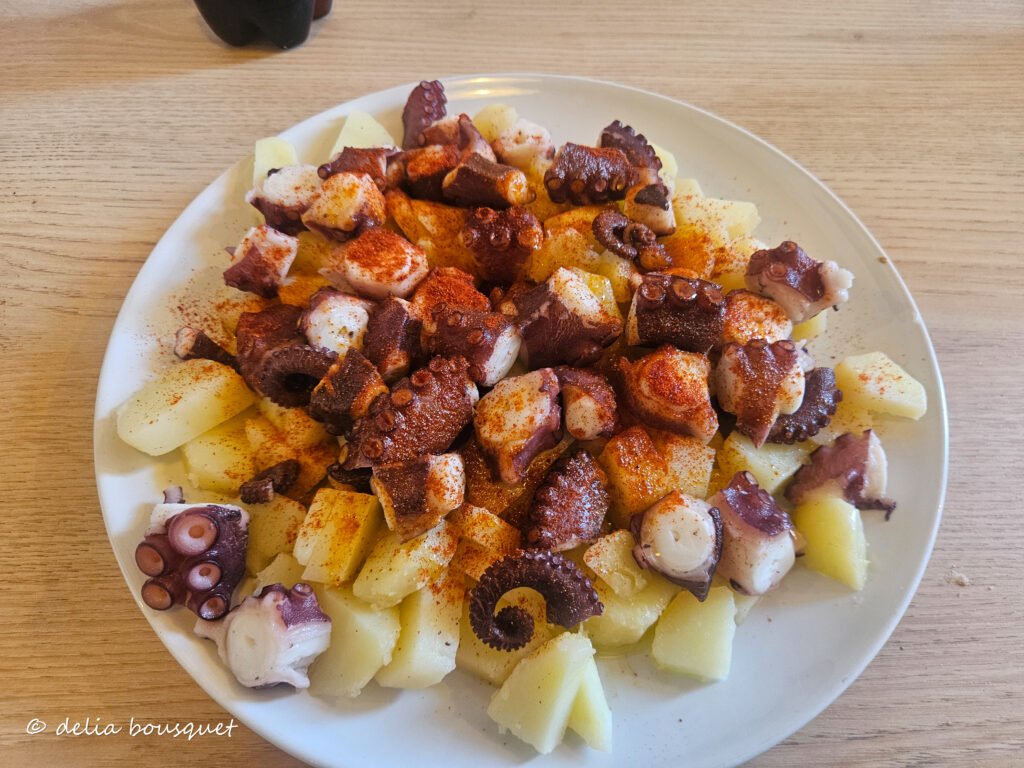


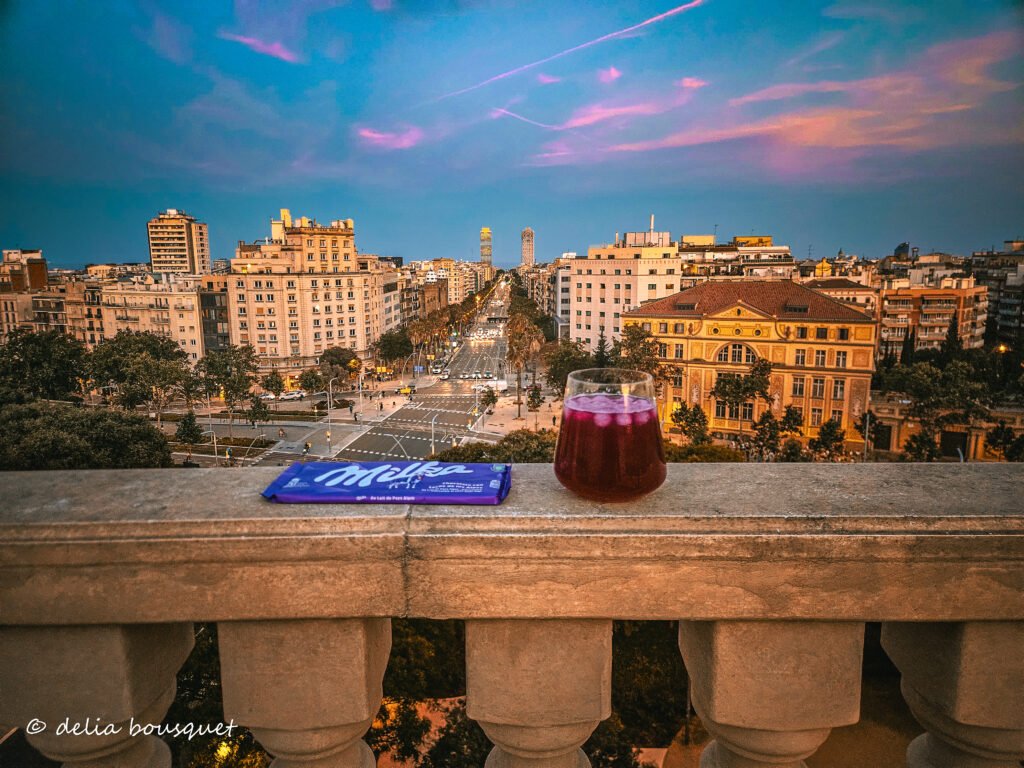
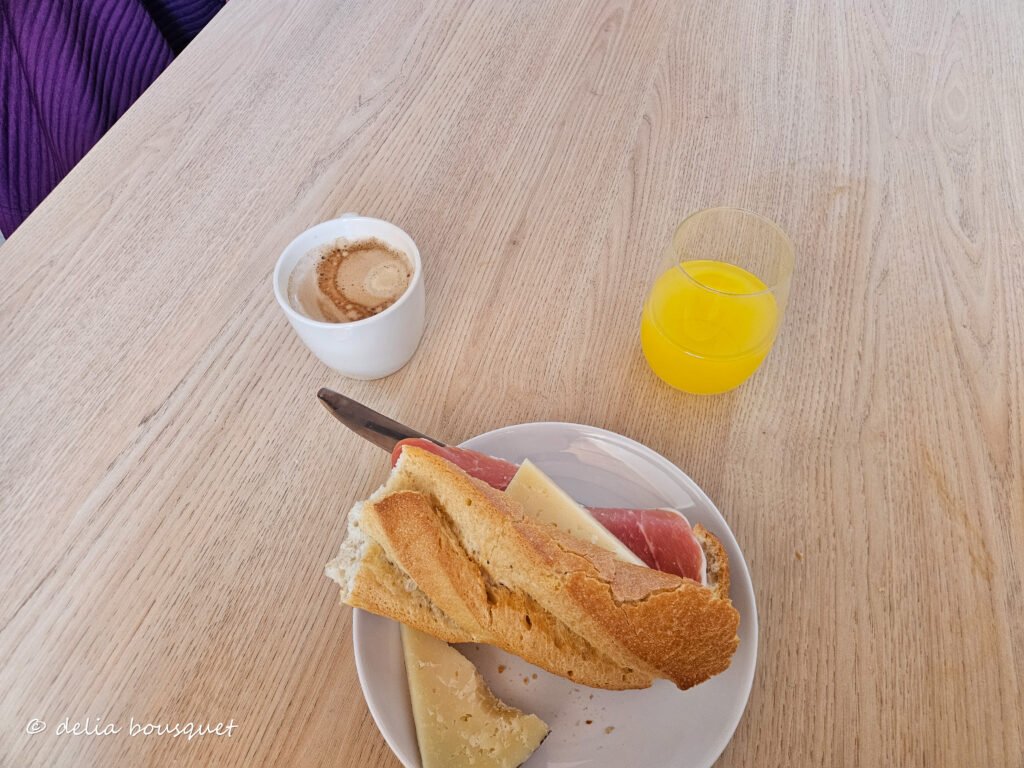
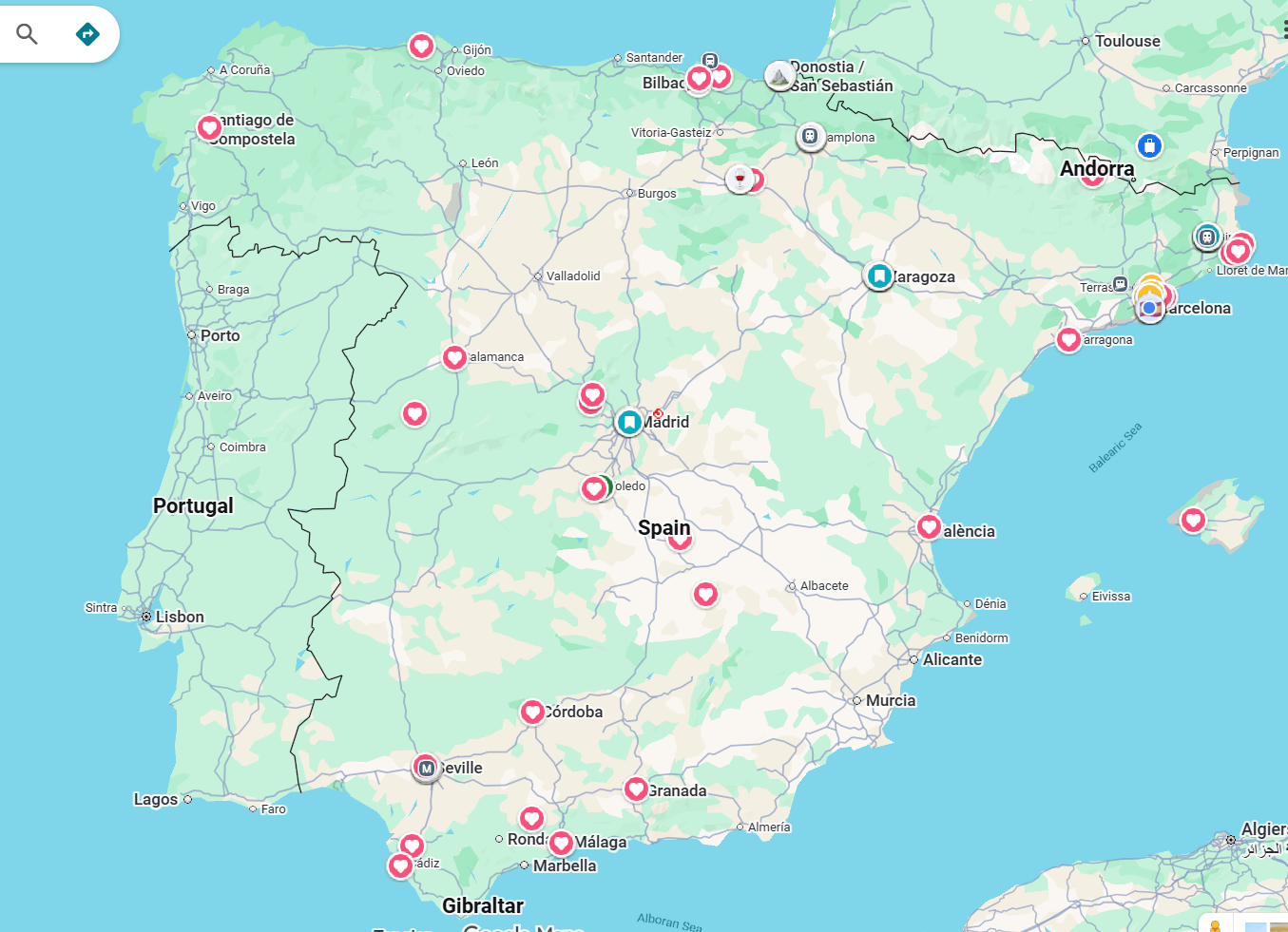
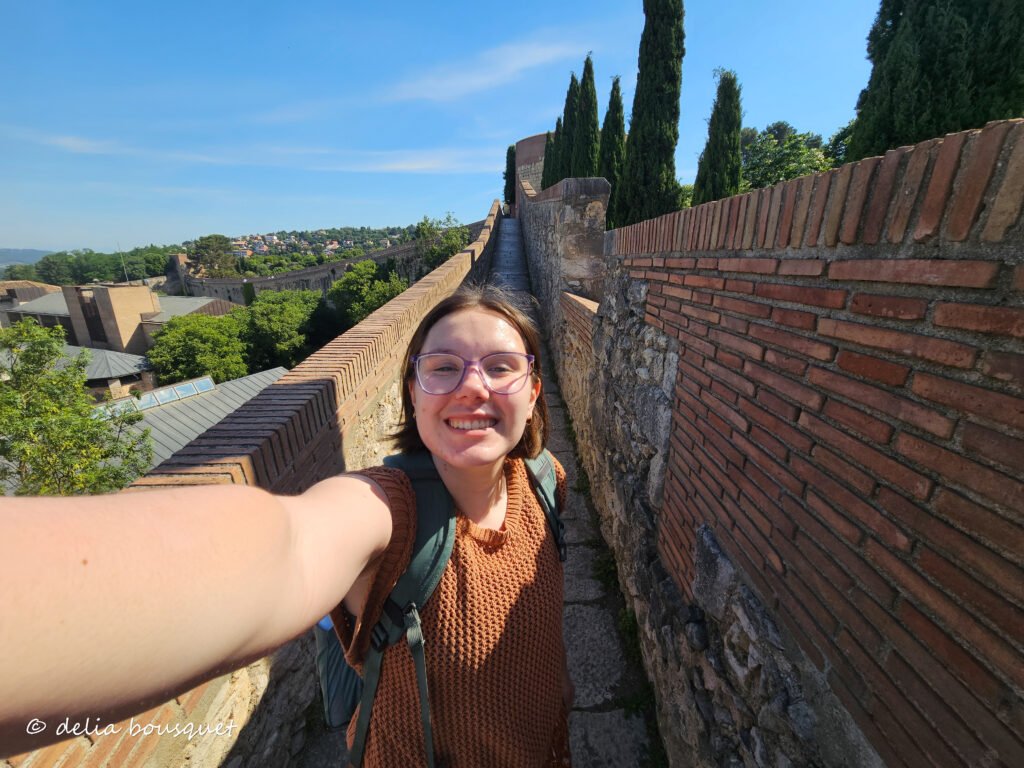
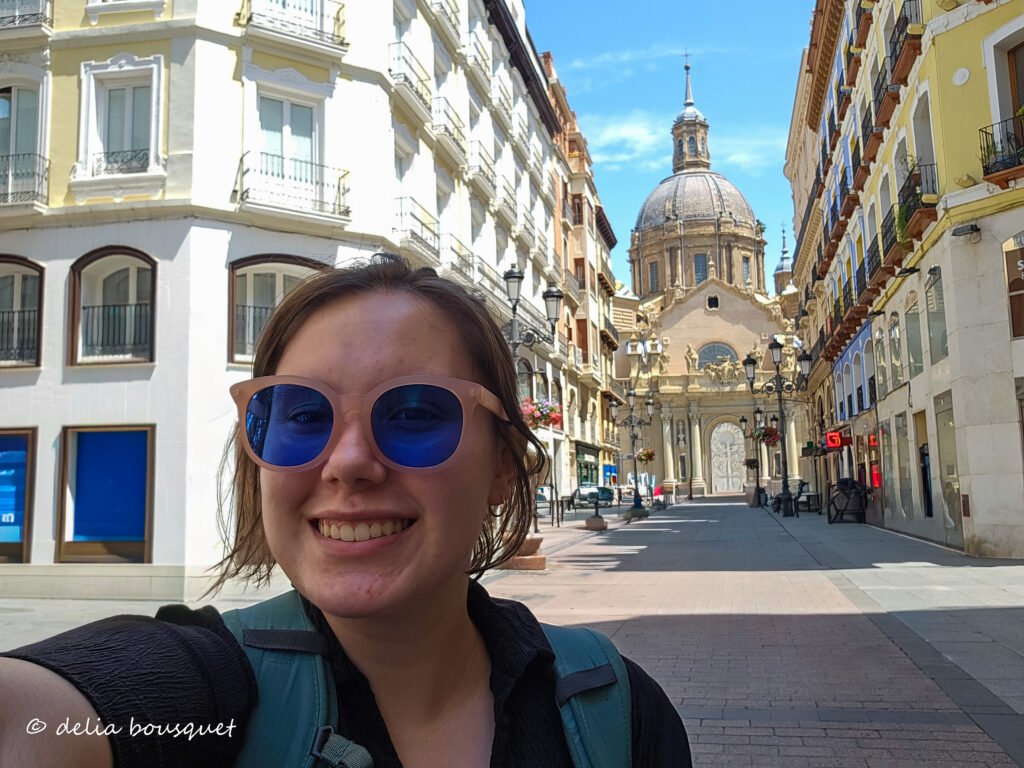
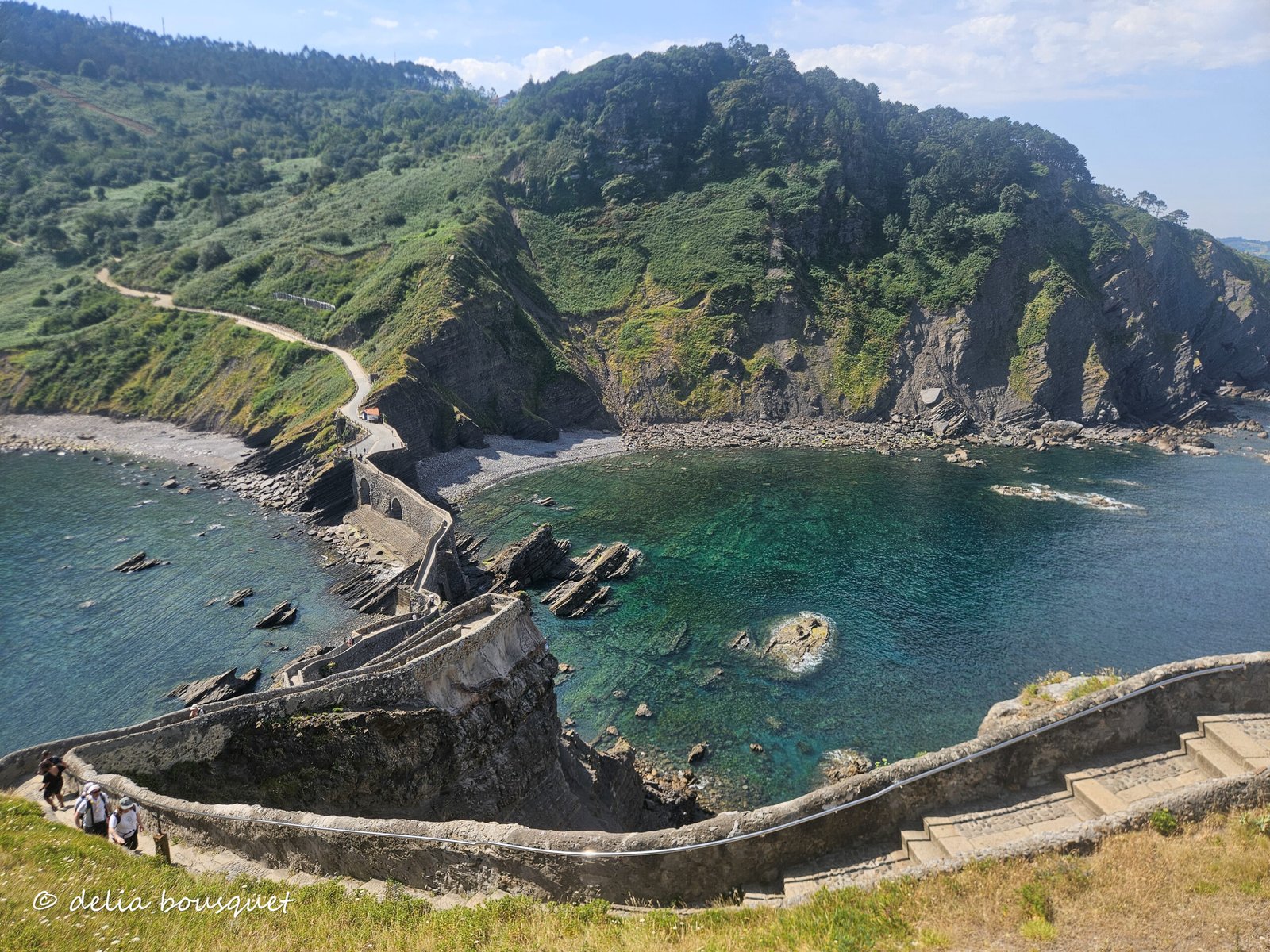
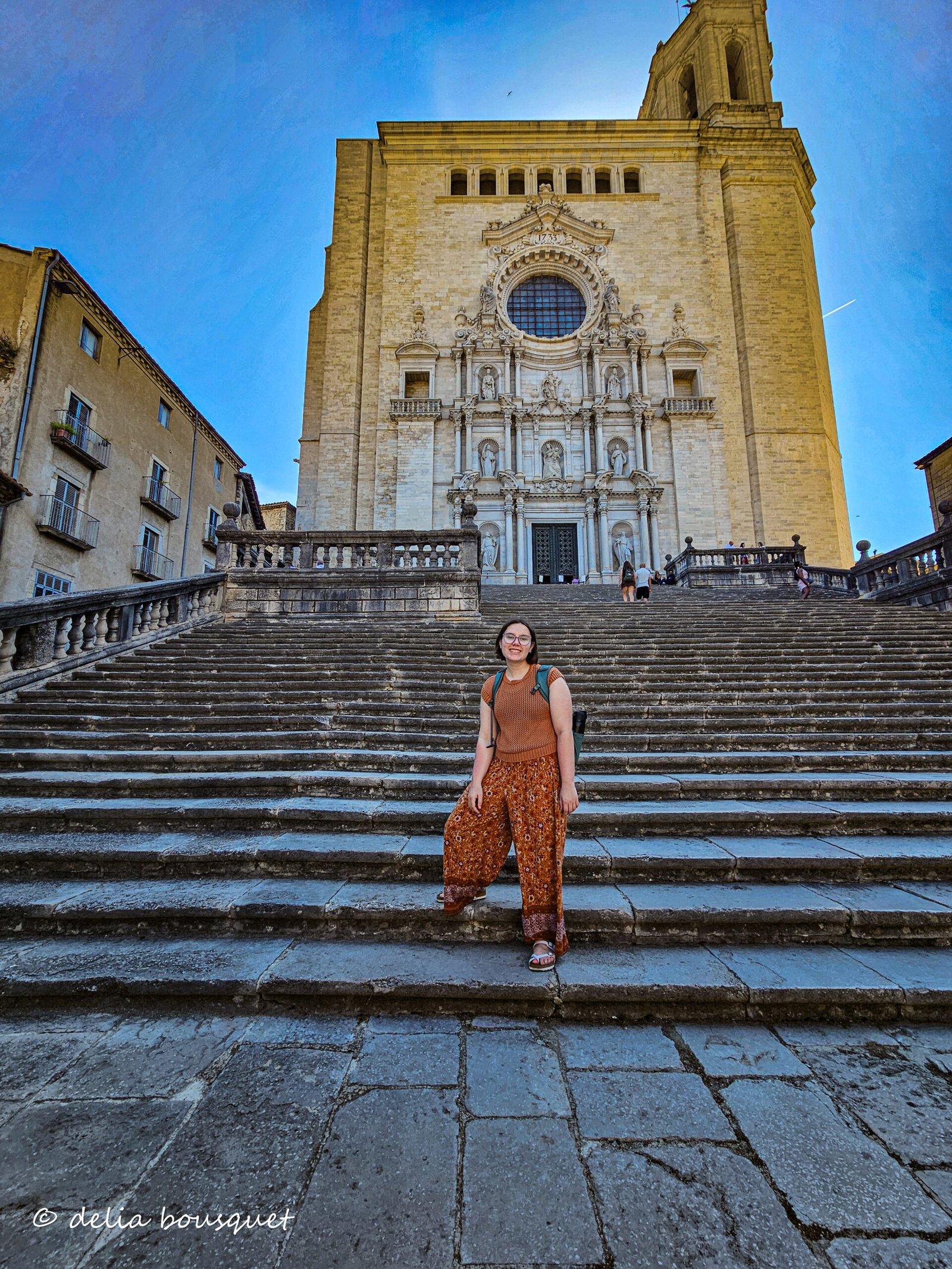
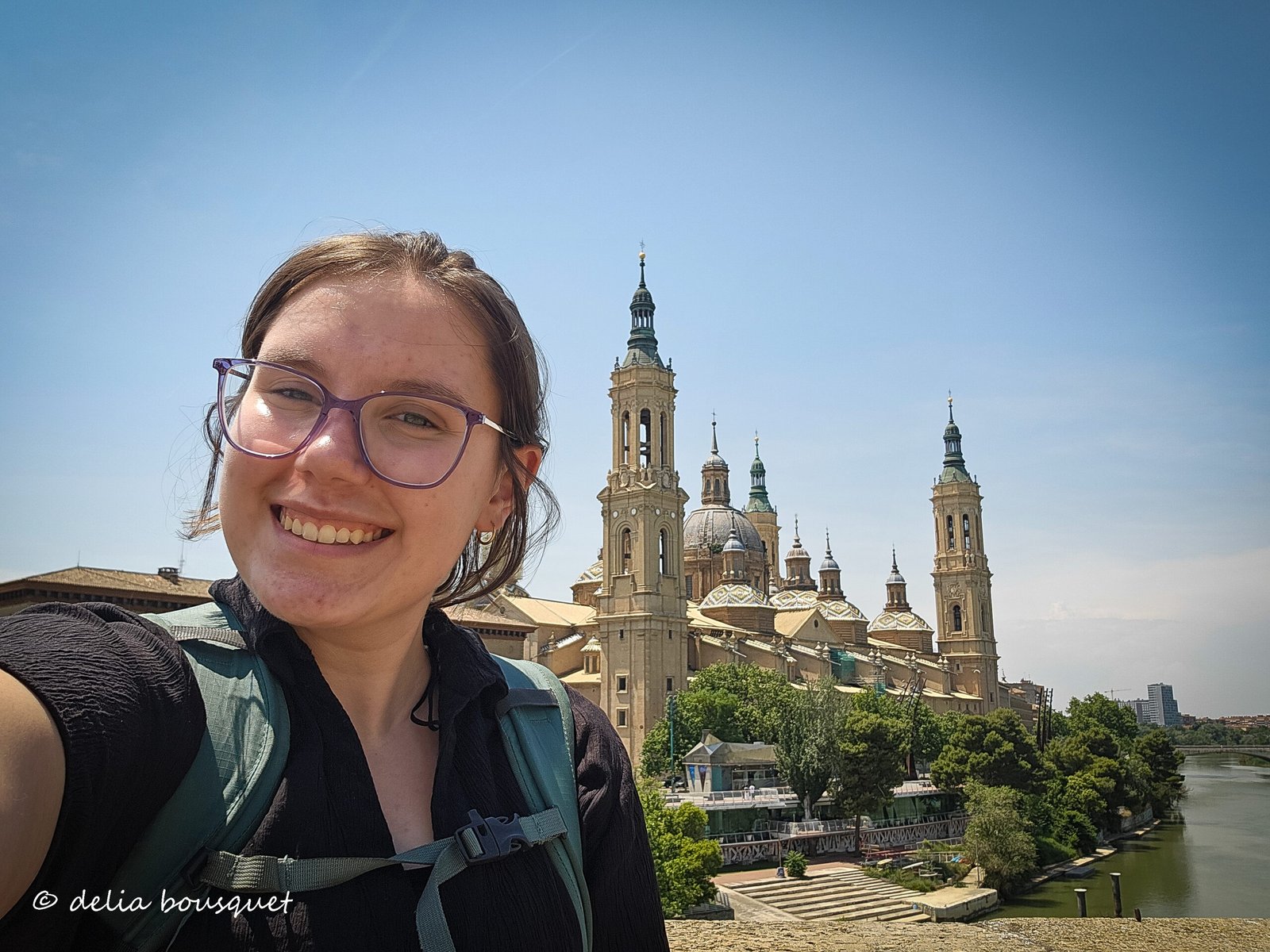
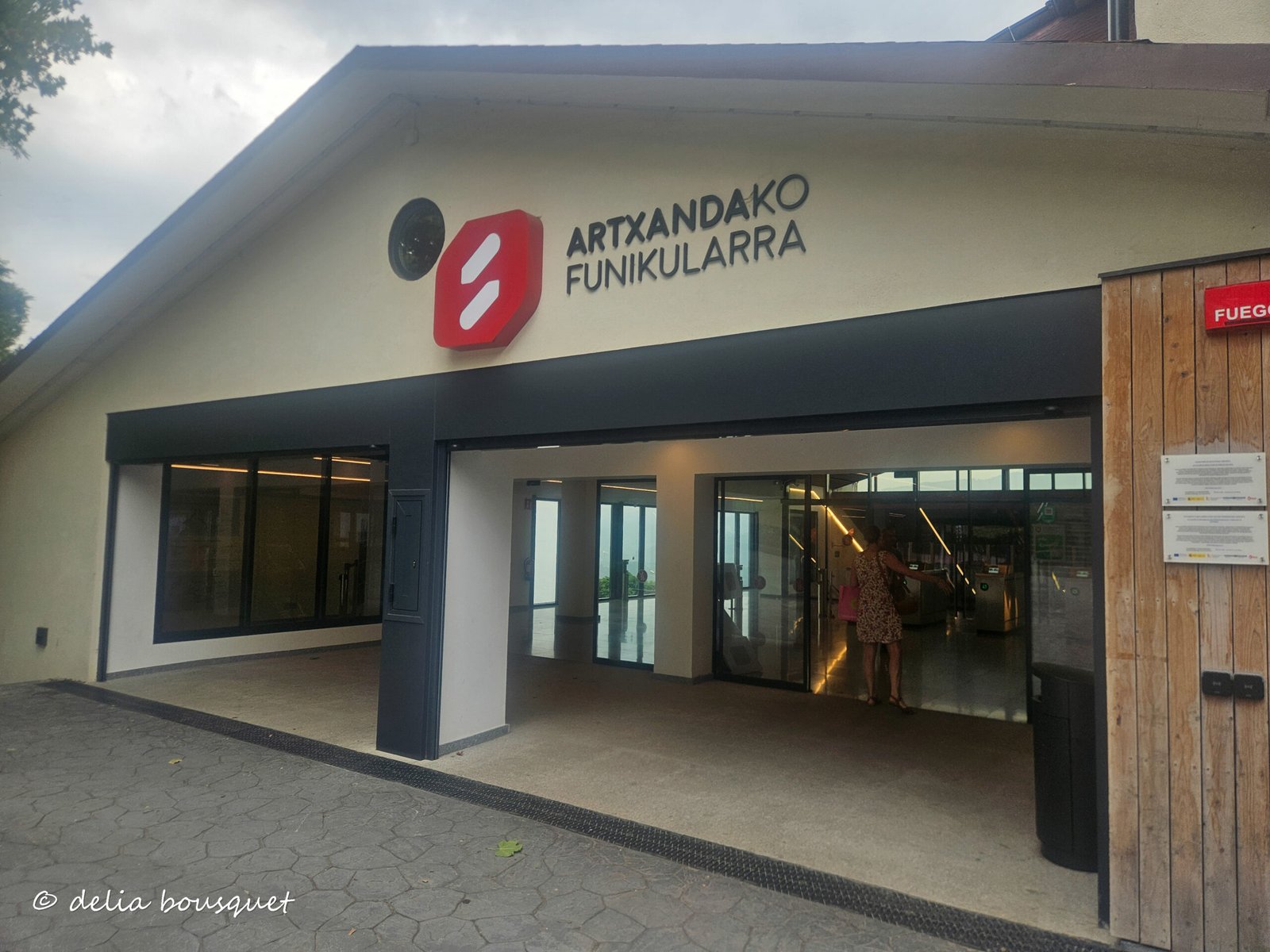
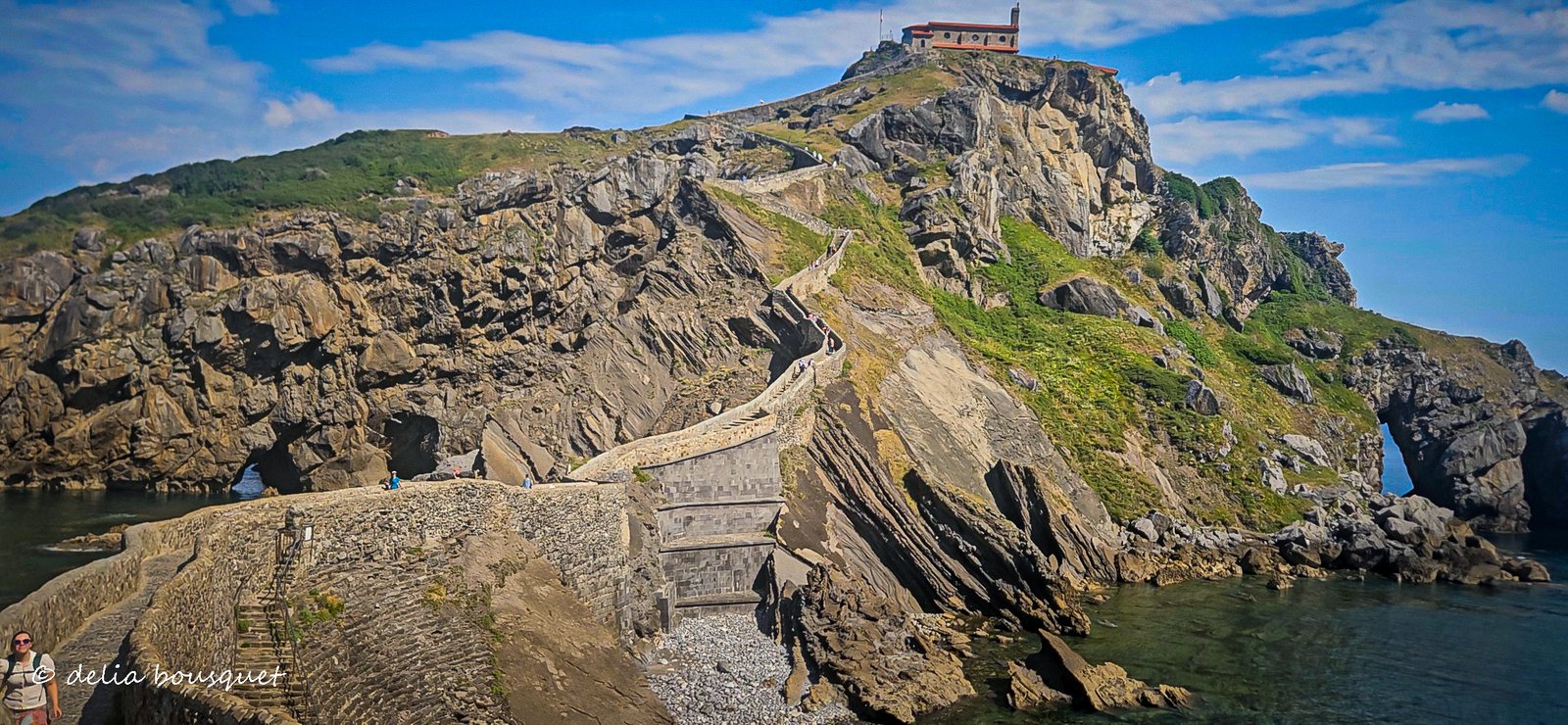
Our journey started at BCN El Prat with an epic battle against the new digital immigration system, before moving to a first internship where I did absolutely nothing for three weeks. From there, it was a whirlwind: to Girona to trace the Roman walls and order café amb llet in Catalan; to Zaragoza to take in the one cool church and the un-famous bridge; to Montserrat (verdict: overrated); and to San Sebastián/Donostia, where I ate like royalty. I traveled to Logroño to sample the absolute best of Spain’s wine country; to Pamplona to explore the rugged mountains and historic streets; and to Tibidabo for a surprisingly fun work trip with my new internship. I even detoured to Paris, where I embraced the full Emily in Paris experience in punishing 35°C heat, before returning to my apartment for a completely solo Sant Joan party. Finally, I made it to Bilbao and Gaztelugatxe to soak in the raw, natural beauty of the Basque Country; to Oviedo for some flat cider; and ultimately to Montjuïc to watch the Tour de France and score a free promotional t-shirt.
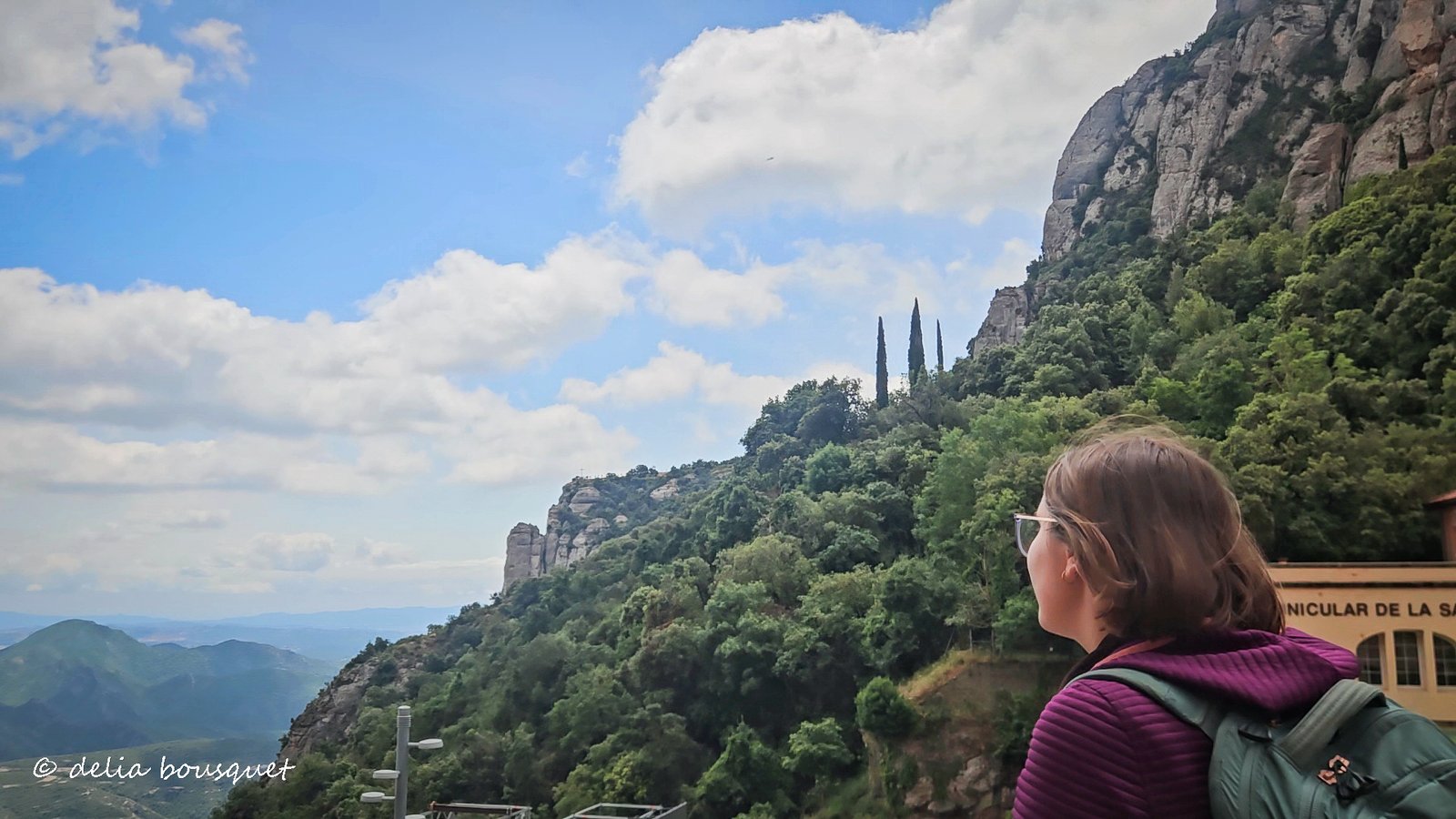
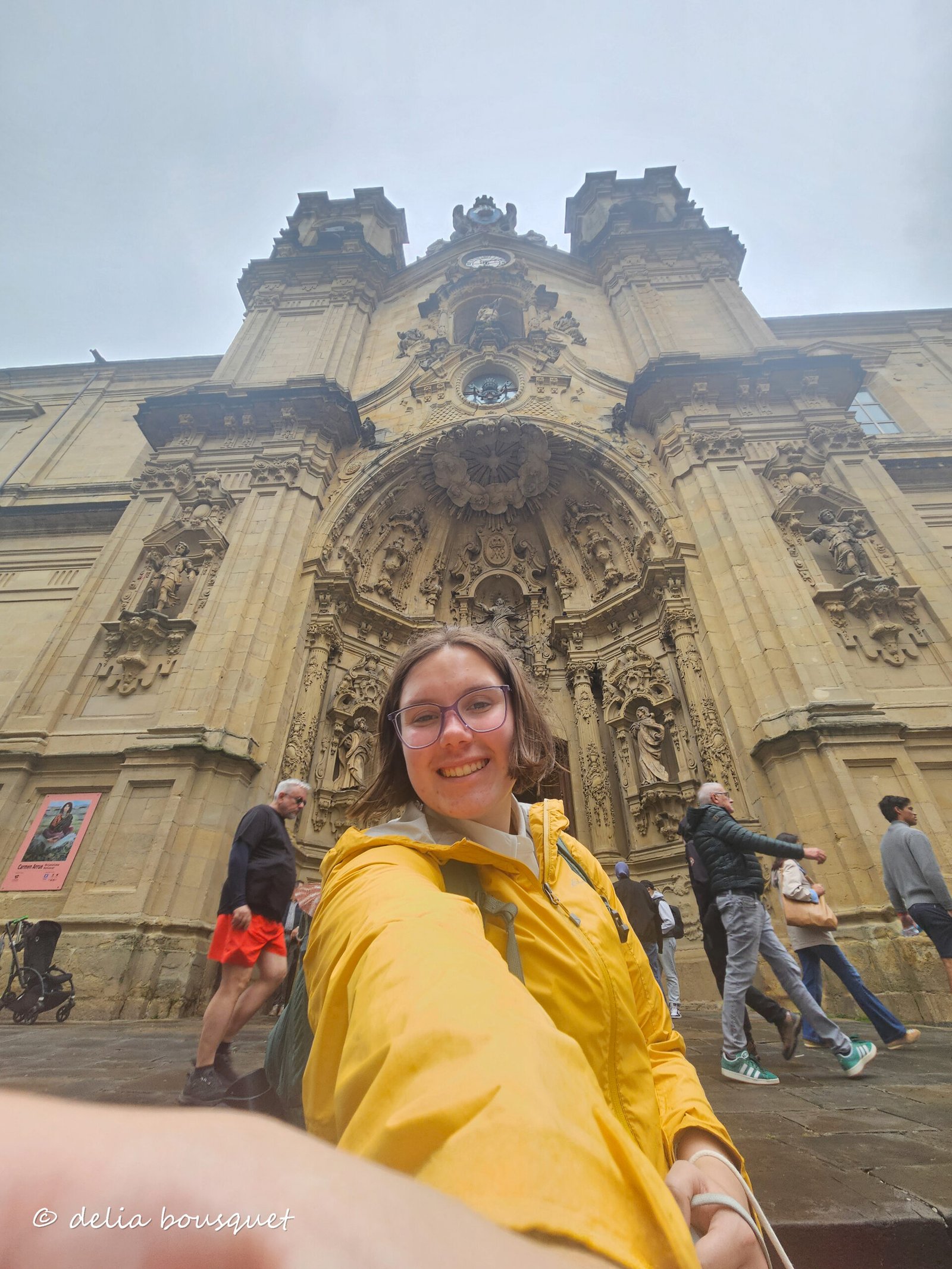
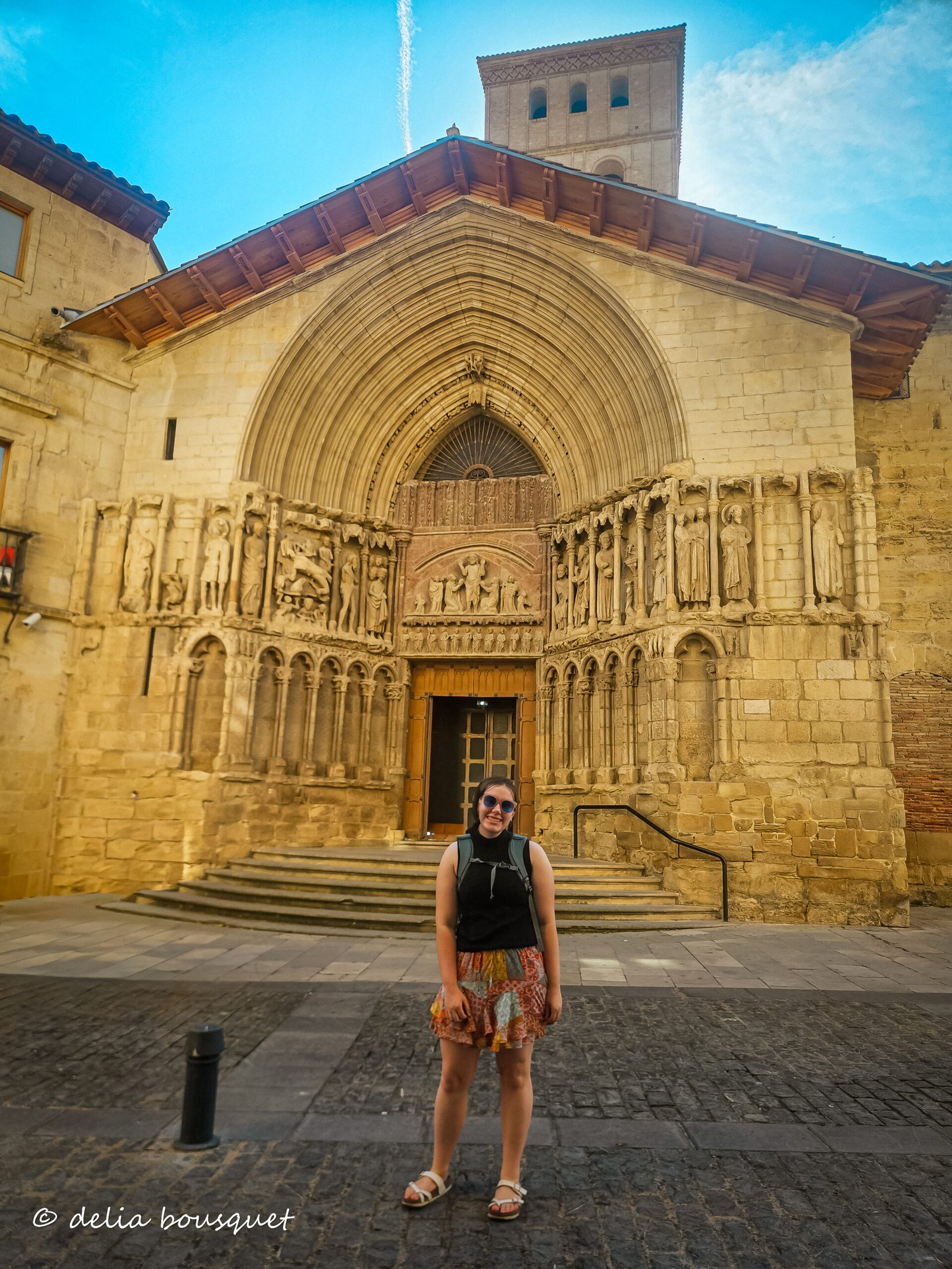
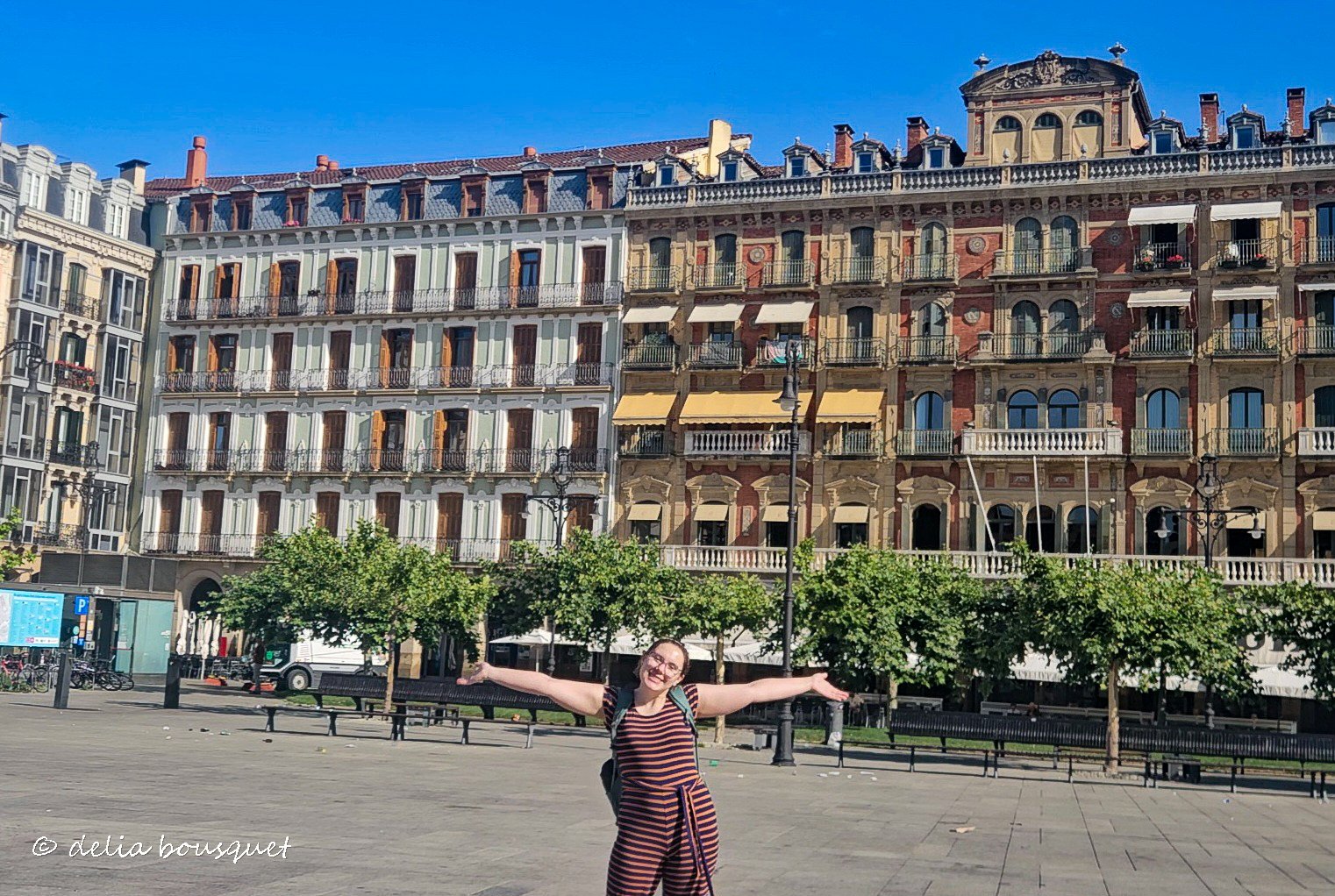
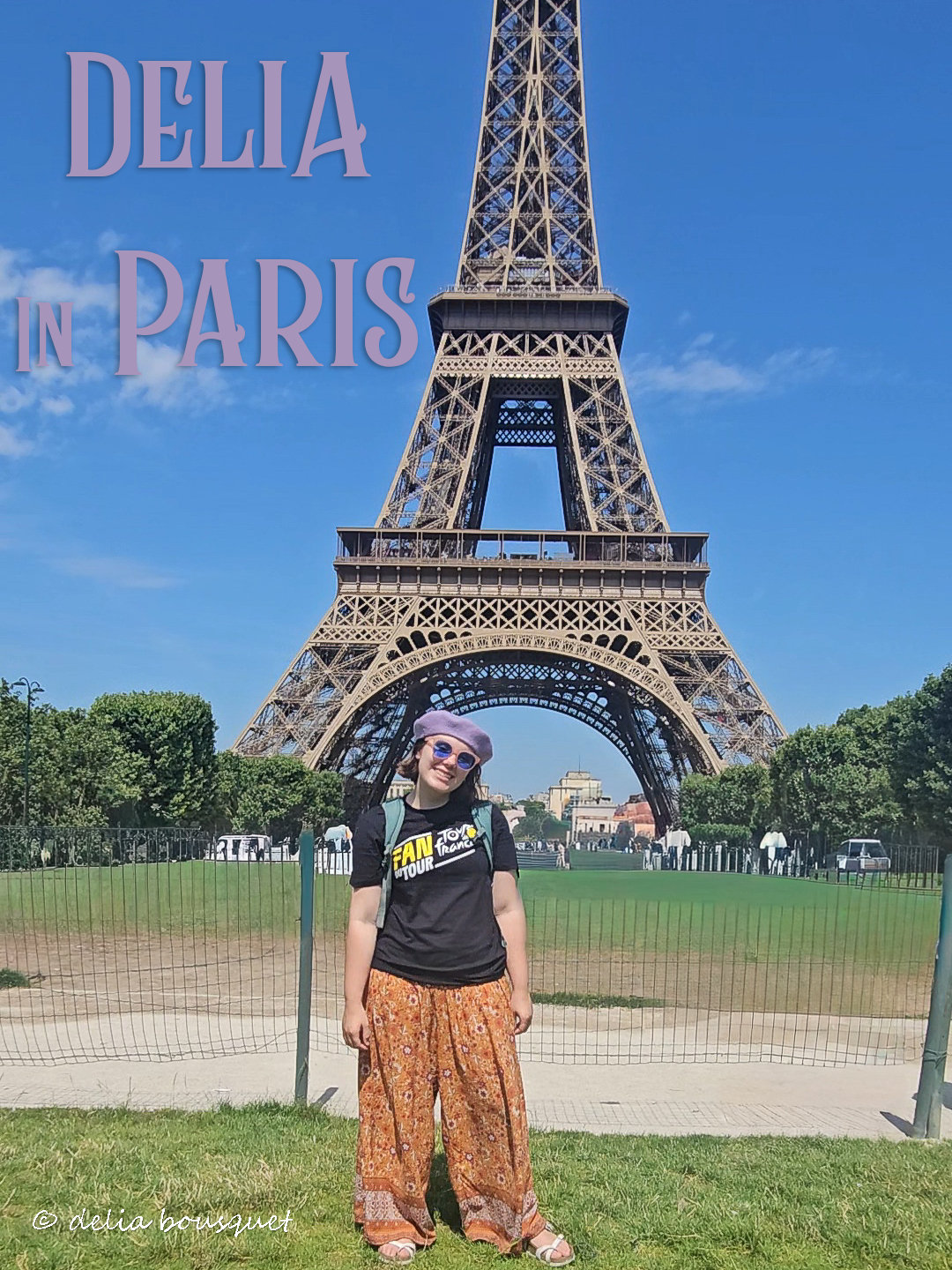
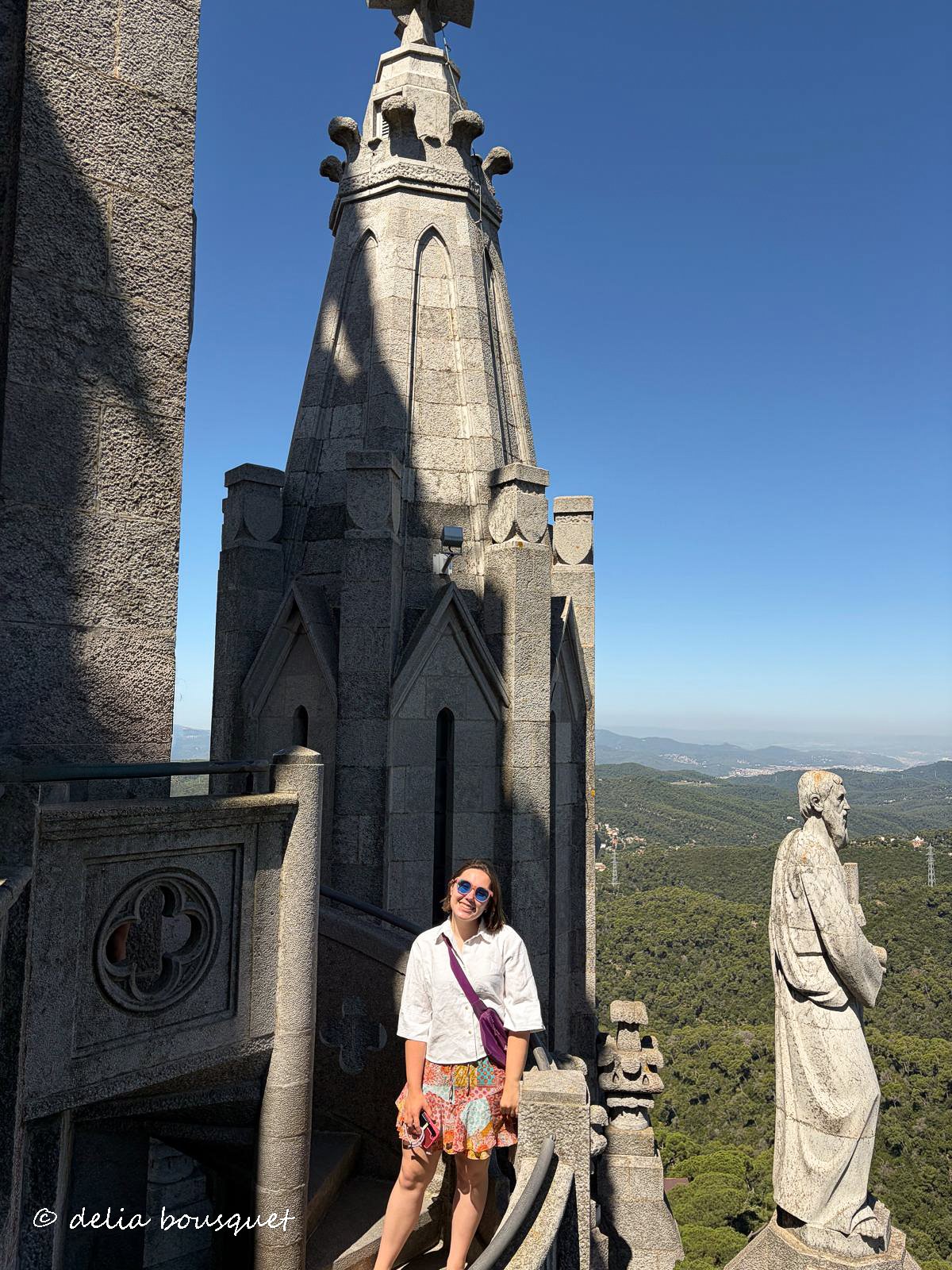
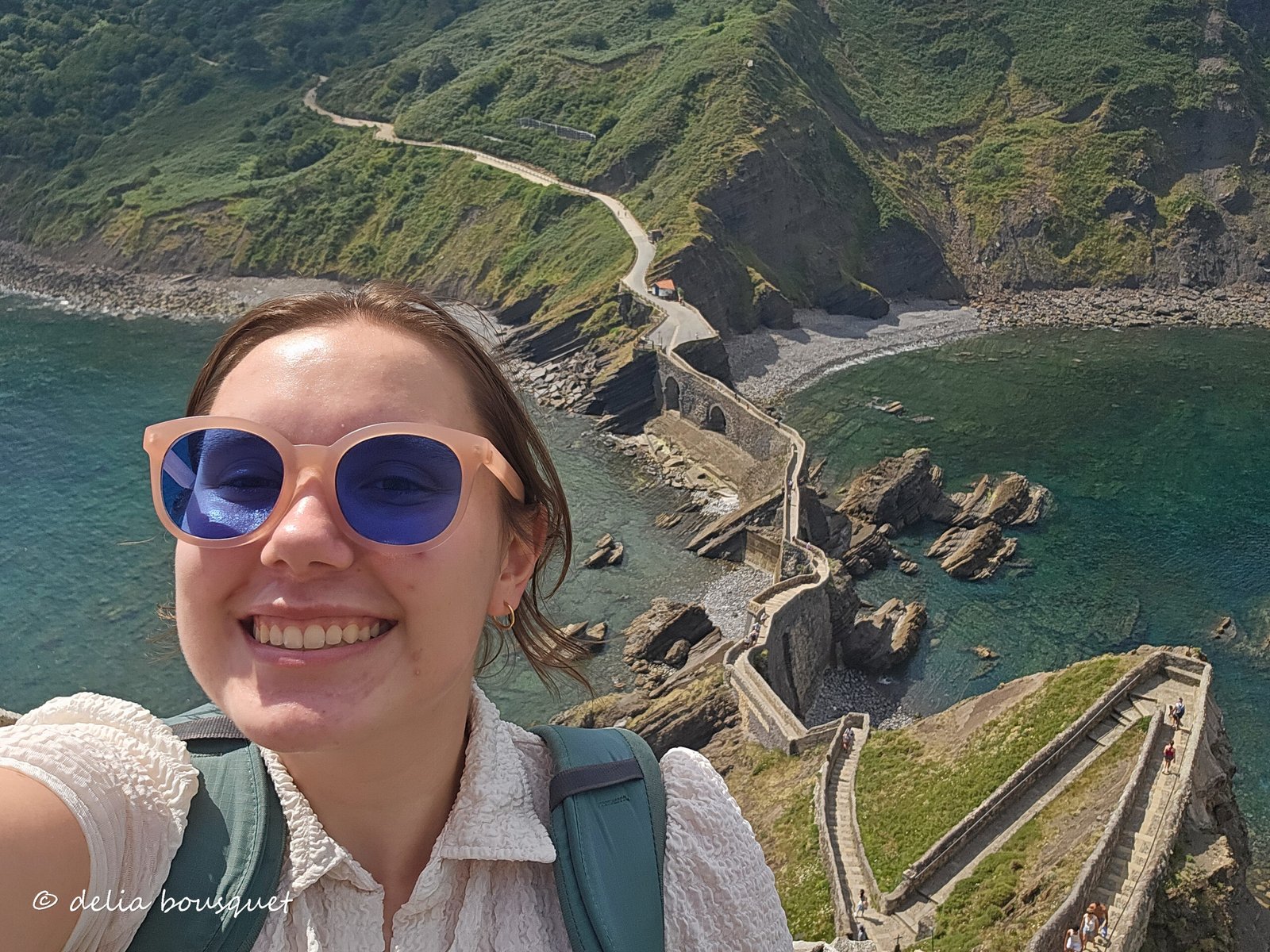
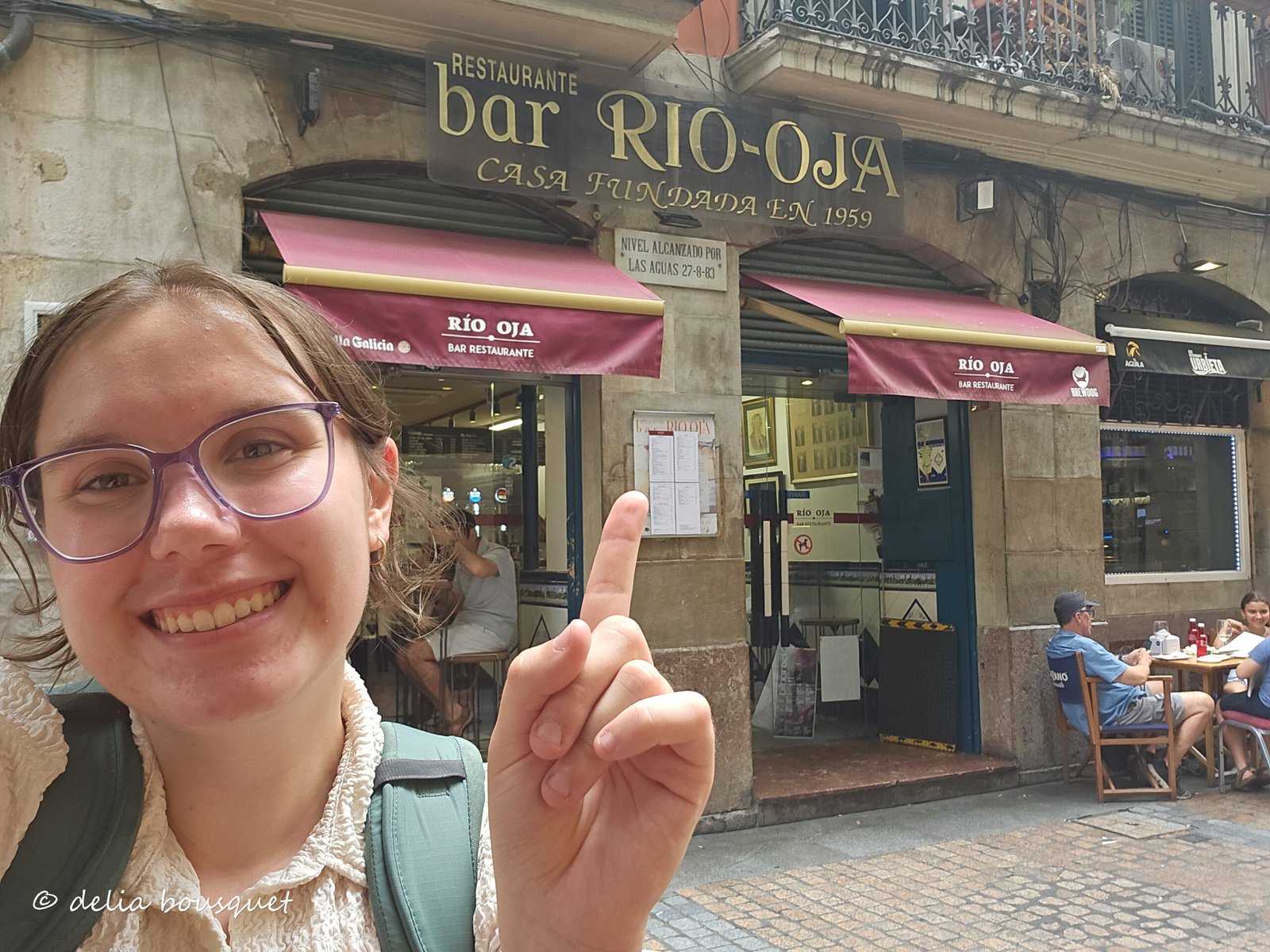
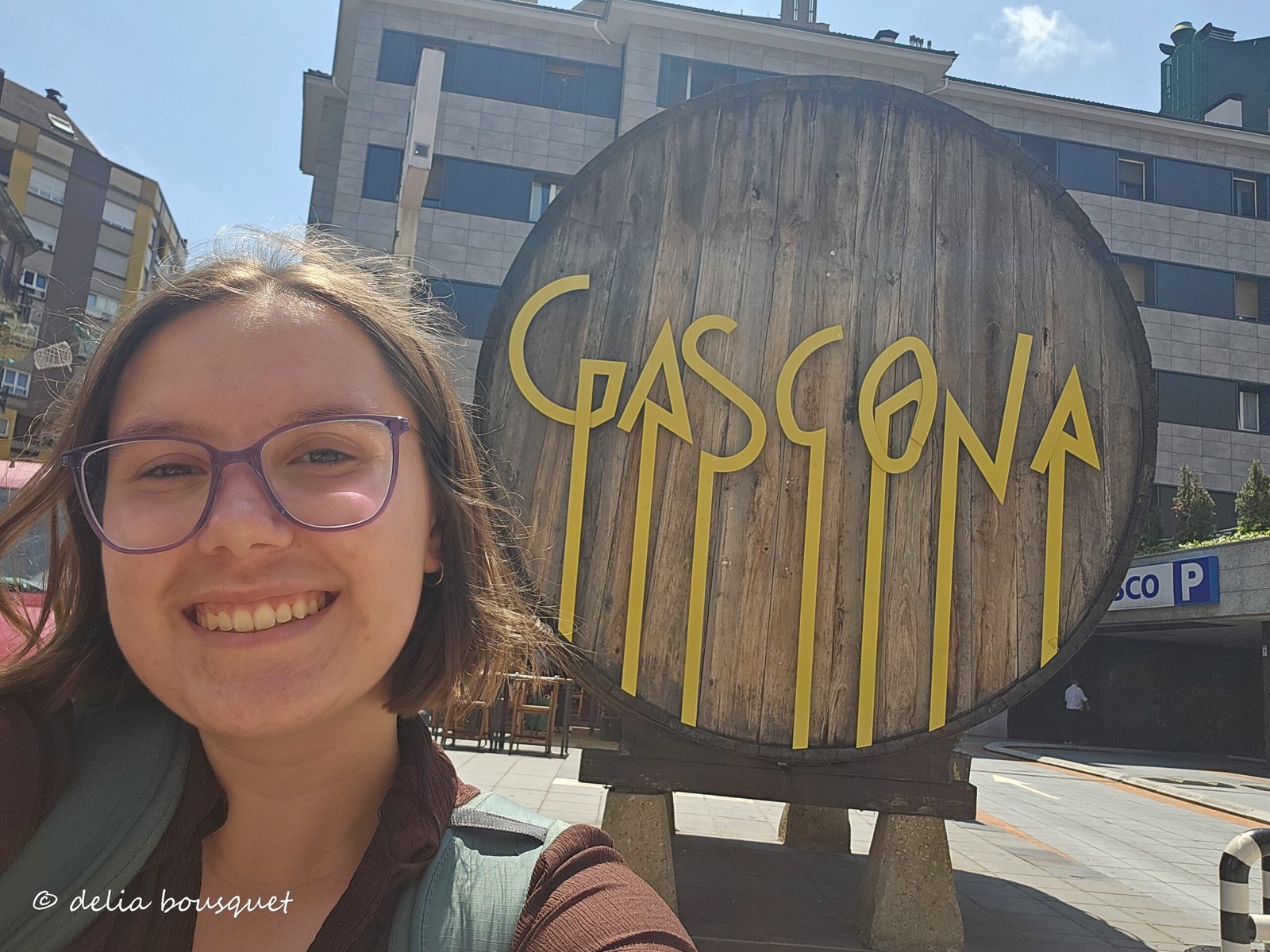
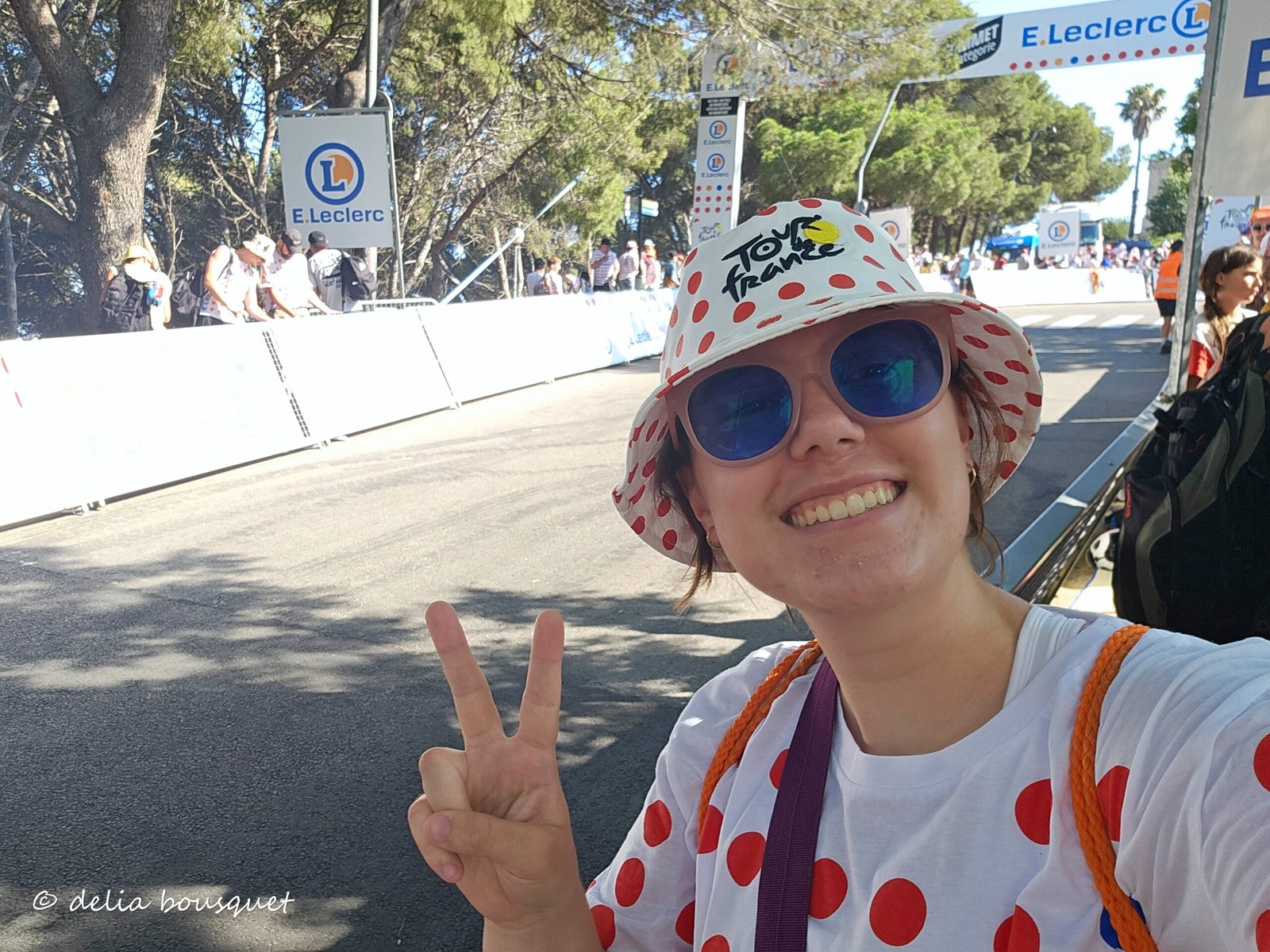
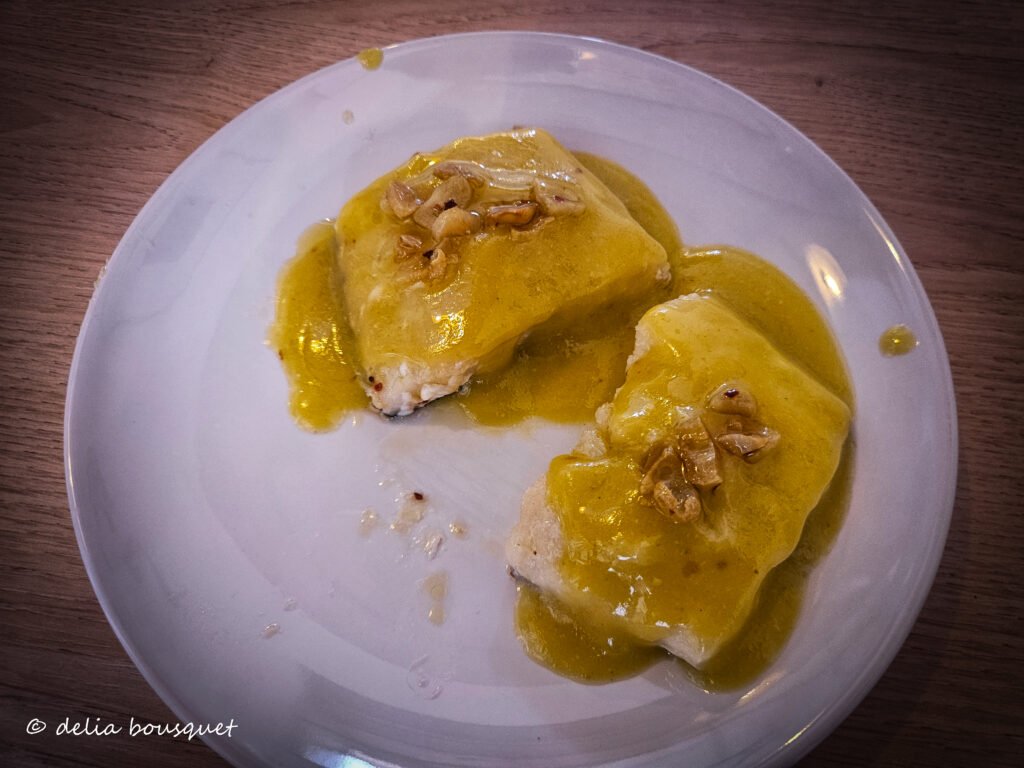
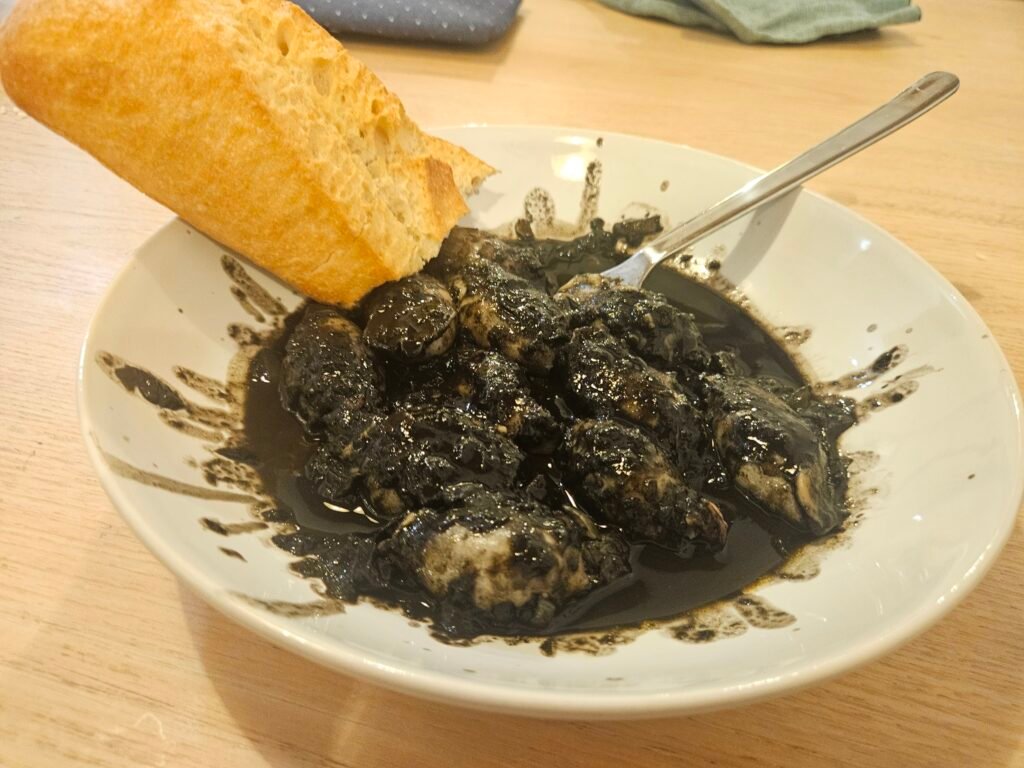
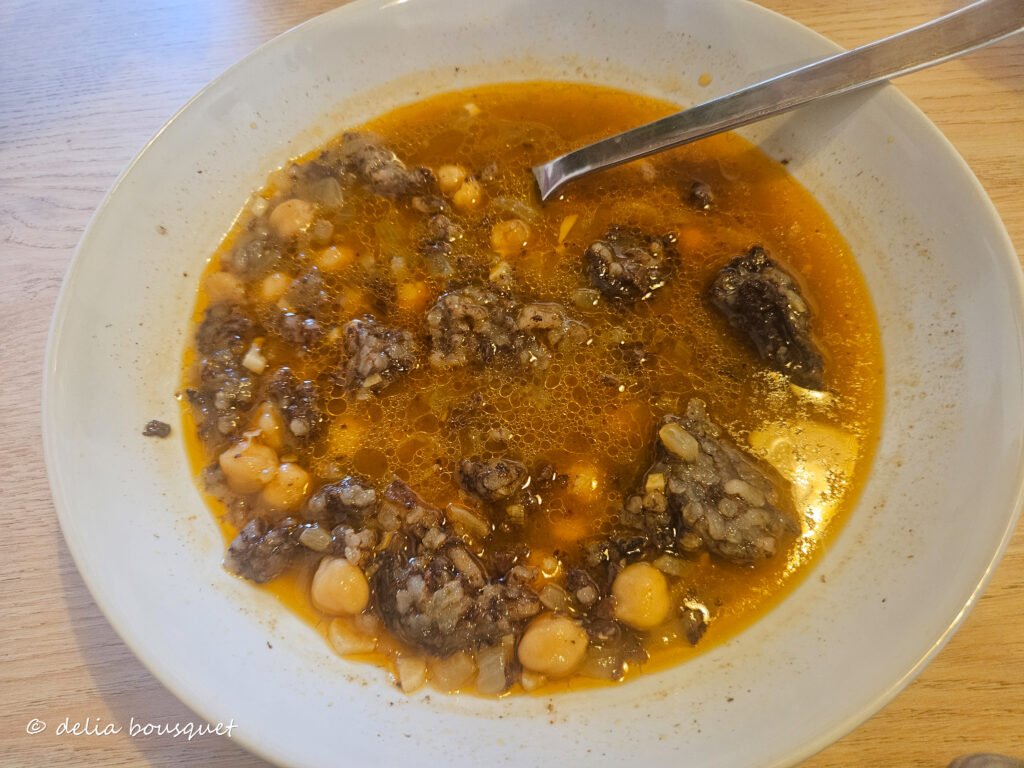
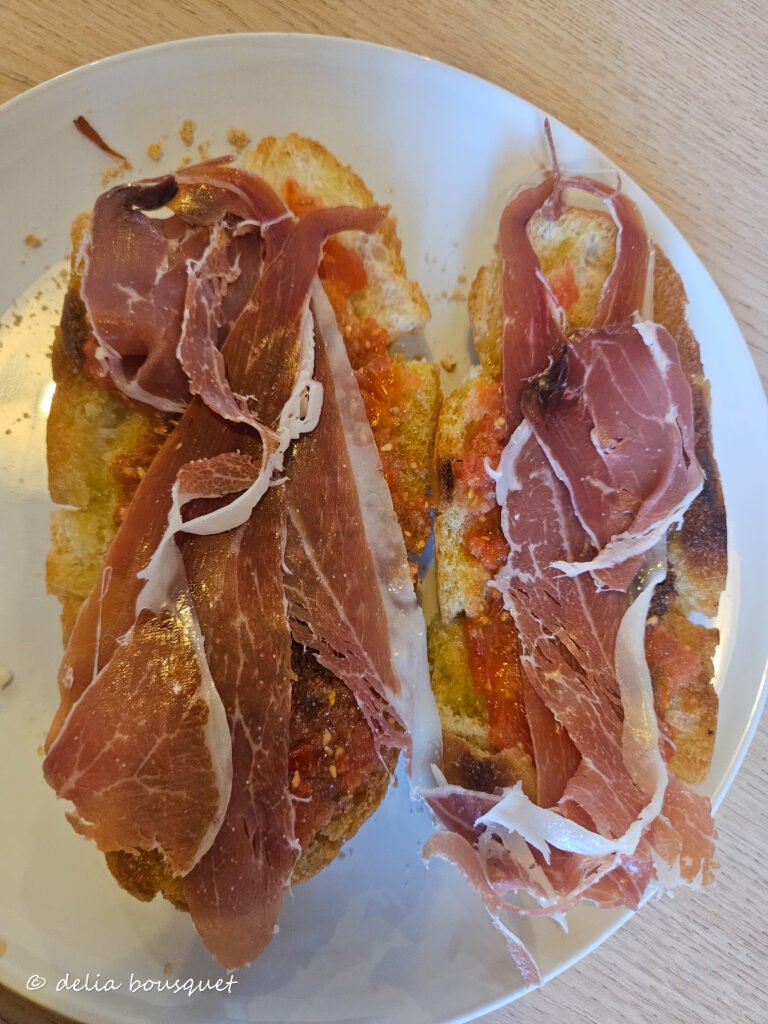
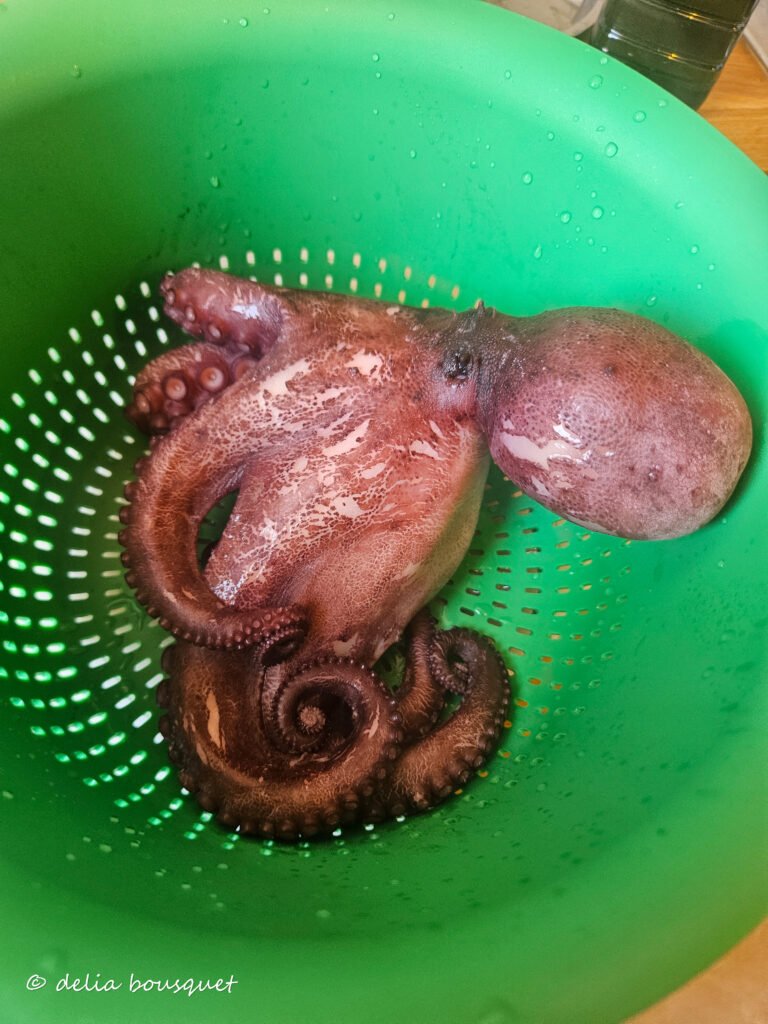
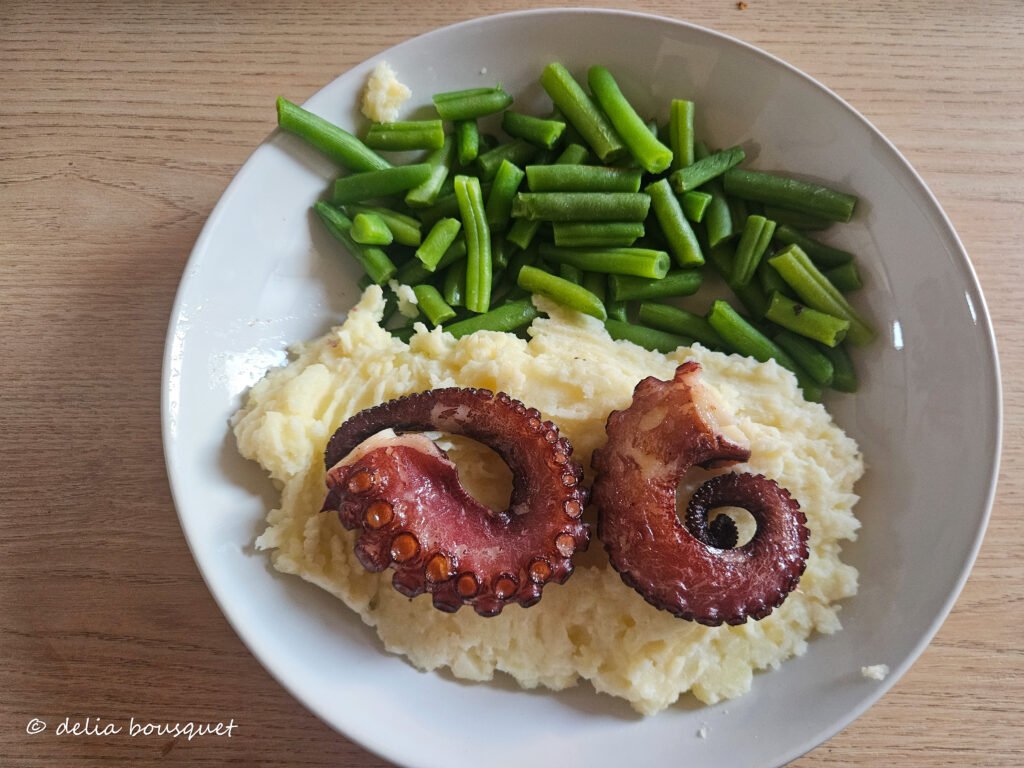
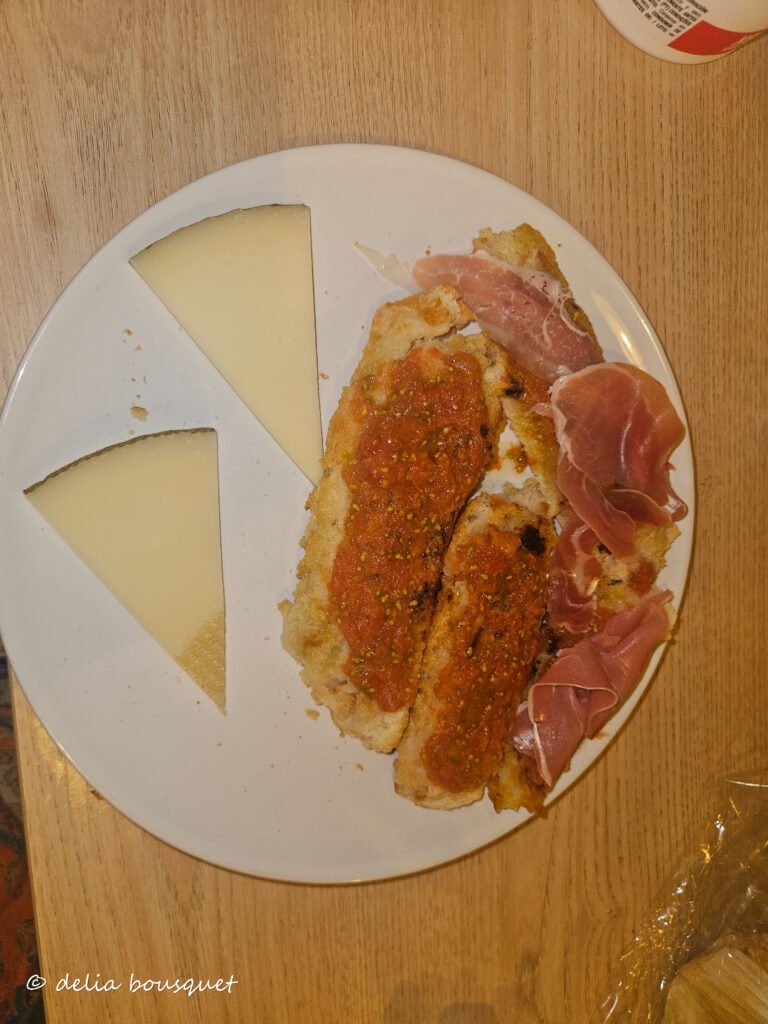
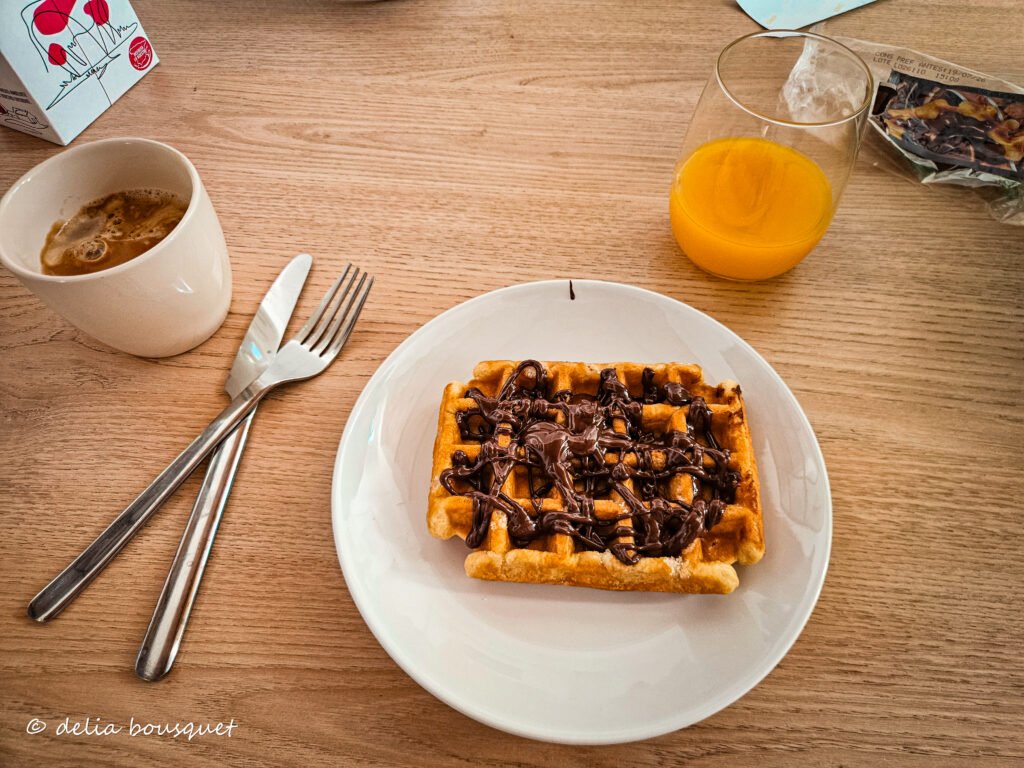
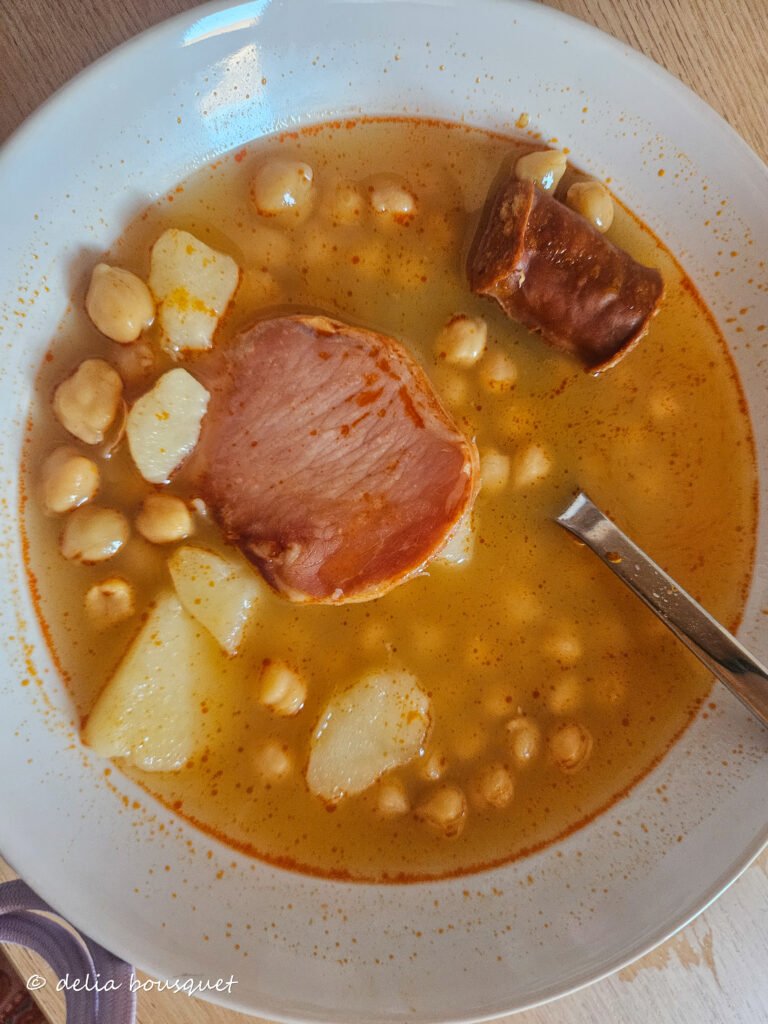
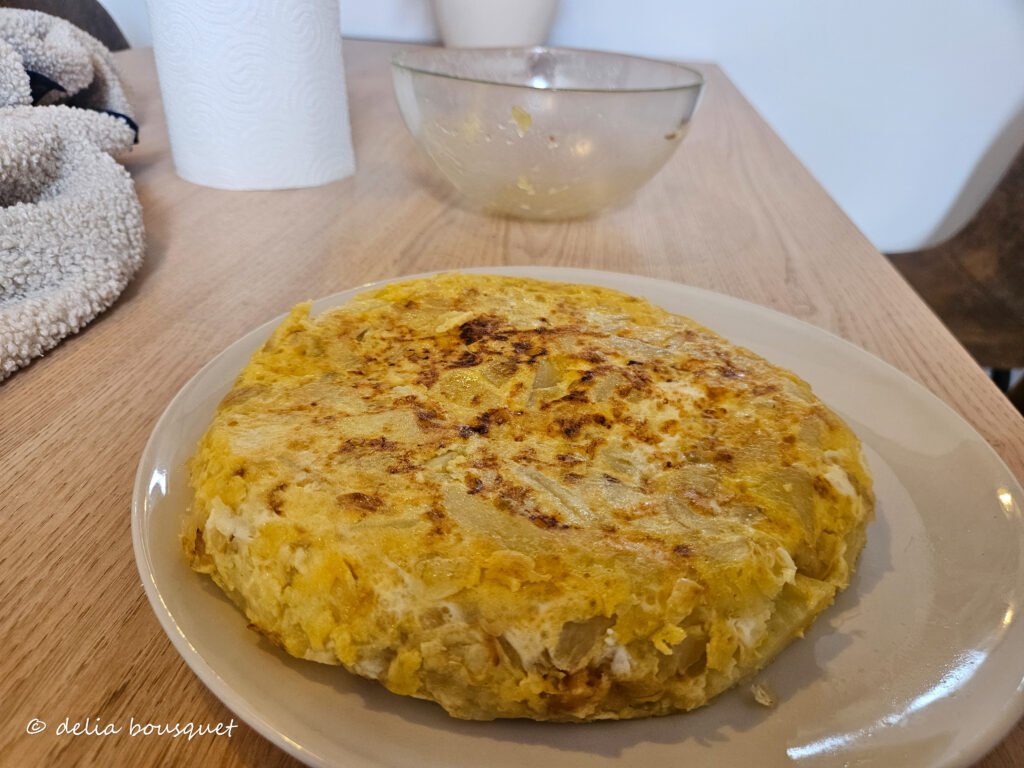
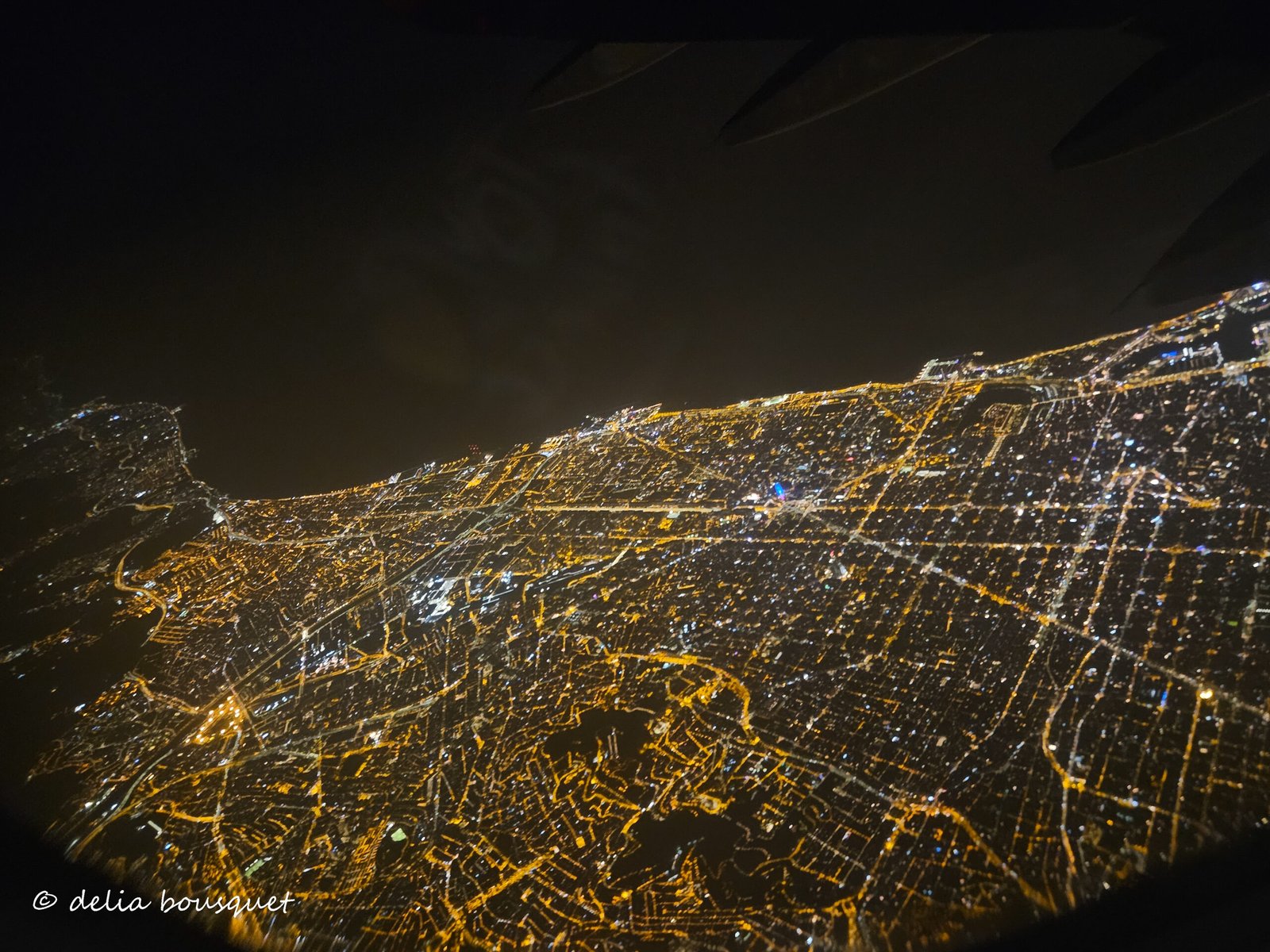
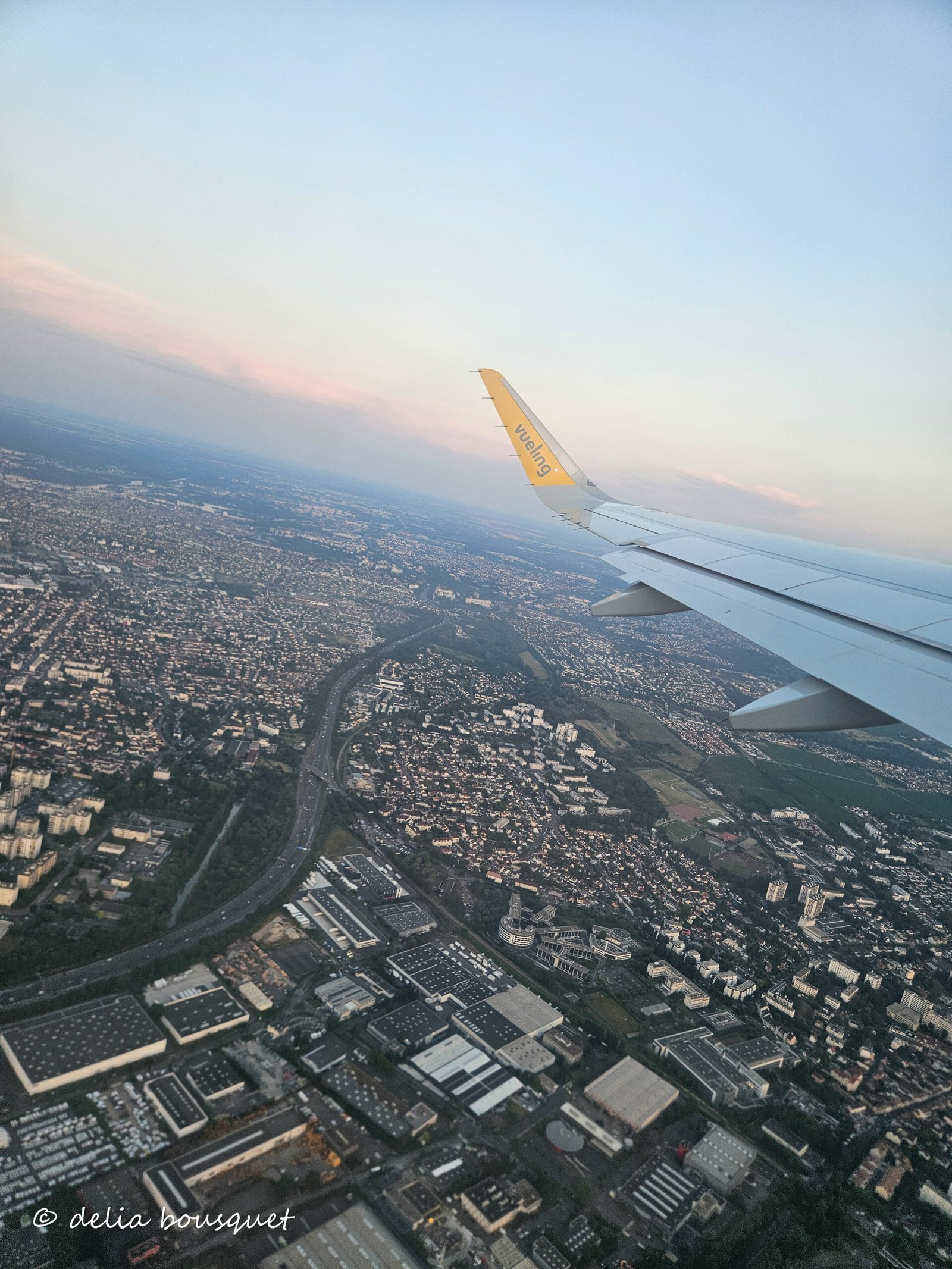
Over the course of these months, I cleaned up dirty razors, cooked octopus, drove F1 simulators, and scaled mountains. I visited exactly ten different Mercadonas, battled a hostile study abroad agency, wore purple berets, painted pottery, wandered through world-class museums, ran 10Ks, and watched eggs dance in fountains. To make it all happen, I survived six flights, two Cercanías commuter trains, three high-speed trains, two Cabify rides, three funiculars, four grueling overnight buses, and too many local bus and metro routes to count. On the culinary front, I devoured octopus, authentic paella with snails, tortilla, shrimp, squid cooked in its own ink, cod slow-cooked in its own fat, endless regional stews, and more pa amb tomàquet than I could ever possibly quantify.
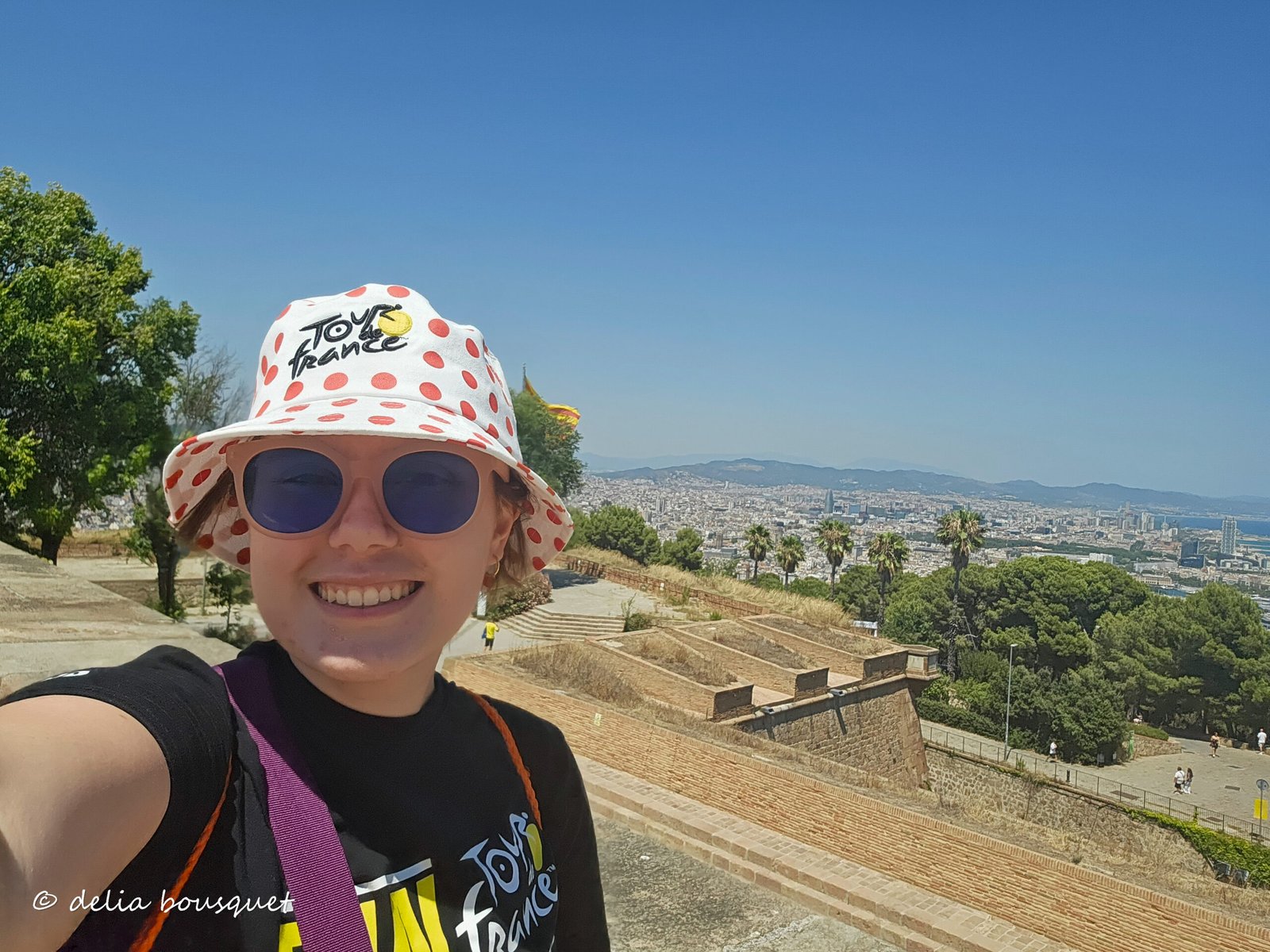
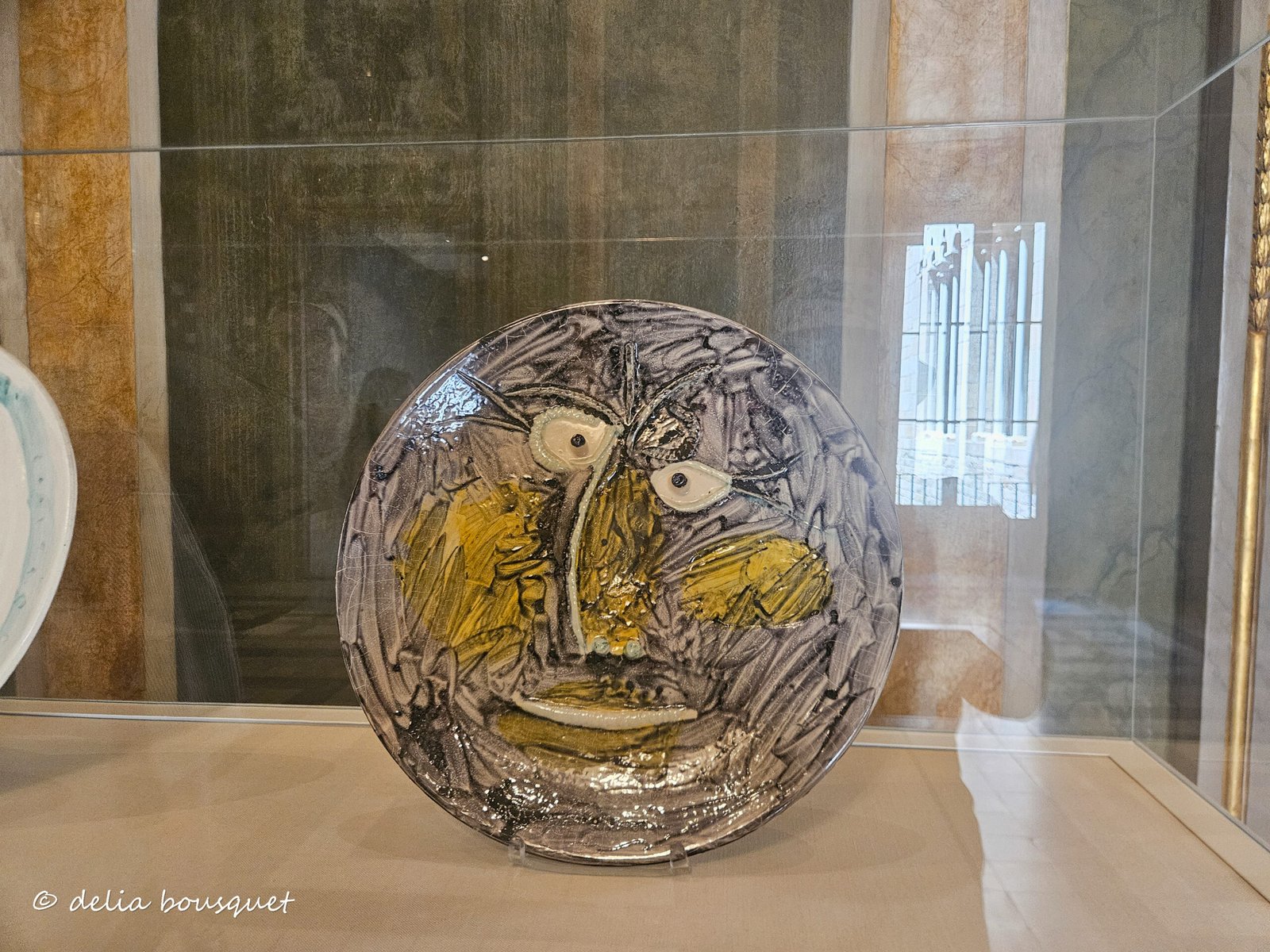
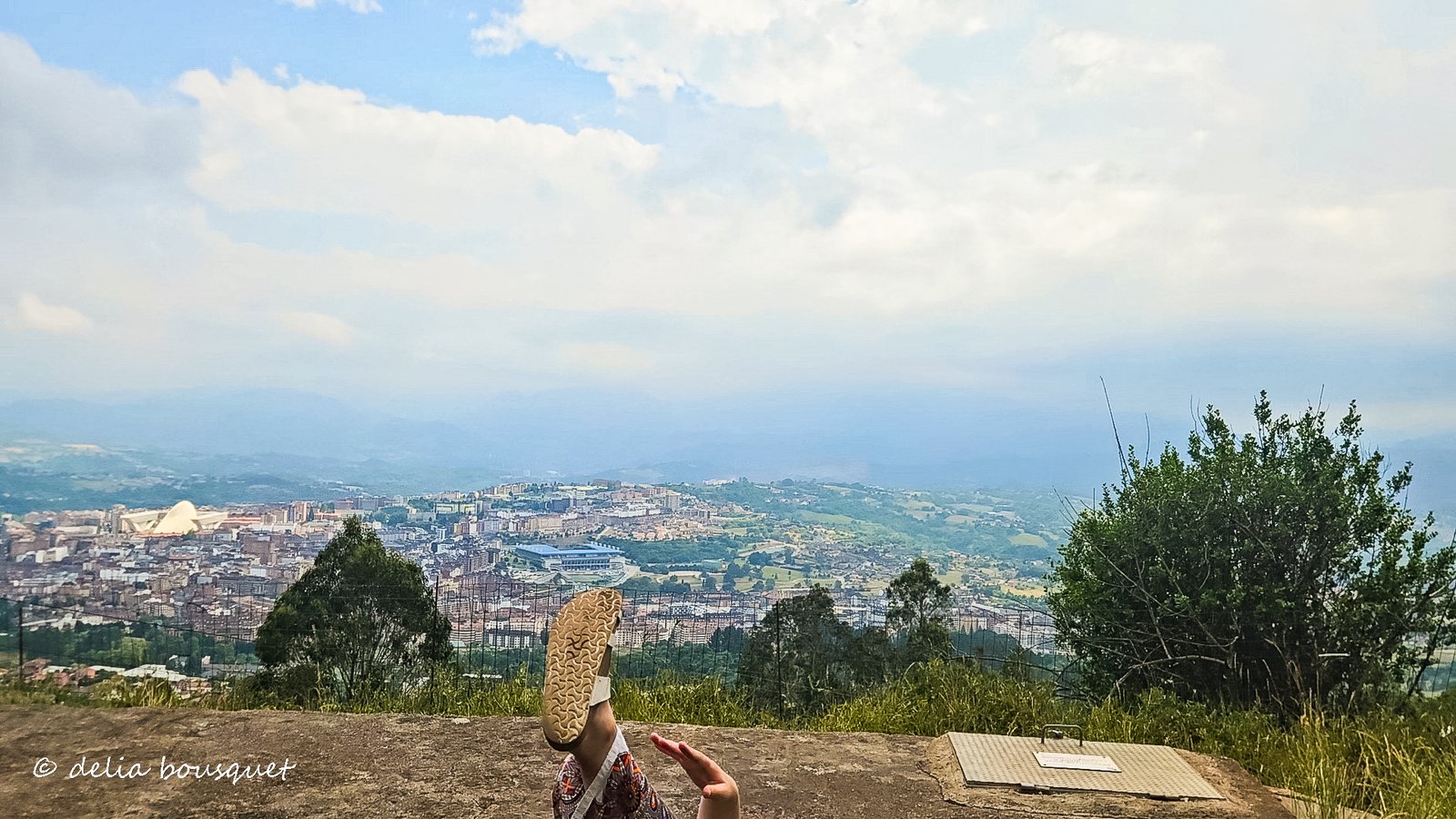
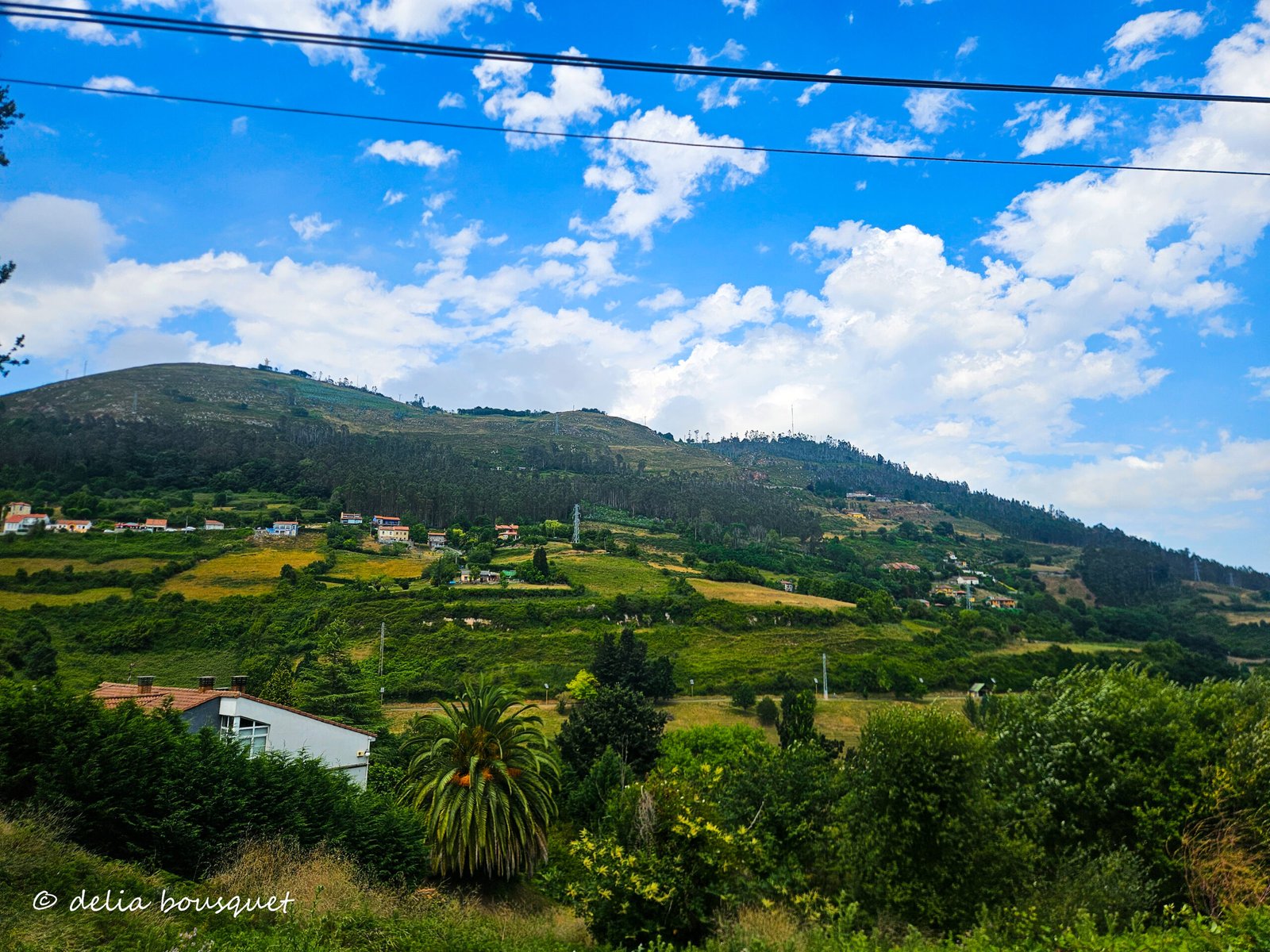
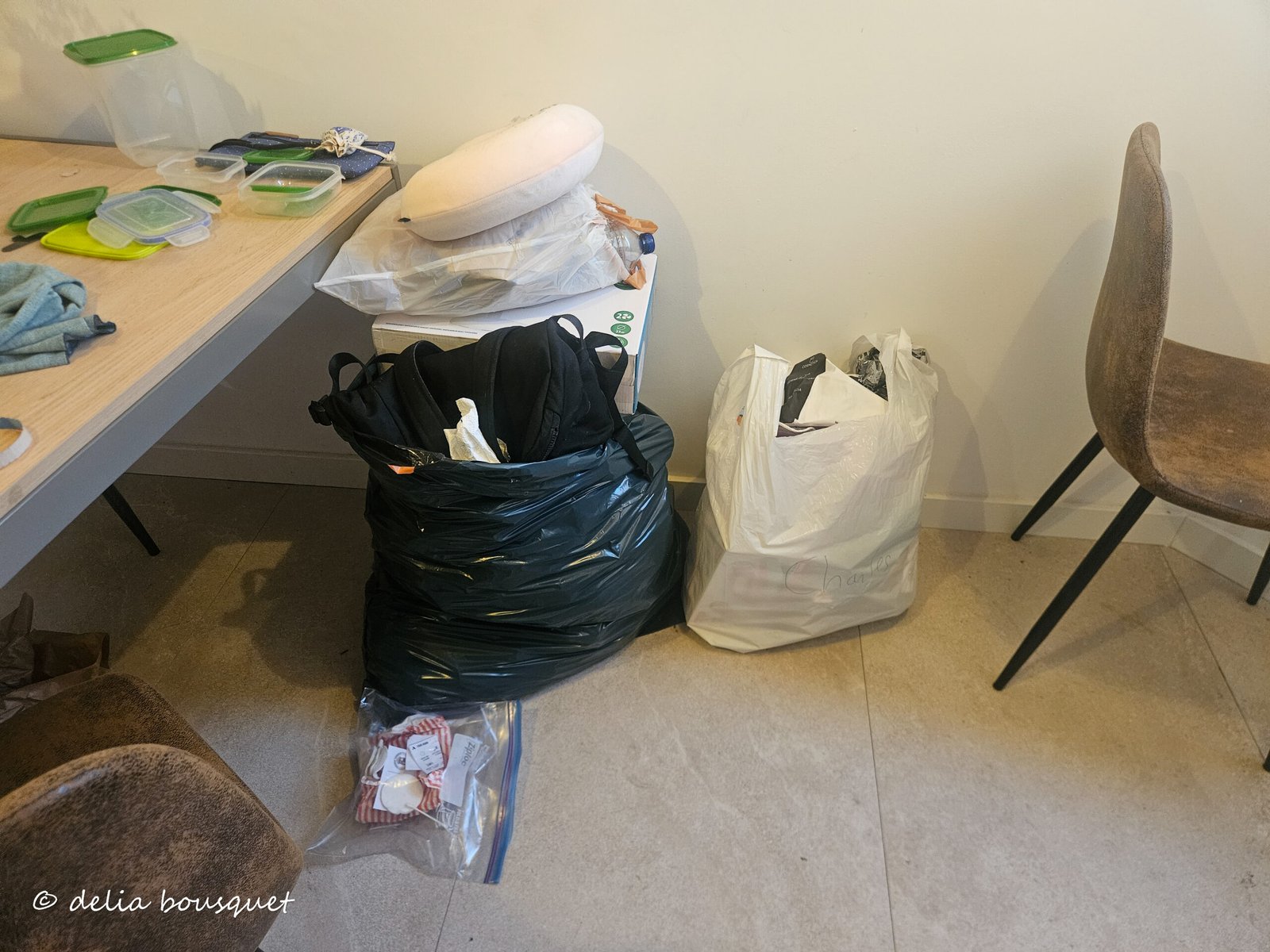
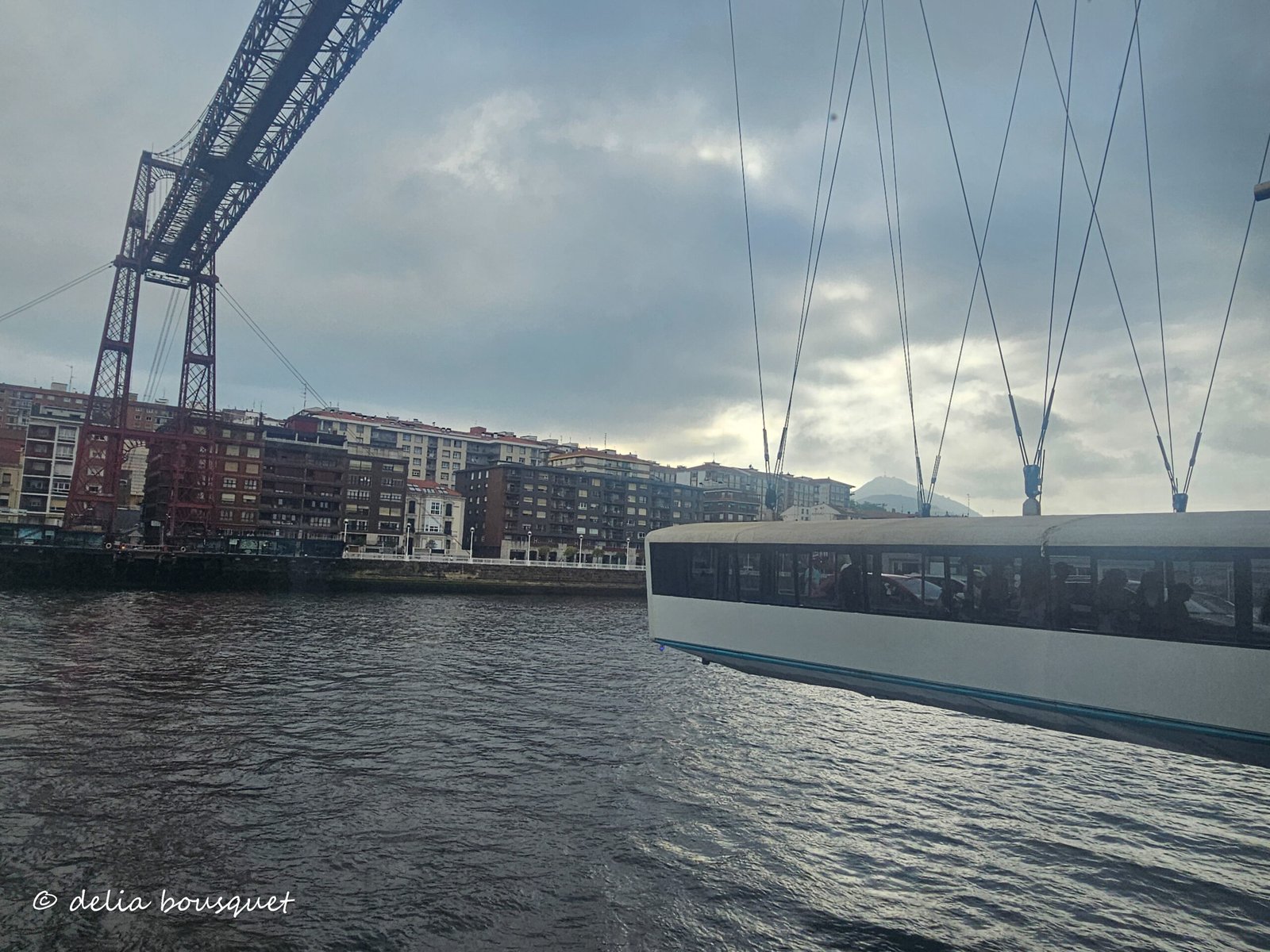
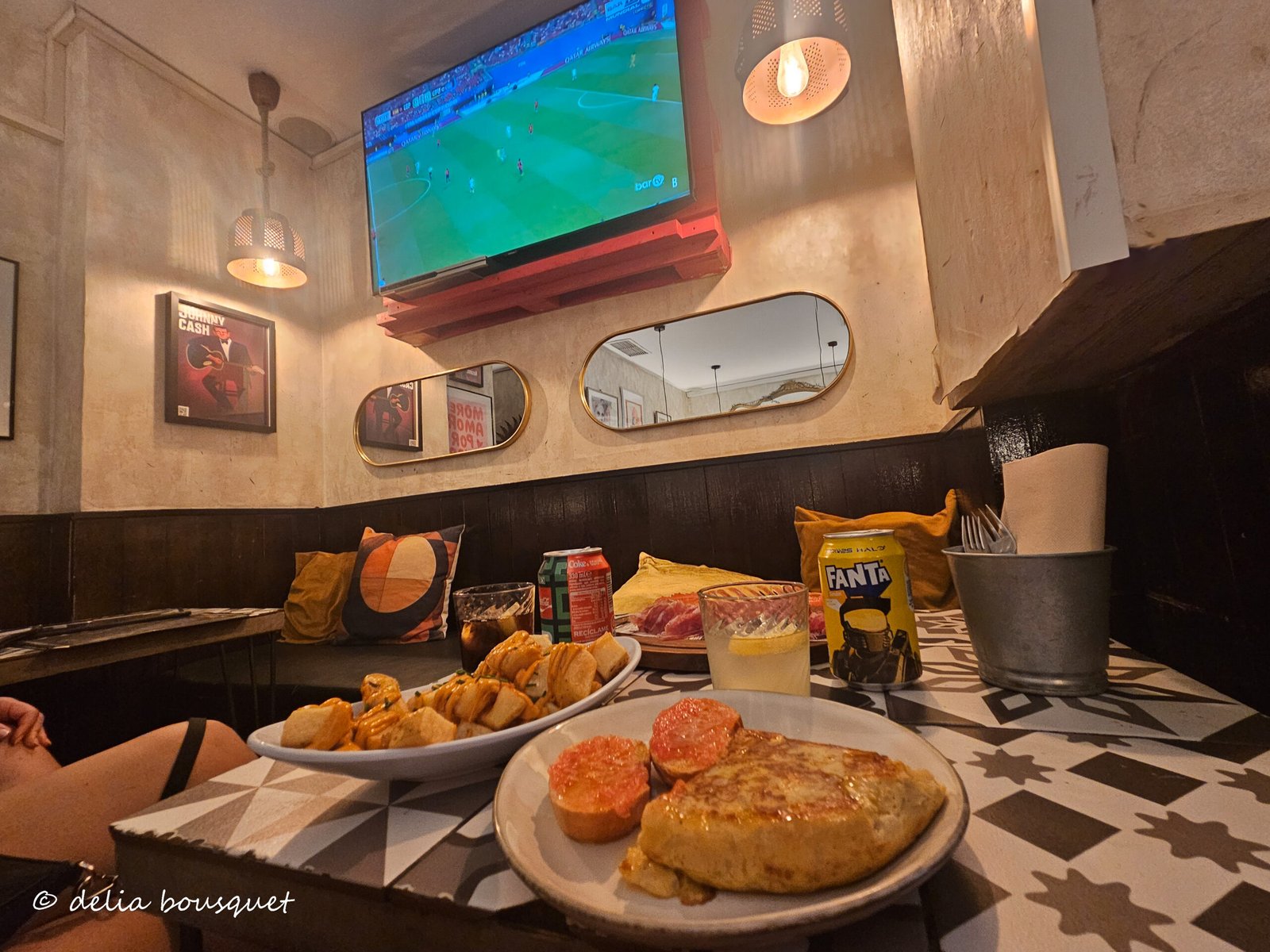
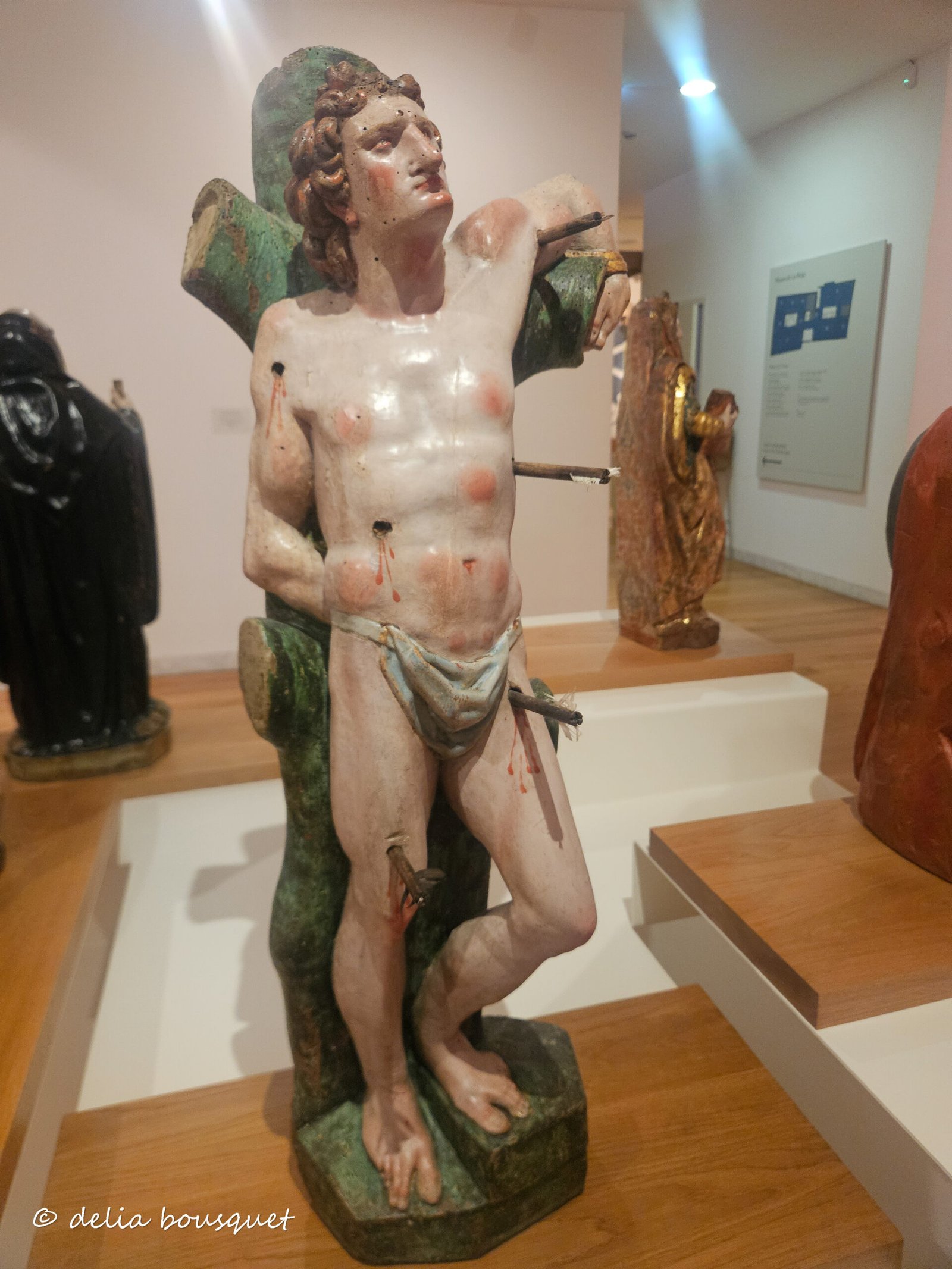
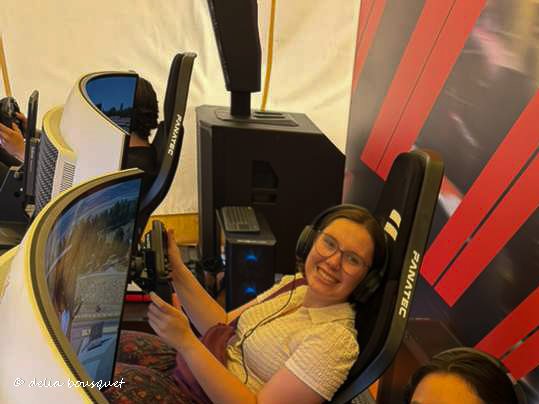
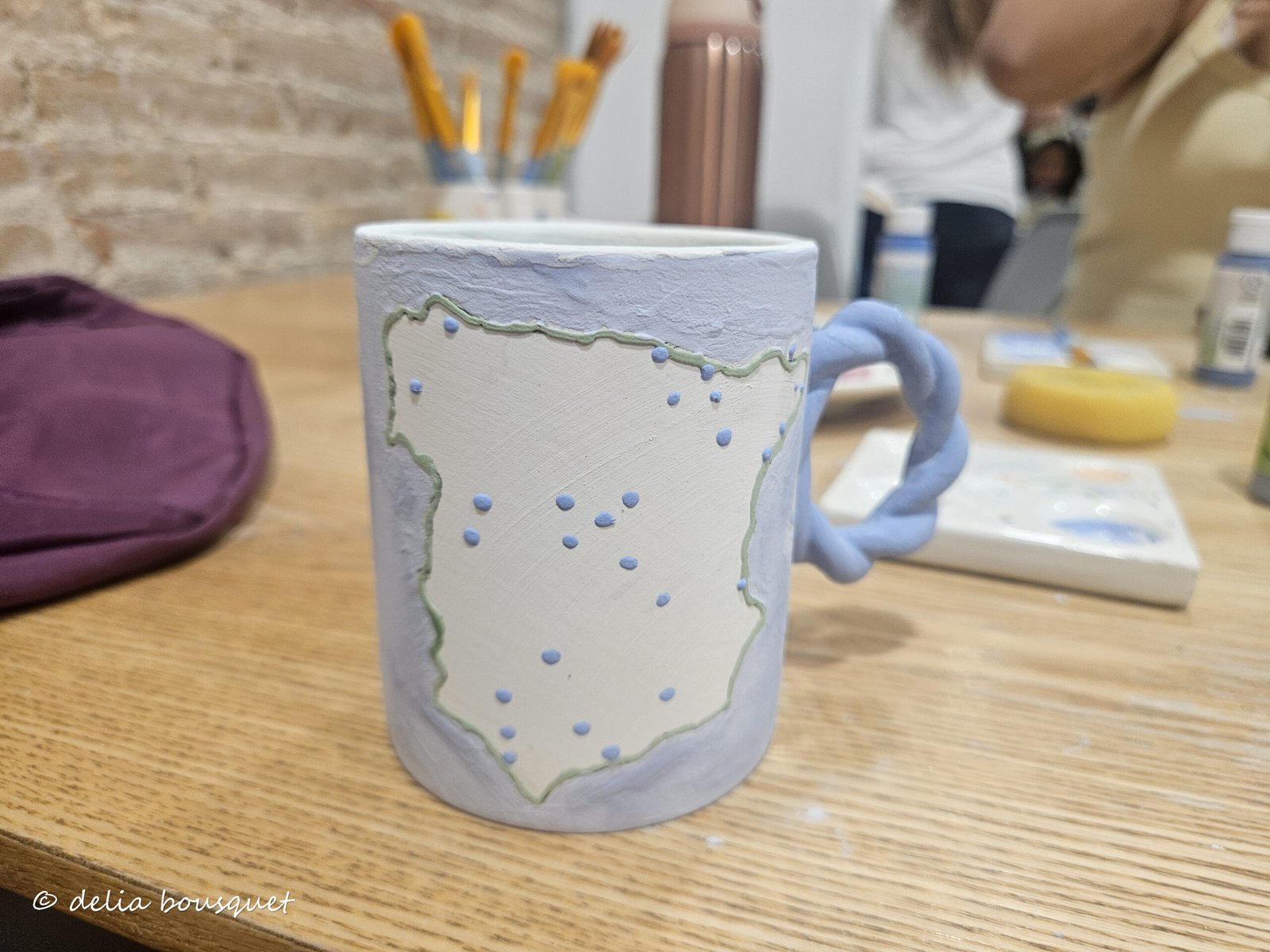
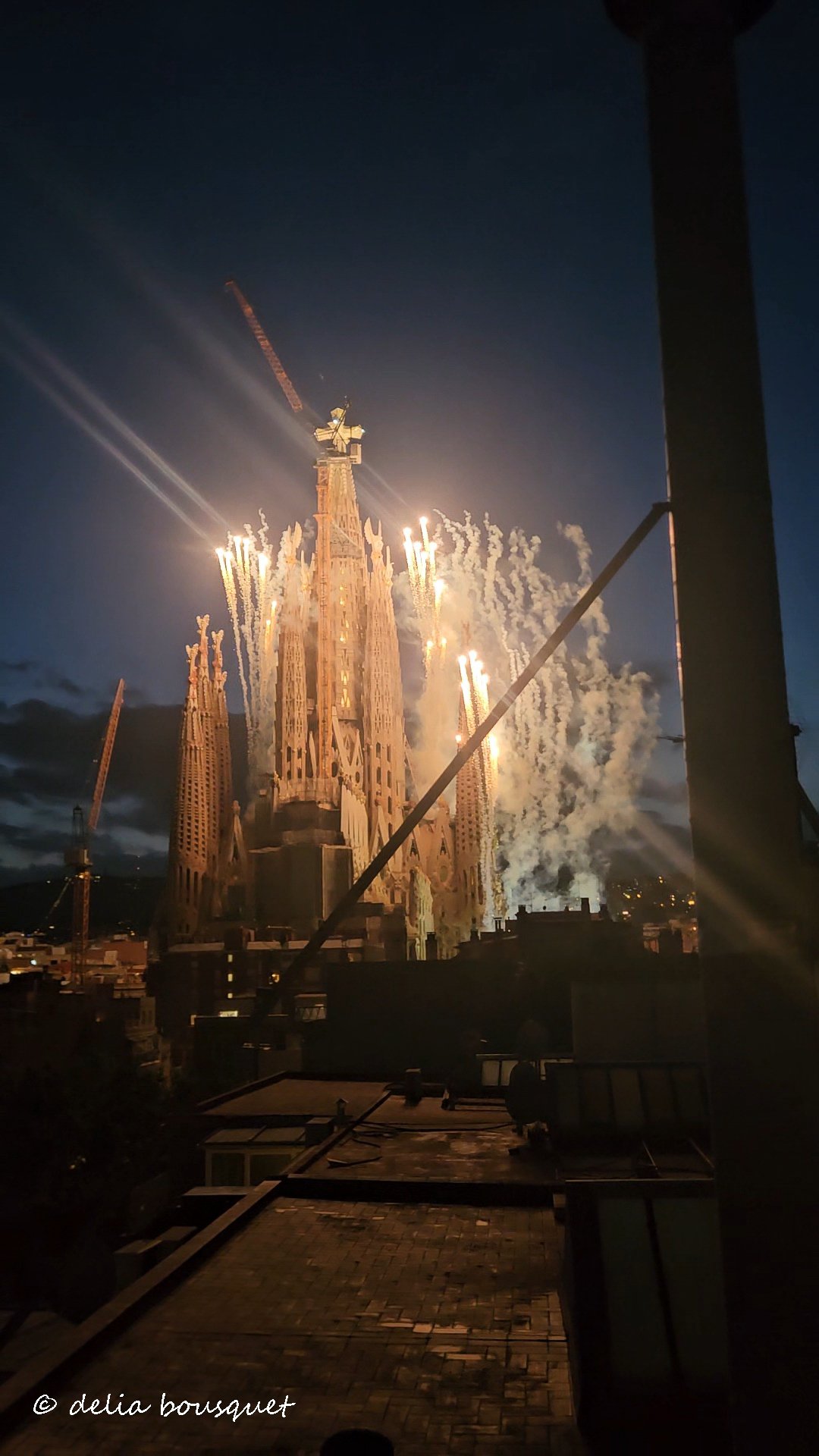
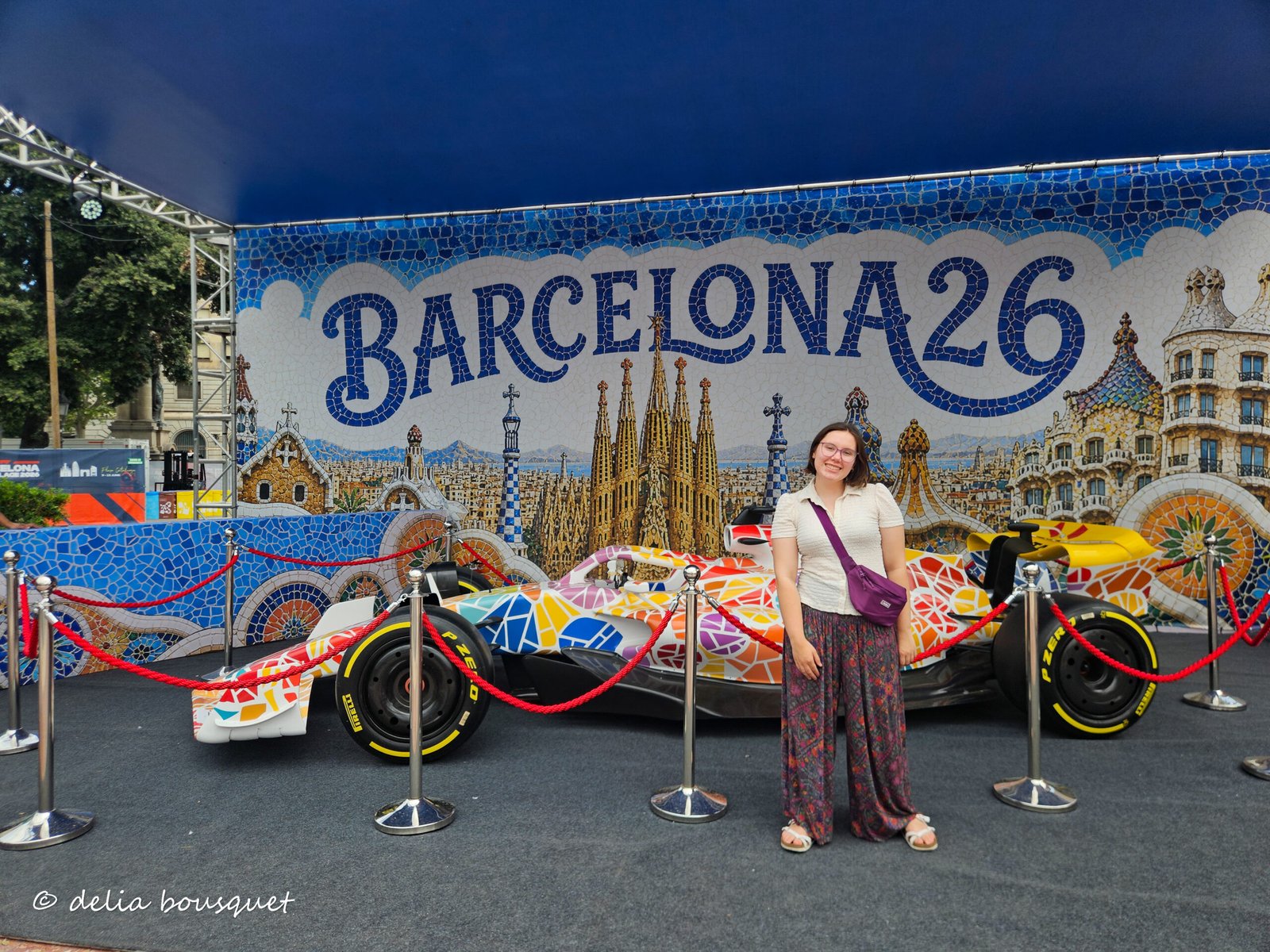
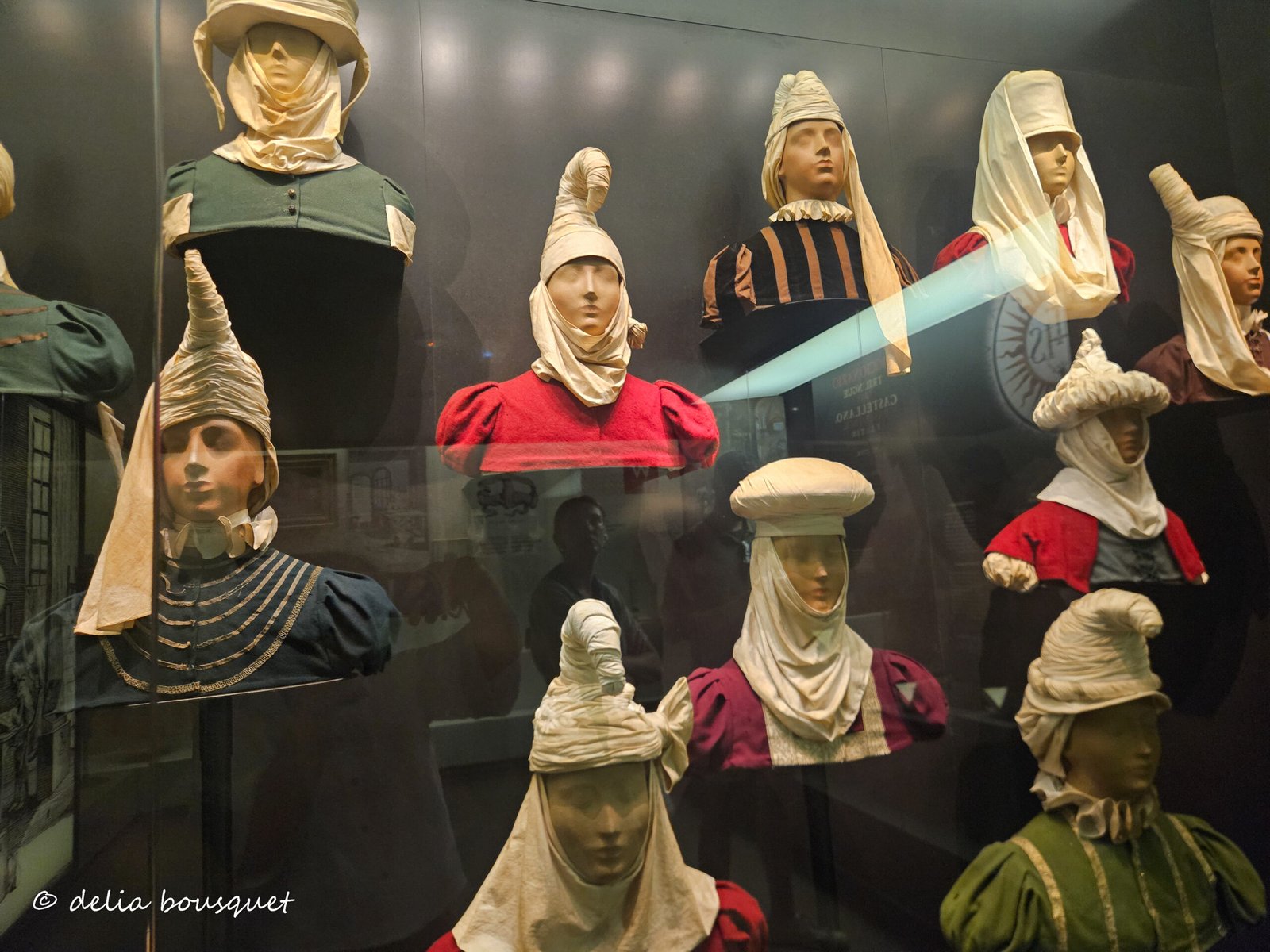
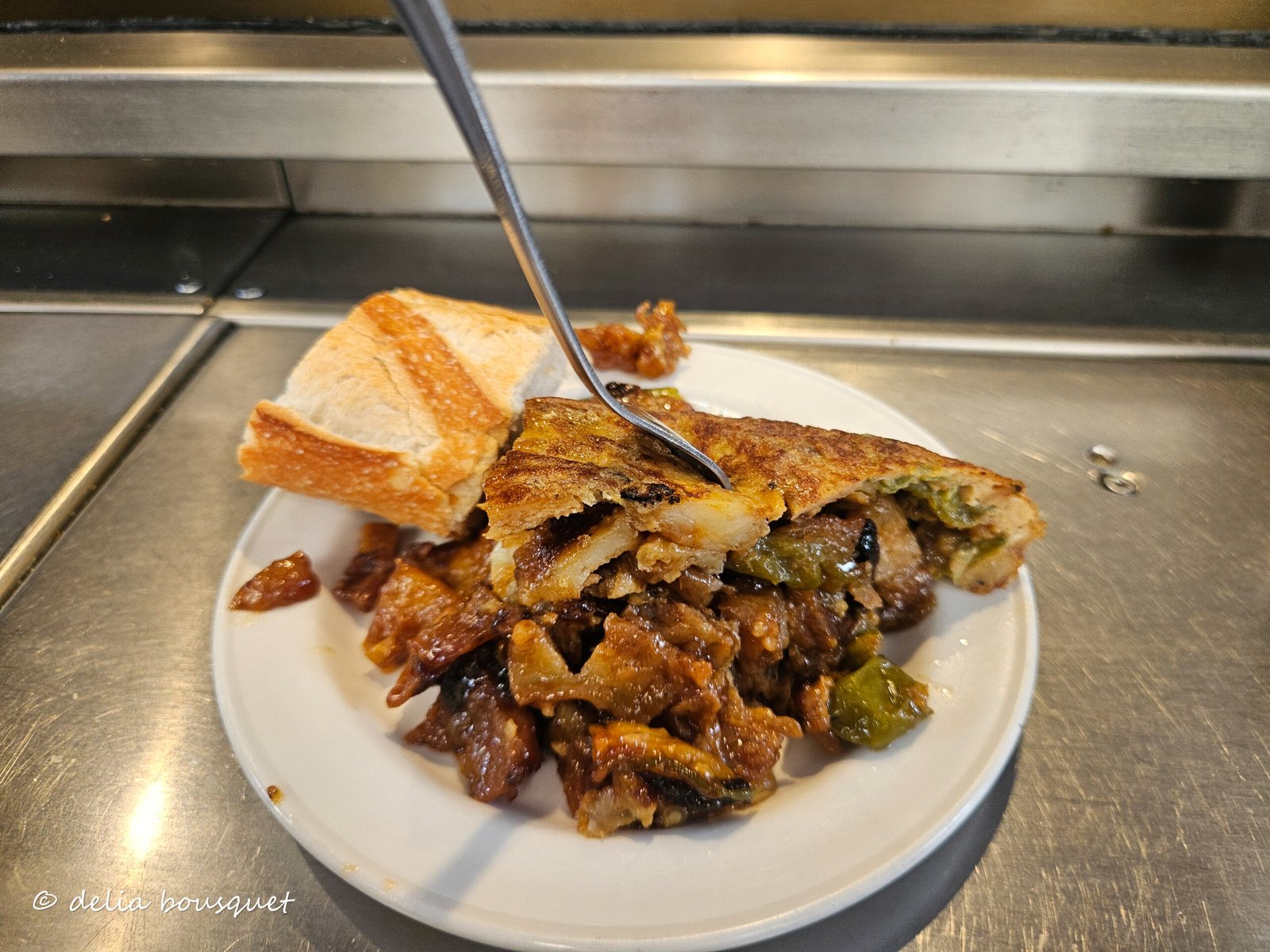
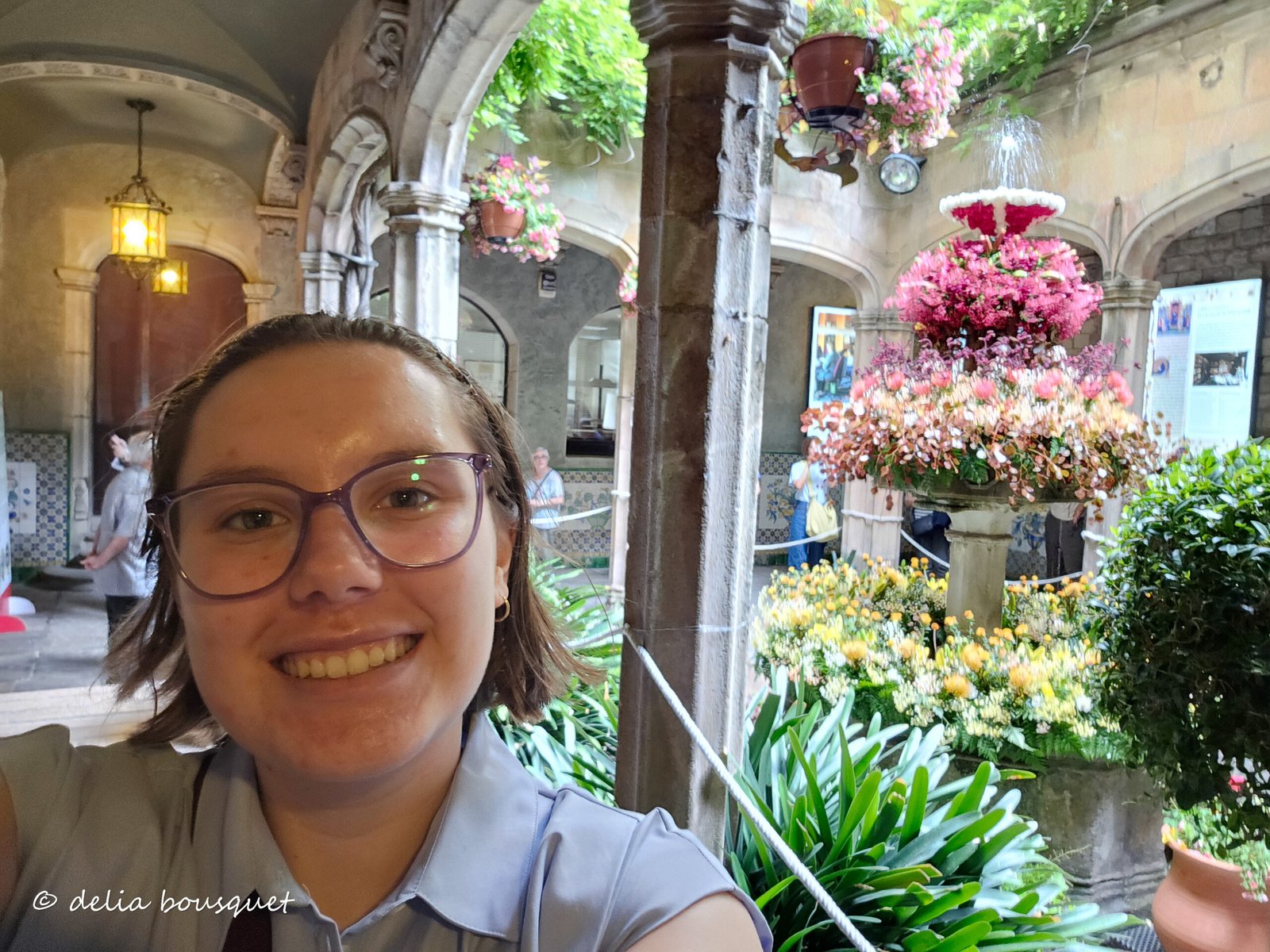
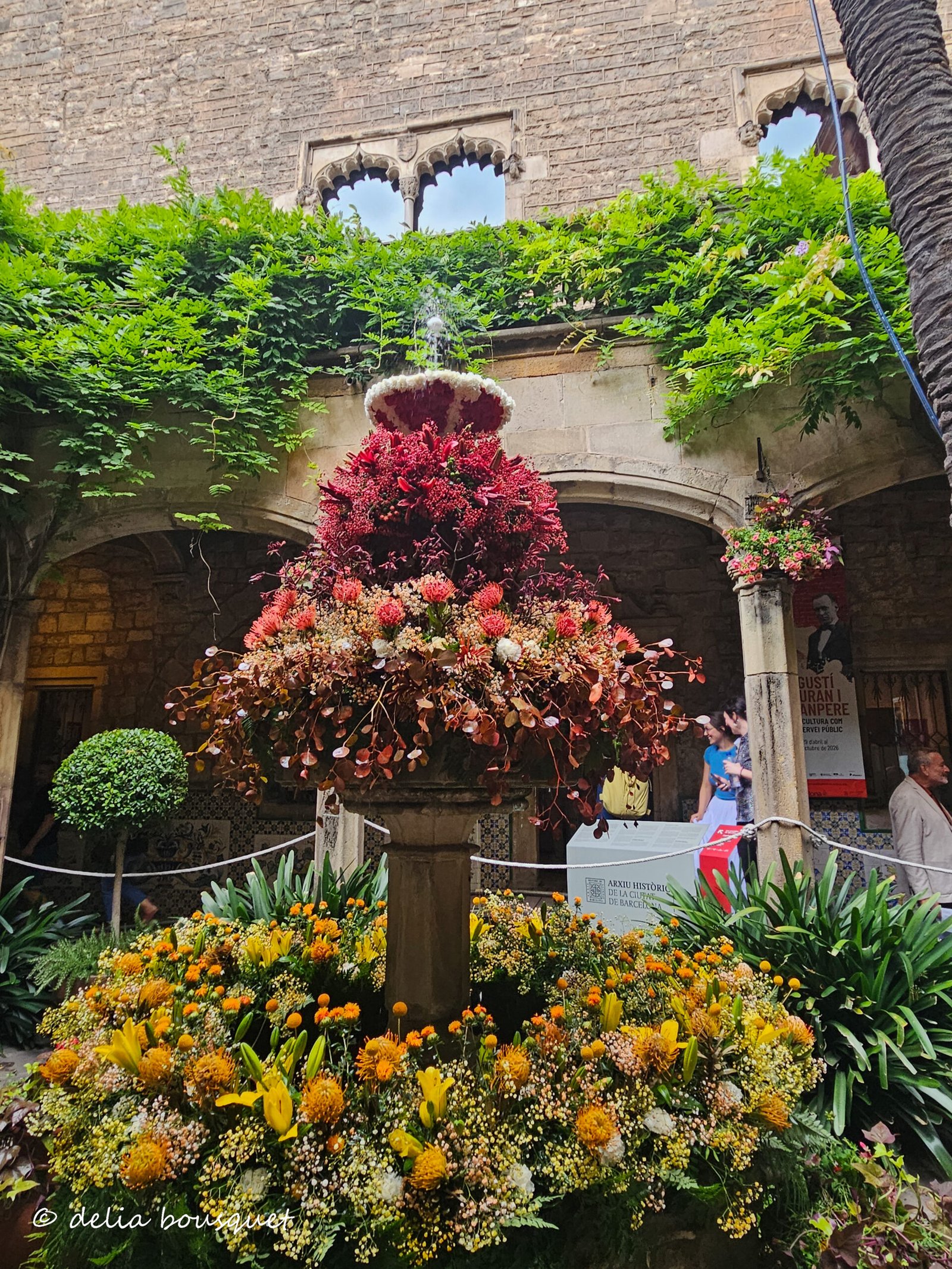
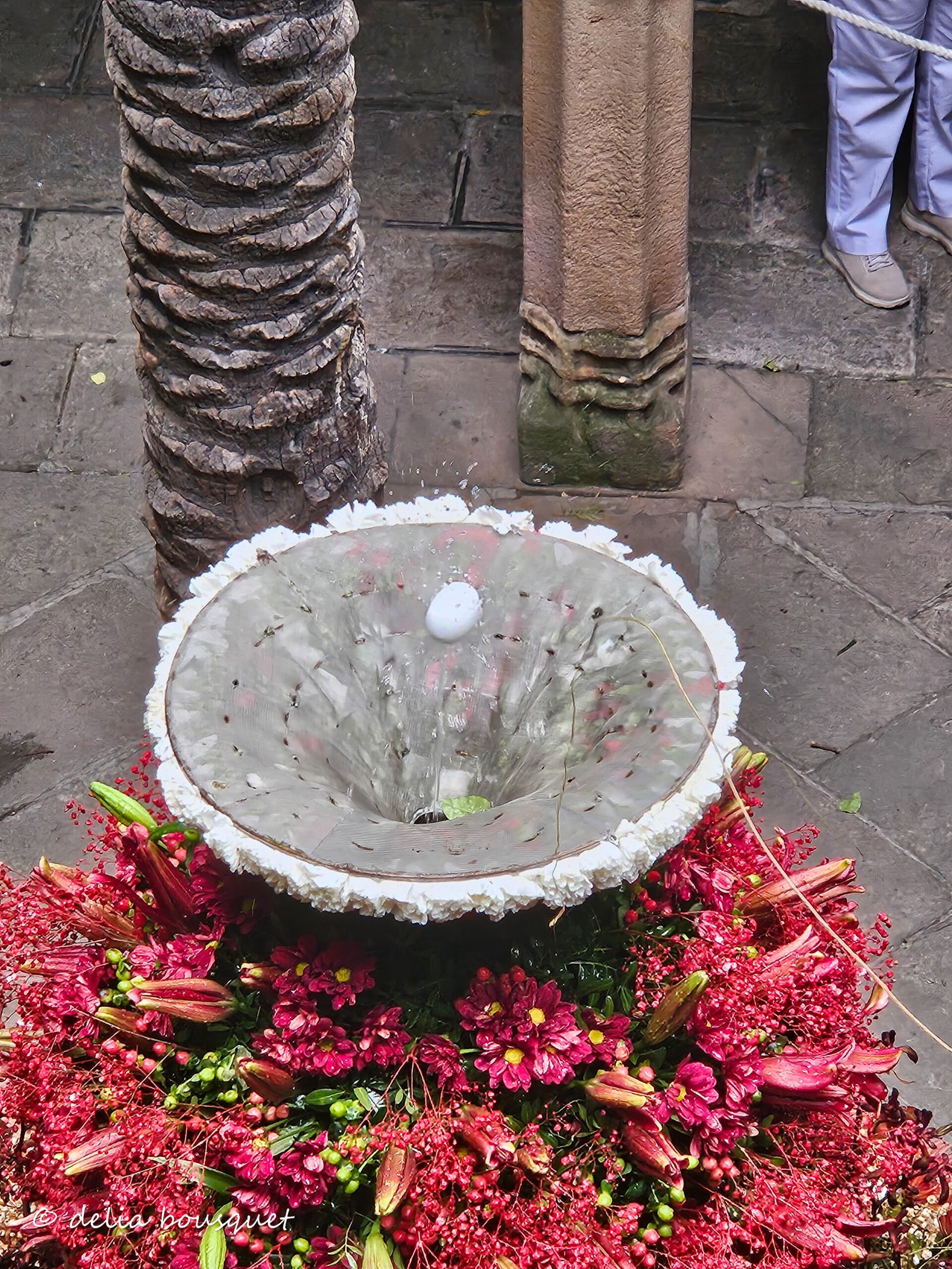
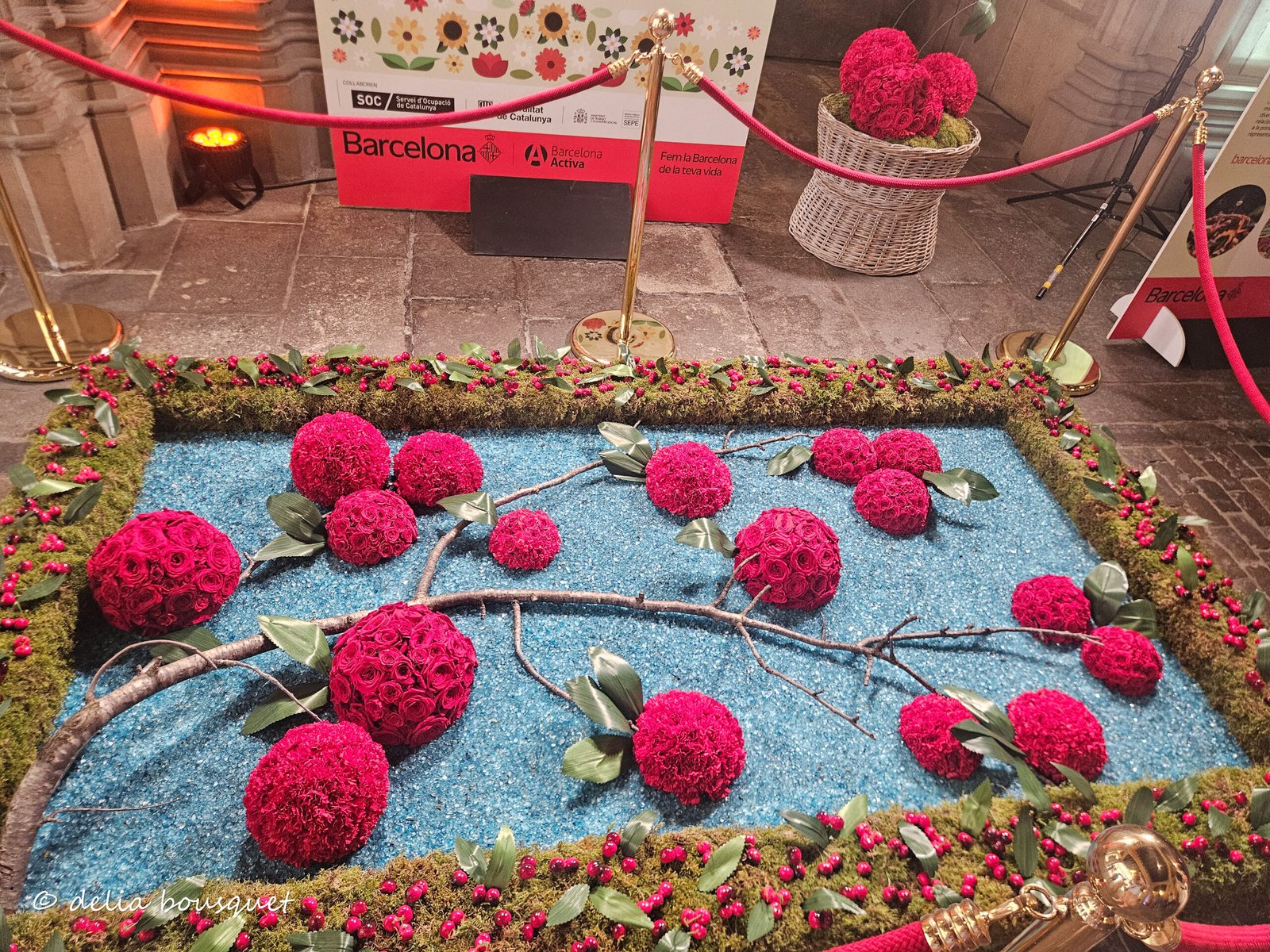
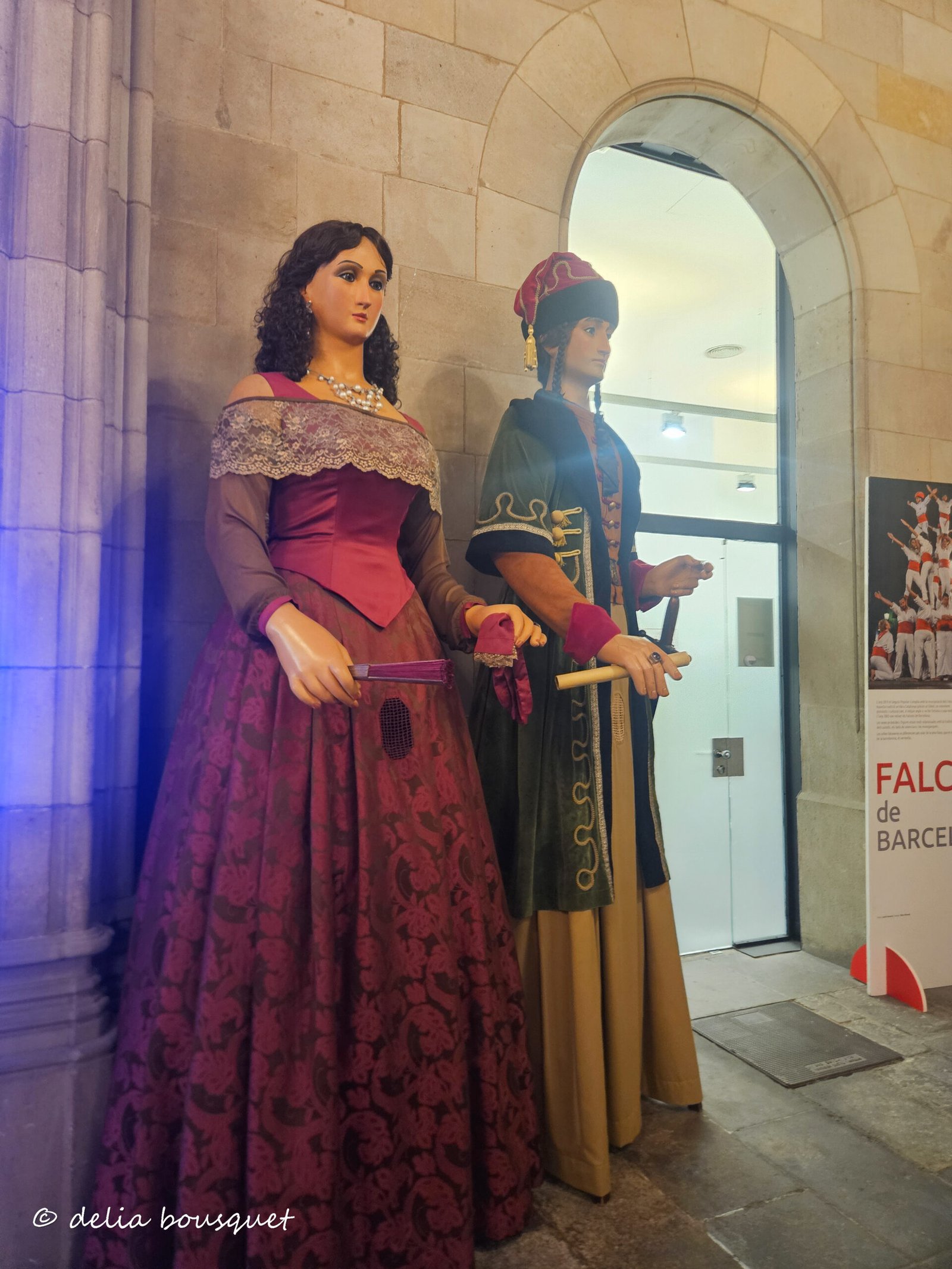

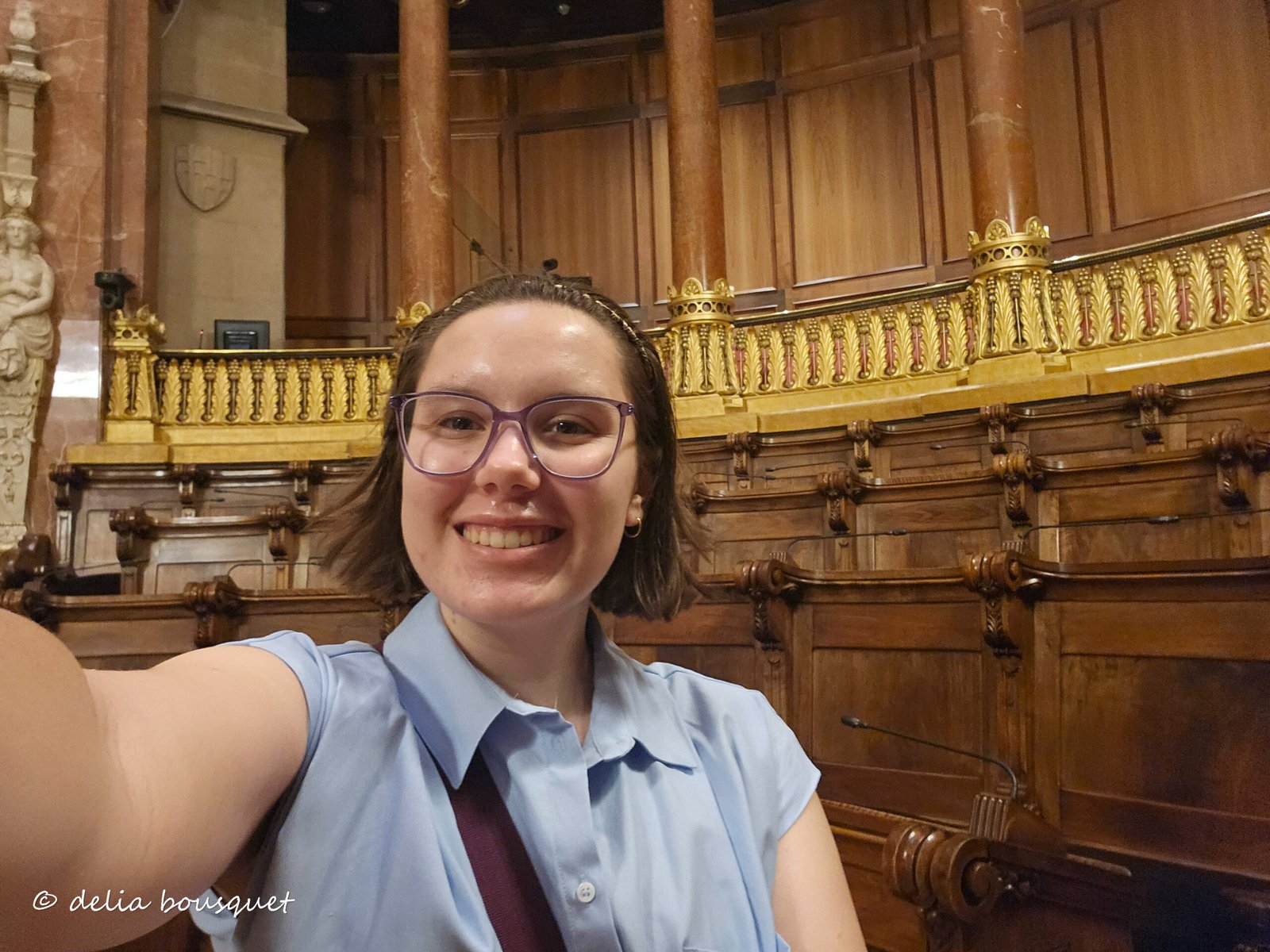
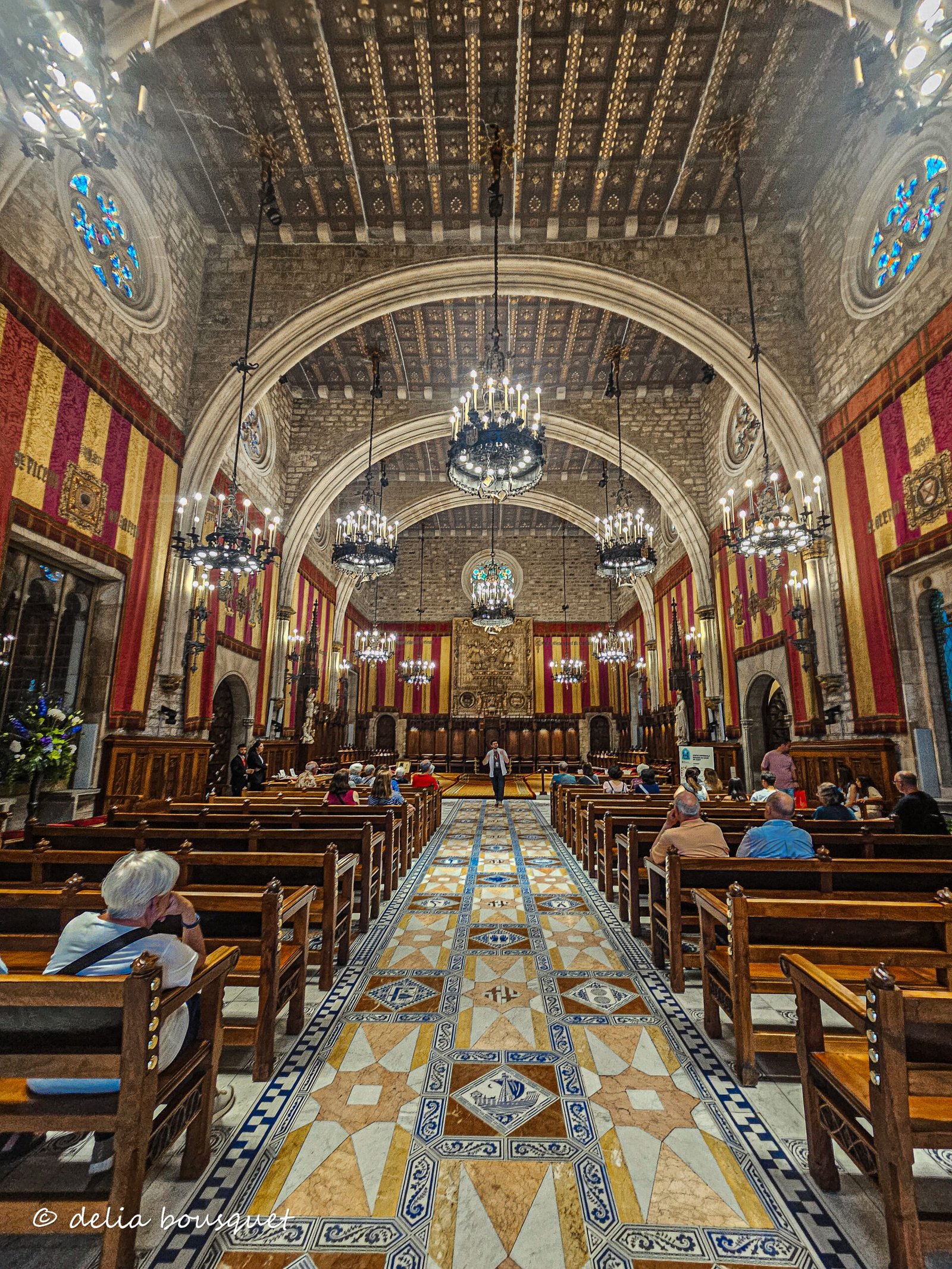
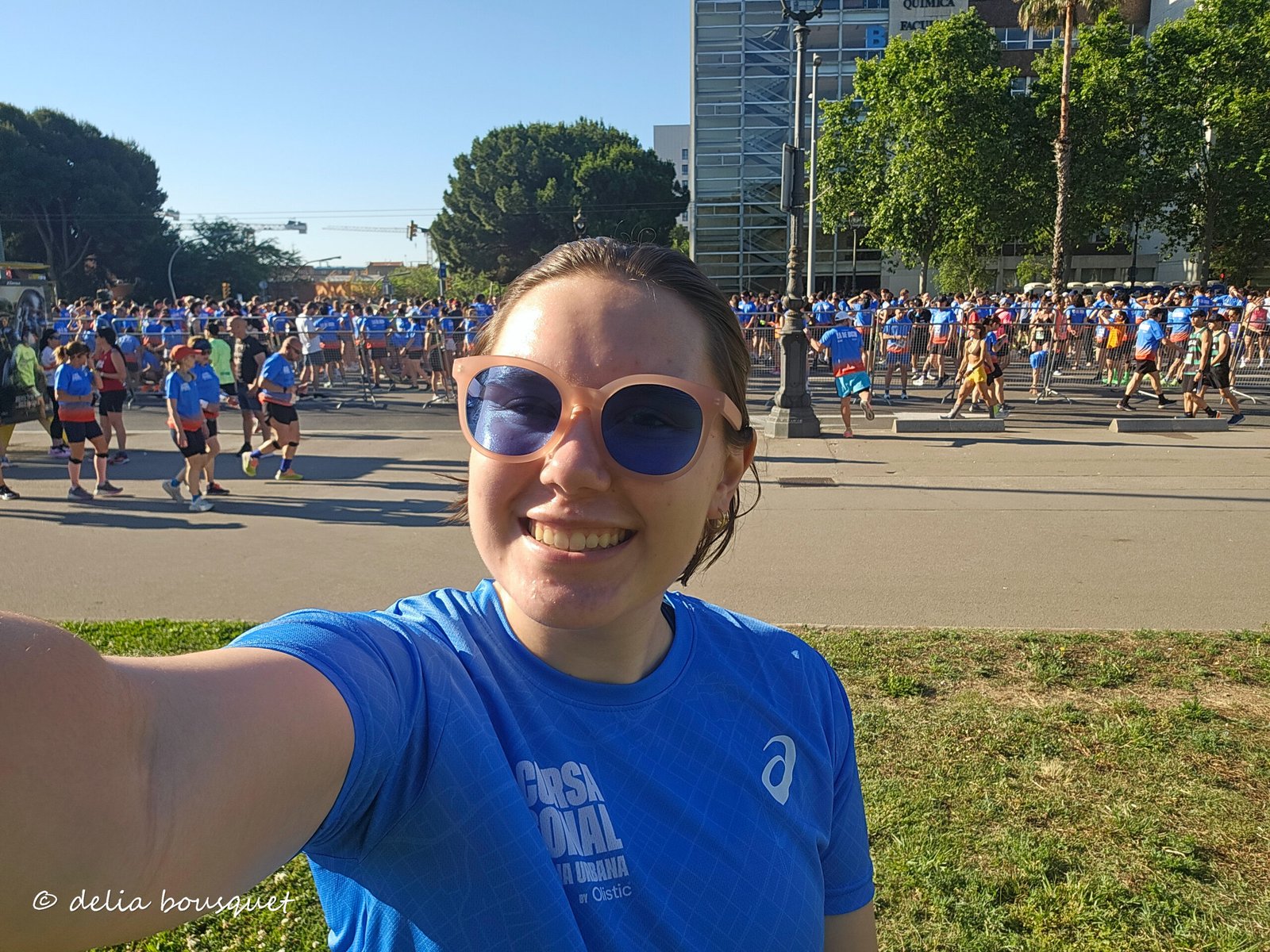
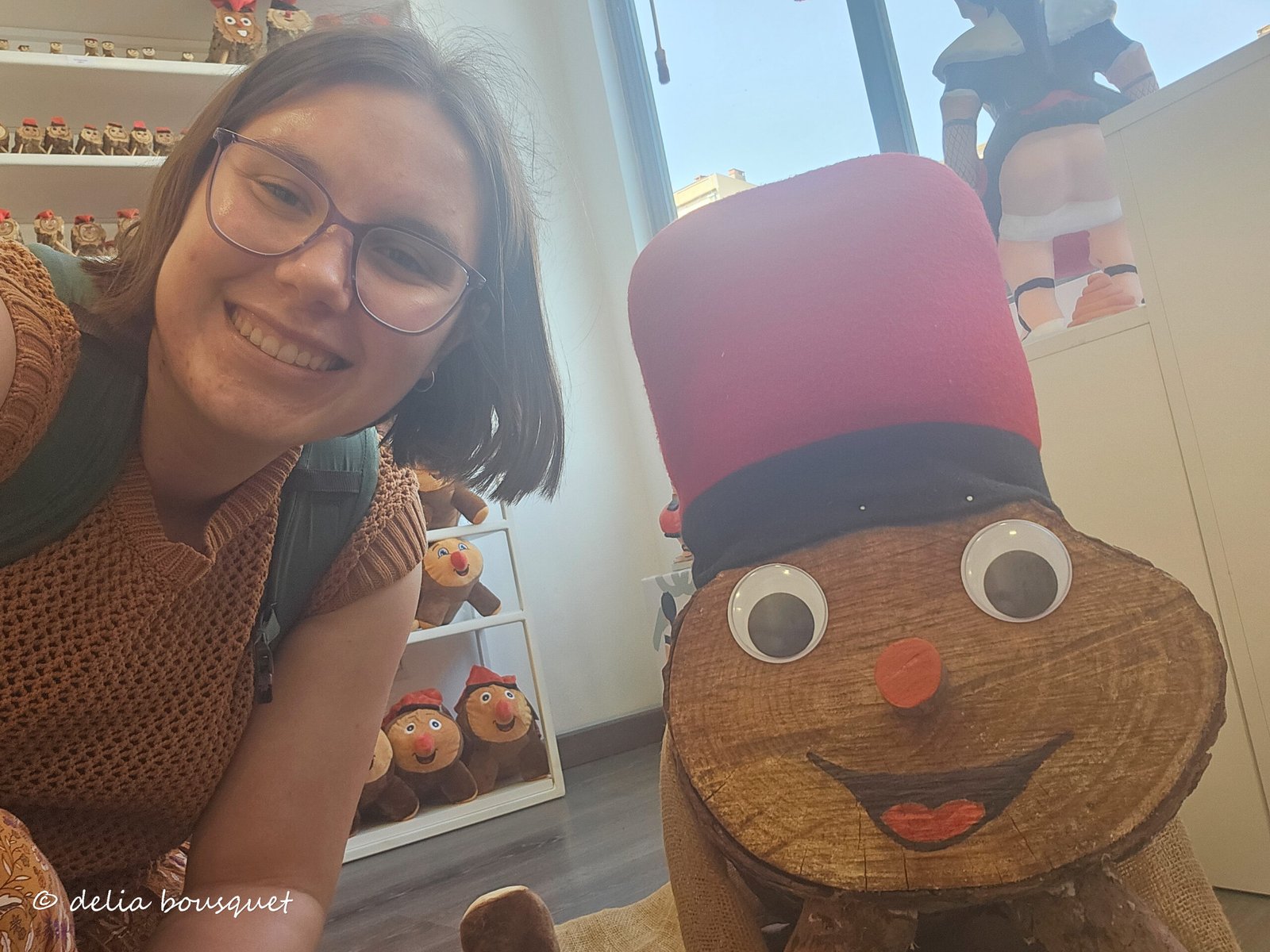
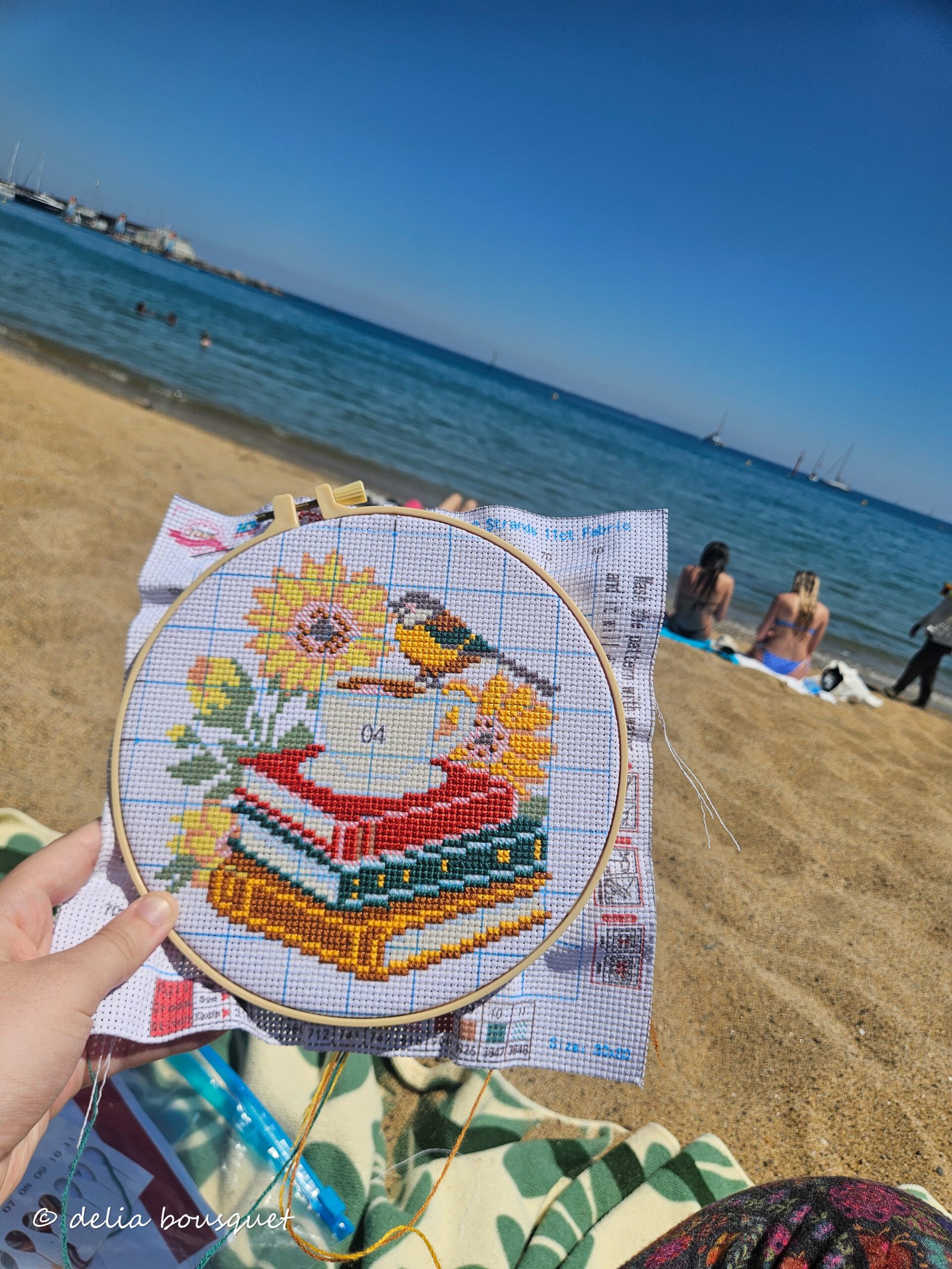
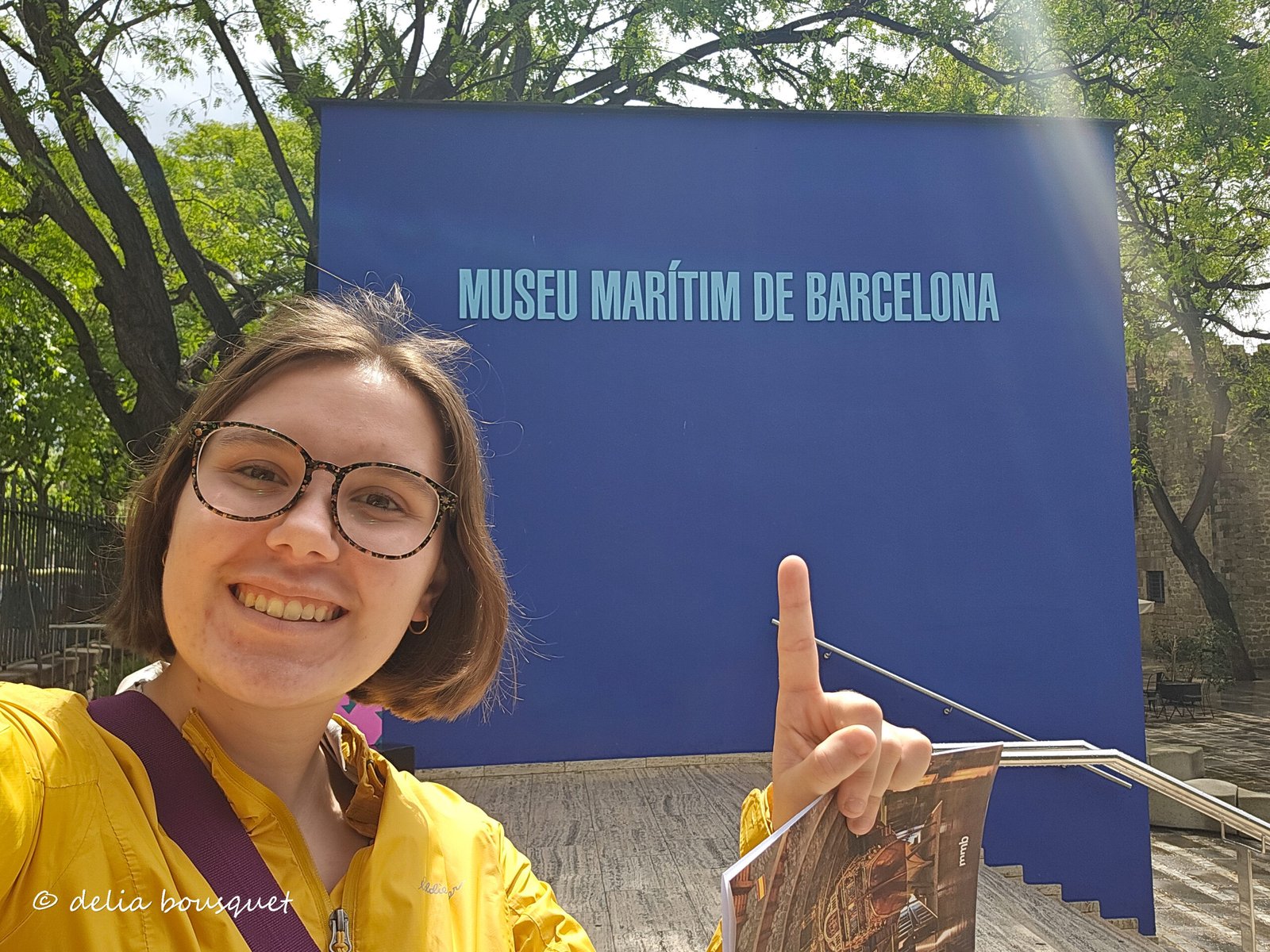
Sharing all of this—the unfiltered, exhausting, chaotic truth of it all—is exactly why I fought so hard for this space. They tried to put a password on my perspective, but you simply cannot censor a summer this big.
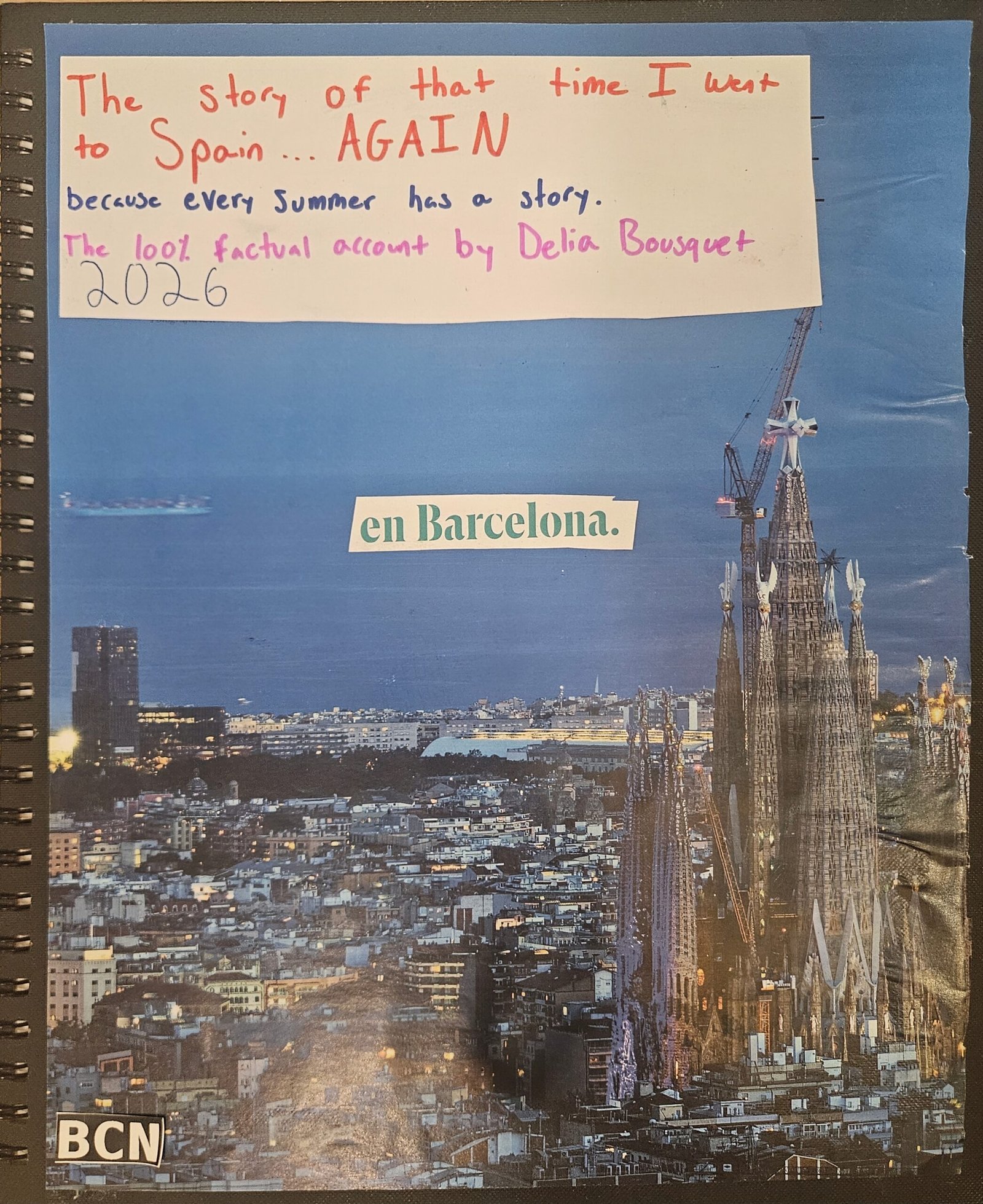
Oh, and speaking of things I managed to preserve: I made a scrapbook. I know I teased it in my very first post, but I decided to hold out until this final entry for the big reveal. Go check it out here.
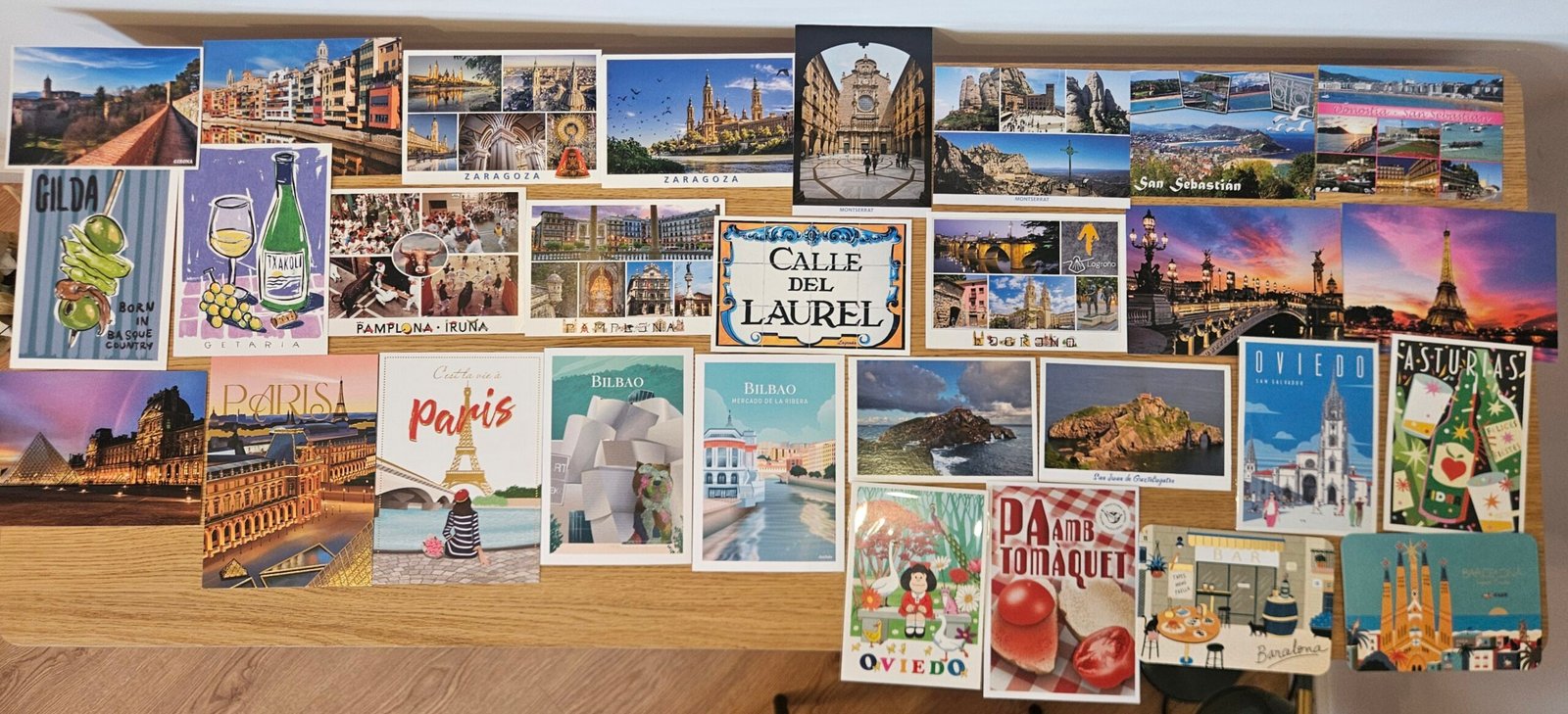
Maybe this summer didn’t upgrade my software to Delia 3.0—the 2.0 edition seems to be operating just fine—but I had an incredible time despite the bureaucratic roadblocks. I am so deeply grateful to everyone who logged on to read about it. I am leaving with a lifetime of memories, twenty-nine postcards, and a handful of awesome new recipes that I am ready to cook up back in the States.
Three years after first stepping foot on Spanish soil, I still love this country just as much as the day I arrived. And while my calendar doesn’t hold any concrete Spanish itineraries for the foreseeable future—I am genuinely ready to explore some new corners of the map—it will always be my one true love.
Thank you for following along on this chaotic journey. I officially owe you all a proper paella. (And yes, I am hoarding the high-quality saffron and sweet paprika in my suitcase to make good on that promise).
If you are here for the general Delia chaos, this blog will return every two weeks for the rest of the summer, transitioning to a monthly schedule through the end of December. If you are solely here for the travel content, I will see you in January, when the weekly posts return to document every single detail of my upcoming semester at Oxford and my adventures across the UK.
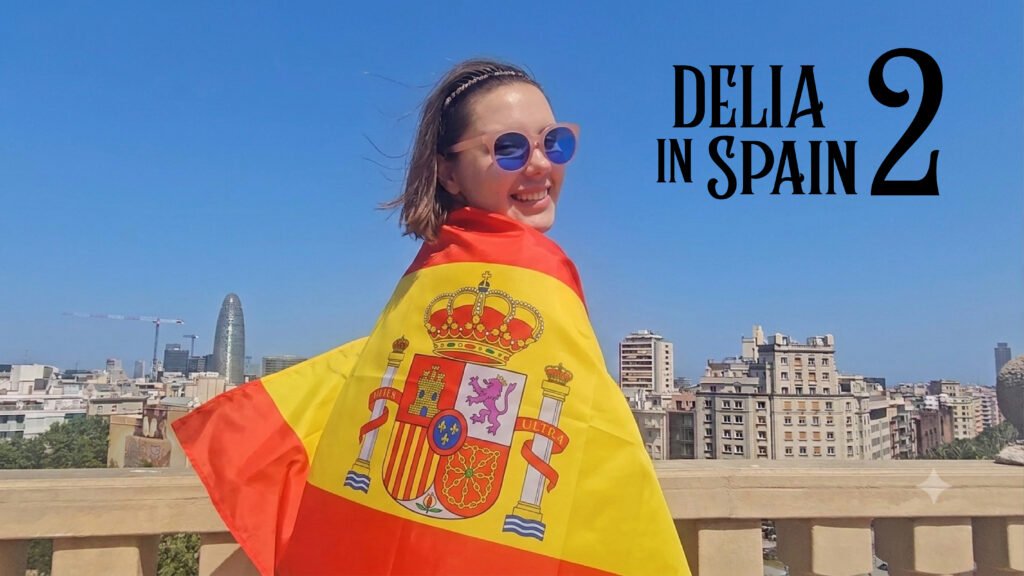
So, that is my Spain story. And as the Dropkick Murphys famously track: “I’m shipping up to Boston”—because waiting for me on the tarmac is a welcoming committee, a steak dinner (please, Mom), and a large Dunkin’ iced butter pecan coffee with 2 creams.
Si la vida te da basura, haz un video promocional con ella (ah, y ten en cuenta la barrera del idioma). Hasta luego,
If life gives you trash, make a promotional video with it (oh, and take into account the language barrier). See you later,

What a trip…you must be exhausted. Coming back home, you will feel like a deflated balloon. I thought you were coming back in August. Have a safe trip back. Tall ships were in Boston Saturday.
Love xoxo,
Babci