


Setmana Cinc: Am I Still in Spain?
Hola a todos y todas, and happy miércoles…well actually jueves!
Dios mío, what a semana (week) I’ve had. It has been absolutely wild. That being said, we’re going to postpone my little Q&A session until next week—mostly due to a lack of preguntas (questions). So, please send me some! Text, email, WhatsApp, Facebook, comments—whatever works for you.
Also, a very happy birthday to Lucas Canavan, whose birthday is today (the 17th) as I’m writing this!
First things first: no, I didn’t make a spelling error in the title by adding a t to semana and forgetting the o—because I’m now in Catalunya, land of Catalan, aka a Frankenstein of Spanish, French, and Portuguese. So yes, there are a lot of extra letters (from the short twenty-four hours I’ve been here, I’ve noticed a lot of t’s and c’s where they “shouldn’t” be), or letters taken away—like bon instead of buenos.
Anyway, I’ll give you the rundown when I get to that part, but first we need to time travel back to last miércoles, when I was still in Toledo.
La verdad is that last Wednesday was, low-key, a little boring. Por la mañana (in the morning), we had to present our final project videos to the class (aka my love letter to Spain that y’all saw last week). After each video played, we were asked to say a few words and answer questions.
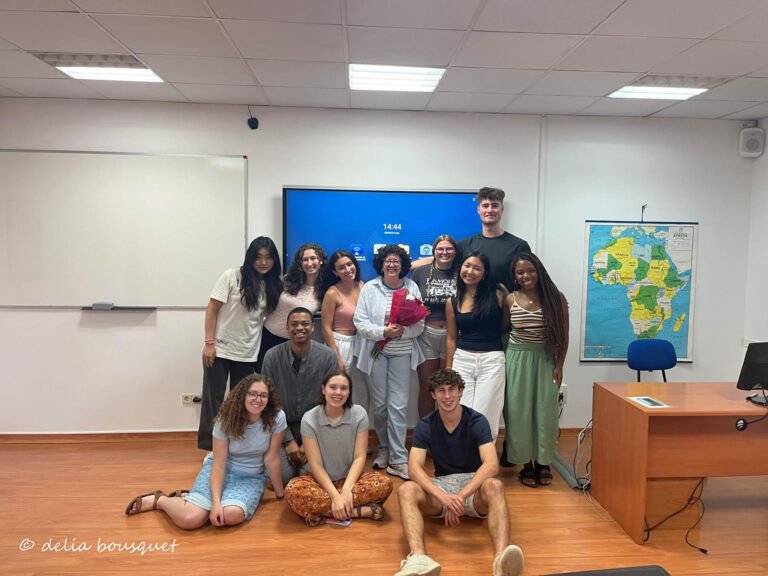
My “few words” were something along the lines of:
Solo quiero decir que no soy loca, pero me gusta España mucho
(I just want to say I’m not crazy, but I really like Spain.)
One girl asked me why a love letter and not a letter of friendship. Fair point—and honestly, not one I’d really thought through. But maybe that’s something the world hasn’t thought through. When we talk about la patria (the homeland or motherland) or nationalism in Spanish, there’s a sense of pride and love for one’s country.
Even in the U.S., I don’t think anyone says, “I’m friends with America.” It’s more like: “I love America” or “I hate America.”
Maybe that’s how I need to look at my relationship with the U.S. right now.
A kid from my new program asked me today (we’ll get to the reason for this question later):
Are you like… trying to move here?
And while I’ve joked about it before, the more time I spend here, the more effort I have to put into justifying going back to the U.S.
Like: Delia, you have a degree to finish.
Delia, your family and pets are there.
Things like that.
But when I look at my current relationship with the U.S., it’s hard to define—because I don’t even know what “America” is.
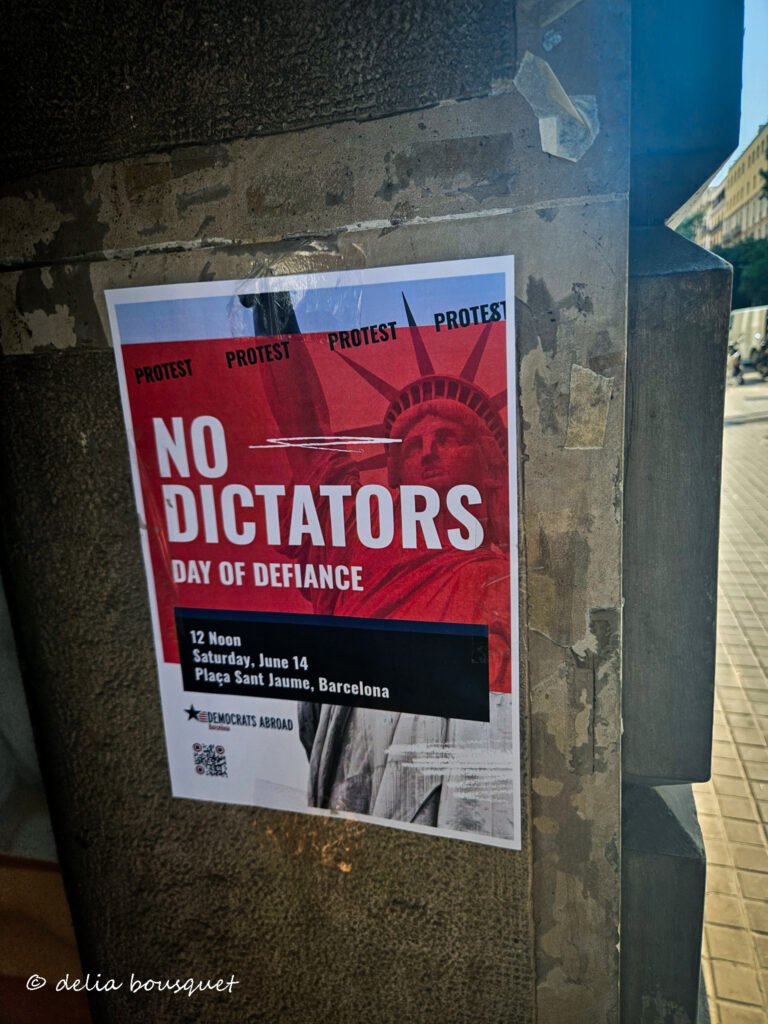
For some Facebook users, it’s a country “founded on Christian principles” where one must “take it or leave it,” where everyone “must speak English” while also “taking advantage of American freedom.”
Now, I may have only taken three years of history in high school, but from what I remember, the First Amendment (not the second or third!) guarantees that:
“Congress shall make no law respecting an establishment of religion, or prohibiting the free exercise thereof;
or abridging the freedom of speech, or of the press;
or the right of the people peaceably to assemble,
and to petition the Government for a redress of grievances.”
So no, the U.S. was not founded on Christian values. In fact, many early settlers were escaping religious persecution in Europe.
And on the complete other end of the spectrum—the actual Americans, aka the Indigenous peoples, who you could argue are the real founders of America—were definitely not Christian… at least not until they were conquered.
Maybe that’s the real definition:
America conquers others and makes them conform.
Now, I’m not anti-religious. In fact, up until around age eight, I was raised Episcopal and was even an acolyte at our church.
And while I personally no longer go to church or—observe this religion carefully…
I understand the stronghold it has over many, and I’m respectful of their beliefs. But I can’t sit here and say this is America—because what makes this version of America more “American” than, say, that of the Indigenous people? Or, if we’re getting technical, Spanish is a native language to the U.S.
You might be saying, “No, Delia, in the U.S. we speak English.” To that I say: The Treaty of Guadalupe, where the U.S. forcibly took over half of Mexico (where they speak Spanish), handing over $15 million for what is now California, Nevada, Utah, Arizona, New Mexico, Colorado, Wyoming, Kansas, and Oklahoma.
So when you tell those Spanish speakers—whom you assume are from Mexico (though they’re often not)—to “go home,” they are home. We took their land. And with that, many of their homes.
And that’s not even getting into Puerto Rico, which is also a Spanish-speaking region that the U.S. awkwardly holds—not as a state, not as an independent country—just some land we own. Sounds eerily familiar to no taxation without representation… but that’s an argument for another day.
And besides, who even cares about all that research we just stopped funding? You know, the kind that shows how important it is for mental health and family bonds to maintain heritage languages at home? Feel free to ask me more—I’d be happy to send you the latest work from some brilliant professors over at Princeton (assuming they still have their jobs, because who knows? “They’re the enemies,” poisoning our minds, right?).
Then there’s the whole “take advantage of your freedom” part.
What even is my freedom?
To me, freedom is going to university to learn about the world—because knowledge is power.
Oh, right.
Maybe protesting when things go wrong.
Never mind.
Being able to read about issues like climate change, racism, marginalization, mental health, disabilities, socioeconomic diversity, or even just women.
Oh right, I can’t do that either.
But hey—we’re living the American dream!
And let me be clear: none of this is political.
None of these statements are tied to a party.
I’ve simply stated facts and well-documented history.
That’s not to say Spain is any better. Between government corruption and, as I said last week, a massive protest, something’s going down soon. But at least it’s out in the open. At least most people can look at the past and say:
“No fue bueno cuando un dictador mató a millones de personas y las mujeres no podían hacer nada sin el permiso de su esposo.”
That kind of recognition?
Not something I’ve seen in many other places.
For example, every International Women’s Day in Spain, there are huge protests and organized marches for women’s rights.
In the U.S.? I can’t say the same.
We’ve given up.
We don’t believe in DEI because apparently women pilots crash planes—not because we have airports running with ten fewer air traffic controllers than is legally allowed.
If you catch what I’m putting down.
Sorry for that little rant, but like I said—my relationship with the U.S. becomes more complicated with every passing week.
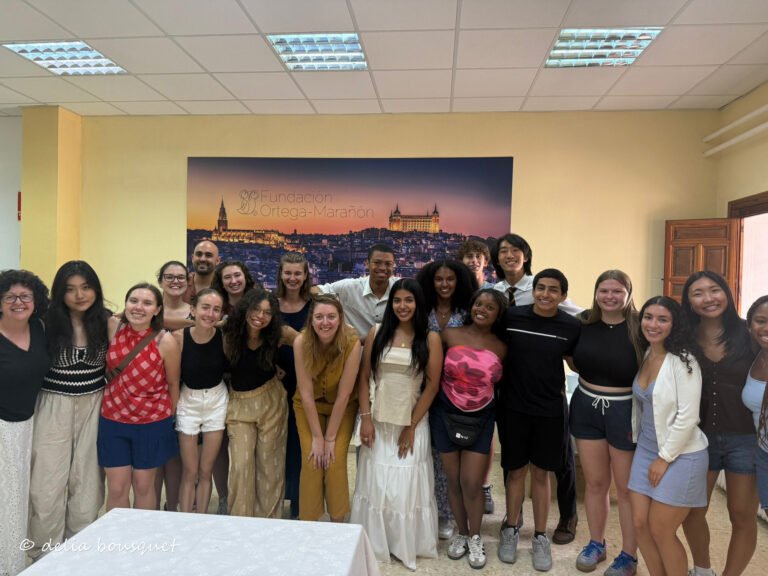
After our video presentations, we got to see the 300-level class’s final projects—an art gallery of all their super cool work. They had a much more experiential learning opportunity: going out into the streets, doing collages, interviewing book vendors at a famous literary fair. A totally different vibe from our daily lectures on Dalí and how sexo es muerte.
Speaking of art, Wednesday was also our group art presentation. Not my best, but certainly not my worst (there were some real disasters back in high school). On the bright side, I got thrown a pretty easy question from the professor. My partners, on the other hand, got the hard ones—like “How did the painter’s wife die?” and “What does that French word mean?” Neither of them knew.
That night in Toledo we got hail—which was cool—but also the dreaded rain. Not a ton, just enough to completely wreck the last week for me with allergies. By Sunday, I felt absolutely awful. I had a headache that Tylenol wasn’t touching.
Luckily, today (Tuesday) I went to a farmacia and asked for medicina. They asked what kind of allergies I had, and honestly, I had no idea. So I just said, “Pollen?” No clue what the common allergens are here in Spain, but my host mom was also struggling after the rain.
Hopefully, I got the right stuff because the packaging is all in Spanish, and pharmacies here aren’t like the U.S., where you wander the aisles and play doctor. Here, everything over-the-counter is behind the counter, and you must speak with the pharmacist, who picks the medicine for you.
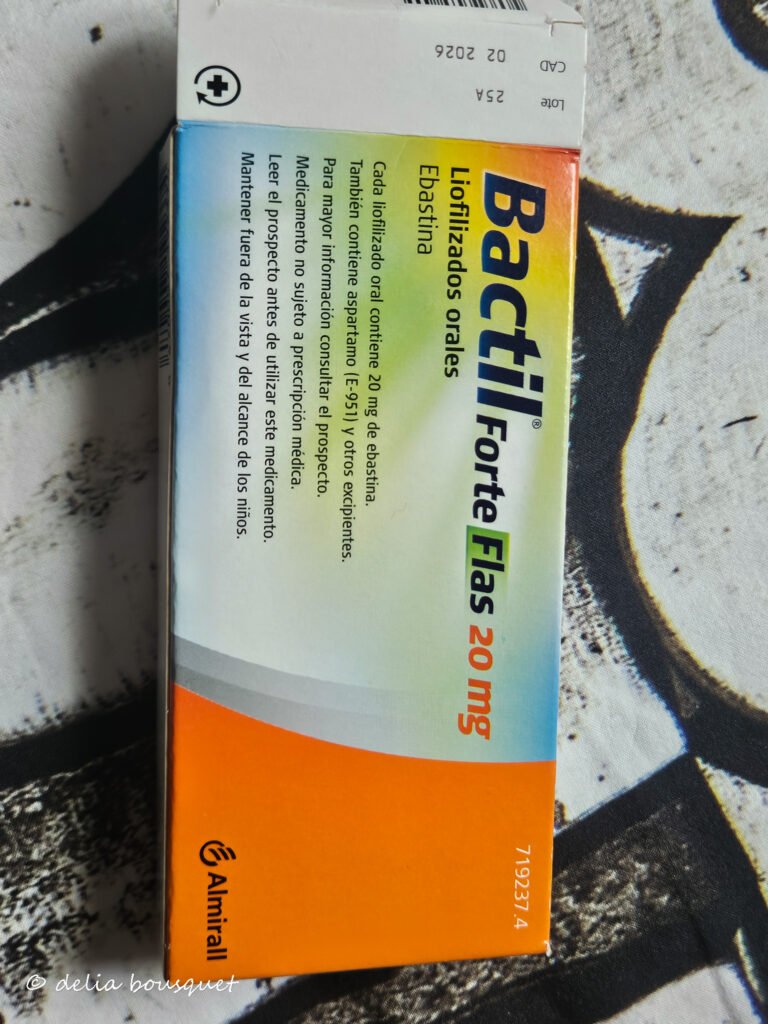
I’m sure if you know what you’re looking for, you can just ask. But I was like:
“Hola, ¿tienes medicina para alergias?”
…and ended up with an odd orange box.
I do have to say—maybe it’s just placebo—but I’ve started feeling way better since taking it a few hours ago. Like I said, my host mom swore allergy meds work really well here. I was skeptical (hence waiting a week), but maybe she was right.
If this actually works, I’m going to be so mad—because that means the U.S. is holding out on us. Is it illegal to import allergy meds from Spain?? According to my three-minute Google search, it’s just an antihistamine. But normally Zyrtec and Claritin don’t work for me…
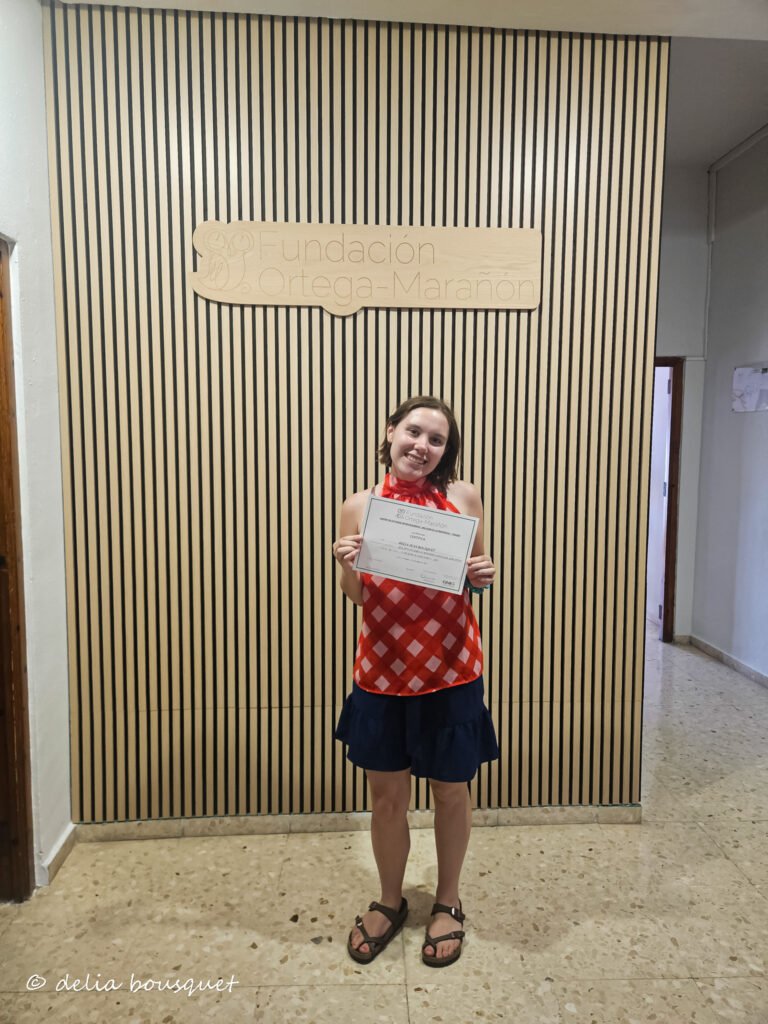
Pues nada… Friday was graduation!
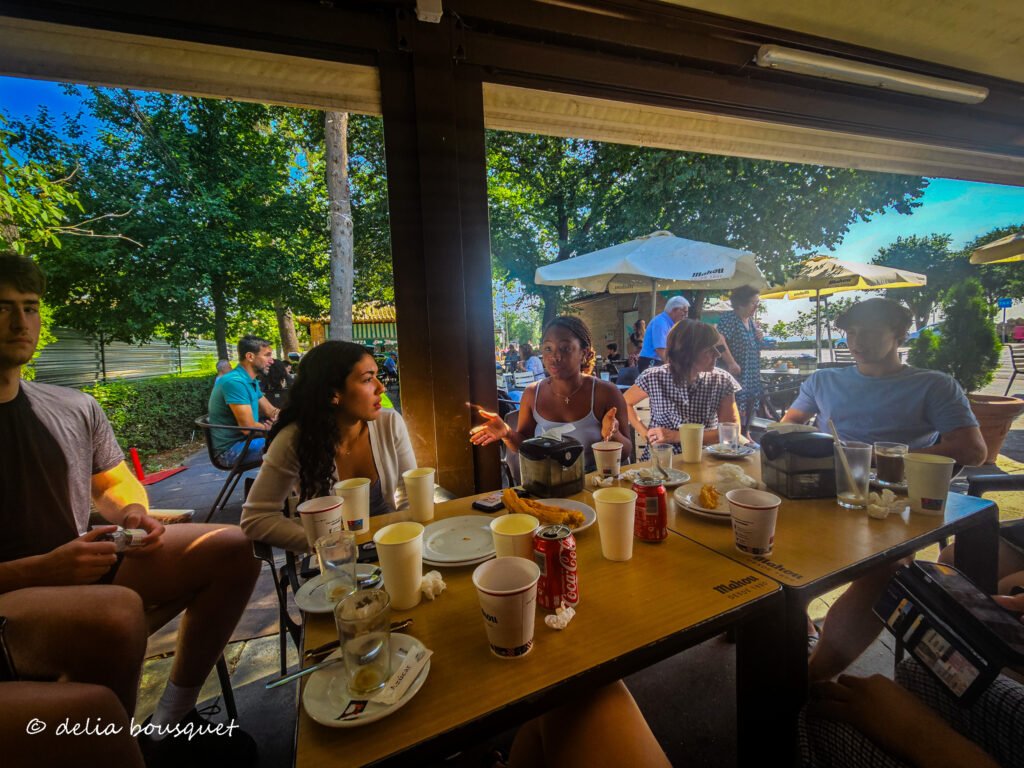
Wow, those four years really flew by fast—jk! The morning started with some churros and a classy 11 a.m. Coca-Cola from my Princeton profesora, who had an early flight and wanted to say goodbye. After that, I wandered around Toledo for some final shopping where I procured:
- Postales
- A Toledo t-shirt (which of course says “España” on it, because God forbid an American mistake it for Ohio)
- An abanico (fan)
- And some awesome pants I paid only 18 euros for—which is not terrible for a one-size-fits-all situation where I had no idea if they’d actually fit.
They did lol. And I love them.
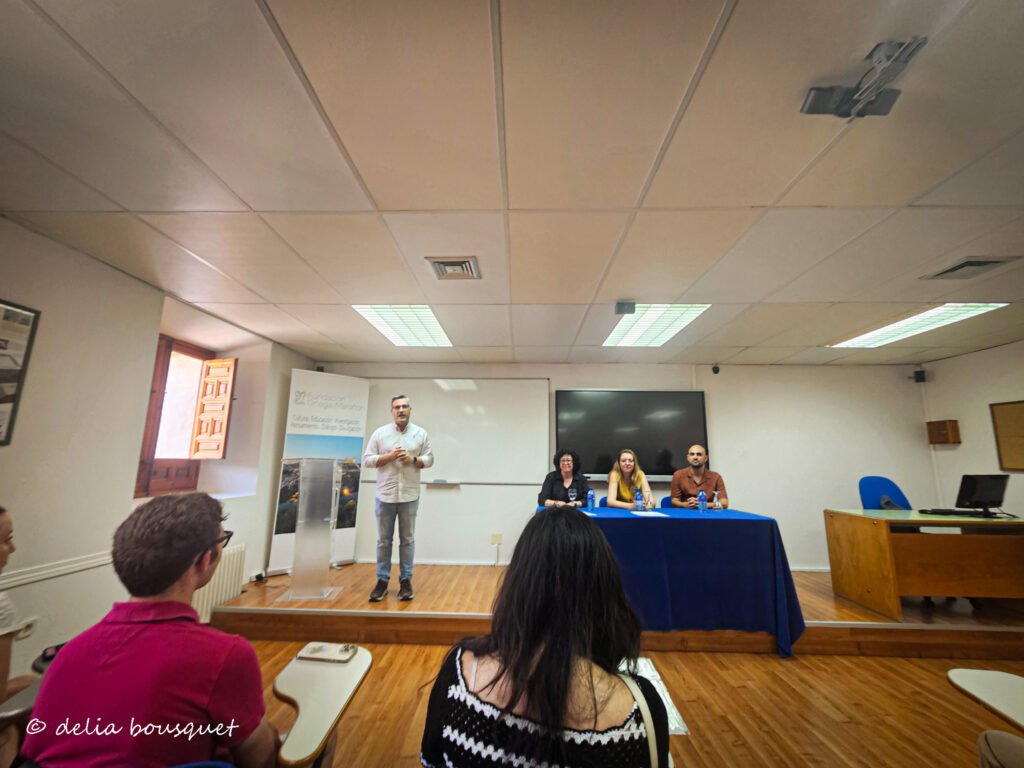
Later, we had our graduation with all the host families (mine couldn’t come because she had to pick up los niños from cole—school). We got our certificates and enjoyed our cóctel, aka more Coca-Cola, Fanta, and tapas.
It was fun meeting the other host families—including the famous María Jesús, someone’s host mom, who made some very questionable comments during the fiesta. Por ejemplo: one of the professors is from Barcelona and speaks Catalan. María Jesús went off about how she hated Catalan people and their “ugly language,” not realizing the guy she was talking to… was Catalan.
I felt secondhand vergüenza for her.
After that, I went home, packed up, and got ready for the 6:15 a.m. bus to Madrid.

Saturday: Goodbye Toledo, Hello Transportation Chaos
I woke up nice and early, got one last café, and hauled my suitcase down the cobblestone mountain that is Toledo. I’m sure every vecino was awakened by my suitcase clanking across every rock.
Twenty minutes later, we made it to the Fundación—but surprise! There was no bus waiting for us like they said. Instead, we got two taxis… and no Miguel (our organizer) in sight.
My taxi driver told me he was only going to the aeropuerto, not the estación de tren—which is where Miguel swore he was taking us. I had to go inside the Fundación and try to explain the situation to another man, who then came out to argue with the taxi driver. My host mom also got in on the debate. Eventually, everyone agreed, and people made it to either the airport or, in my case, the train station.
I was worried for the students with 10:30 a.m. flights—we got to the airport around 8, and I always thought you needed three hours for international check-in. But who knows.
I, on the other hand, got to the train station ridiculously early—around 8:15 a.m.—for my 11:10 train. I had to take the Cercanías (above-ground metro situation) from Atocha to Príncipe Pío, because of course that’s the only way to get to Salamanca, my weekend destination.
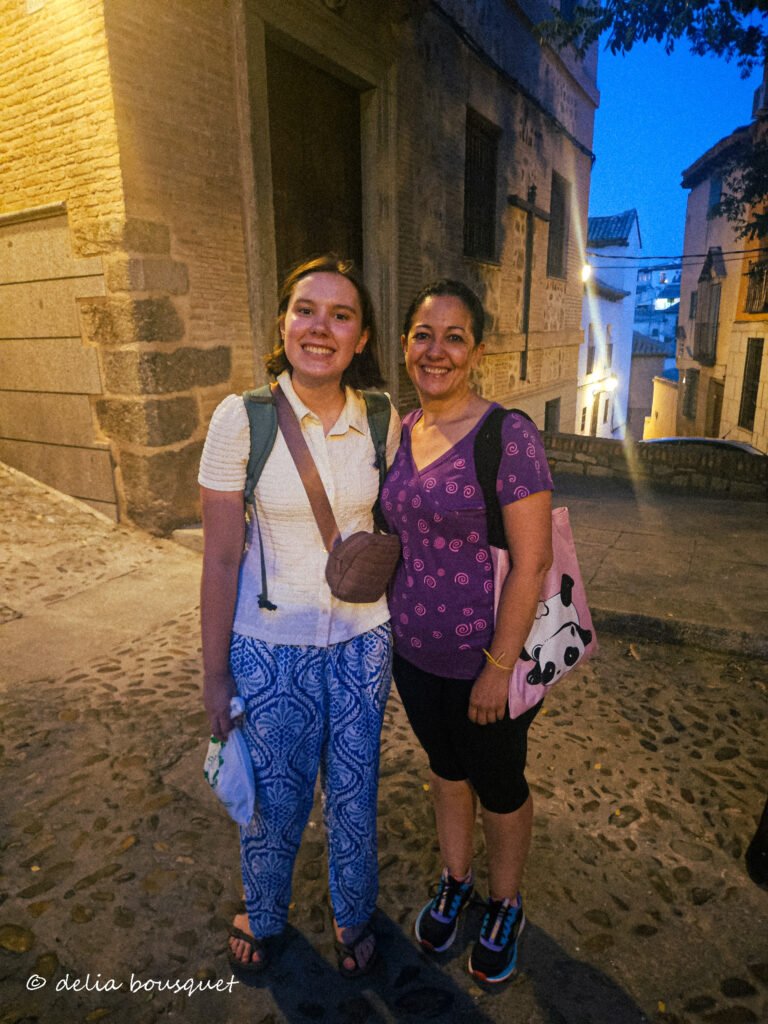
Príncipe Pío was… a vibe. It’s a mall, technically. Problem is, the mall didn’t open until 10, and I was there well before then. So I camped out at the outdoor station with no seats, used my suitcase as a bench, had a second breakfast, and tried not to fall asleep running on four hours of sleep.
Then came the theatrical surprise:
Apparently, there’s a tourist train themed around Felipe II, and the actors promoting it appeared out of nowhere—yelling, dancing, and saying something about Euskera (Basque). From what I gathered, the bit was: if you don’t understand what people are saying, it means you’ve arrived in Bilbao and should do a weird dance.
I wasn’t fully awake, so don’t quote me on that.

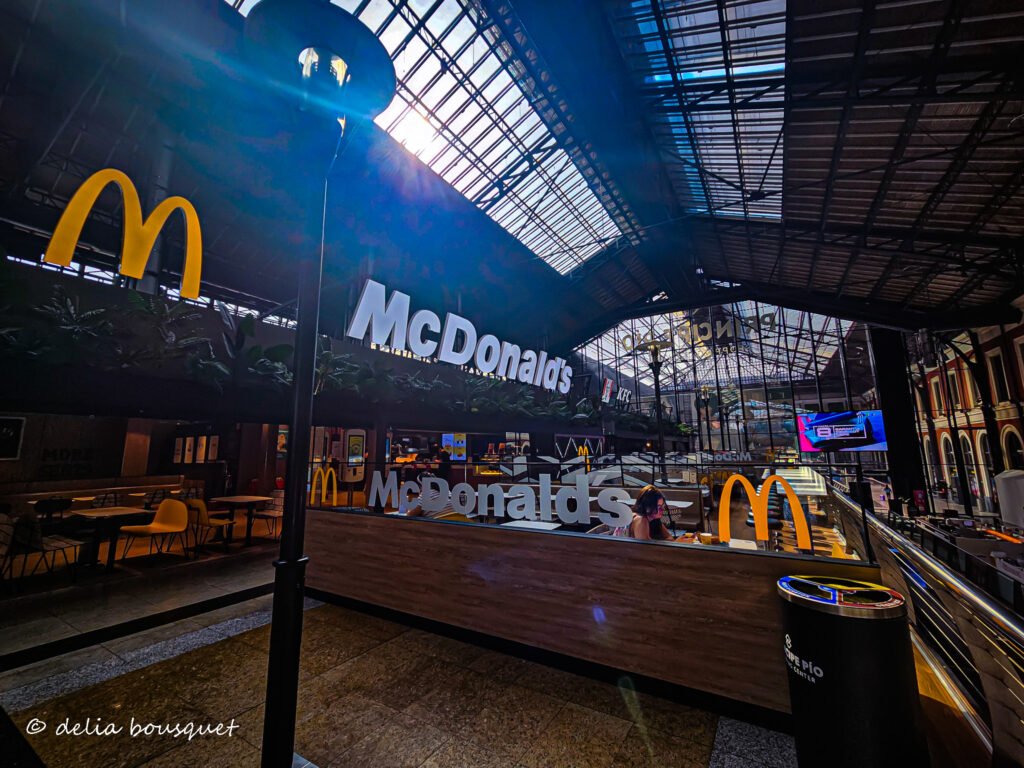
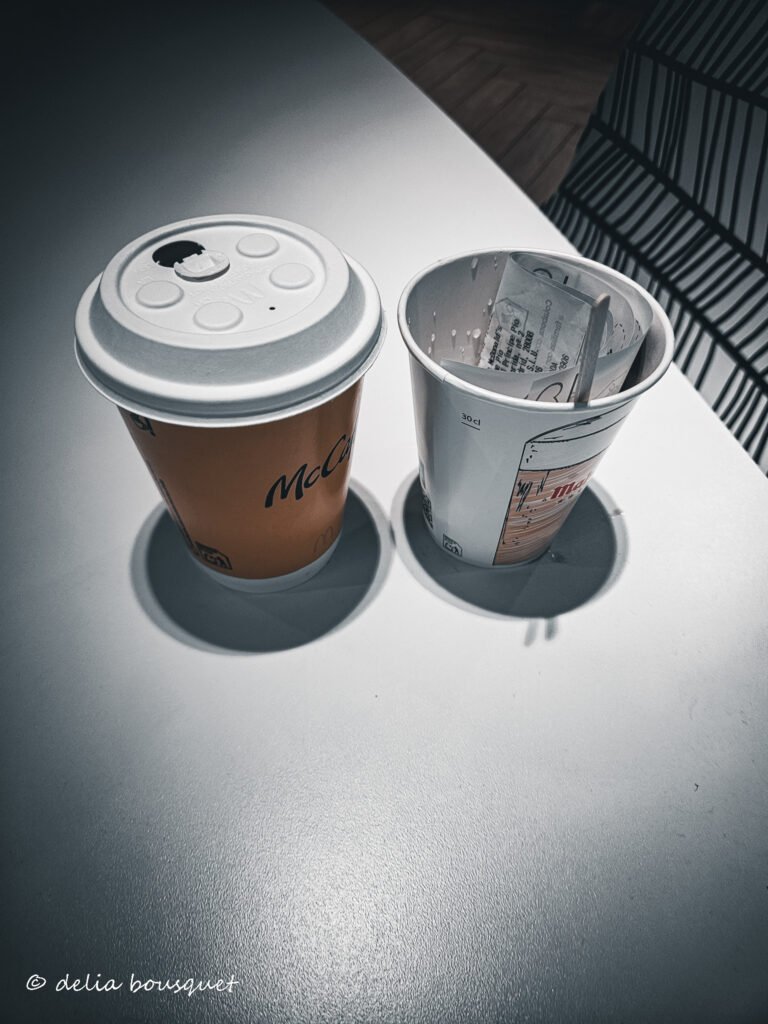
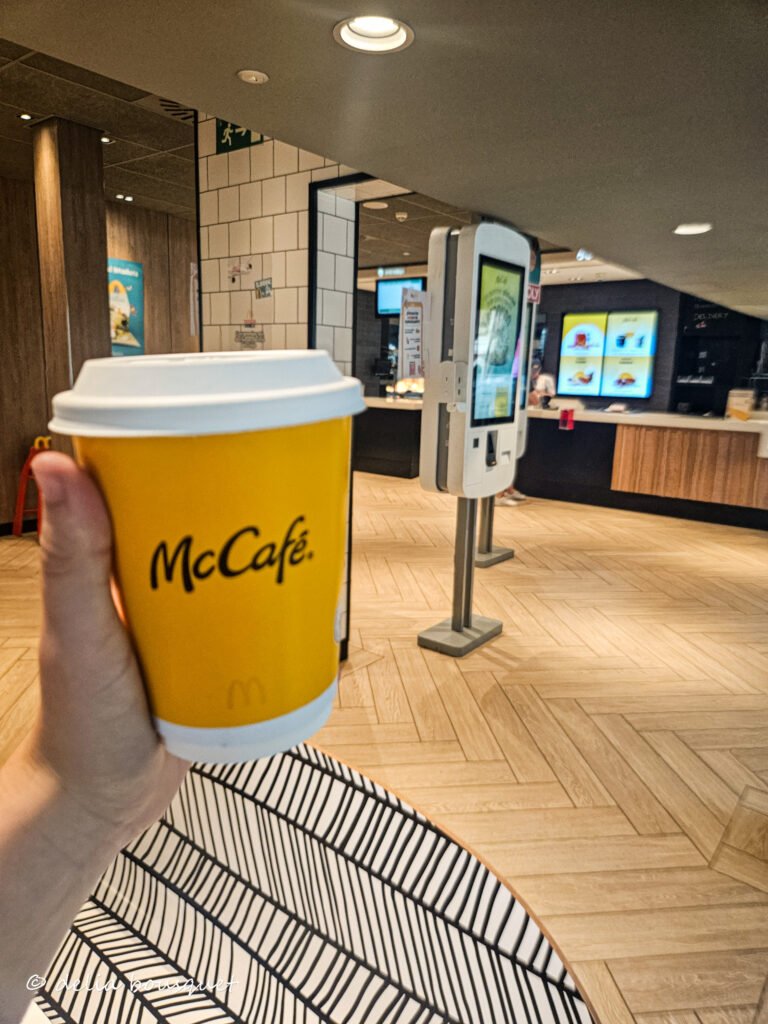
At 10 a.m., I finally went into the mall. First thing I saw? McDonald’s. I thought, “Maybe I’ll be a little American and get a Frappuccino.”
Nope. Not in Spain.
Mickey D’s here doesn’t do Frappuccinos. Just espresso. So I ended up with a mocha latte and a separate cup of ice.
Pro tip: when handed a hot coffee and a cup of ice, don’t. Just… don’t. It tastes bad. You’ll regret it.

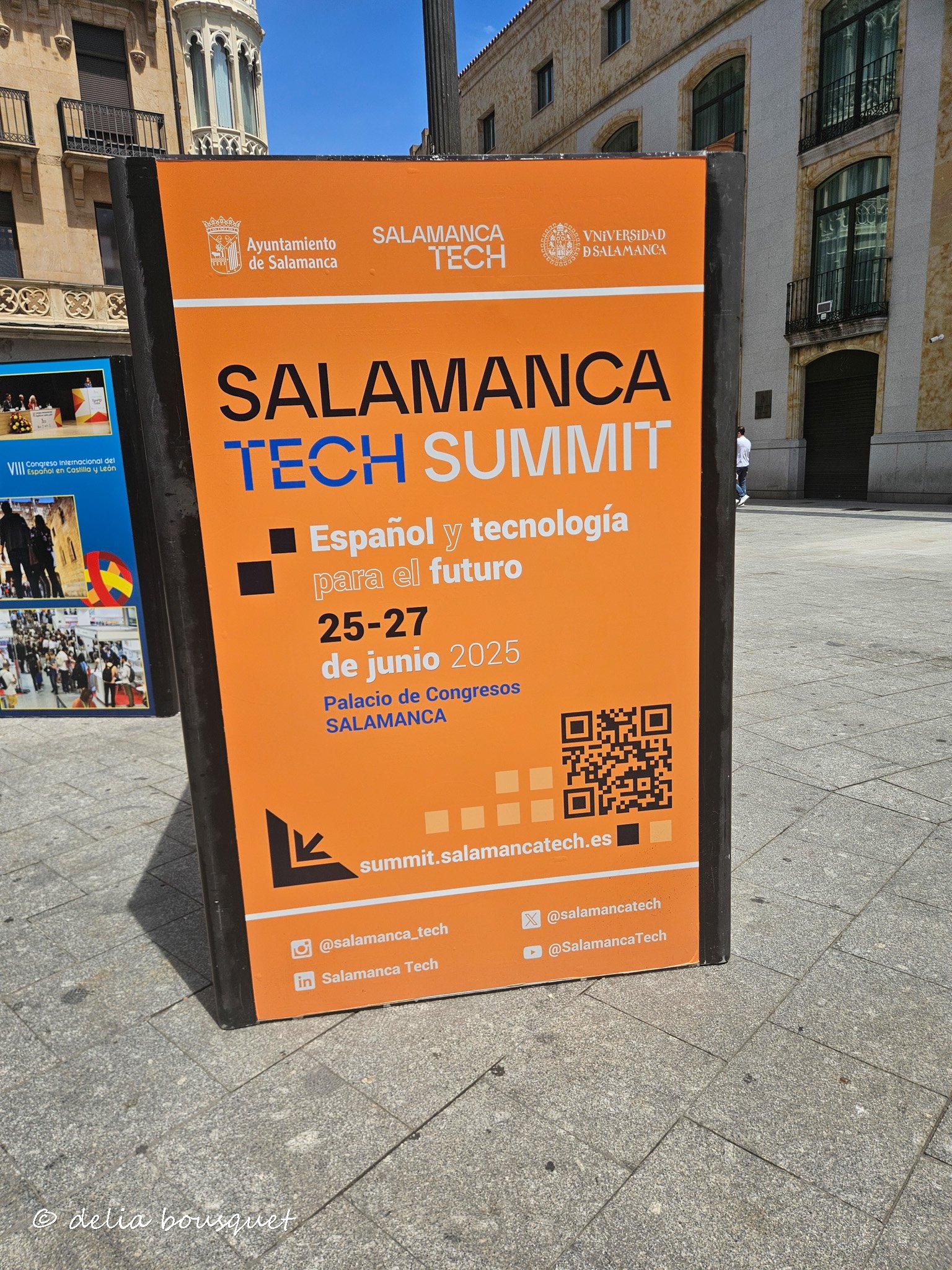
Eventually, 11:10 rolled around and I boarded my train to Salamanca to meet up with Pablo, my high school Spanish teacher, and his students. Unfortunately, they were on a day trip to Segovia, so he sent me a list of things to do.
Fun fact: Salamanca is close to Madrid geographically, but somehow still a three-hour train ride on a media distancia—aka a slow train with no Wi-Fi and no data as we passed through the desolate Spanish equivalent of Iowa.
Once I arrived (alive but spiritually wilted), I checked into my hotel—successfully, in Spanish! Then I hit the supermarket and crafted a highly nutritious comida (lunch):
- Galletas
- BBQ-flavored Doritos (disgusting, too sweet)
- Pepsi (also disgusting—Team Coke forever)
I’m segura that every local who walked by thought I was crazy, just sitting on a public bench eating cookies and Doritos like it was my last day on Earth. But es lo que es.
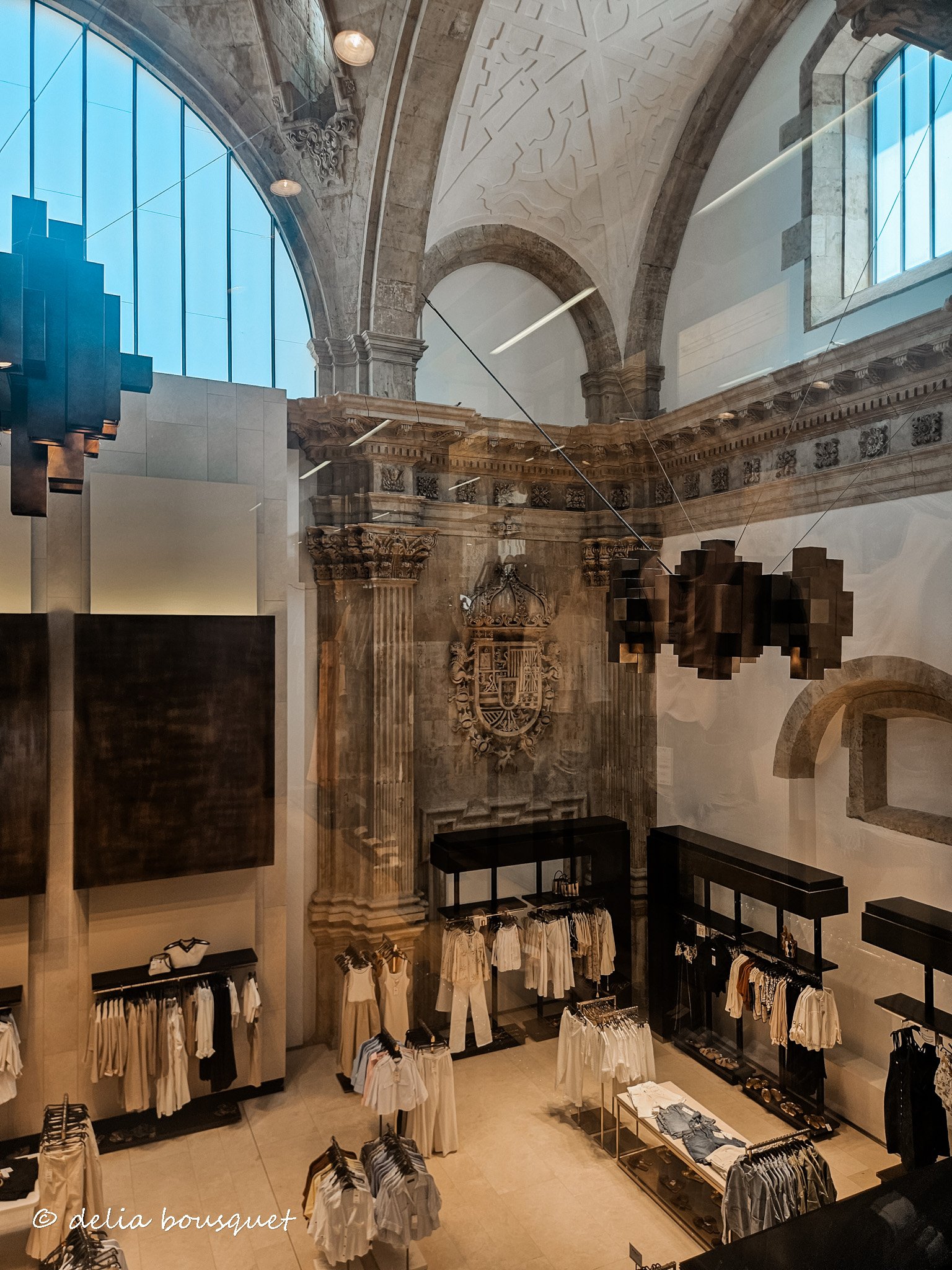
Then I set out to complete Pablo’s List. First stop: Zara. Yes, the clothing store. Supposedly, there was a “surprise” there for me.
I wandered into the first Zara I saw, climbed all three floors, and started thinking Pablo had played a cruel joke on me—because it was just a regular store full of boring clothes. No surprise in sight.
I then had an epiphany: perhaps there was another Zara. I mean, why would there not be another Zara right down the road? Well—sí, there was.
This Zara was housed inside the beautiful architecture of an old iglesia (church), and it was actually quite pretty.
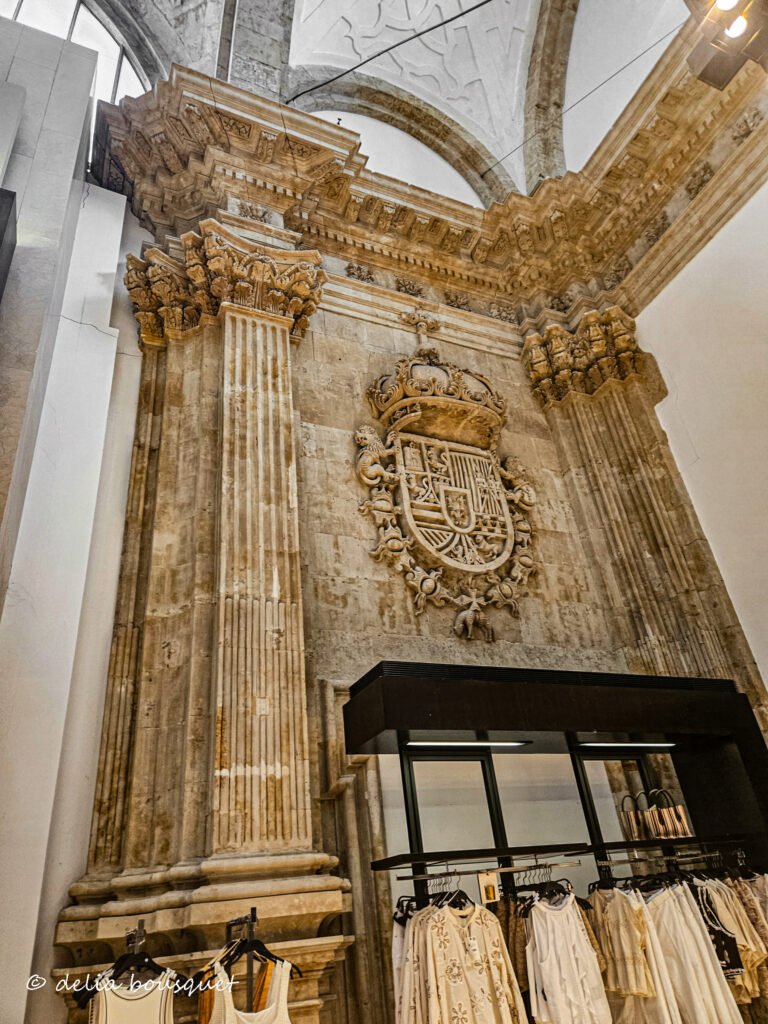
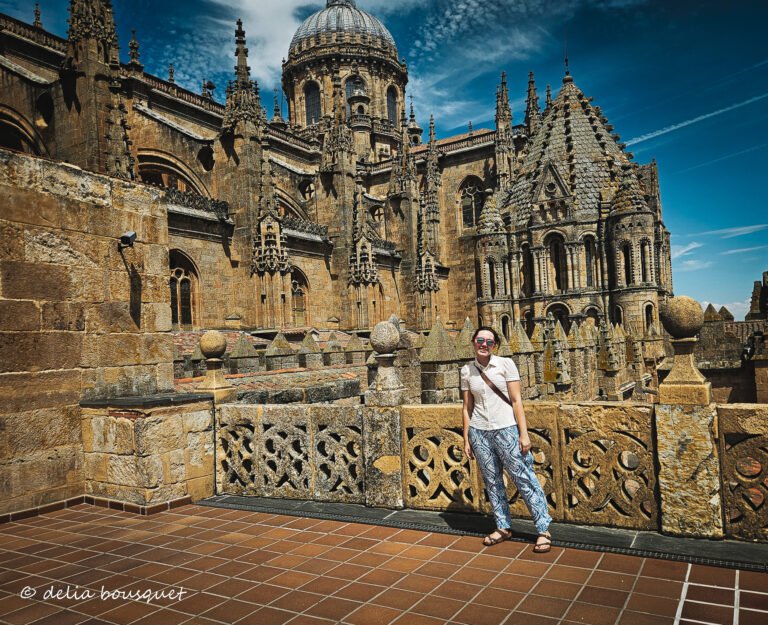
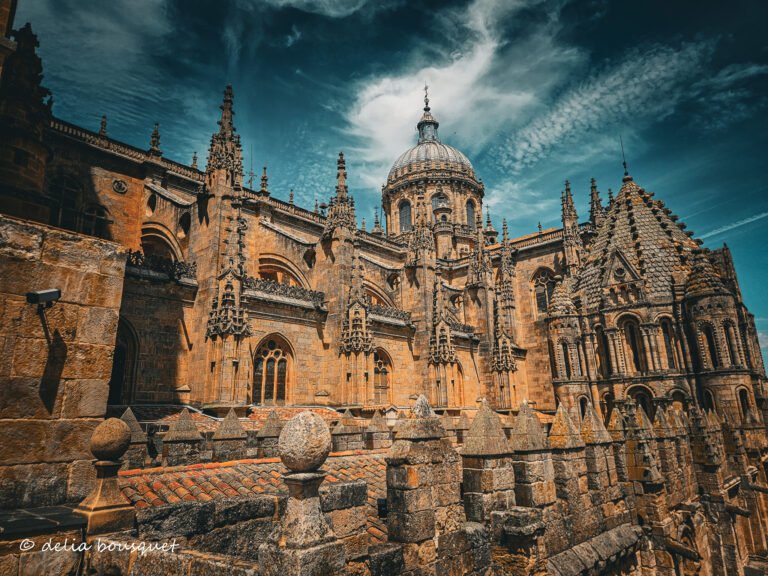
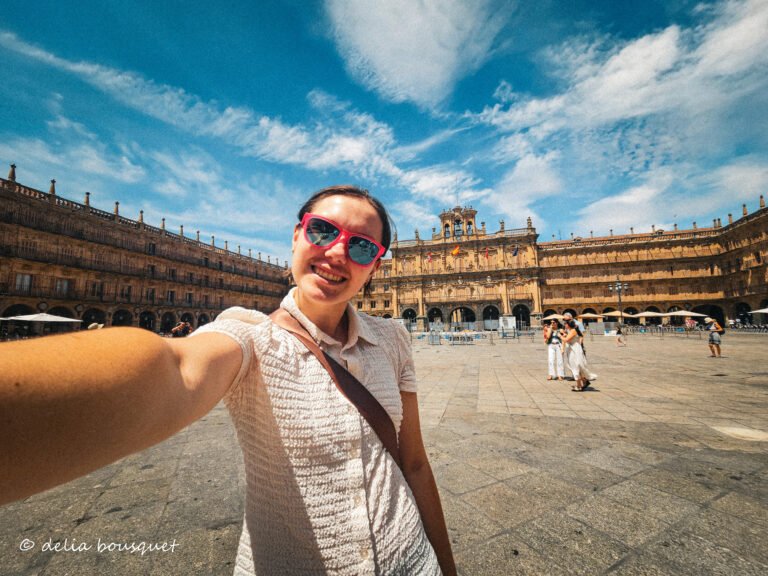
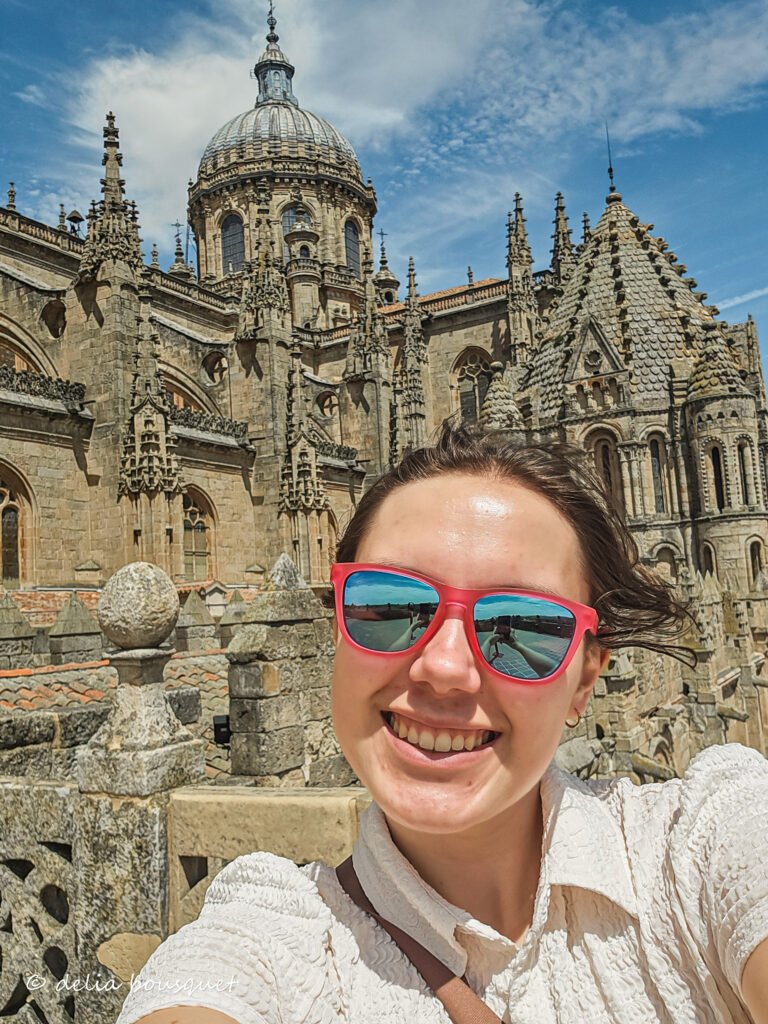
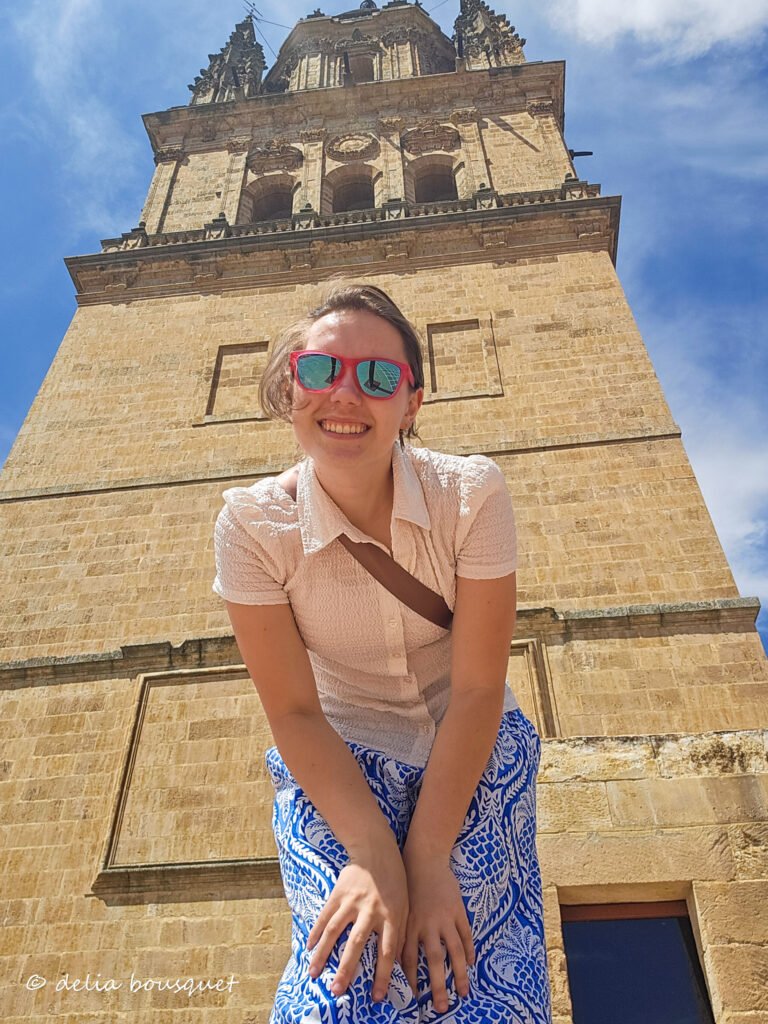
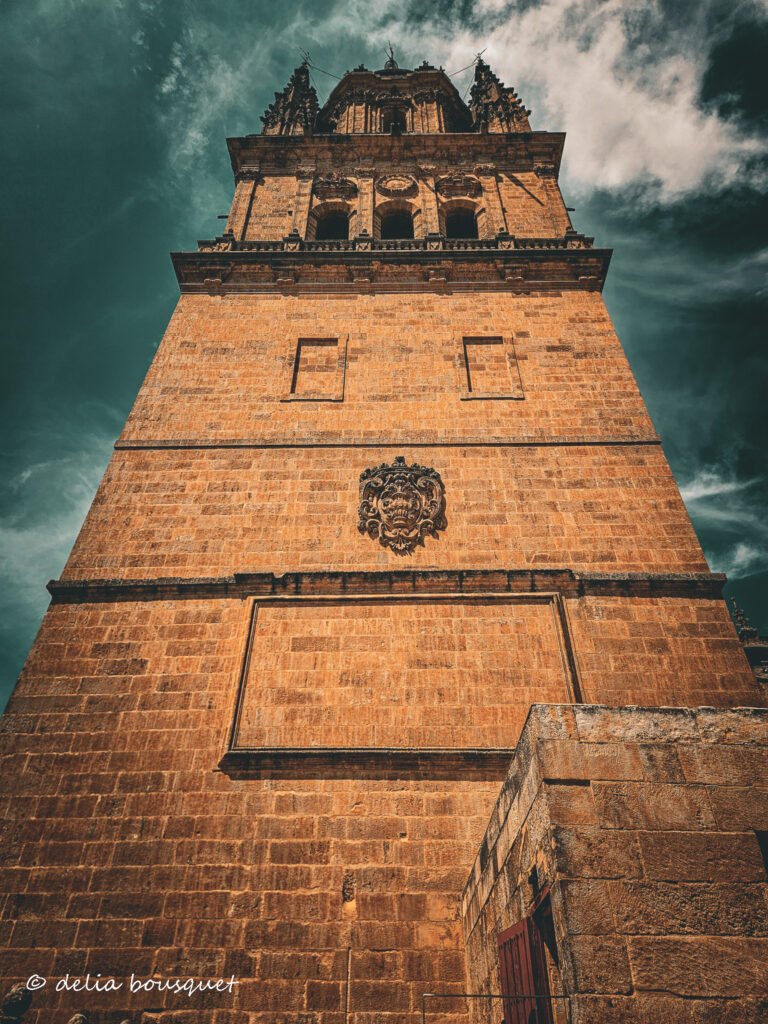
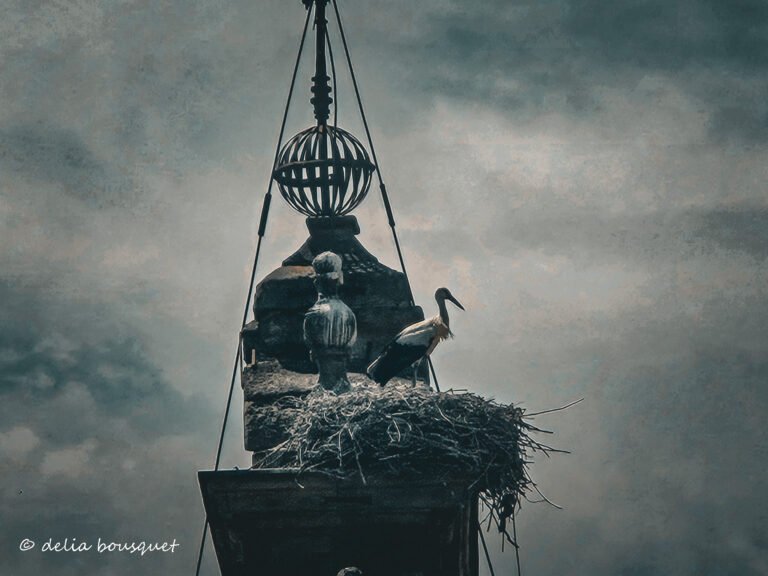
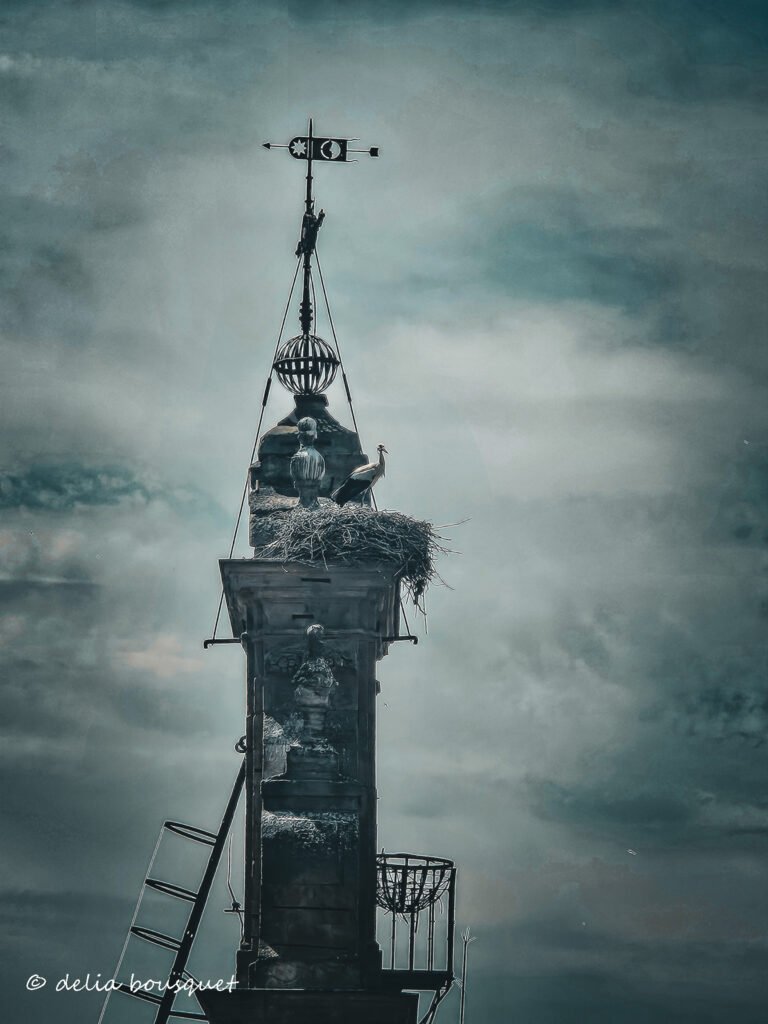
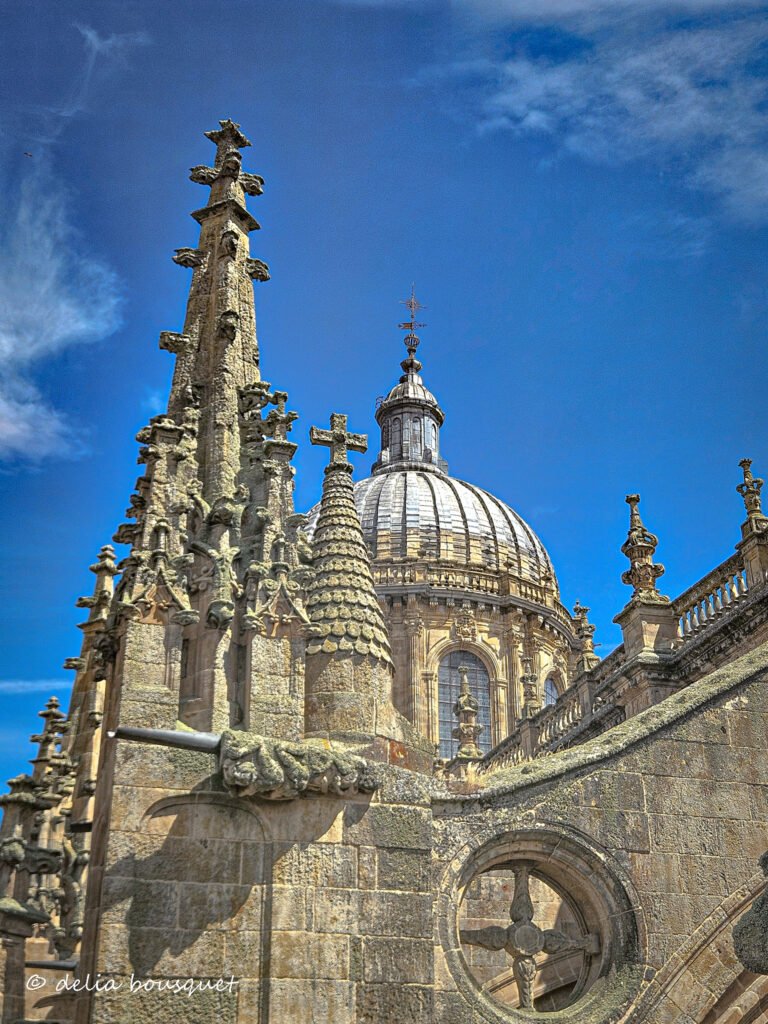
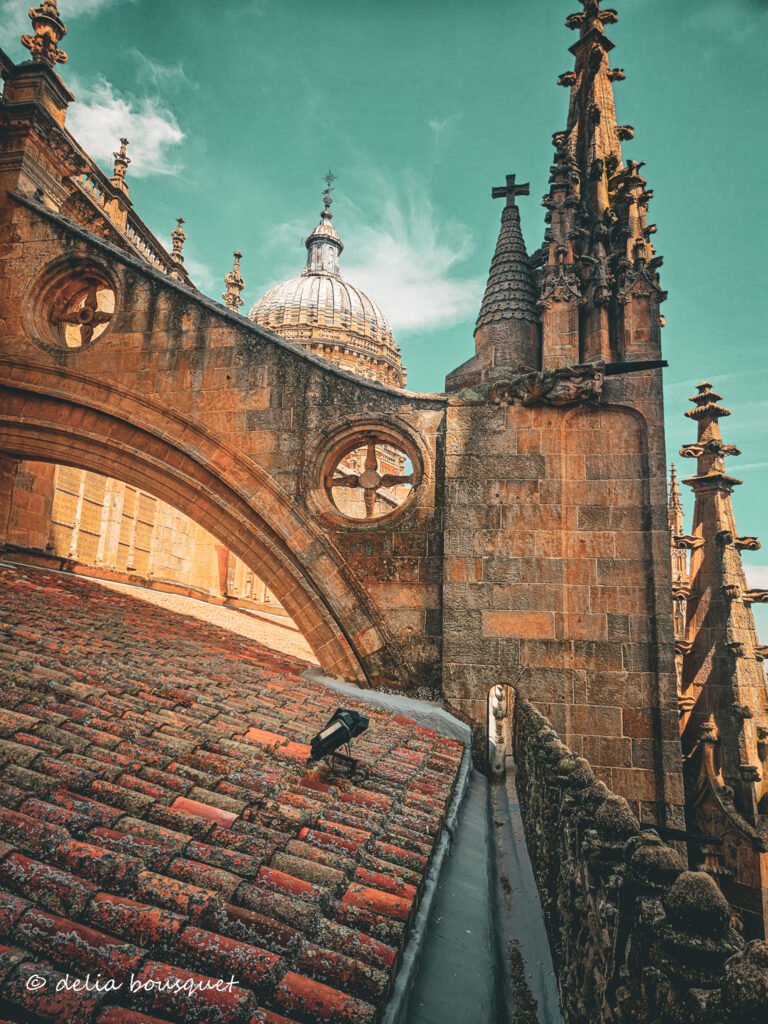
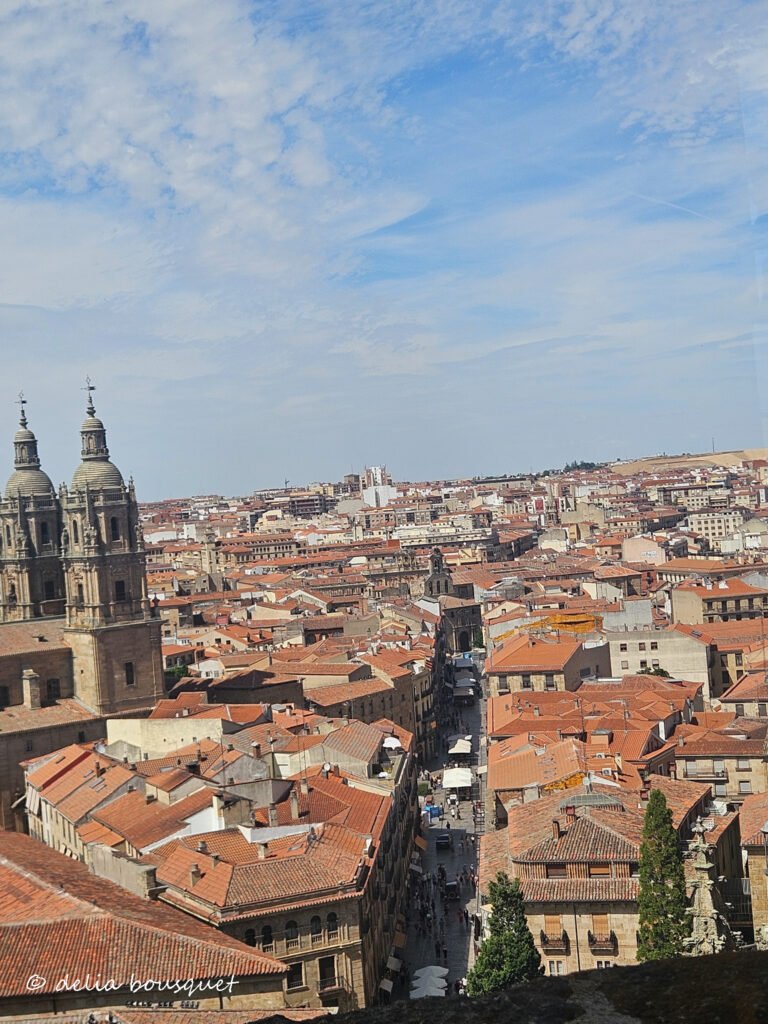
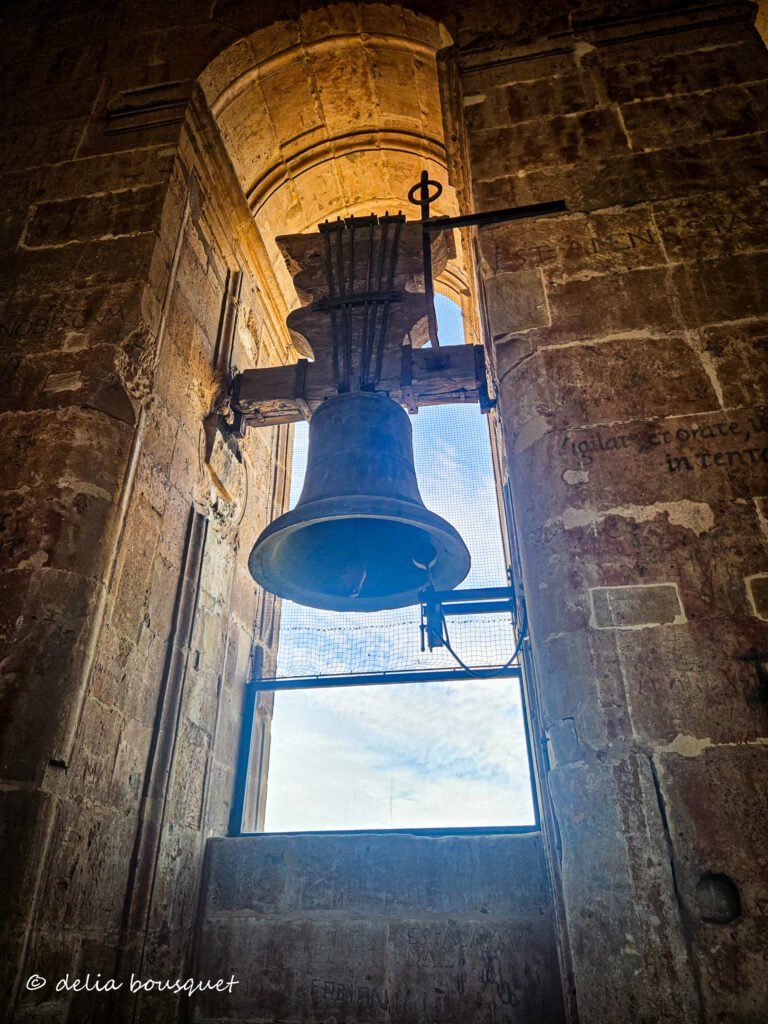
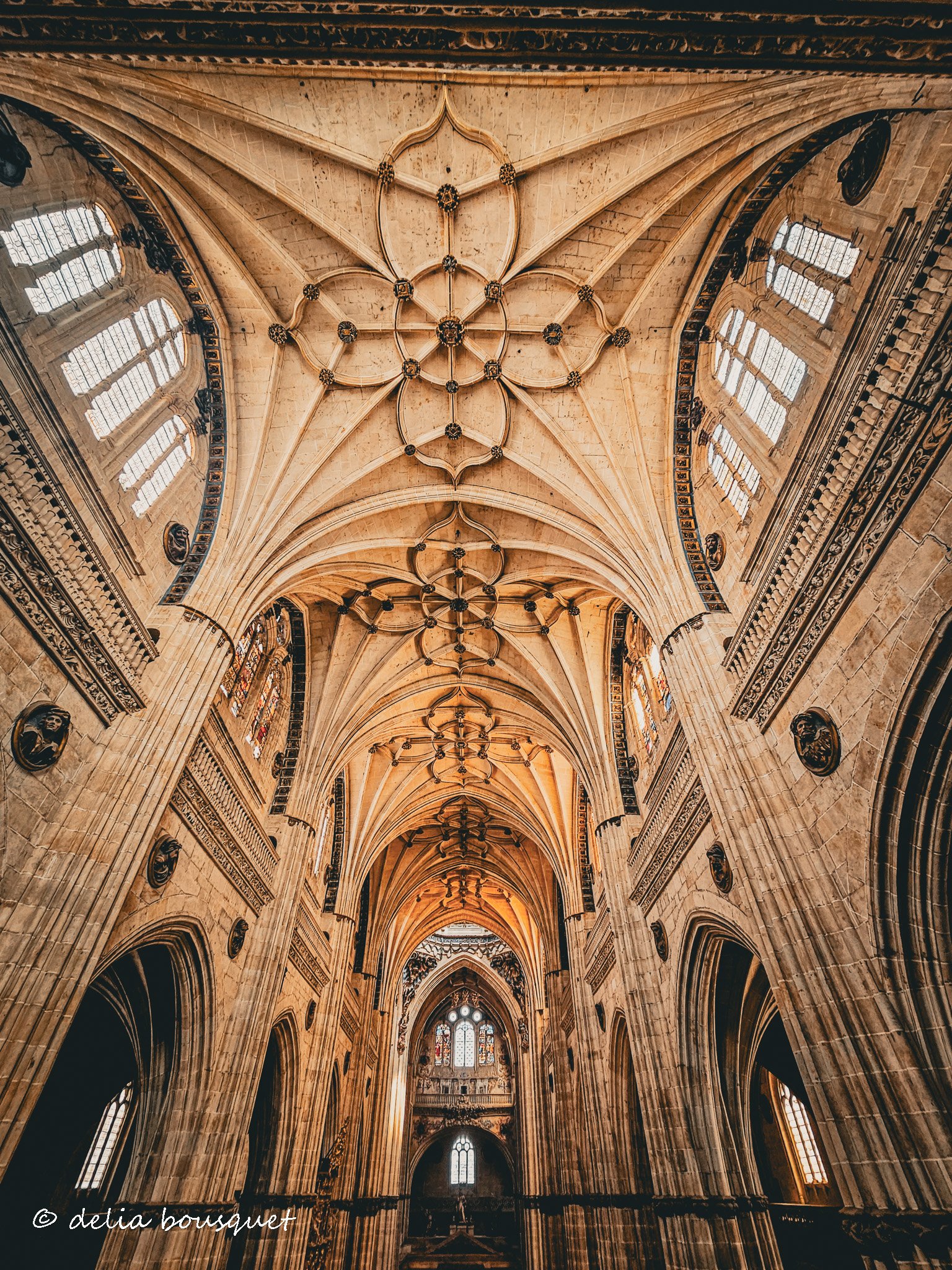
Next stop was… I’m forgetting the name, but basically a walk up to the top of a cathedral. I got to go on the roof and see more of the roof, as well as the whole city. It was absolutely gorgeous.
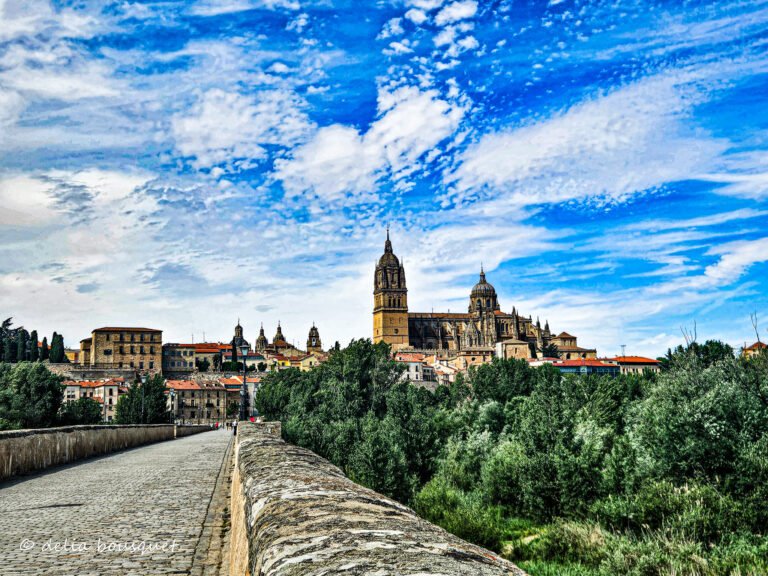
Now, I do have to say—the inside of the cathedral was not nearly as beautiful as the one in Toledo, but I think the Salamanca cathedral’s exterior was even more impressive, especially because you can walk on the roof.
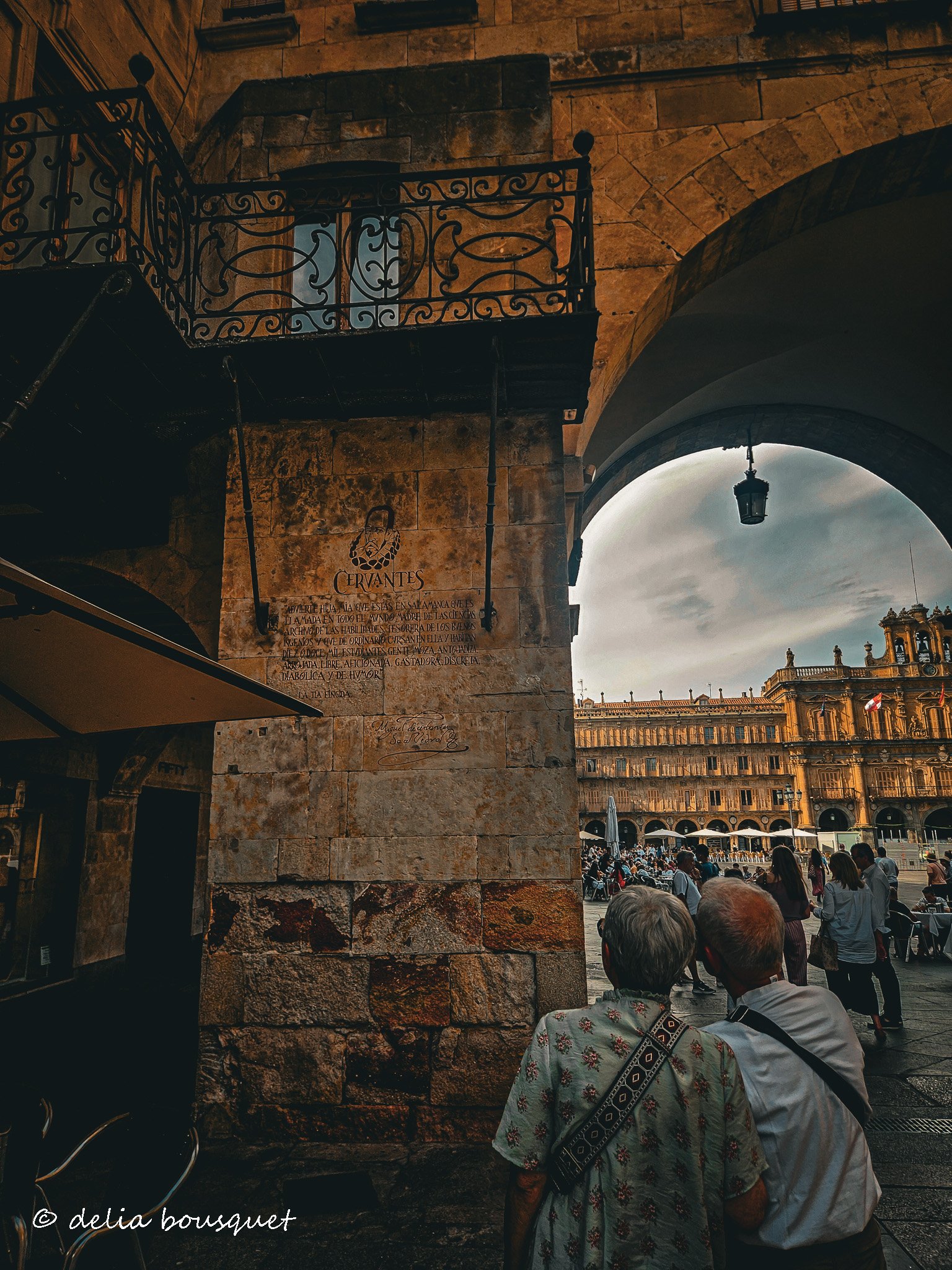
Post-walk, my next stop was supposed to be some kind of art museum situation. But honestly, after four weeks of art history lectures… I just didn’t have it in me. So instead, I went on a super long walk around the city exploring. Salamanca is such a pretty city. Maybe not as stunning as Toledo’s winding streets, but still very pretty.
One benefit: unlike Toledo, it’s super easy to get around, and the new part of the city is very accessible from the old. Can’t say the same for Toledo, where you have to literally climb down an entire mountain to get to anything remotely modern.
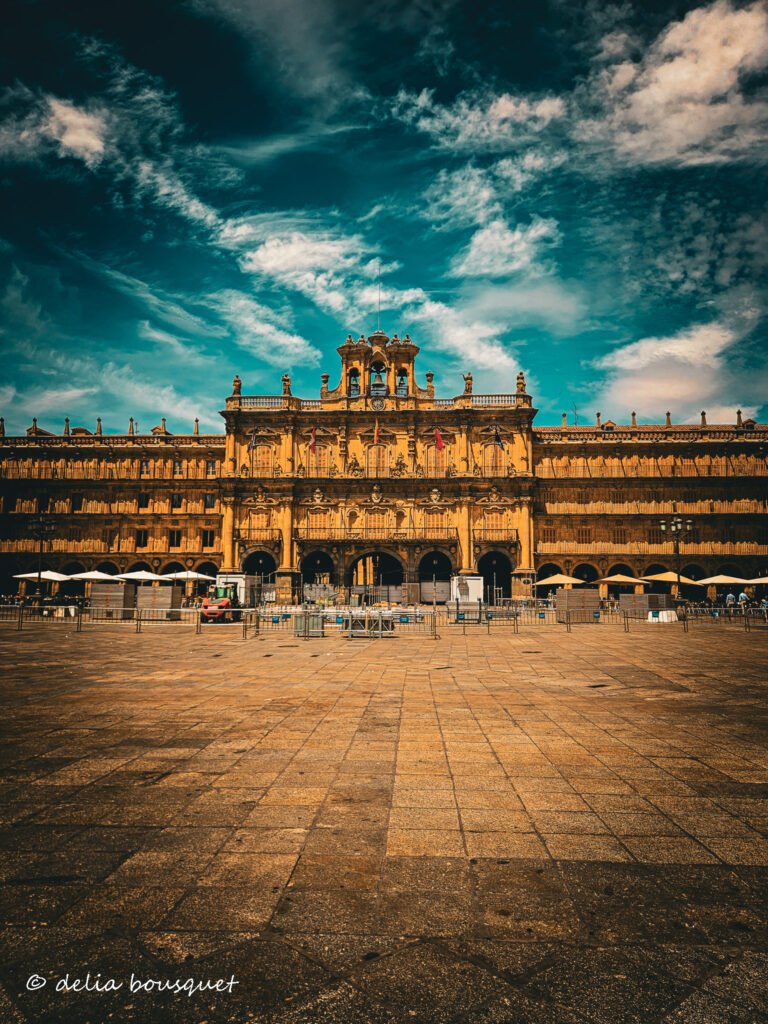




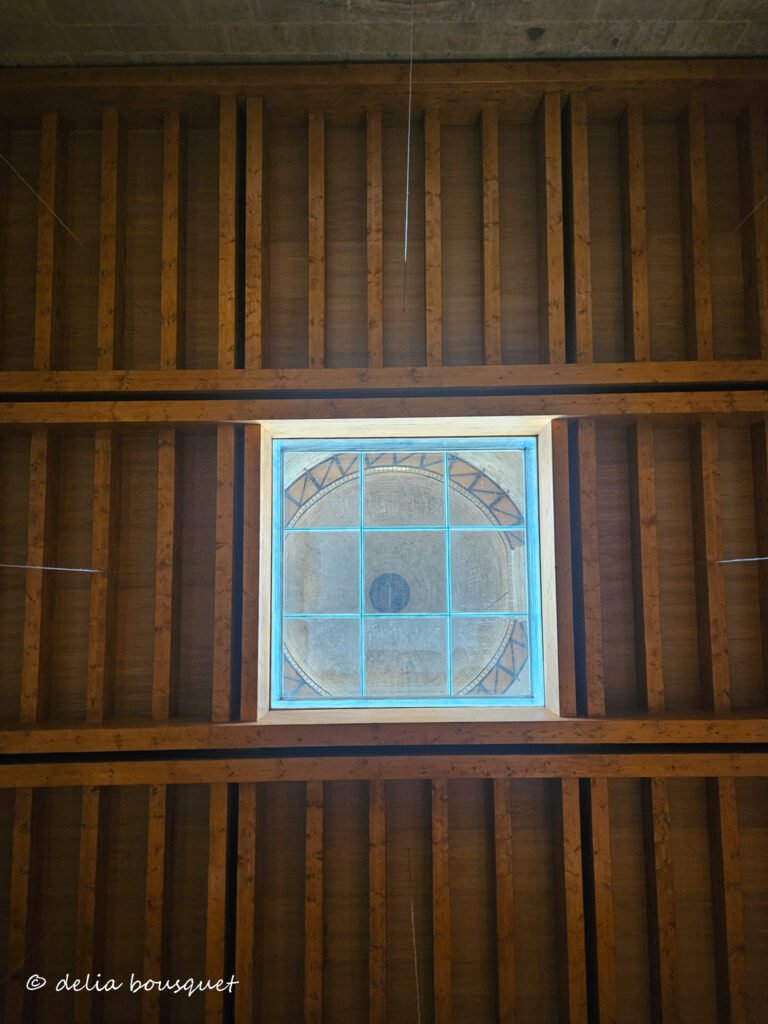
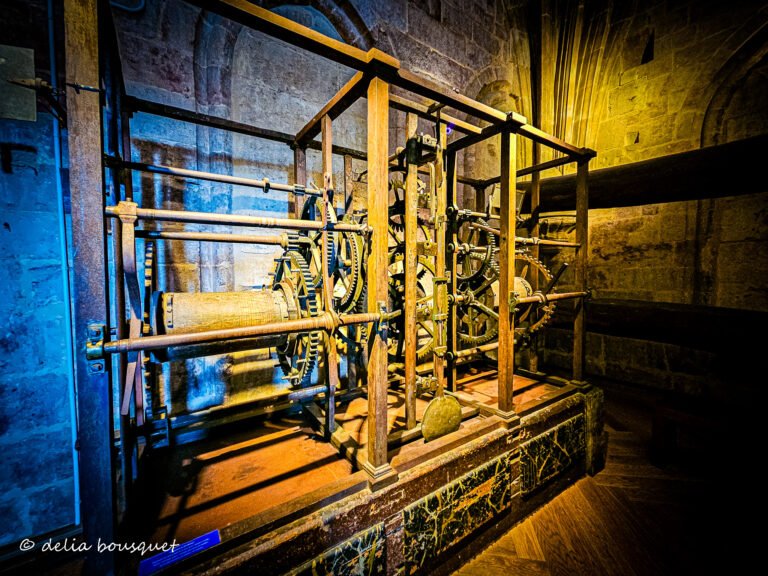
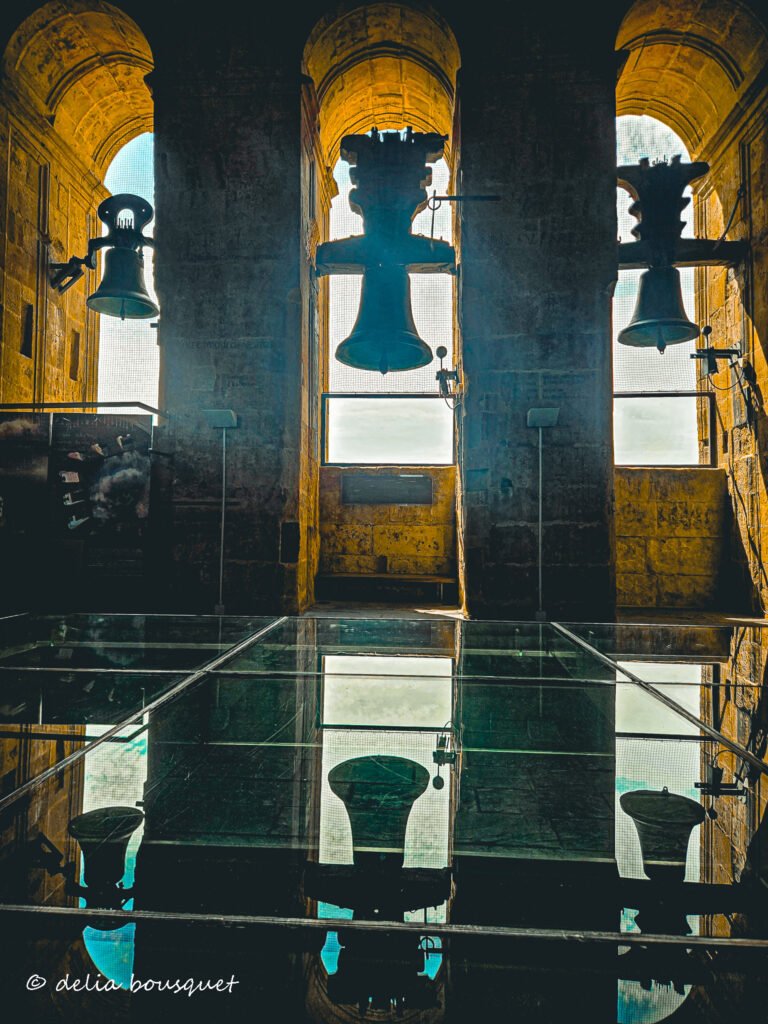
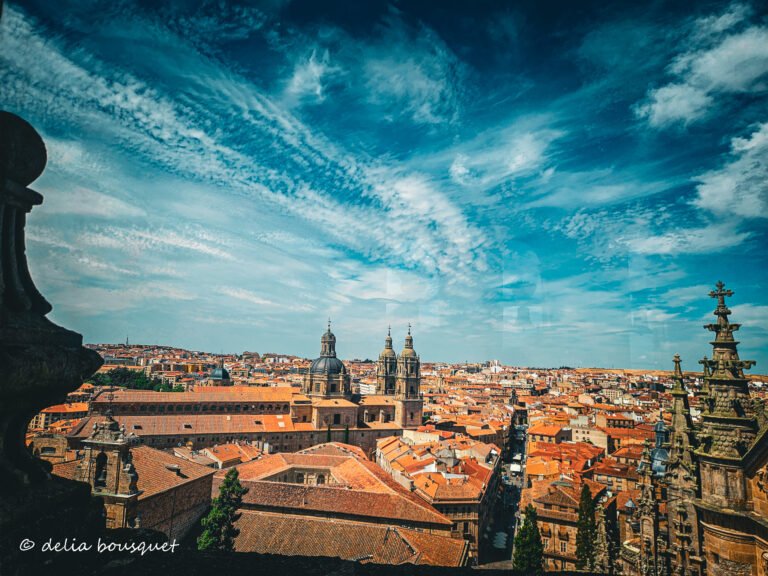
That night, I had an early dinner with Charlotte (hopefully that’s how she spells it), a friend from Pomfret. It was nice to catch up, hear all the tea, and, of course, give out some great life advice (well, minus the story about coffee and melatonin… don’t ask).
I then headed back to the hotel where I attempted to shower… but it didn’t work. I even consulted the parentals, who—for the life of them—could not figure it out either. Things were unscrewed, screwed back in, twisted, turned, and hit aggressively, but all I got was bathwater and no shower.
Good thing they always have cups in hotels.
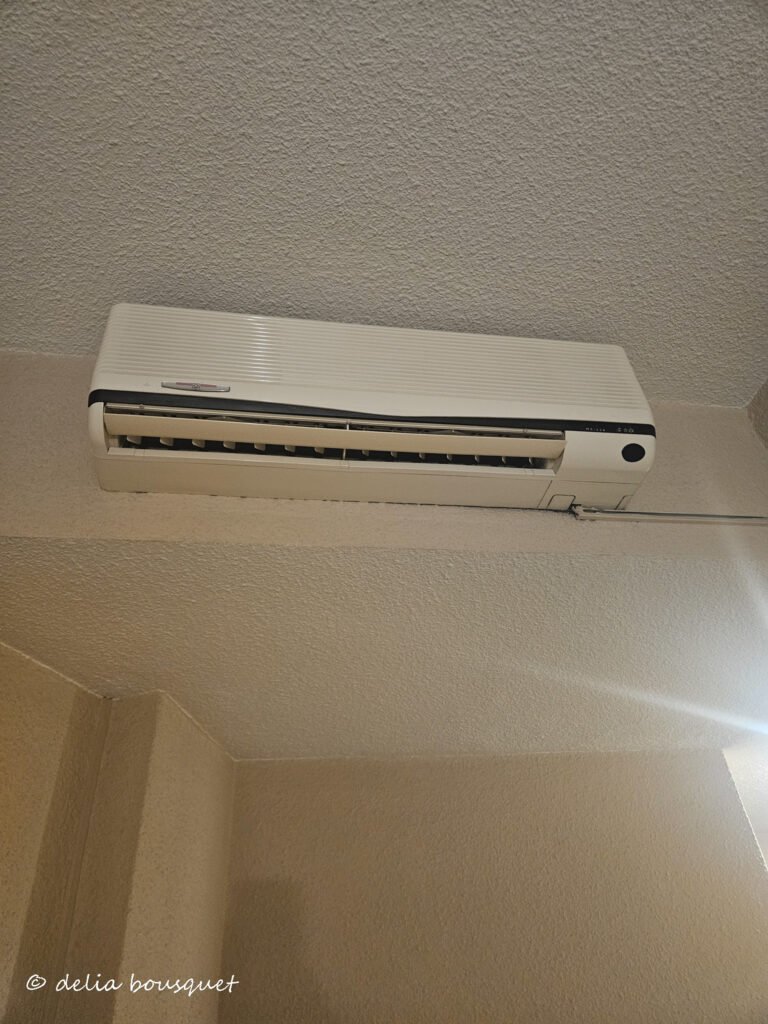
Following the best night of sleep of my life—thanks to my own personal AC in this tiny room—I went out for a delicious pain au chocolat and café. The pastry was delish; the coffee, questionable. But hey, good price.
I then finally met up with Pablo and got a super quick tour of his new apartment, which, to my understanding, he now owns—but it used to be his childhood home (hopefully that’s right). It was super cute. #lifegoals.
Honestly, that’s what I’m looking for in life: a cute piso in a cute Spanish city with a super cool espresso machine and a basket-like donkey hanging above my bed.
Pablo, any life advice on how to achieve this? If you’re ever looking to sell, I might know someone very interested 😉.
I also got to meet Charity, Pablo’s partner who helps with the trip—and of course, she was very nice – as well as their maid Consuela who mid-day became trapped in a dark spot all alone with no one to help her… Ok, maybe Consuela is a Roomba.
We then headed out to meet the students and get on the bus for an excursion.
Fun fact: I had absolutely no idea where we were headed. All I got was a message from Pablo along the lines of:
“Do you want to go on a trip to a cute town?”
And me, being the adventurer I am, was like: “Of course.”
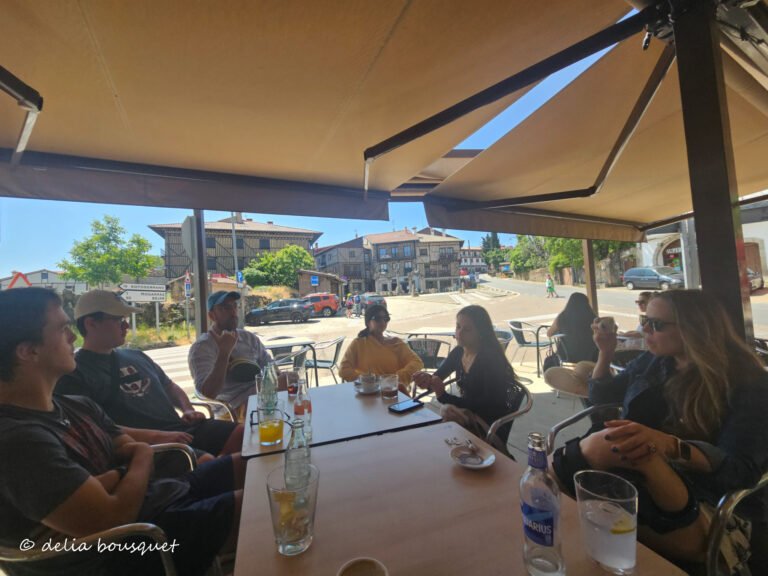
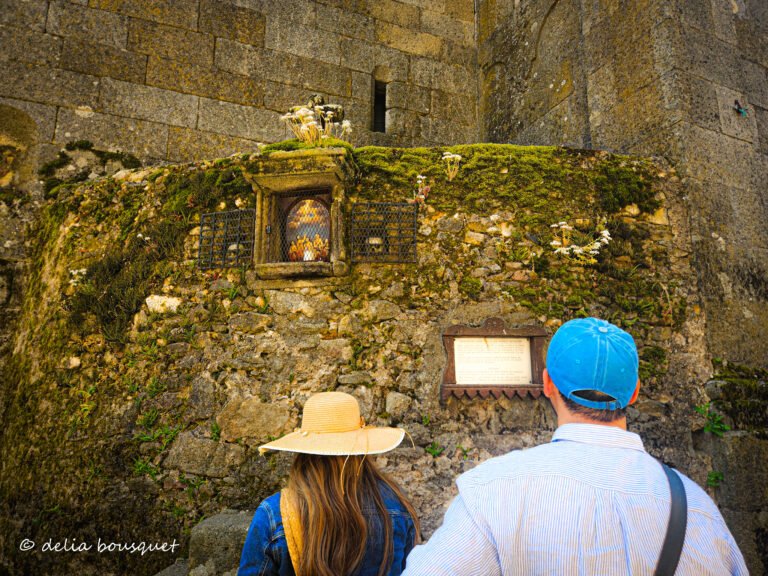
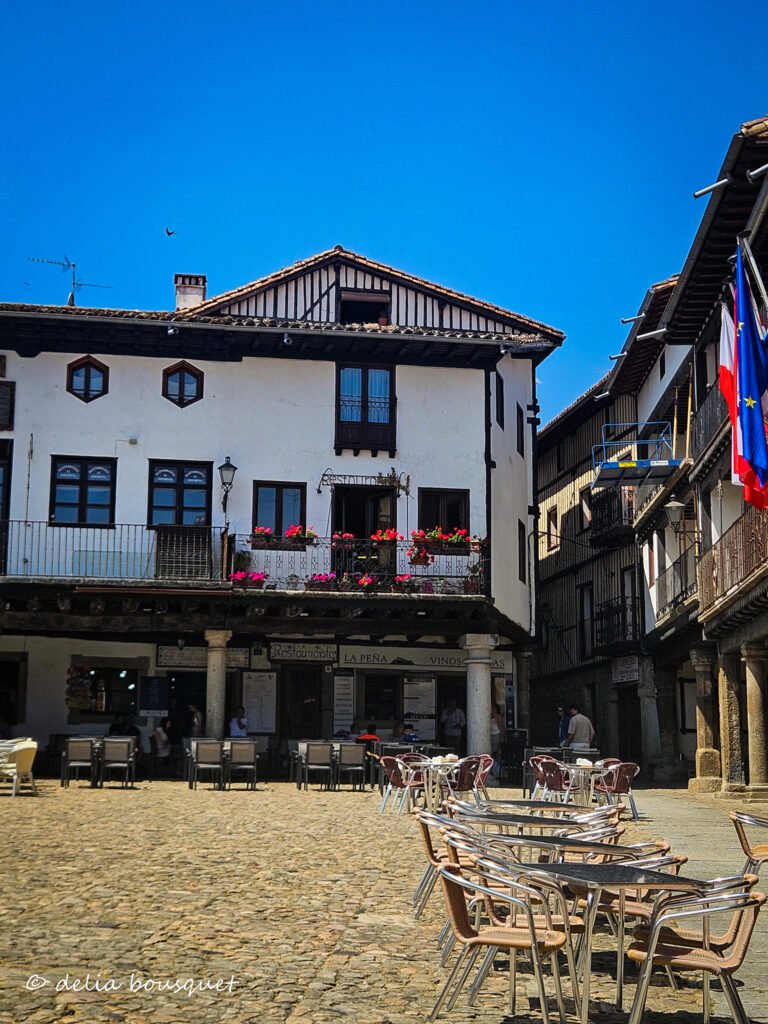
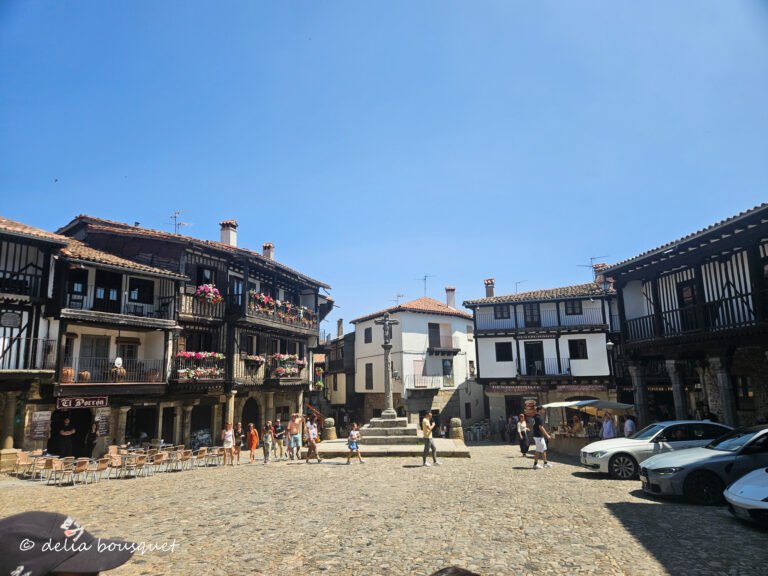
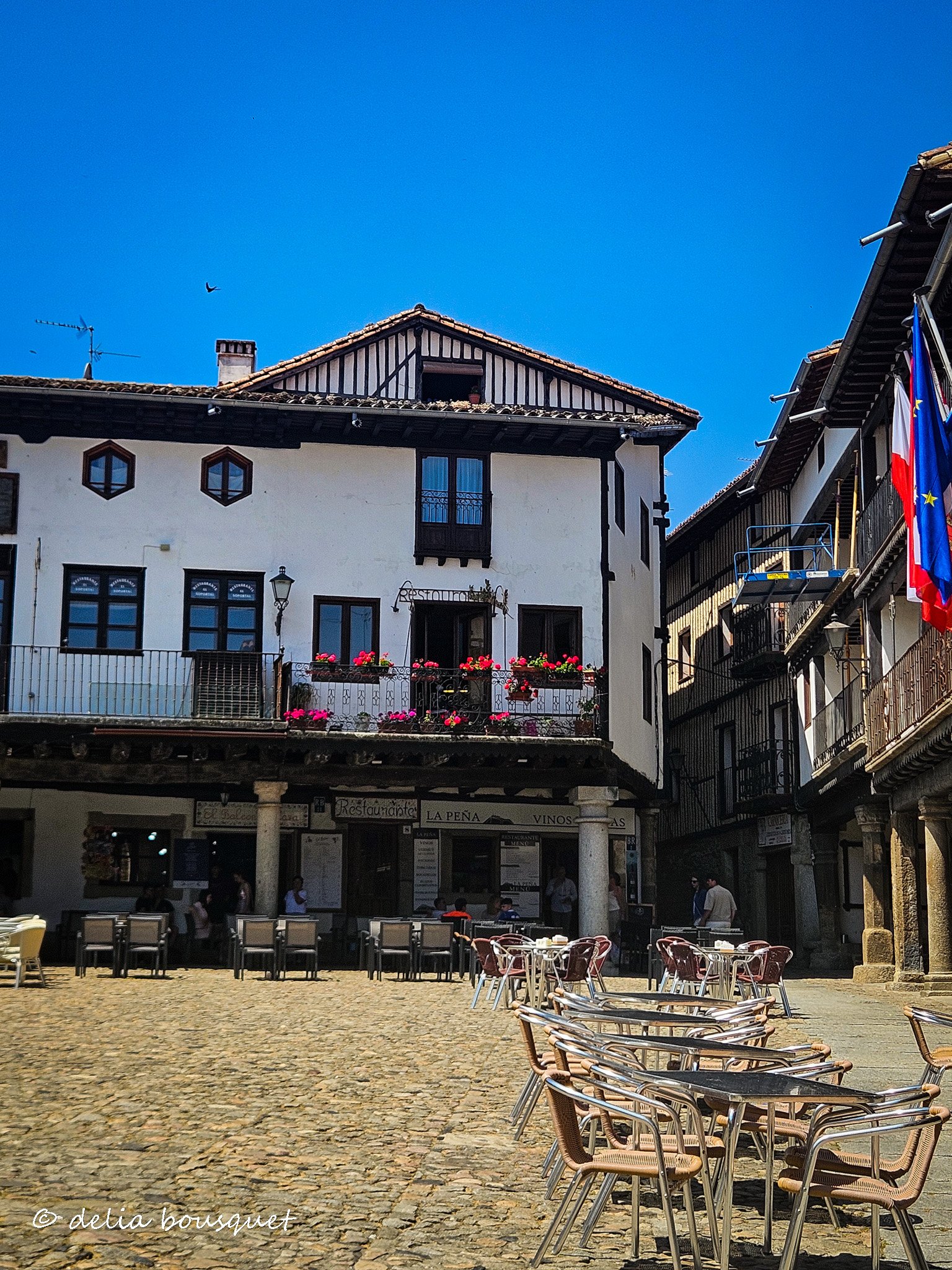
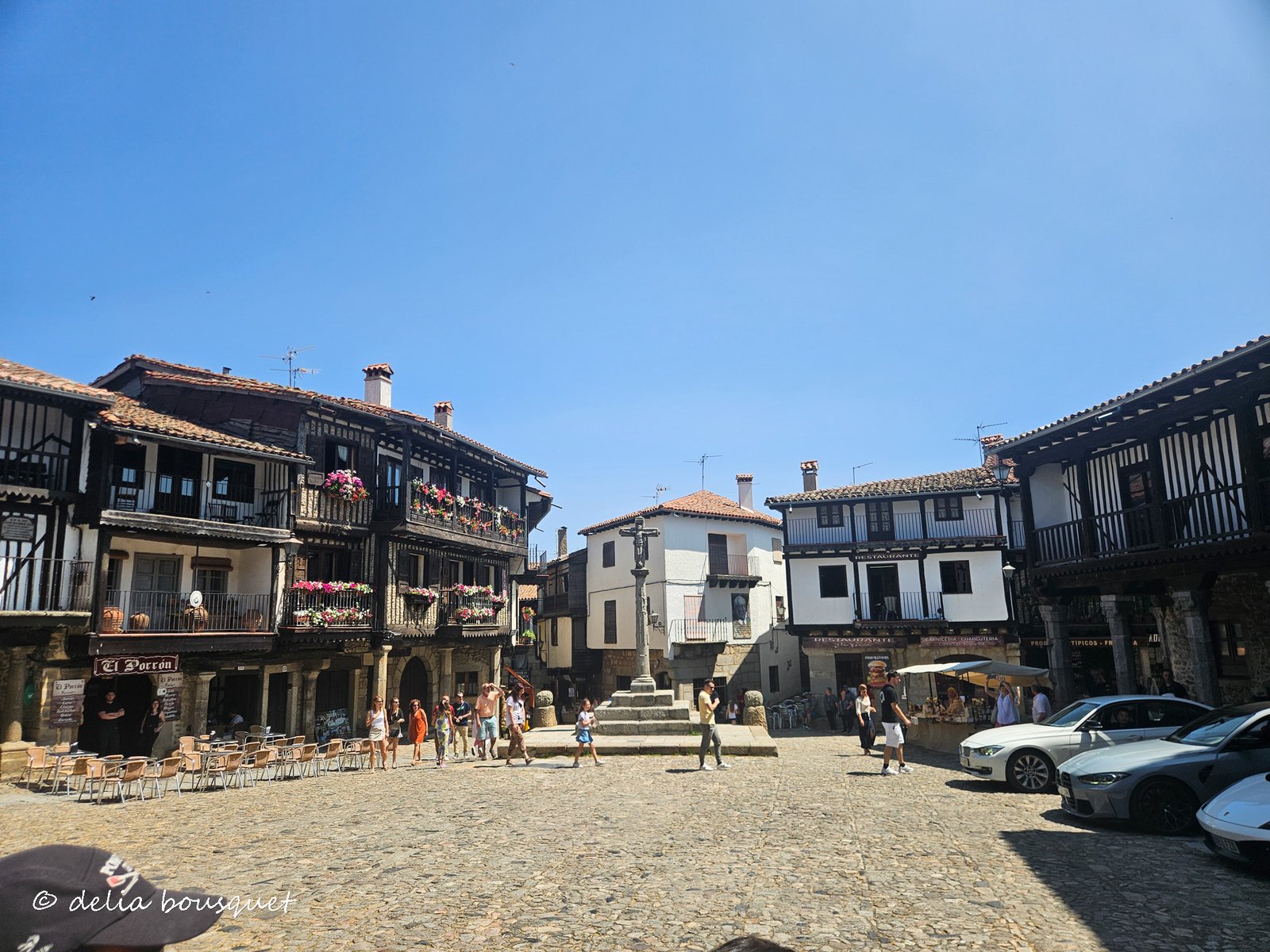
Turns out, we ended up in _____________ (I have the name written down but am feeling too lazy to go find it), a very cute town with a more complex history. After the expulsion of Muslims and Jews, the French were brought in to live there, which led to the creation of a Toledo-esque town filled with French-style buildings.
It was kind of jarring coming straight from Toledo, because every time I looked up, I was expecting those Toledo-style buildings—and instead felt like I was in a small rural French village.
It was fun getting the town’s history from Pablo, though the niños were perhaps less interested and more focused on the town’s shopping options. I had so many questions, but restrained myself for the kids’ sake.
All of these interactions were in English. I was fully ready to bust out my brand-new Delia Spanish 2.0 and talk to the kids in Spanish, but all the instruction was in English.
I’ve been thinking about this a lot. It’s a tough tradeoff with these programs abroad—do you do everything in Spanish for full immersion, and risk students not understanding? Or do it in English and miss out on the language experience?
Princeton in Spain did the full-Spanish approach. It was great—though I truly could not tell you how the windmill works or why there was a windmill dedicated to some actress, or the specific details about certain paintings (that last one might be on me for not paying close attention).
Maybe for lower-level students, it is better to speak in English. But honestly, my Spanish only started improving when I got thrown into the deep end at Princeton, where they were like:
“Vale. En este aula, no hablamos inglés.”
Maybe that’s just what I needed. I do understand the struggle to maintain that strict Spanish-only balance while also trying to teach a U.S. class abroad. My professor navigated that so well—it was actually really impressive.
This is not at all a criticism of Pablo or his class. Quite the contrary. I think he does an awesome job. His program really feels like he’s bringing you home, rather than what Princeton in Spain sometimes felt like—a Princeton class that just happens to be in Spain.
What I’m trying to say is that it’s hard to run programs like these. And teaching Spanish is hard in general—especially given the variety of research out there. What works for one student may not work for another.
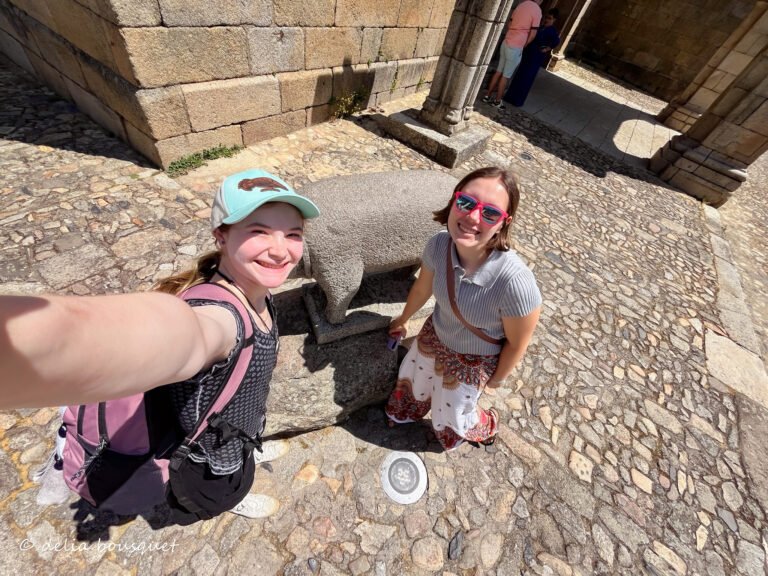
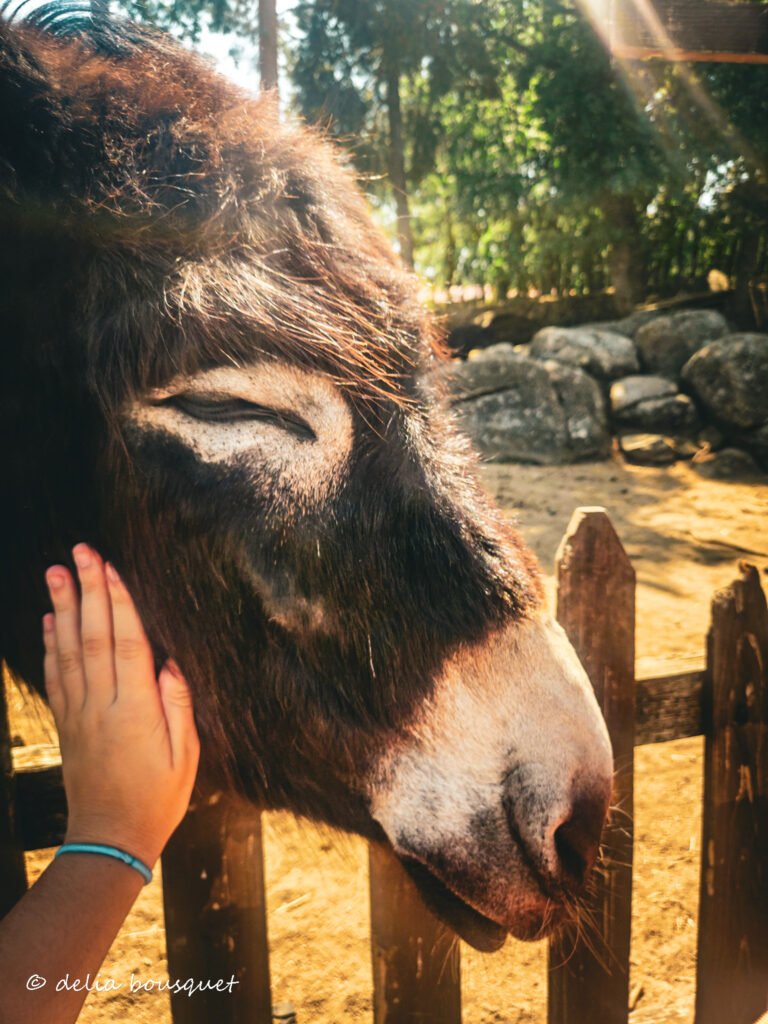

Following the shopping spree, we headed to lunch.
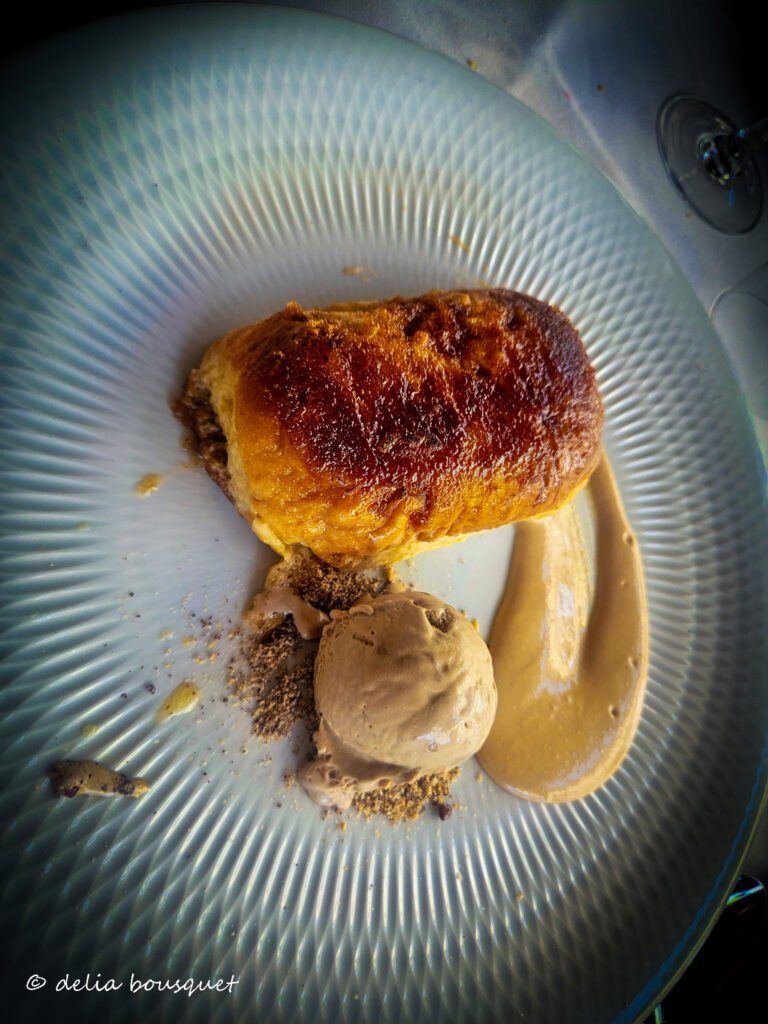
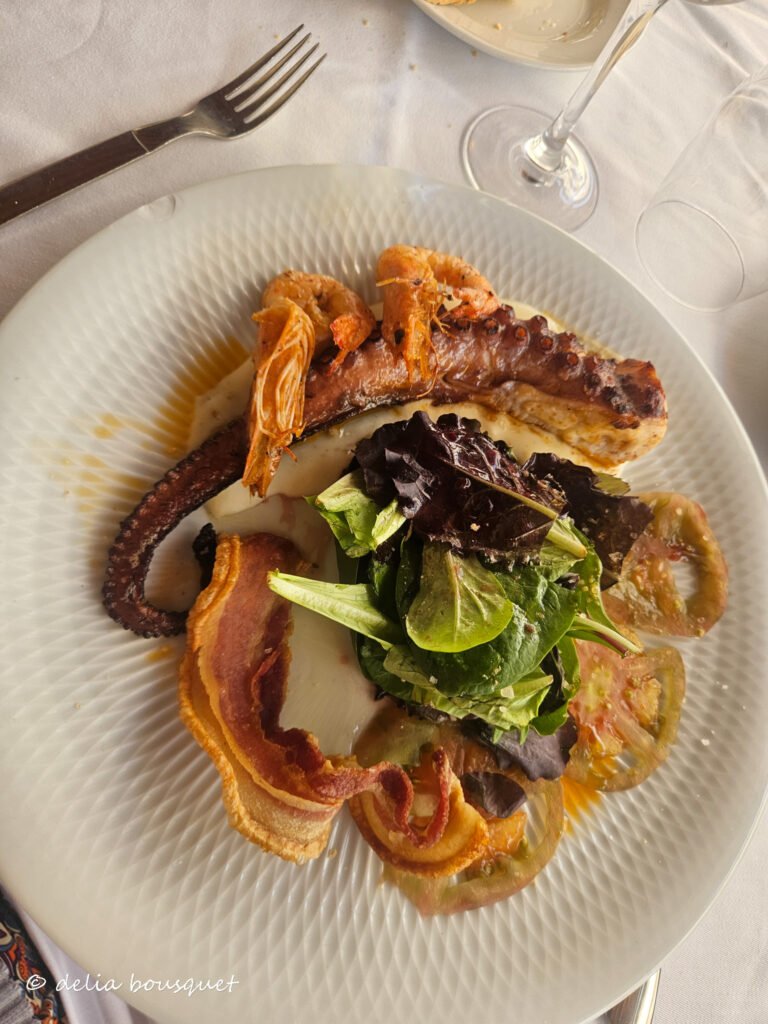
Now, I think Princeton in Spain should take notes—because oh my God, this was like a fine dining experience compared to the raw meat I showed y’all last week.
Personally, I finally got to try pulpo (octopus), something Princeton in Spain promised I’d get to try but never delivered. Other students had, no joke, entire slabs of meat brought out to them that they then cooked on little grills at the table. Like hibachi… but DIY.
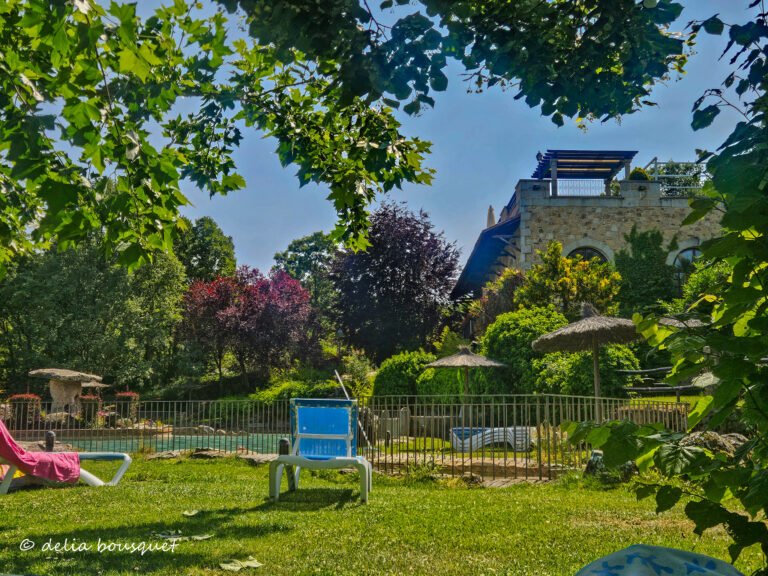
It was a feast. We all left completely stuffed and ready to hit the oasis of a pool at the restaurant/hotel/castle we were at.
It was gorgeous—minus the giant hole in the ground, which, apparently, other students have fallen into in the past.
The water was freezing, but still amazing.
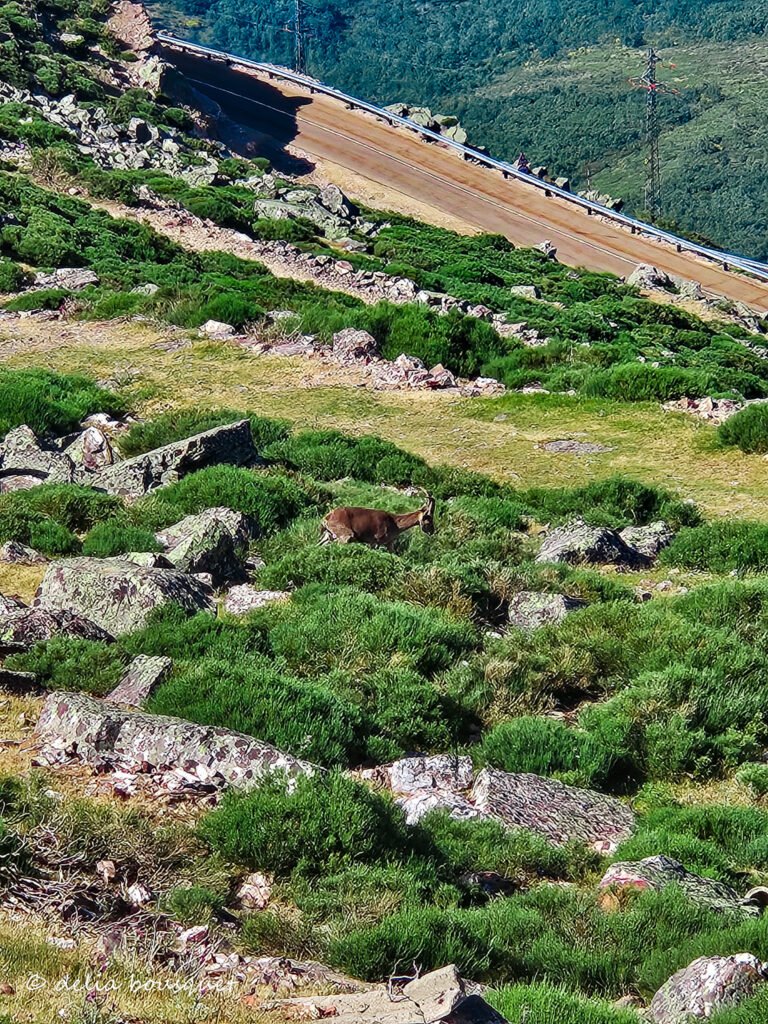
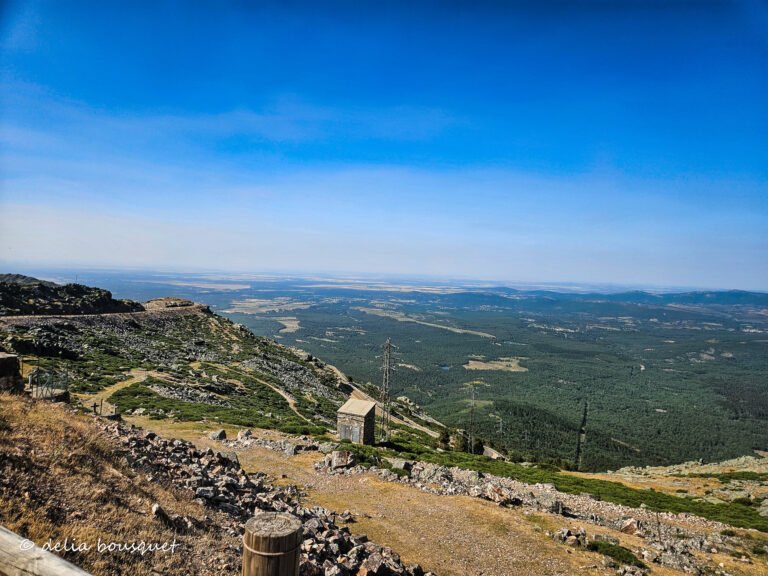
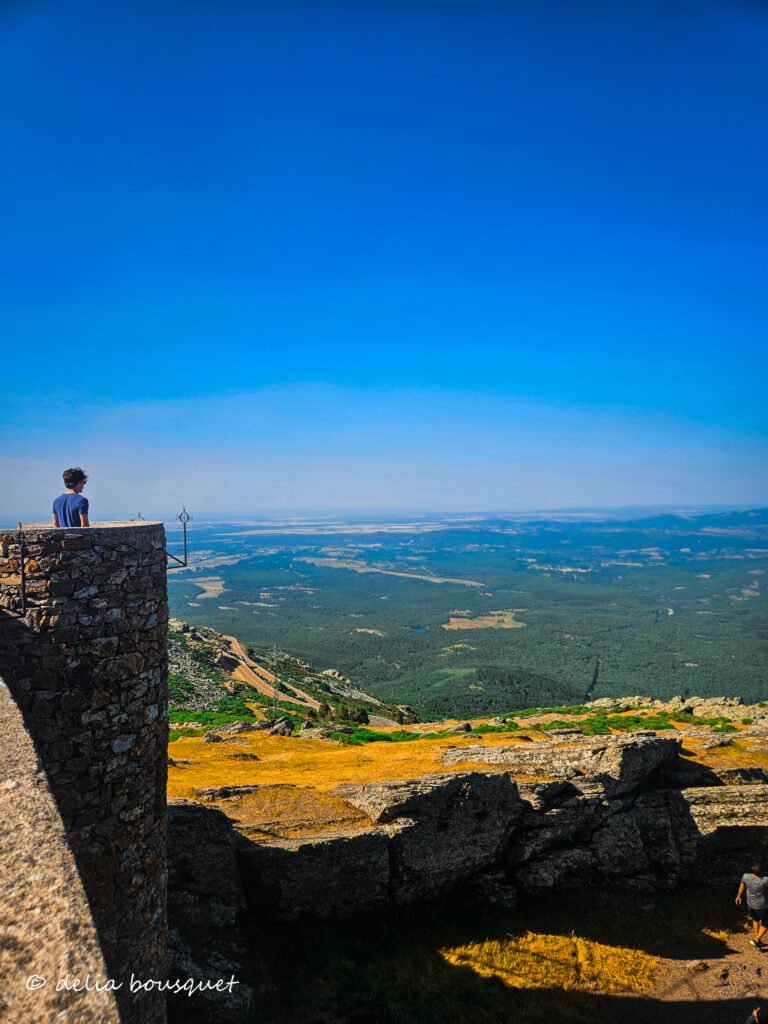
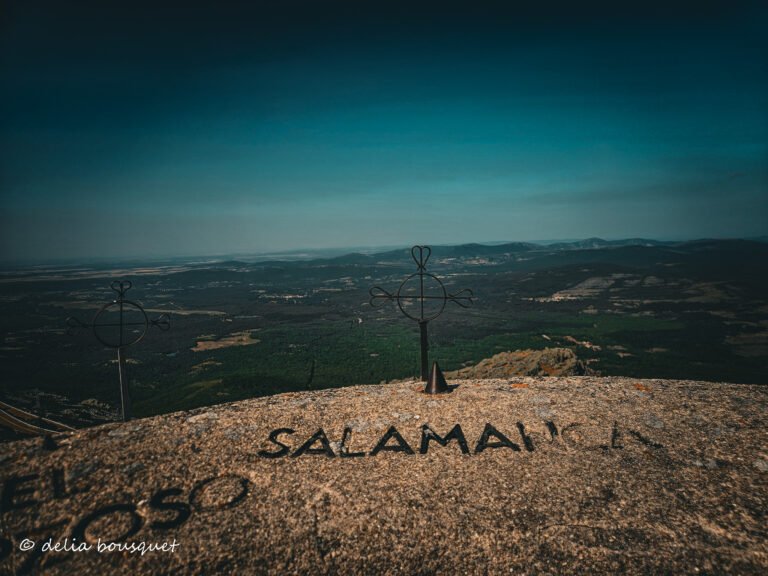
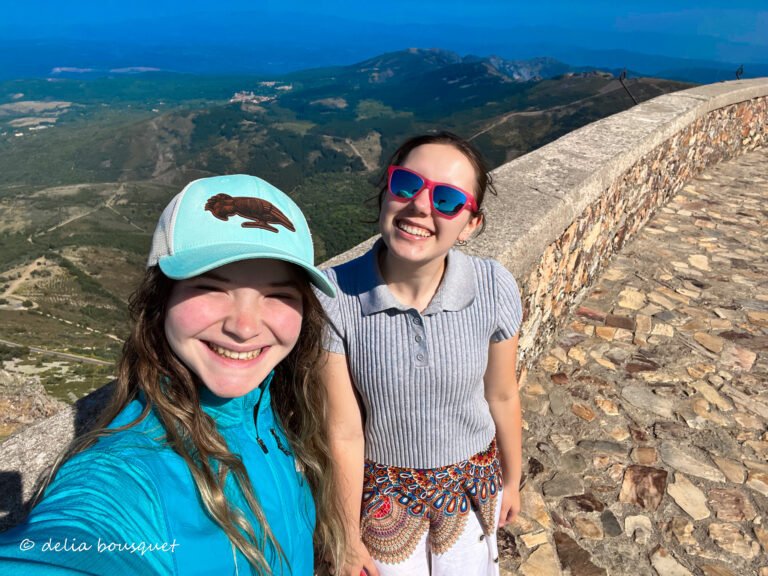
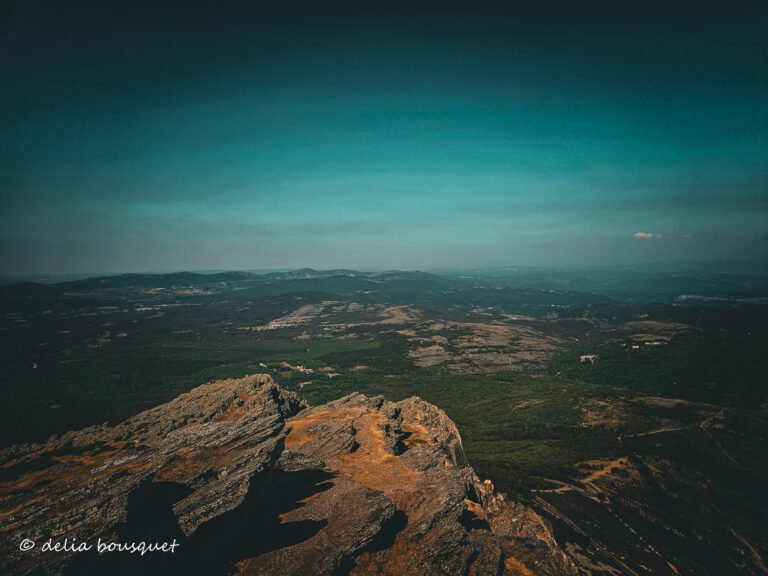
Now, if you thought this jam-packed day couldn’t get any more exciting… our next stop was a bus ride up a mountain that made me feel like I was on top of the world. I’ve been on many mountaintops in the U.S.—from New Hampshire’s Green and White Mountains to Pike’s Peak in Colorado and many in between—but none have had such a panoramic view as this one. It was gorgeous! I even spotted a mountain goat. Qué divertido.
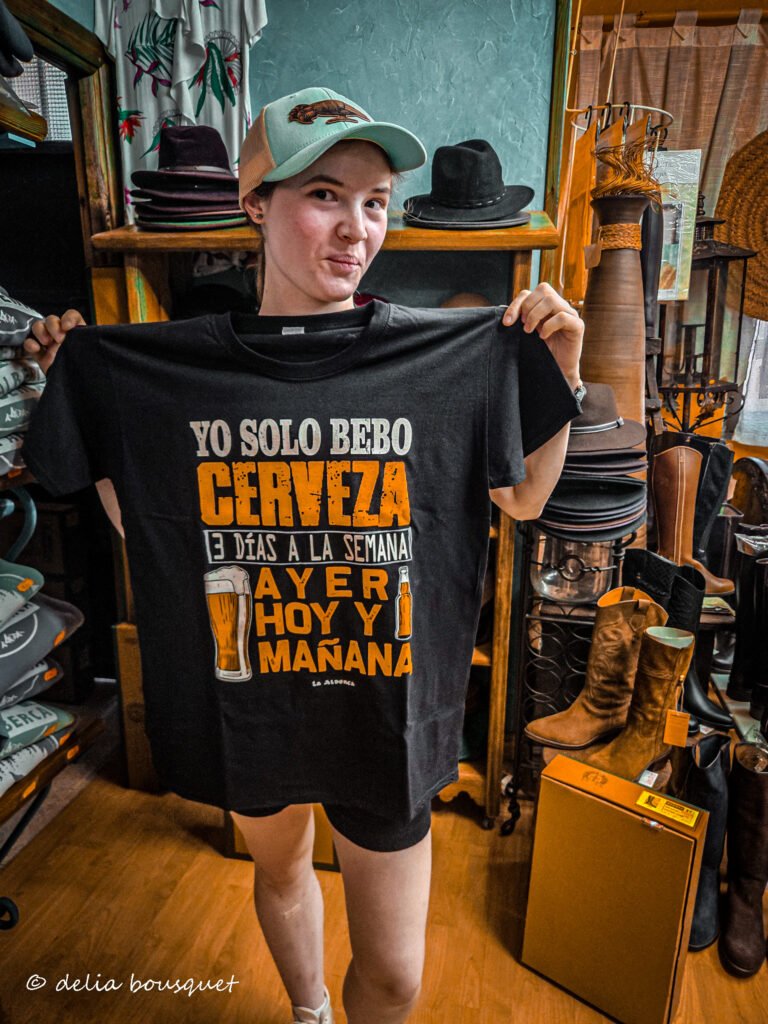
We then headed back to Salamanca, where I went to dinner with Charlotte again. Pablo’s recommendations were a little sketchy this time. At the first place, a homeless man basically sat down with us and got up in Charlotte’s face, and the waiter was extremely rude. The second place had a name like “Winelovers Salamanca.” Maybe it would’ve been the spot if I were going for some wine—and while I was given the advice “don’t do anything Charity wouldn’t do” (which seemed pretty liberal), and I’d heard stories of alcohol consumption on other school events—I personally have no desire to be arrested in Spain. I also like Pablo enough that I don’t want him to lose his job. So, no alcohol was consumed or served to minors.
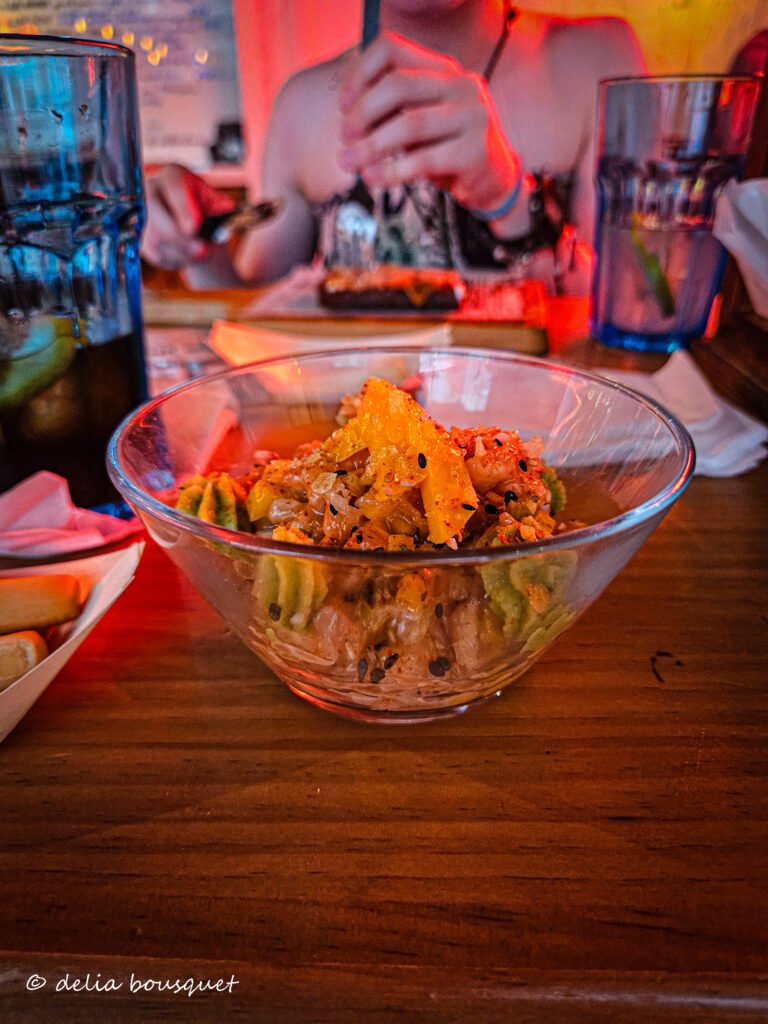
I ended up ordering some odd tartare situation. Side note: prior to ordering this item, I had no idea what tartare was. I just saw salmon, mango, and guac listed underneath and thought, “I like all those items—why not?” I quickly learned it was raw fish. It wasn’t bad, but it was definitely an experience. It even had some sort of pop-rocks-like element that made it make noise and move around in both the bowl and my throat. Odd, but fun.
All in all, Salamanca was gorgeous. I do wish I’d had a little more time to catch up with Pablo—both about all the Pomfret drama (someone needs to start a Whistledown sheet there… not joking) and to give my own life updates. But since he still lives in Connecticut, I’m sure we’ll find some time in the future—because I heard from Charity that he’s a master coffee maker, and now that I’m a coffee connoisseur, I’m intrigued. So Pablo… as we’d say in Princeton: coffee chat soon??? (Everyone at Princeton is coffee chatting. Literally everyone.)
On Monday, I woke up at 4:30 a.m. to walk the 30 minutes across town in pitch black (minus the streetlights) to the train station with my dumb suitcase that has terrible wheels—so bad you have to drag the bag while it tips because the wheels don’t spin right. I seriously need a new one. Might actually walk out of Sevilla with one if it’s cheap enough, since I have two checked bags free on the way home thanks to my parents getting me the super extra refundable ticket with Air Portugal.
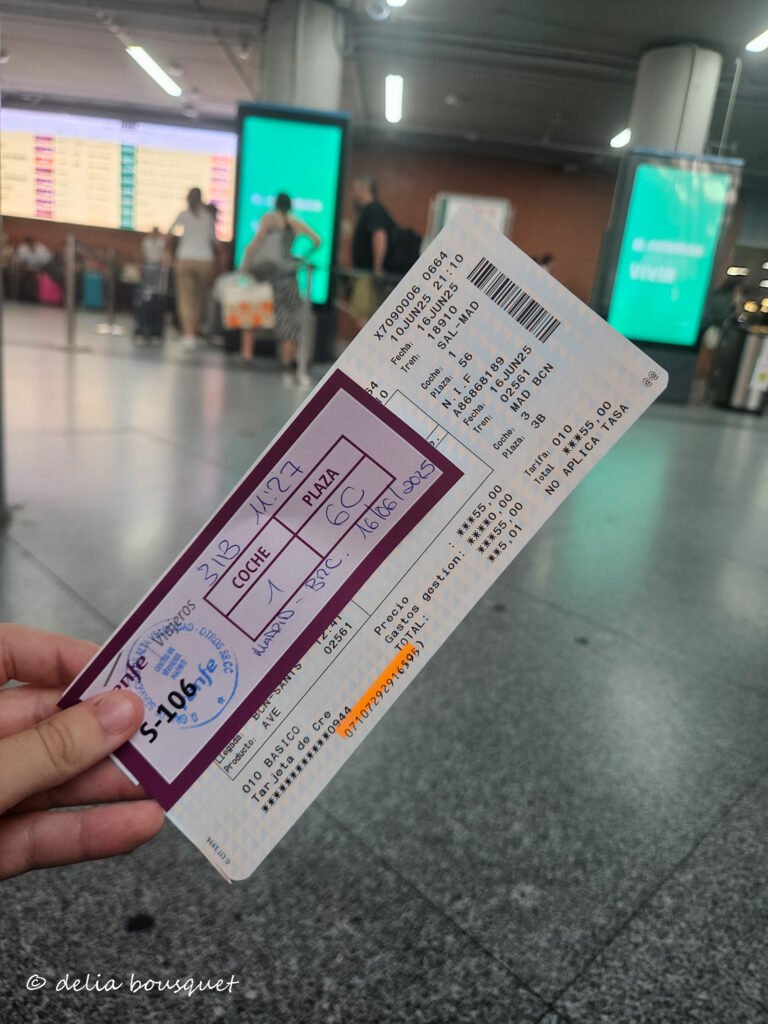
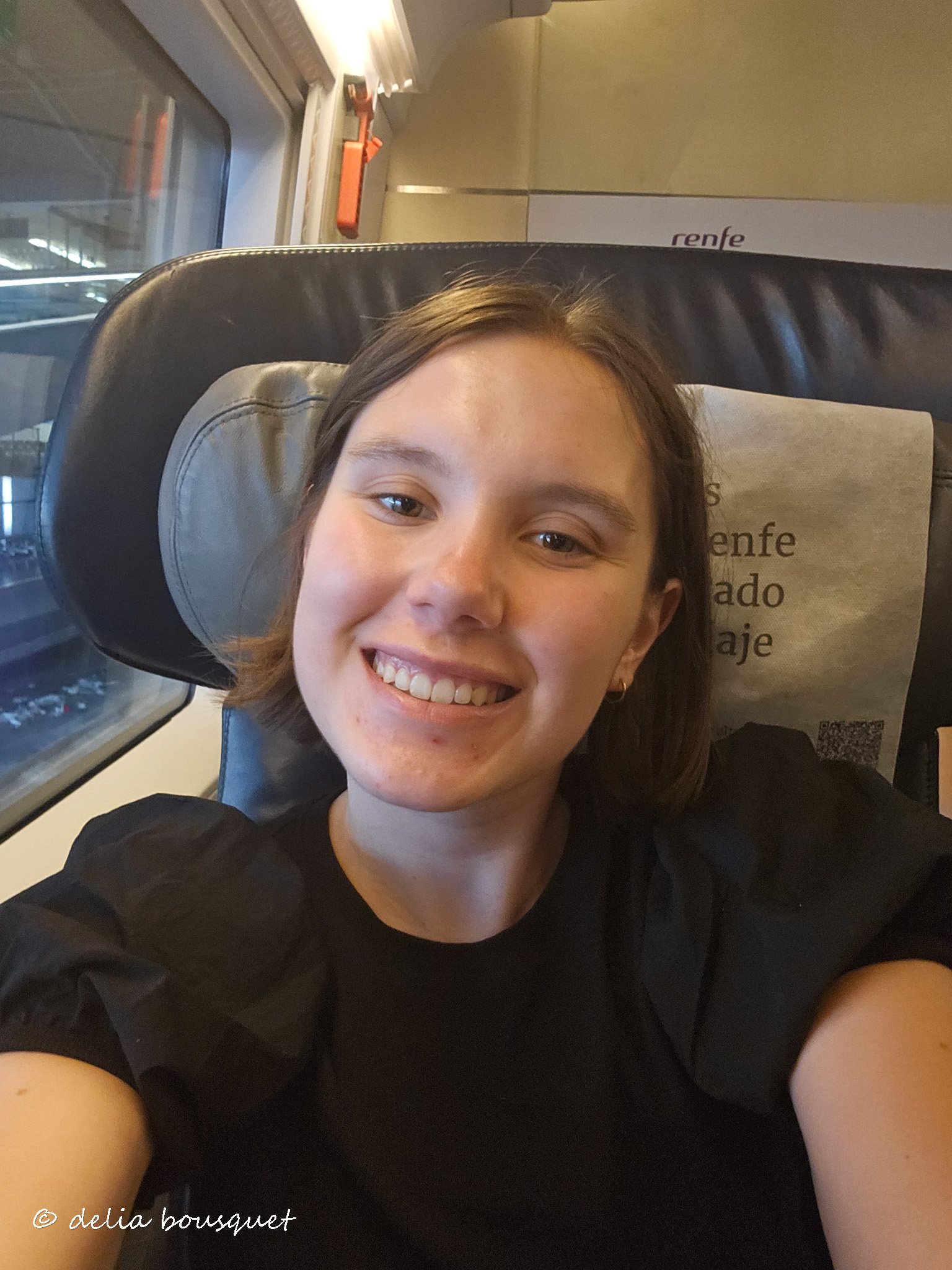
I made it on the train with several minutes to spare. This train was much better because I spent the whole three hours sleeping. What wasn’t great was that this train was 30 minutes late to Madrid, where I still had to transfer from Príncipe Pío to Atocha. My layover was only an hour before the delay, and to make matters worse, I missed the Cercanías train I needed, so I had to take the next one at 9:08—with my Atocha train leaving at 9:27. I made it to Atocha, ran through security, and stood in front of the door… one minute late… watching the train chug away.
I was so angry, literally ready to yell at customer service in Spanish because I saw online that a new ticket was 92 euros, and I had only paid 55 for the whole trip from Salamanca to Barcelona. Luckily, I started with kindness and explained the situation in Spanish to the lady, and she figured it all out—I ended up on a new train in two hours. That gave me time to head to the vending machine and get a coffee and croissant because surprise, surprise: nothing is open at 4:30 in the morning.
I sat on my suitcase again, and I think people actually thought I was the help desk because person after person approached me (in Spanish, of course) asking for directions or if they were in the right spot. Of course, I helped them—I’m basically a Spanish train pro now (I’ve taken all the options). I even helped a woman on the train who ironically spoke English but chose to ask an older Spanish man across the aisle if there was assigned seating. He replied, “I speak little English,” so I basically jumped out of my seat to help her. I guess that means I look Spanish? Idk. To me, the trains are super easy and self-explanatory, but I guess some people struggle with reading the giant English signs that say “car” and “seat.”
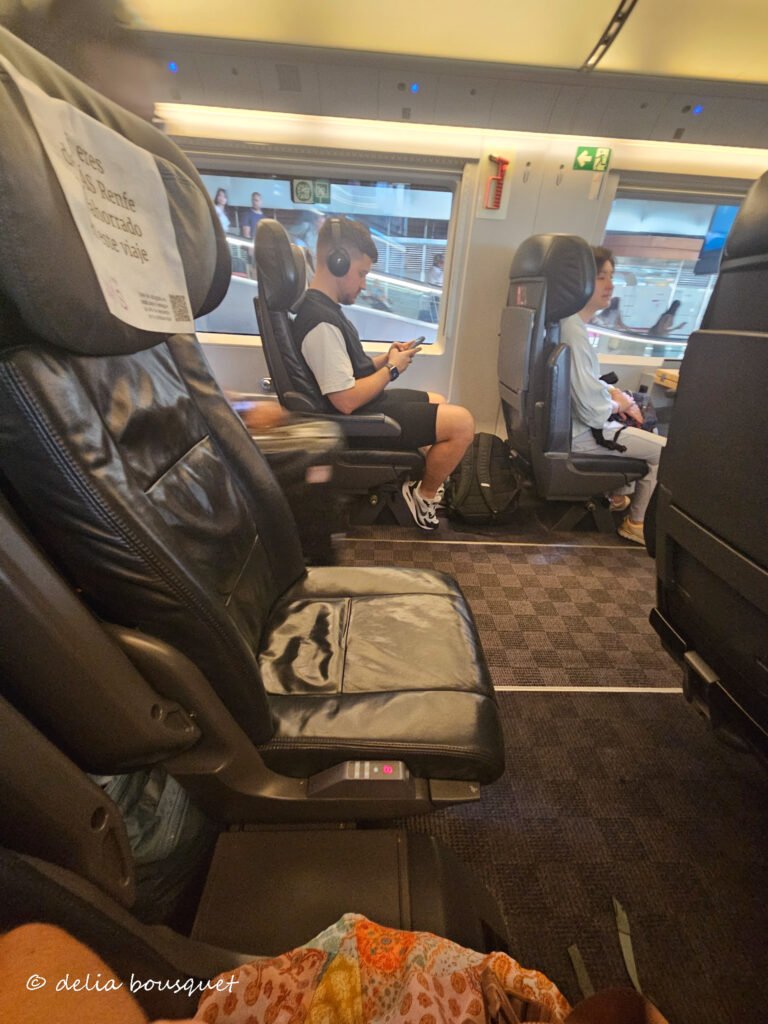
I think I even ended up with an upgrade on this train because the seats were huge. Might’ve been first class, but I’m not sure. The only issue was less luggage space, and everyone that day decided to bring a suitcase. I had to haul my heavy one above my seat, which was impossible. But—as stated before—the train was filled with native English speakers, so I was very quickly offered help. One woman was sitting behind me with her probably 14-year-old kid, and I had to listen to what I can only describe as a very spoiled teen complain the whole ride. The kid left their expensive headphones in their suite, and the mom was like, “Oh no problem, I’ll just call them and have them overnight it—or I’ll just buy you new ones.” This would never fly in my family. Never.
Three hours later, I arrived in Barcelona—too late for orientation—so I was told to just go to my stranger’s house, aka my host family. This felt weird, considering that in Princeton in Spain, the host families came to us so we’d know where they lived. Instead, I had to walk 4.4 km with my bag from the train station up the mountain that is Barcelona to find this apartment. I buzzed in and said something like, “I’m not sure if I’m in the right place but I’m looking for ________________.” To which the woman replied “no” a bunch of times.
At this point, I started panicking. I triple-checked the address on Google Maps and called the emergency CIEE number. They helped me out, and eventually the host family came down to greet me. Turns out… they were just one door down. Thanks, Google Maps.
Now, if that situation wasn’t odd enough, I walk in and the guy is speaking Spanish to me, and I’m replying back. He looks surprised. In Spanish, he says something along the lines of, “You understand Spanish?” And I’m like, “Sí, obvio.” He was just so shocked because apparently last year the people who stayed with them didn’t. I don’t know how you come to Spain and live with a host family if you don’t speak Spanish, but apparently people do it.
I received my housewarming gift—a set of towels and some compresas (feel free to Google Translate, but it was already weird enough receiving them from this man, so I’m leaving it in Spanish for dramatic effect). Later, I met the señora of the house, and she gave me a two-ish hour tour of the barrio and how to use the metro (which is a necessity considering school is like four miles away).
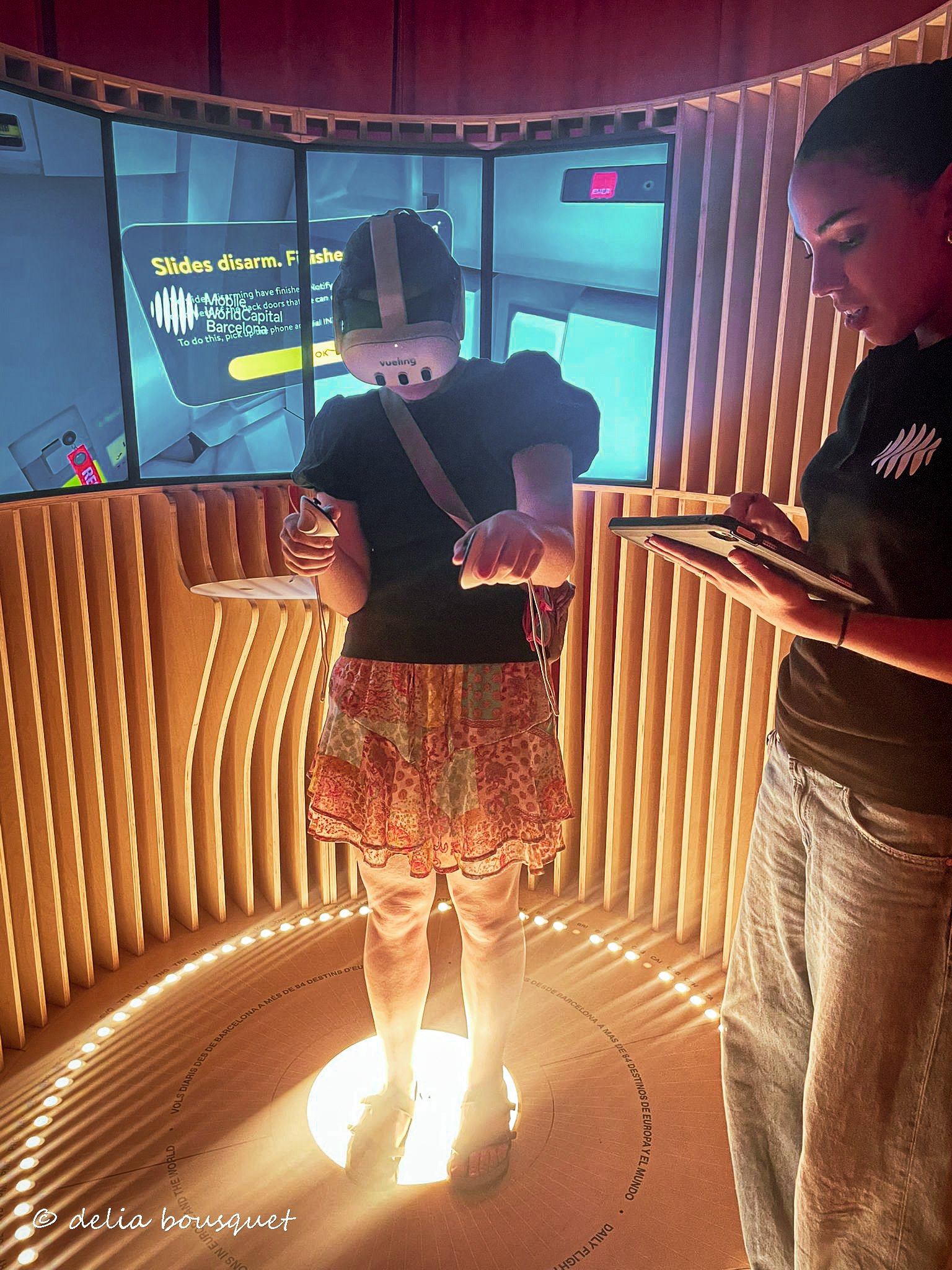
We went into a local library, saw a cool shop that challenged Zara in terms of building aesthetic, stopped into some type of climate change exhibit that included a VR headset, walked through many plazas, and visited a municipal building filled with costumes/statues related to Barcelona’s history.
Then we headed back to cenar (eat dinner), where we watched a movie while eating delicious chicken and rice. I wasn’t a huge fan of the dark chocolate for dessert, but I’ll live.
Surprisingly, there’s no yogurt or croissants in the apartment—my entire diet for the last four weeks—so RIP breakfast.
My room is a little smaller than before; the bed folds down from the wall and becomes a desk during the day. But it’s way comfier, and the air conditioning runs at night and keeps me cool. Allergies are still slapping me in the face, but I slept so well last night.
We also have a super high-tech coffee machine—no way I’m figuring that thing out anytime soon. I miss the simple one from the other house. But this apartment feels huge compared to my last one, although it’s still one bathroom for everyone. Not sure who had a private bathroom in Princeton in Spain, but whoever they are, they won the lottery.
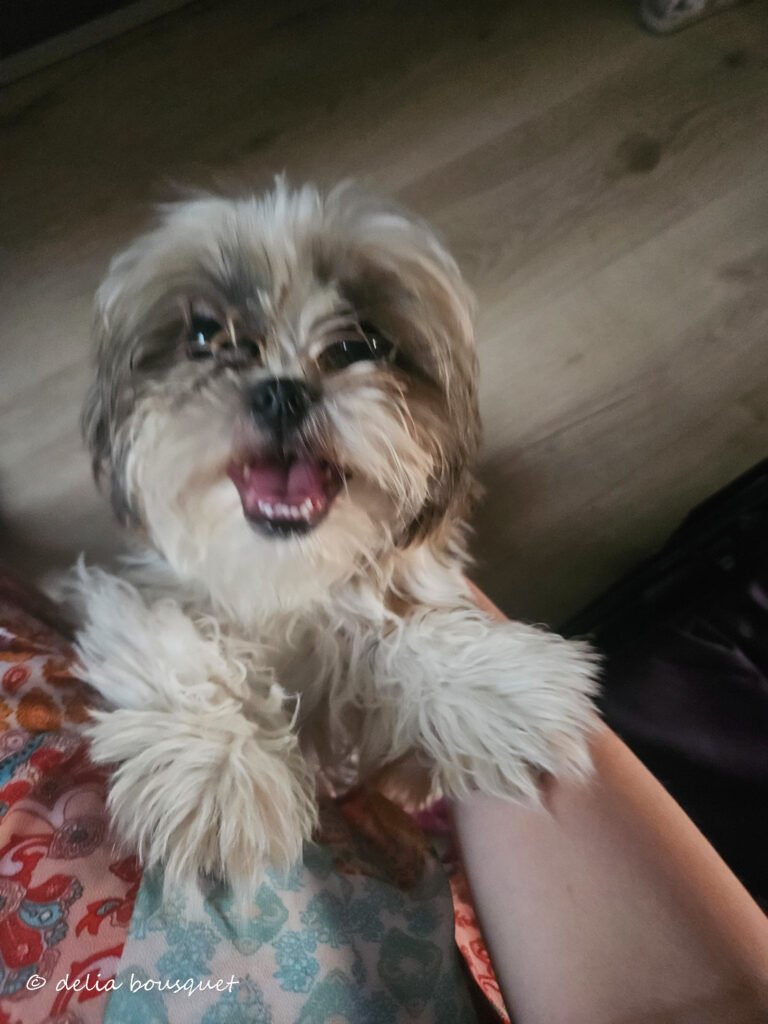
Also, I have a dog. Se llama Cookie (yes, named Cookie) and she is the cutest little thing ever. Cookie is also a licker, like my dogs at home, and absolutely wild. To make things even better, Cookie is bilingual. They speak to her in both Spanish and Catalan—commands like “petons” (which is besitos in Spanish, or “kisses” in English). So now I kind of feel like one of the signs in Barcelona with three languages on them: Catalan, Spanish, and English.
It’s a complicated tension, but it fascinates me and I can’t wait to figure it all out.
I also live with a niño, who I think is around 11 or 12? He’s super quiet and chill—unlike the other kids I’ve met. He has an older brother who’s 19.
Anyway, the family seems really nice and energetic—a complete opposite to Toledo. They like sports, especially tennis, and the dad swims and cycles.
Now I don’t know what happened in Salamanca… perhaps the magical tap water from the hotel sink, but it’s like I woke up fluent. My host family and I are talking so much, and not to brag, but the things I’m saying are coherent and said in a great accent with speed. I can’t tell you what changed, but the more I keep this up the better.
Oh, and I don’t think I mentioned yet—I’m living in the barrio of Gràcia, which is super cool because, if I remember correctly, one of my Princeton professors recommended I visit here. Now I live here! It’s described as bohemian—by both Google and my host mom—which apparently means artists, musicians, theater people, etc.
It’s adorable, the food is great, and I absolutely love my bed. Oh, the priorities of life.
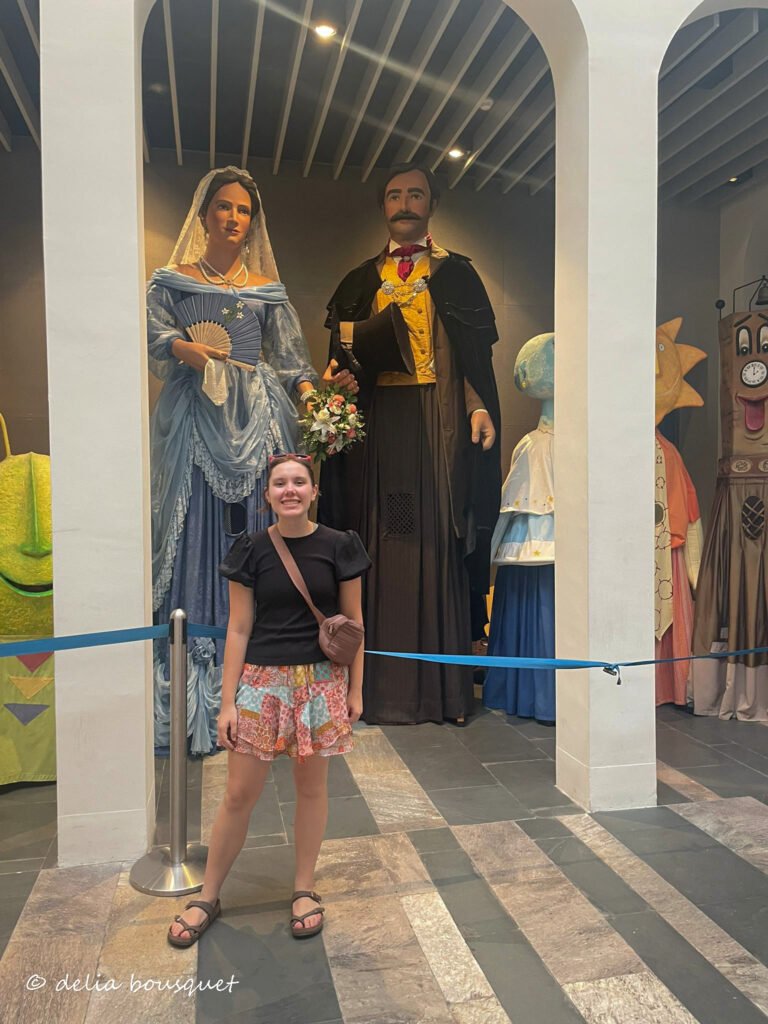
Barcelona has felt like a whole new country. While many of the cities I’ve been to have had a similar Spanish historical vibe, this is nothing like that. The slow way of life has been replaced by honking cars, rushing people, English on every corner, and—of course—pickpockets.
Fun fact: Remember how I said my host family was surprised I spoke Spanish? Well, turns out basically none of the kids here speak Spanish. Why one would go to Spain for a class and not speak Spanish completely bewilders me—especially considering how common it is in the U.S. to at least learn the basics like, “Hola, me llamo Delia.”
Orientation was entirely in English.
The neighborhood tour (of a random area nowhere near where I live—I only went for the free ice cream) was led by local college students who barely spoke English, but still did.
And the program vibe? Honestly, it felt like they showed up at sorority row and yelled “free alcohol!” and everyone came running. Not joking.
I did manage to make one friend, but plot twist—she’s 41 years old, has a 17-year-old daughter, and moved to the U.S. from Russia eight years ago. She’s super nice, and I’m sure we’ll talk more, but I’m definitely still hoping to find friends closer in age to me—not my parents.
All of this has just been a wild case of reverse culture shock. I walked in at 10 a.m. to loud, blaring English and this overwhelming “American mentality” that the world revolves around them. I just don’t get it.
And I’m already standing out—in a bad way. What am I supposed to do when they ask where I go to school? I’m not going to lie. But the second I say, “Princeton,” it immediately changes the way people perceive me. Their eyebrows go up, they sit a little straighter. I’m not saying this to sound like a pretentious jerk—“Oh, I go to Princeton and you don’t”—but seriously, what am I supposed to do? I think I’m very down-to-earth and funny (as many of you reading this blog already know), but these moments make me feel like I stick out in the worst way.
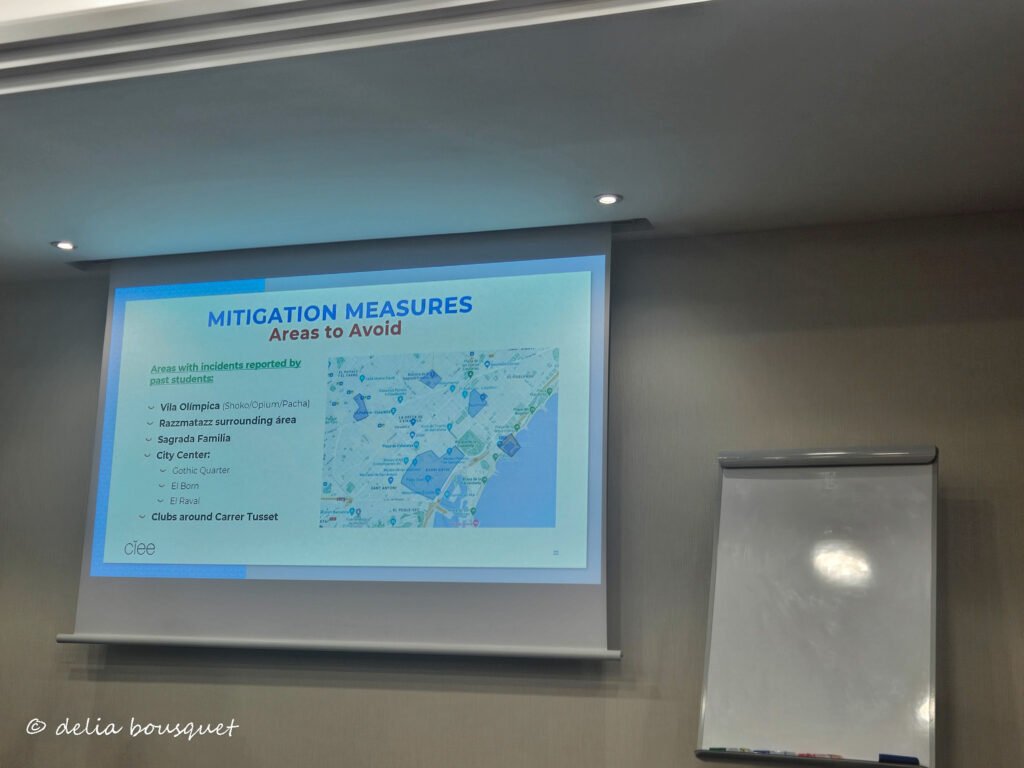
Speaking of assimilation: the orientation info was… questionable. First of all, we learned that just in the last academic trimester, 219 CIEE students have sought medical attention. Something like eight were sexually assaulted and twenty-something were robbed or pickpocketed. I was already on edge in Barcelona, but this really made it worse.
Of course, they followed it with a nice “All of this can be avoided if you just don’t drink,” which… sure. I’m obviously going to follow the advice, but I’m still scared. My phone (as I’ve written before) is my life and my only way to get back to the casa.
They also told us to go buy new clothing. Idk about y’all but the last thing I want to hear when I get to a new city is burn all your clothes and get new ones.
That, plus the “find your own lunch” part of the day, left me slightly panicked after an info session that wasn’t particularly informational. Luckily, my mom was able to calm me down while we chatted and I walked through Mercadona to find food. (By the way, I’m up to 17 Mercadonas. There are 15 more to find in Barcelona alone. Thank goodness for the metro pass.)
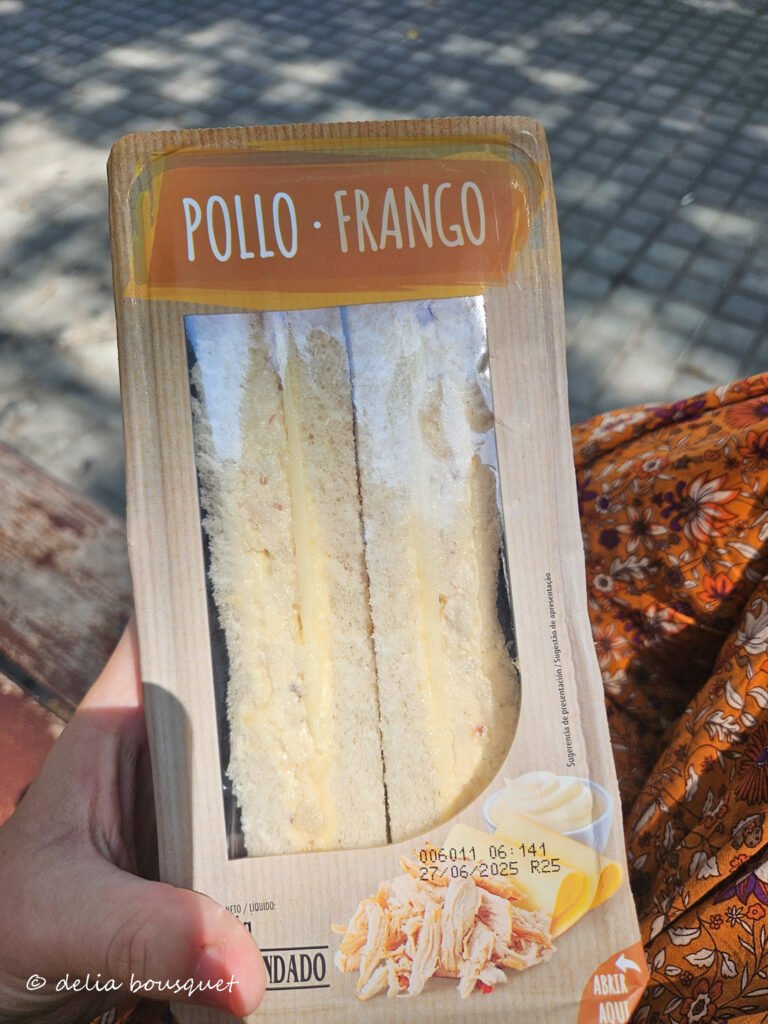
Post-Mercadona coffee, things started looking up. The sandwich I bought, however, was the most disgusting sandwich I have consumed in my life. Literally just mayo on bread. But I ate half, because food is necessary for survival.
Later, I headed out on a tour of that weird neighborhood with the college kids, where I had the privilege of listening to more loud, obnoxious Americans… and honestly, I felt ashamed to be walking with them.
Like, come on people. I’m here to speak español—and the only time I’ve used English in public so far was when I had to call the CIEE emergency number. And that was only because I was so tired after hours on the trains, a 4.4 km walk uphill in the heat, and (maybe) being on the verge of crying. But I started in Spanish and asked to switch to English. It all worked out. And now I feel less bad about it, especially knowing apparently none of the other students speak Spanish.
On the bright side, this whole chaotic, weird, jarring experience—and a little break from constant Spanish this past finde—has helped my confidence a ton. I’m feeling muy bilingüe, and my Spanish has seriously improved. No joke.
I fully understand most of my Spanish issues come down to two things: (1) lack of confidence to actually speak it, and (2) not practicing enough as a result. But maybe my luck is changing. I’ve already been talking a ton with my host family, and we’re even going on a trip together this weekend!
I’ve also got a few CIEE trips lined up later this week, including a day trip somewhere and a bike tour of Barcelona. They’re free, which is great—but honestly, I would’ve rather paid if it meant they’d provide lunch for the eight more weeks I’ll be in Spain. (Still salty about that.)
And then of course—drumroll—I went to the Farmacia and absolutely crushed it in Spanish. I’m honestly so proud. My Spanish is improving to the point where sometimes I don’t even think, it just comes out. I spoke at the pharmacy, to the train customer service people, and more—all in Spanish. And these are things I wouldn’t even want to do in English.
So here I am: conquering fears, seizing the day, and becoming a full-fledged train professional.
All in all, Barcelona has been a full-blown reverse culture shock. I keep wondering: Am I still in Spain? Especially with all the Catalan everywhere—it’s so much more present than in Valencia.
Oh, one last thing: Barcelona is totally different than I remember. Turns out my family stayed in the Gothic Quarter last year, so maybe I was expecting the whole city to look like that. It doesn’t. But it’s still cool, and unlike Toledo, it has so much to explore (hopefully without getting pickpocketed).
So here’s to new adventures, better Spanish mañana, and getting through the reverse culture shocks.
Also: I no longer have a persiana to deal with. Progress.
Words of the Week:
- La vergüenza – Embarrassment (…for those Americans)
- El pañuelo – Tissues (for those alergias)
- La sequía – Drought (for when you need to explain the dryness/housing crisis of Spain to confused Americans)
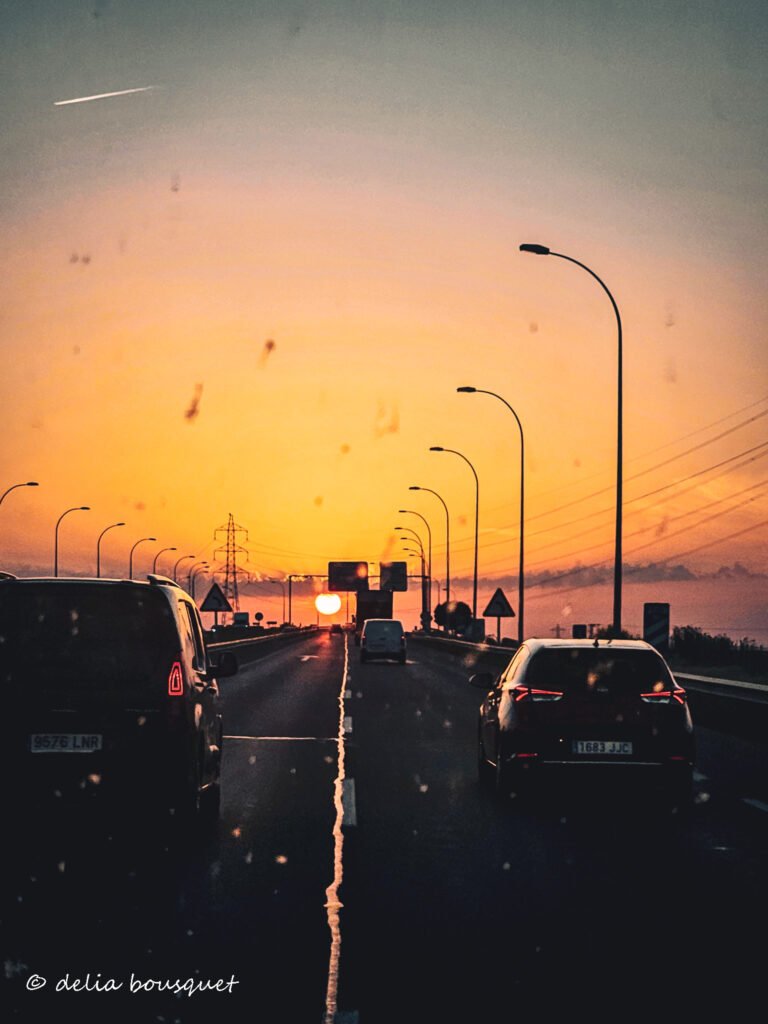
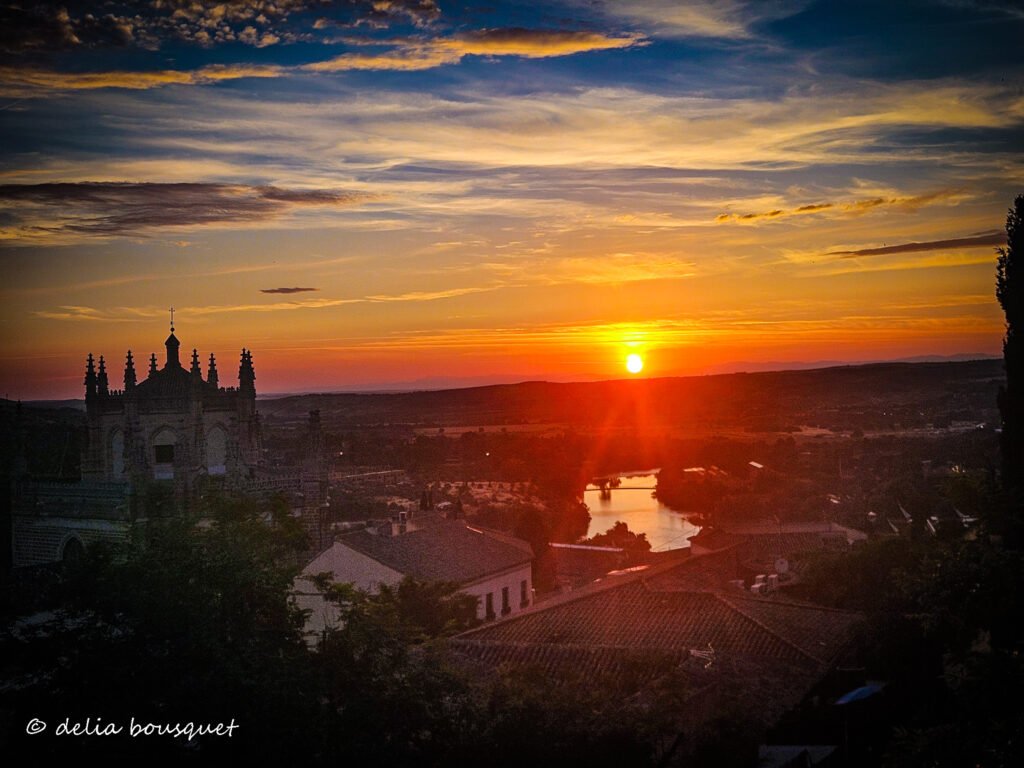
- La puesta de sol – Sunset (see the fotos)
- Viejo pellejo – A weird little expression for old people, like “old skin”
- Trescientos uno – (I do know this one) but I had to say it so many times it became ridiculous. In Spain, at older hotels, you have to leave your key at reception every time you leave, and retrieve it when you return. They do learn your number fast though 😊
Now I’m sure I’ve left out plenty of details, but it’s a blog, not a book. And I have dinner and a day trip tomorrow.
Nos vemos el próximo,

P.S. Josh Lake, if you’re still reading this—don’t worry, there was no fluff in the part about Salamanca. We keep it real here… I heard you were worried. 😊

Not happy with trouble you had with getting to next destination. Don’t know what happened to organization, but hope for improvement! Doesn’t sound like a good part of Spain.