
January: The Story
Hola mis lectoras y lectores leales,
I hope your 2026 is off to a fantastic start (and you haven’t broken your nose like my mom did) and that you’re safely enjoying all this snow. I’m writing to you from the cramped dorm room again, having made my trip back to campus yesterday to avoid the inevitable snowstorm and New Jersey’s state of emergency. I don’t think we’re in the emergency state yet (as of 11:00 am, when I’m writing this), but it’s certainly snowing out. I’ve been asked many times if I’m excited to be heading back, and my answer is a story about what my dorm looked like yesterday. Absolutely disgusting. Oh, how much I love sharing a bathroom with 30 other people who, while on paper are extremely smart, have failed to learn the basics of hygiene and keeping communal spaces clean. Oh, and my lovely meal in the dining hall last night, where I was subjected to the people next to me loudly talking about a disgusting cyst they had to have removed from their leg during the vacation. It made my curried goat that much more enjoyable.

With today being the last day of my winter break and the mountain of the Spring semester ahead, I can’t help but reflect on how I’ve grown over this past month at home. While it’s hard to say exactly what stages all my various projects are in, as research is both iterative and ongoing, I am genuinely satisfied with all that has been achieved within the past three weeks since we spoke last. I am both happy and, in a way, sad to announce that I am finally done interviewing my boarding school students and alumni. Happy that I no longer have to deal with the complex schedules, the constant harassment of begging for signed consent forms, and the many Zoom links that were “not received,” which I think is code for I don’t want to look through my inbox to find it. Sad, though, because at the end of the day, these conversations were extremely interesting. I loved how, through conversational research, I could create this almost fake social situation where it was okay for this one person I was talking to to just talk, and also okay for me to keep pushing them to say more and further explain their thoughts and experiences. And it wasn’t just me who noticed this; time and time again, my conversation partners mentioned how nowadays there are so very few of these situations where we connect on this level, and one takeaway was that people just really wanted to have deep, meaningful conversations.

On the inclusive language front, I also think the research process has concluded. Better yet, I have a solid draft that I am, kind of, happy with. Not happy in the sense that I think it’s perfect, but happy in the sense that there is an argument (which, to remind all of you, is “genuinely original” and well argued (not my words), it is well supported, and I think it is generally clear). Is there room for improvement? Certainly. The introduction still needs to be better at “introducing,” and the conclusion better at “concluding,” and maybe just some cleanup with my source work. Though, I have been reassured numerous times throughout various other projects that this is just the standard of sociology to kind of just name-drop left and right. I also worry about my sources’ messaging. While I have done my best to include a variety of sources, specifically the majority being women, I can’t help but think that when I center my conversation within larger social theory (which, to be completely honest with you all, is 99% written by dead white men), I am somehow still saying that I need him. Looking at scholarship as a whole in these micro-source interactions is quite fascinating, in that it, in itself, replicates the dynamic I argue is present in these inclusive conversations. For to construct the self, or, in the terms of scholarship, the article, one needs reliance on others (other scholars’ work). In this way, the new article relies on the old, and the old ones rely on the new to stay relevant. But with this in mind, how can “newer” values in scholarship and the social world be reflected in scholarship when, if I really want to quote the old social theory, I still have to rely on quotes that use the generic “HE” as the pronoun for humanity? An interesting question indeed.
In terms of what I plan to do with this article, it’s a great question I really don’t have the answer to. The young, innocent scholar in me, who probably still doesn’t really know the world she is getting into, thinks this approach is novel, especially fueled by comments from others saying it is “original” (something hard to come by these days). But the realist in me also knows that so much more work could go into this. The argument could be expanded, maybe more empirical evidence could be gathered, or a new study could be done. It makes me wonder when something is really done?
And being done raises all these new problems, like what does one do when they are done? Do I just convert my Word document to a PDF and let it sit on OneDrive? Do I share it? If so, who would actually want to read it? And not just who would want to read it, but who would be willing to accept its arguments, not in the sense that they are weak, but when you enter such an ideologically loaded debate, where politics have jumped into the ring, sometimes you can say everything right and still lose.
So all in all, it’s not done, but maybe we’re in the slower editing phase. A great place to be, as the boarding school project ramps up with more reading and writing to do.
I’ve also been busy “making summer plans” and planning for next school year. My Oxford application is in, despite my lack of assistance from Oxford, which I contacted with numerous emails and received no response, and from the Princeton study abroad office, which, as usual, doesn’t seem to reply to emails either (and yes, they were working over the break). Summer planning hasn’t been going well. I’m still waiting to hear from Barcelona, and my backup plan to “create your own” summer internship abroad is questionable.
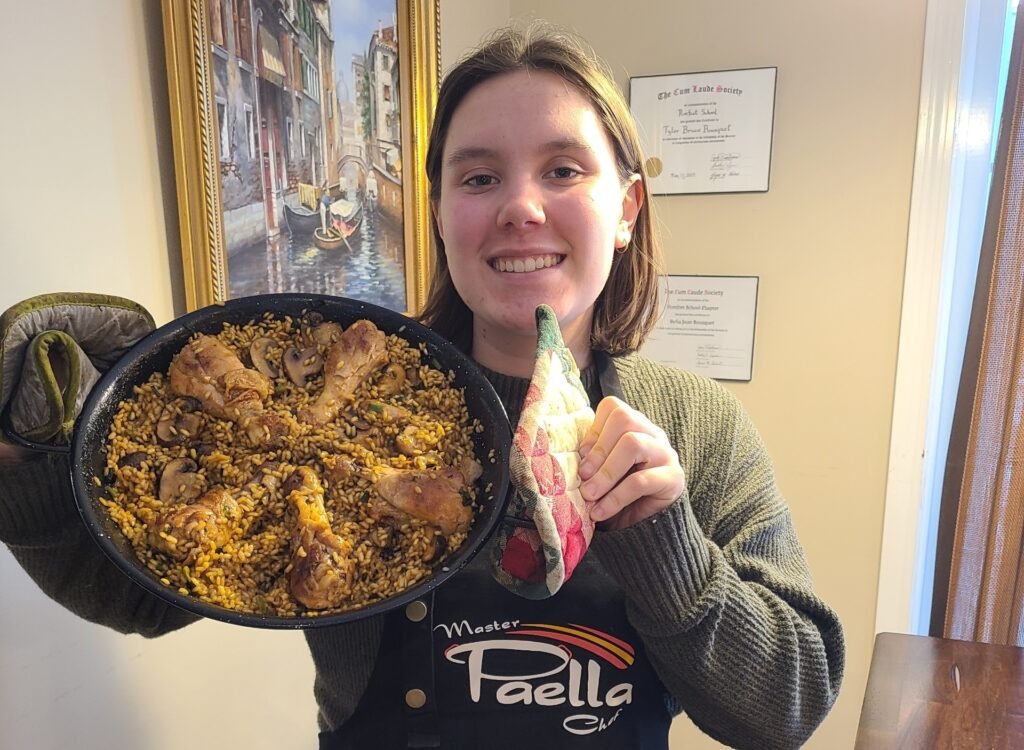
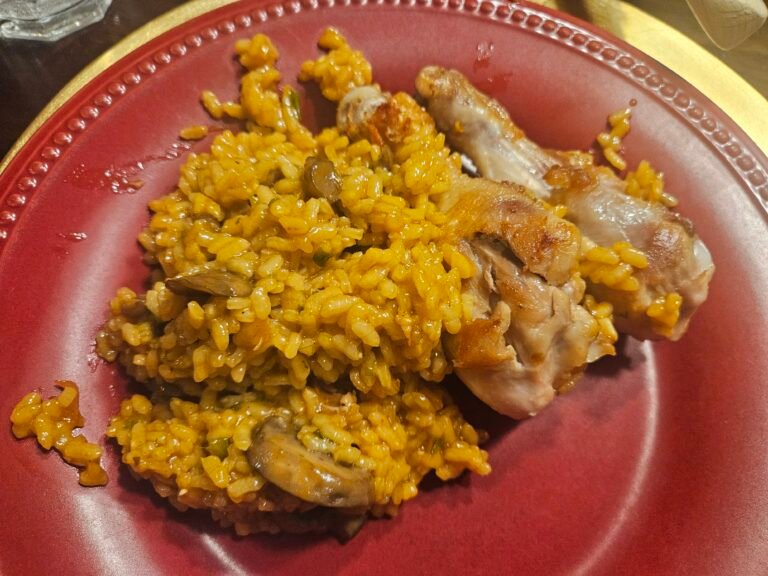
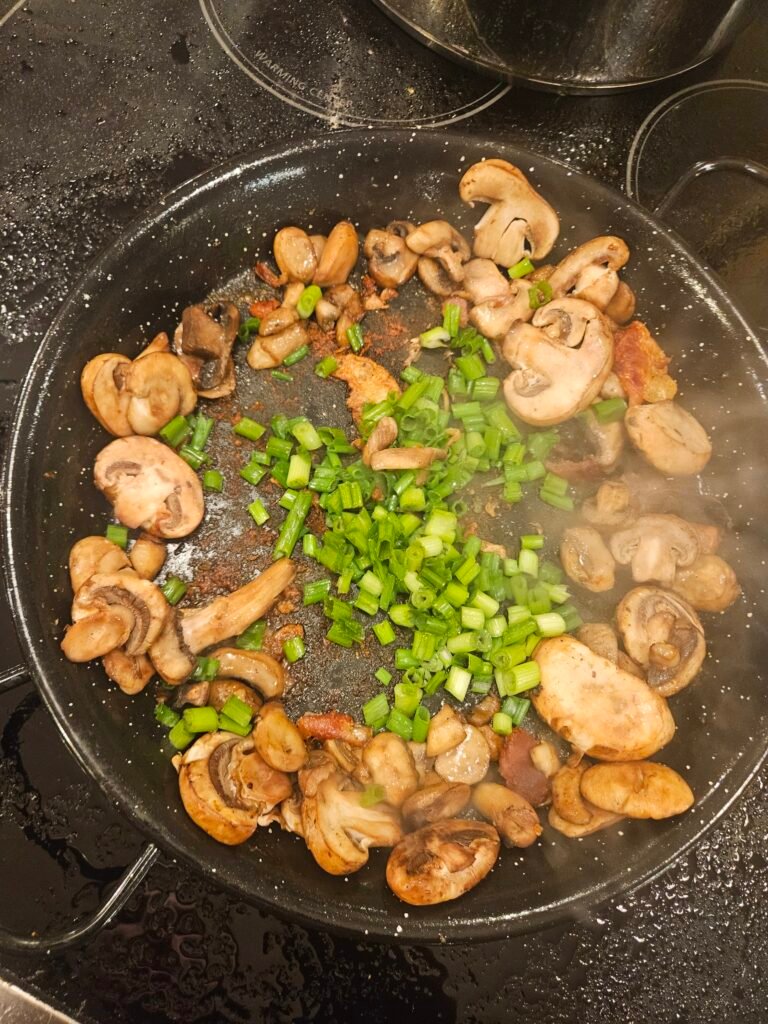
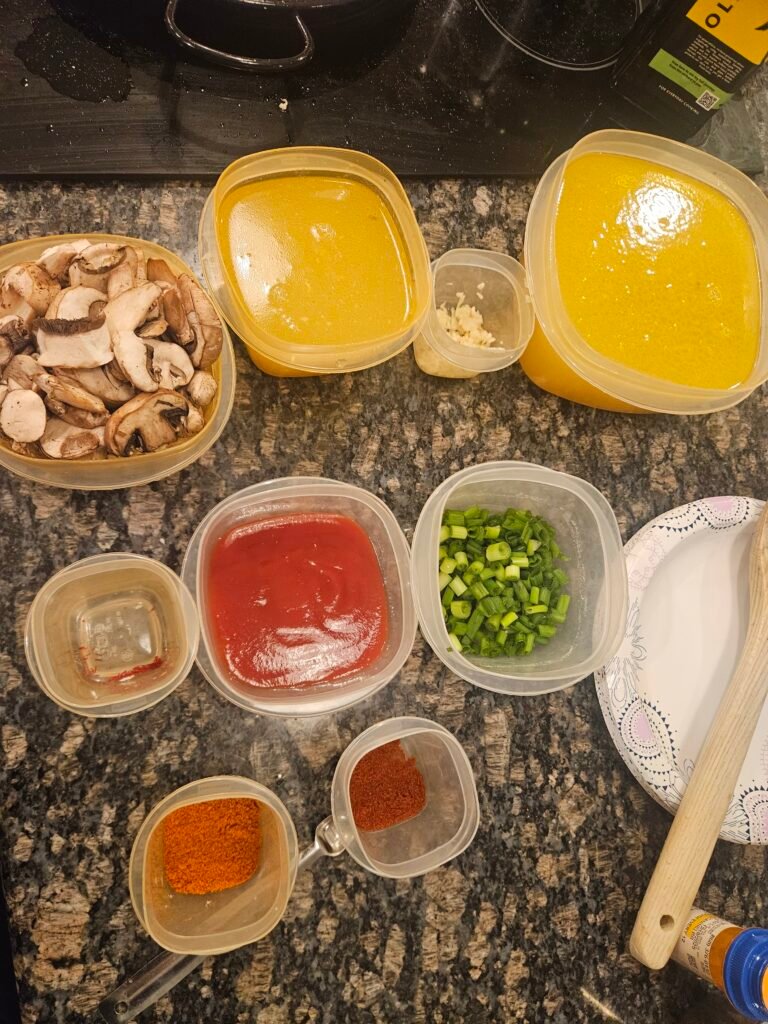
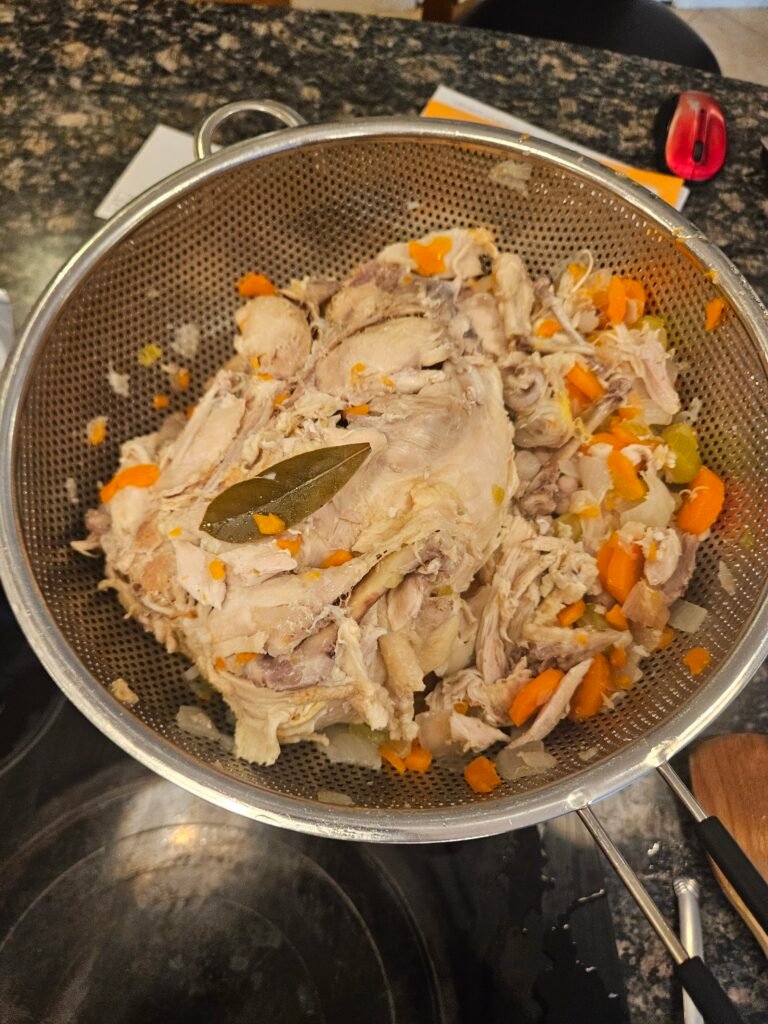
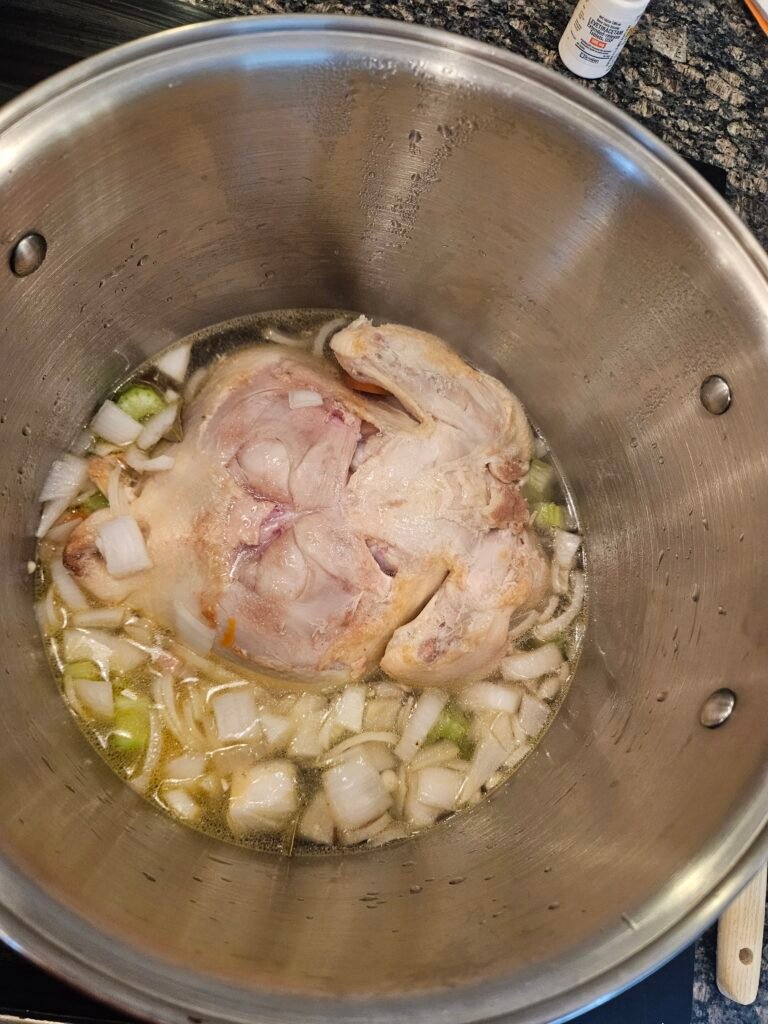
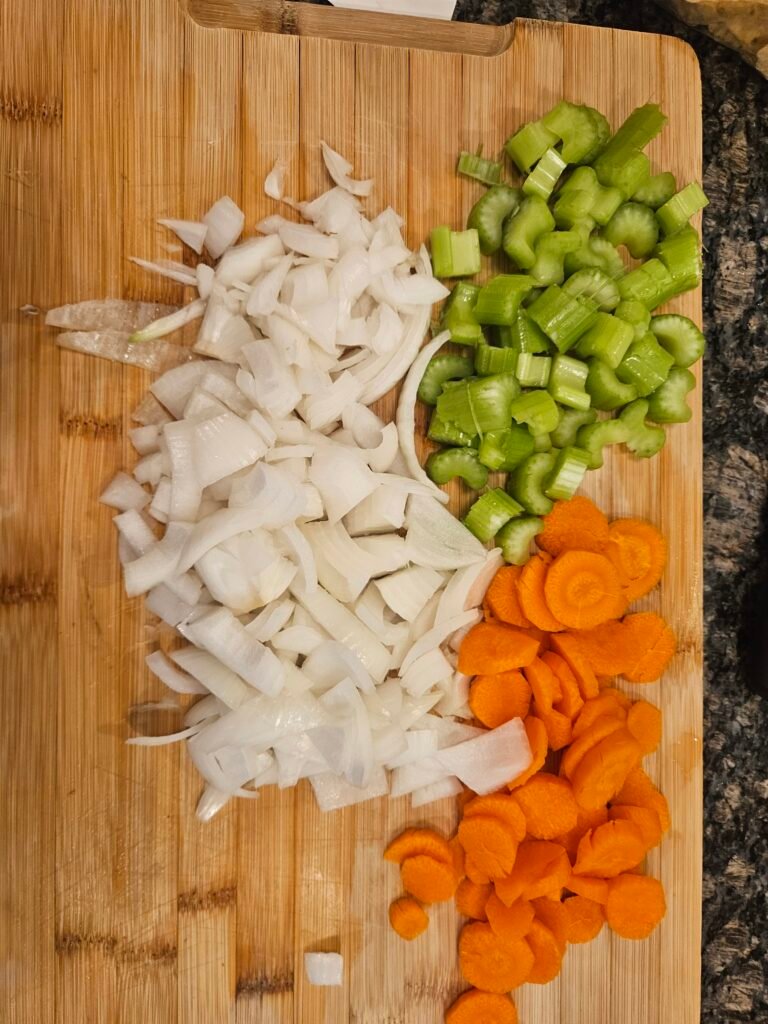
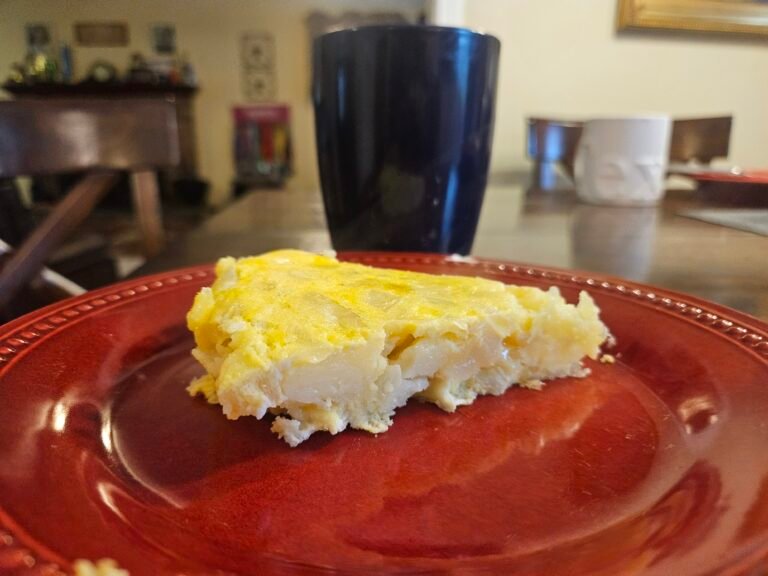
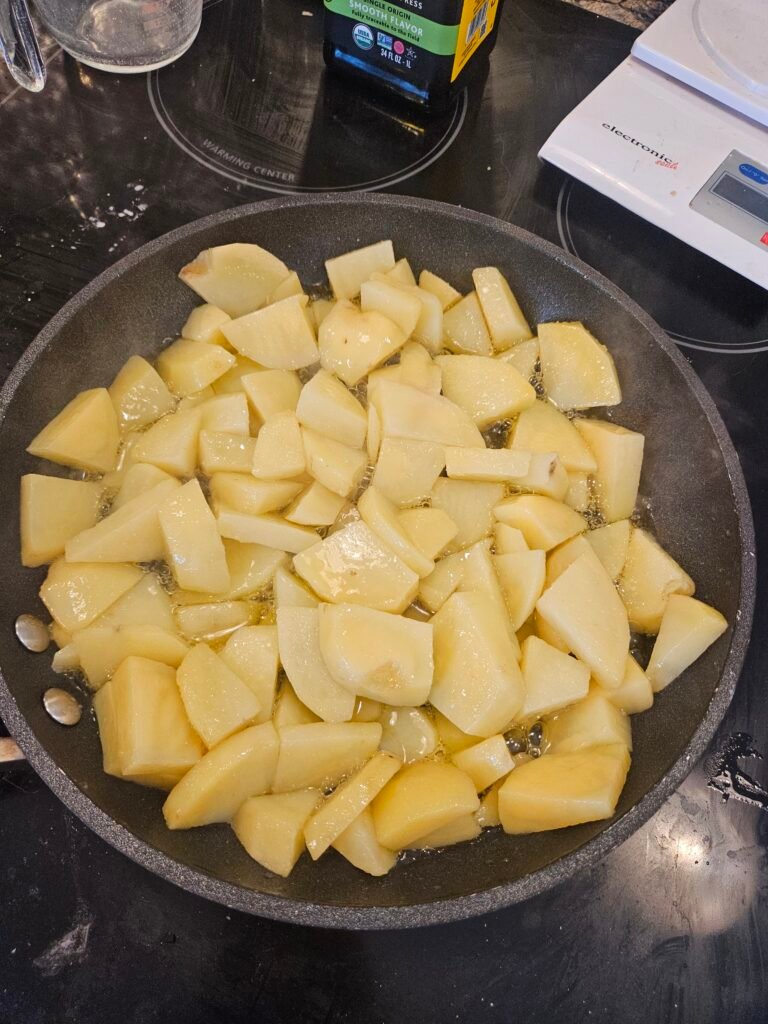
Another large part of these past few weeks has been my dedication to perfecting some of my Spanish dishes, specifically my tortilla and paella. While they still aren’t perfect, I’ve learned some tricks along the way, so much so that I believe they deserve their own webpage. So be on the lookout in the coming months for Delia’s Spanish cooking tips. While my tortilla is still in progress, I think my paella is quite good. As it should be, considering I had a kit to make it with an online course. The course wasn’t entirely helpful or specific, and somehow, while the kit was in English, the course was in Spanish (which wasn’t a problem for me, but a problem for my brother, who agreed to assist for part of the time).





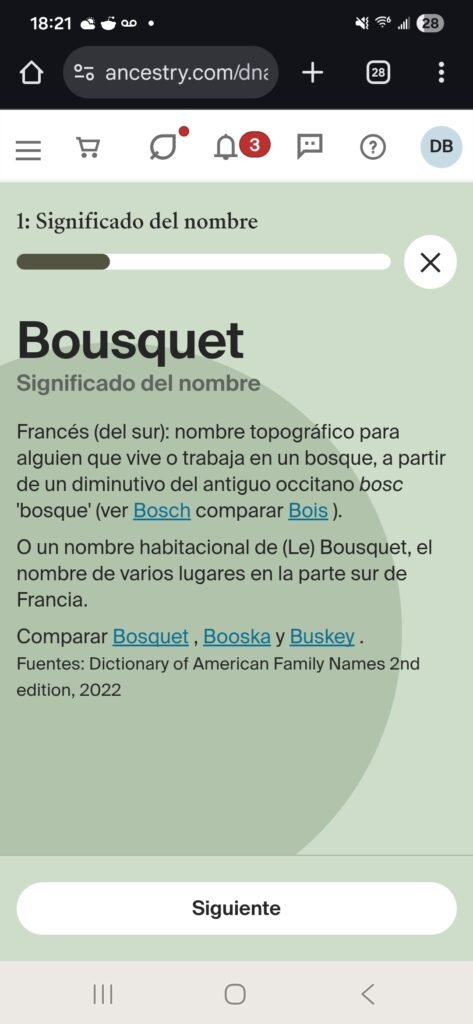
I’ve also dived into my family heritage, working on an in-depth family tree on Ancestry.com, getting scammed by them when they wanted me to pay about $50 to cancel my free trial, and then fighting to get the money back. The secret to getting your money back is asking to speak to someone in charge. I’m also still waiting for my DNA kit to come back, so we’ll see how well my tree lines up with the data. I was surprised by how French the tree showed me. If I’m remembering correctly, I was something like 3/8 French. I was also ¼ Polish.
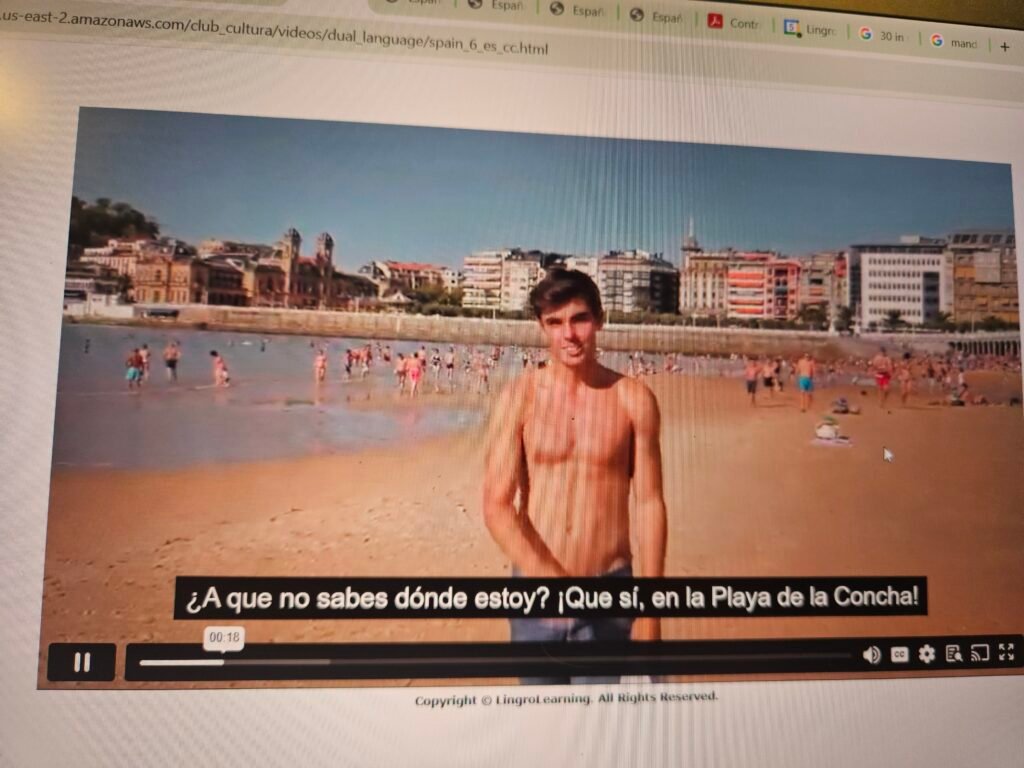
Of course, the majority of my time over the past few weeks has been spent at my internship at Lingro Learning, an Ed tech publisher that makes online textbooks. I know what you’re thinking, Delia. How have you managed to work on all these research interviews, writing, and an internship? Extremely good time management and starting these research interviews at 7am.
Obviously, I can’t go into many of the details of my internship for NDA reasons, but in extremely general terms, I wrote a super amazing course, including everything from a syllabus to a breakdown of all the modules and what not that would be on the website (it was a huge document!). I ran some AI student focus groups, wrote a proposal for a new program, and evaluated some of the platform’s new tools.
While I can’t go into the details about everything I did, including my super amazing course (that I am so sad to be leaving) that I probably could spend two hours telling you all about, I can tell you some of my key takeaways.
The first big lesson I learned was the difference between academia and “corporate.” In my research seminar, and I would say at Princeton as a whole (at least according to their website, not necessarily in practice), personal goals are stressed time and again. In fact, the basis of my research seminar this past term was setting our own goals at the academic, personal, and project levels and constantly reflecting on them. Not only did this make me more receptive to the class’s teaching, as I could constantly understand how what we were learning directly impacted my goals, but it also allowed me to put myself at the center of my project and realize that this project was mine. It could be built around my own morals, methods, and vision, something you are less likely to find in a corporate environment built around market analysis and creating a product that will sell.
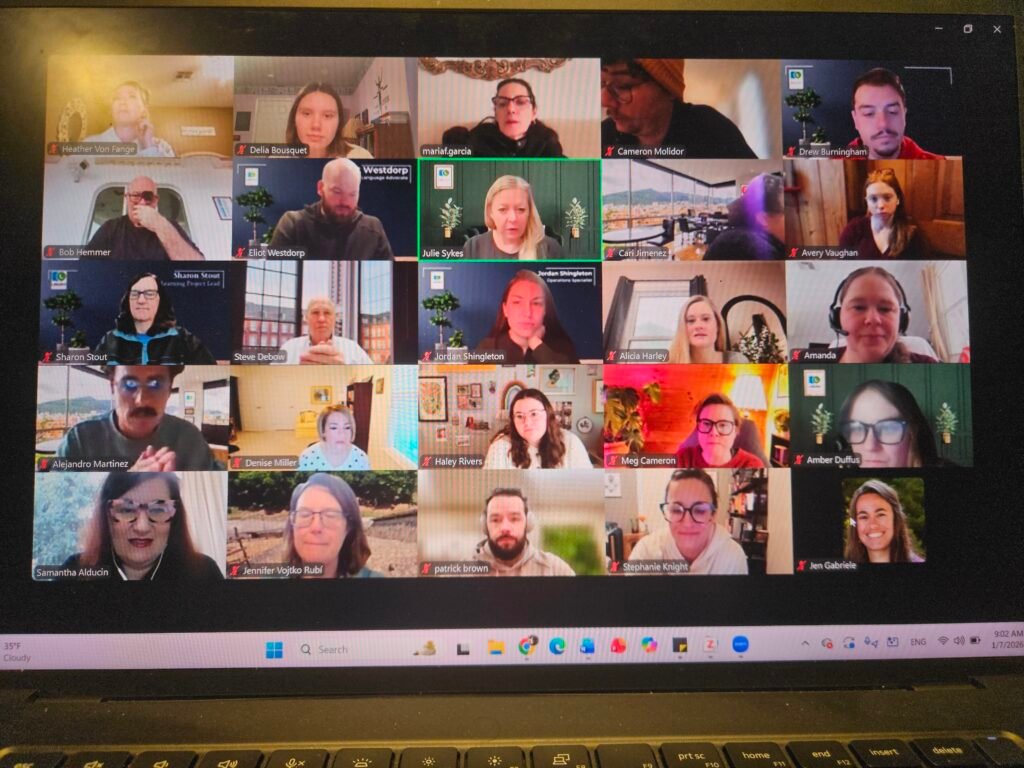
For example, when I run my own conversational research, I have my own set of rules. I never use a fake Zoom background, and I always like my background to have some personality and depth, almost as if I let my conversation partner into my own space. I also always need to have a beverage with me (I prefer hot). It keeps me from talking too much, forces me to slow down, and allows me to “listen and not judge.” Of course, I could continue with a multitude of methods, such as cognitive empathy, my own ideas on visibility, or my preference for the length of individual vs. group conversations, etc., but the reality is that, from my perspective, there is a lot more flexibility in academia than in the corporate world, where your own moral values, preferences, and even hopes for society can be centered. That isn’t to say that the corporate world is bad for everyone. It just requires recognizing that you are part of a team and an organization with its own policies, way of doing things, and guiding principles.
And maybe a large part of my discomfort with the corporate environment, in general (not company-specific), is that money and selling a product are at the center of these conversations. Where everything must be done with intentionality to share these products with the right “story” and align consumer needs with the product that is being offered.
On the topic of values and personality in research, one of my biggest lessons and annoyances was all the “corporate lingo,” almost as if LinkedIn had humanized and was speaking for itself. “Let’s circle back on that,” “synergy,” “bandwidth,” “touch base,” “low-hanging fruit,” “move the needle,” “align ourselves on the story we’re telling,” etc. As a future sociolinguist, I notice in all these interactions a lack of emotional framing. It’s as if we’ve removed the human from these conversations and replaced them with robots. This kind of workplace, where people are not people but unemotional robots, seems to be setting us up for AI to take over. The beauty of humans is that we have emotions, we can connect on a deeper level, and we can empathize. Now I’m not saying you should be having a therapy session with your coworker by the water cooler, but why do we need to invest in this emotionless corporate jargon to hide behind? On that topic, I could totally go into some funny stories around the pronunciation of my name or the language books, but again, not the point. I would, however, like to do more research on this professional jargon. Where does it come from? Why is it seen as more prestigious? Why does ChatGPT write like it? I’m sure plenty of work is out there on it. If not, perhaps I have a junior paper idea in my hands.
On that note, I’m happy to share (see how I got that LinkedIn jargon in there) that I have officially mastered the professional email, with speed and the right lingo. In the past, writing an email might have taken me a while, and I’d repeatedly read it and ask ChatGPT for advice. Taking this impersonal approach has streamlined my email writing significantly. All one must do is start with a hello, throw in something about “checking in” or “following up,” “insights”, mention the “timeline,” state what you know “to your knowledge,” say “thanks for your assistance,” and end with “best,” and you have an email. Side tangent: what does “best” even mean? It is so dumb. The art of the email is that it always follows a template. An email is used to ask for something (usually information), follow up (on the information you never received), report back (aka giving information), or thank someone. That’s it. All you need to do is identify which email response you need, throw your jargon in, read it once, and hit send. Best, Delia.
It really reminds me of AI and how it tailors its responses to what it thinks about you. At least, ChatGPT told me it does when I got angry with it a few months ago, and we had an argument. The basis of the ChatGPT response is that it first reassures you with something like “you’re not broken” or “you’re not crazy,” “you’re not imagining it,” “you’re seeing it,” “you’re not stupid,” or something along these lines, including comments like “this is brilliant,” “you’re onto something,” or “this is truly groundbreaking” (I pulled these off a Reddit page). It then kind of gaslights you by saying it wants to “ground you” or “let’s ground this.” It then offers feedback and ends with a call to action, either by suggesting a follow-up prompt it could do for you or something like sending an email, etc. And of course, this varies slightly, depending on what type of user or question you are asking it.
Chat told me it has different formulas, but from my personal observation, this is the general trend. Various updates to Chat emphasize different elements of the formula. For example, Reddit was going crazy over the 5.0 update, in which ChatGPT was constantly offering so much validation and grounding that it seemed very manipulative. All of this is to say that ChatGPT is not an authority. It cannot tell you that your writing is “good” or “bad”; it will always validate you, NO MATTER what. Plus, the fact that it is just so stupid. Honestly, its writing is just dumb and over the top. Like, why is it so obsessed with em dashes? Sure, I can get behind an em dash here and there, but Chat is literally using it in every sentence. Where is it getting this from? Literally no one writes like that. What training text is it reading?
Plus, with so many people using Chat now, will Chat start training itself on its own writing? Studies have already shown that people are sounding more and more like ChatGPT, which is dangerous when we consider the level of influence it is having on language. For example, the Royal Spanish Academy just had a large conference a few months ago where they showcased LEIA, their AI tool that brings language corrections closer than ever. Will language now be defined by whether or not AI says it’s correct? What makes something correct? Which dialects does this AI use? Will we give up on interpersonal communication and just outsource everything to AI, from friends to coworkers to language itself, where we just communicate through AI prompts? I don’t know, but I find it all so fascinating and scary at the same time, and I hope others see these dangers as well. And yes, my year with out Chat has been going well. It’s been quite informative to see how much we can quickly outsource things we don’t want to do, such as writing emails, finding recipes, or asking for advice.
Another thing I learned, which maybe isn’t a lesson and perhaps more of a continuation of the most painful lesson there is: the JOYS of group projects. I think it’s funny that schools and colleges keep stressing the importance of group projects as if they don’t know what goes on in them. Whether it’s a 2nd grader’s group project or a group project in the corporate world, the same thing happens again and again.
Overall, I found my internship to be a positive experience. I got to see what goes on behind the scenes at these language text publishing companies (and learn how the language learning industry is like the skin care industry), observe their conversations and processes, learn the art of the learning objective, network with some cool people, and work on some interesting projects (with, of course, some not-so-interesting ones). And while I have plenty of fun stories to share, mostly involving “classified” AI stuff, a lot of them will have to survive the test of time in my brain.
Looking ahead, today I just started my coffee adventure around the world with my Christmas gift from my brother, which includes coffee from India, Nicaragua, Peru, and Uganda. I look forward to sharing my experience. Today was India, with a medium roast. I was a little rusty with my espresso technique since I haven’t made one since November, so it was a little milky. I’ll have to report back in a few weeks.
I’ll also be reviewing all my study abroad photos to submit to Princeton’s study abroad contest. I’m kind of dreading it because there are just so many photos and I’m sure there is a winner among the bunch of them. Whether I pick it and submit it is another thing.
In these cold, snowy days, both now and ahead, I can’t help but look back at these pictures and feel like it was a lifetime ago that I was in Spain. Sometimes I think back and can’t believe it was something I did, but I look at the pictures and it is undoubtedly me there.
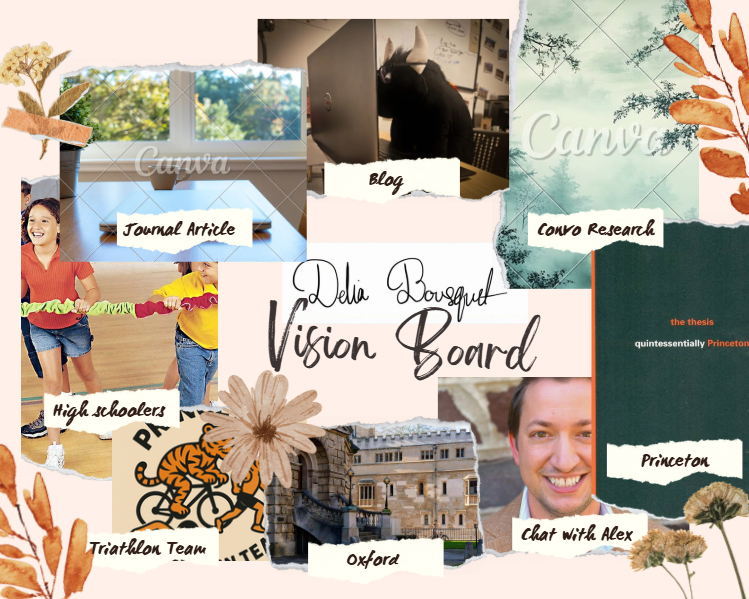
And with that, I think I’ll wrap us up for today. Have a fantastic rest of your January, and remember the advice I just sent to my triathlon team: any story can be your own. You just have to keep choosing yes every day. So whether you’re looking to your first triathlon, a successful work project, having your first kid (Good luck, Fallon and Dom!), writing a journal article, having a great second semester of school, or anything in between, remember that those stories can be yours.
And feel free to enjoy this “motivational video” that I found on YouTube when I searched “motivational triathlon video”. I’m really trying to recruit for the triathlon team.
Thank you for your assistance!
Best regards,