
December: Halfway there?
Hola mis lectoras y lectores leales,
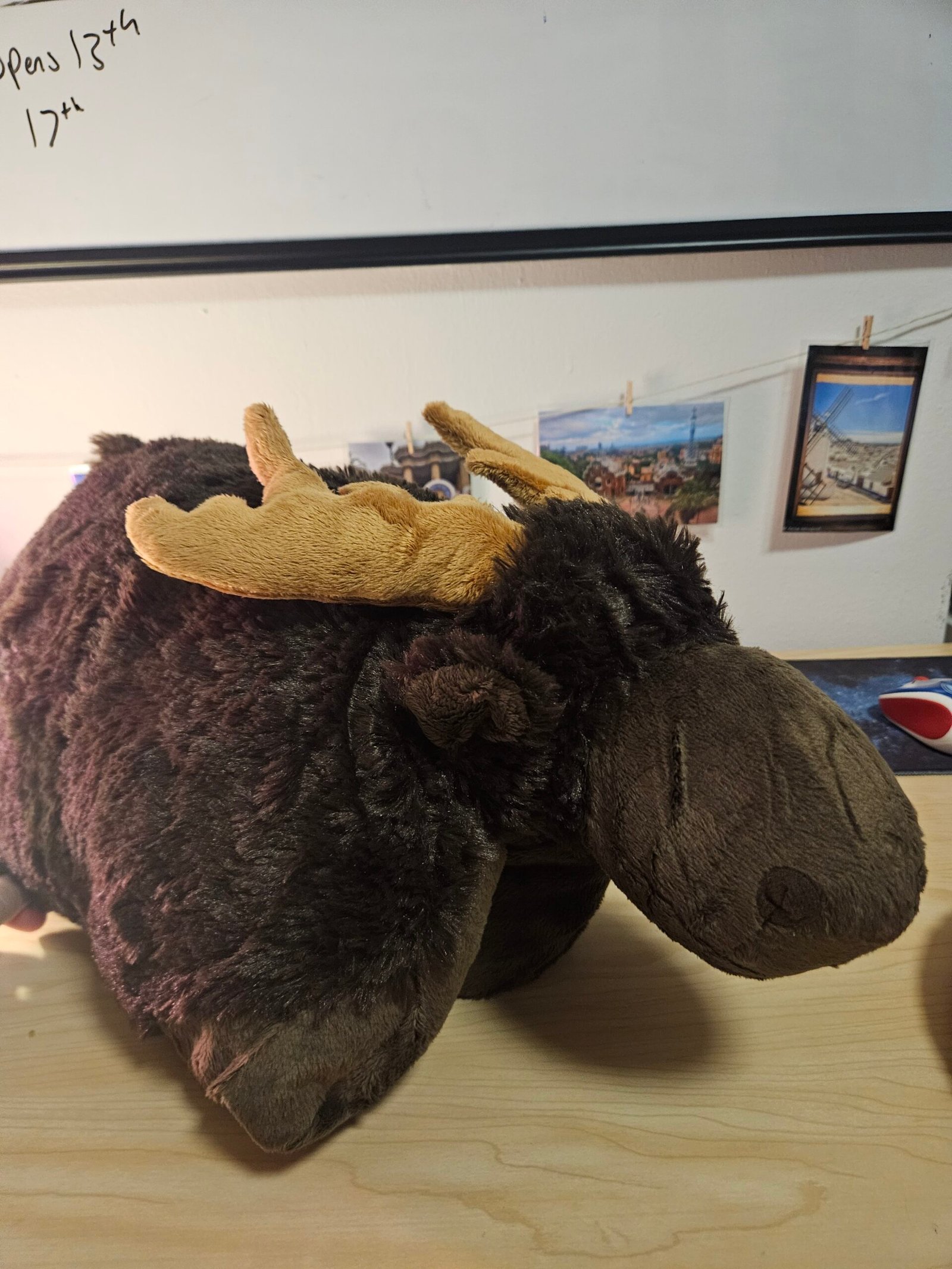
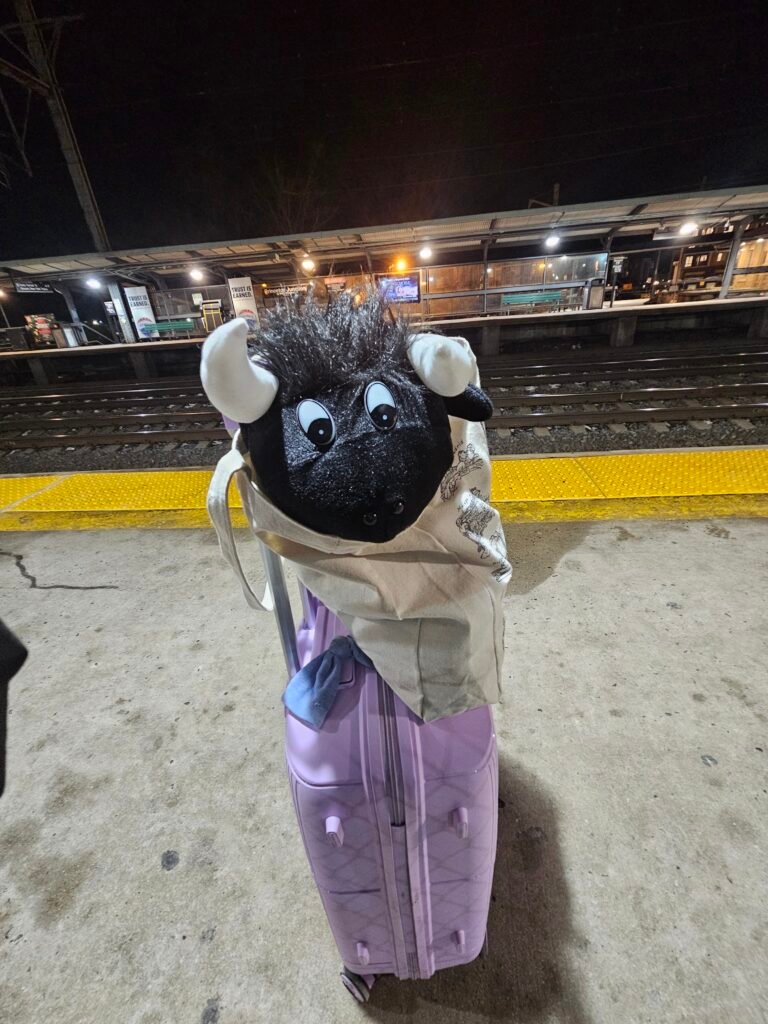
It’s Delia here again on another delayed Amtrak train, though I should add it’s only delayed by 7 minutes this time (a significant reduction from last time’s hour delay). We’re joined by special guest Burrito, who decided to go on the journey home for the break (I needed some room décor that wasn’t giving middle school Delia for my month at home) and a way overstuffed, heavy suitcase. Just to let you all know, I’m totally girl-bossing it, because I fully lifted it (definitely over 50 lbs) over my head on the train all by myself. Don’t know if I should be proud of that or not, but considering half of it is me bringing my book collection home for the holidays, I thought it was a win.
.
Speaking of books and academics, today marked the end of my fall sophomore semester at Princeton. That means I officially have five left to go. It’s really all downhill from here, because I’ve amassed quite a number of extra credits. Princeton requires 31 classes to graduate, and I have 16 done, meaning technically I’m over halfway done! Go me! I say that, but really all the classes left are ironically my major and finishing minors.
Delia’s degree status:
Spanish minor: 3/5 classes
Linguistics minor: 1/5
Sociology degree: 2/9
Distribution requirements left: 1 LA and 1 HA
So if you were doing the math on that, I have 15 classes left (if I can’t get my LA and HA within one of my other classes).
I know what you’re thinking, Delia. This is so boring. Why are we talking about this!? Well, it’s been on my mind lately as I’ve officially begun the process of applying to study abroad at Oxford and figuring out all the details. Would you believe that the sociology department won’t take my credits from Oxford? Well, technically, they do take study abroad credits, but they count toward your cognates (basically classes from another department that count toward soc). My fun social science research seminar, which lives in the writing department, has already counted as one of those cognates and will fill another next semester, which, you guessed it, leaves me 0 credits to study abroad.
BUT,
I found a solution. Part of the reason I’m studying sociology and linguistics is to do work in sociolinguistics. Princeton doesn’t really have any sociolinguistics classes (they have one really good one, but it’s an upper-level French elective and Je ne parle pas français), so I’m going to Oxford to study sociolinguistics and count it toward my linguistics minor, and maybe some Spanish linguistics while we’re there, because there’s not really a comprehensive Spanish linguistics class at Princeton. What really excites me about studying in Oxford (besides the chance to have another extravagant adventure abroad) are two main things. Number one is that I’m hopefully going to Oxford to study with a particular professor whose book I’ve read and who basically summarizes exactly what I want to study. It has been such a help with my work on Spanish inclusive language (more on that later), so the chance to learn from her is super exciting. Secondly, Oxford has a tutorial system, which TBH I don’t fully understand, but the part I do understand is super cool and exciting. Basically, every week in the semester you have to write a paper, and you have one class meeting a week with your tutorial head and another student, and you critique and work through the paper. And as someone with PhD aspirations (ok, that was poorly phrased; as someone who will be actively working on a PhD in three years from now), the chance to tear apart my work at that level is exactly what I need.

One major issue I’ve encountered in this switch from engineering to the humanities/social sciences is that your improvement depends almost entirely on a professor willing to invest energy in you. What I mean is that without comments on your work, you learn very little. Getting the A is no longer winning. Winning is being able to nitpick and know what is working and what isn’t, so you don’t make the same mistakes next time, whether to help that project grow or to help you on the next project.
One great aspect of my research seminar this semester has been that my professor uses a collaborative grading approach. Basically, we meet. I sit in this awkward comfy chair in the corner, he sits on the heater, and we break down my project and my work, starting with what I think first and then his thoughts on that. And yes, I do find myself a little more nitpicky than he is sometimes, but in the end I still got the A, and the project keeps moving forward with more direction. As a researcher, I can continue to improve my craft.
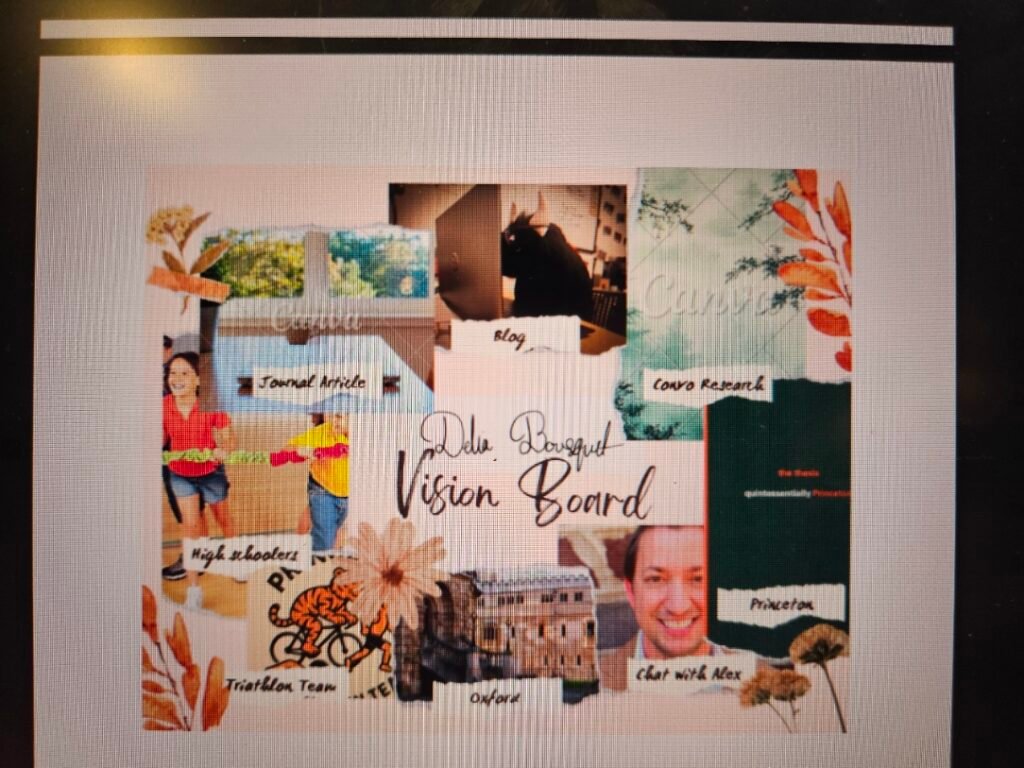
I think these meetings have been great for the project and for staying motivated, because sometimes just getting the chance to talk about a project out loud to another person is all a project, or even an argument, for that matter, needs. You start realizing where your weaknesses are and where you could venture next. In fact, I mentioned in the last blog the power of my vision board. Well, my new one for 2026, which I made as part of my final reflection for the class, was to go to office hours to chat more and advance this project. After all, if I can get my hands on just a few more interviews, there’s “a very strong chance of turning this into a strong scholarly contribution for a journal.” Okay, so that might have been more of a paraphrase than a direct quote, but I was so excited that all I took away was to come back in February with as many interviews as I could do.
And not to wander too far into the 2026 goals/2025 year wrap-up territory yet, because I’m saving that for another week for your second edition of the December blog. I’ve already dubbed 2026 “Year of the Journal Article.” I’m not saying anything has to be sent anywhere, but I’d like my own collection for the journal of Delia, of two somethings that could be a journal article. Yes, I say two, because the inclusive Spanish thing is still in the works. Things are looking up, though, because I’ve stumbled into an interesting place with the project, with a “genuinamente original” argument. Yeah, there’s still a lot to do in finding the right framing for this original contribution and how to argue it better (because TBH I’m not entirely convinced yet), but considering I did put it all together in like 1.5 weeks (part of it with food poisoning), I’m not complaining. An A’s and A, right?
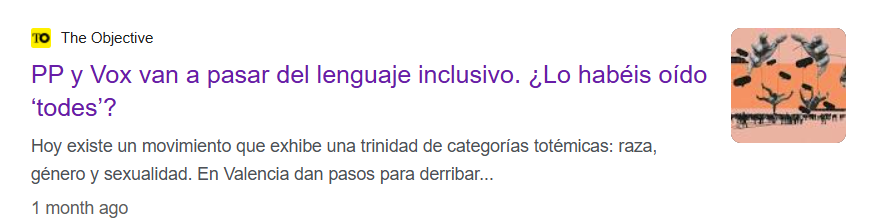
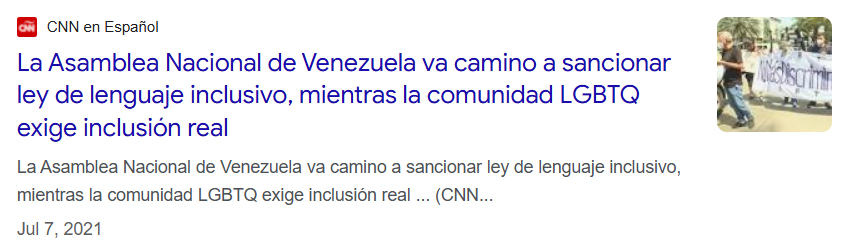




So in summary, I have my winter reading, and I’d like to get the final 8 pages of that squared away (along with some serious work on the other 8).
The project has brought up so many ethical dilemmas for me. Like, does its final form belong in Spanish to reach a Spanish-speaking audience? Does it live in English because that’s where my academic career is heading? Why do all these projects (conversational research and inclusive language) always come back to some dead old white man?
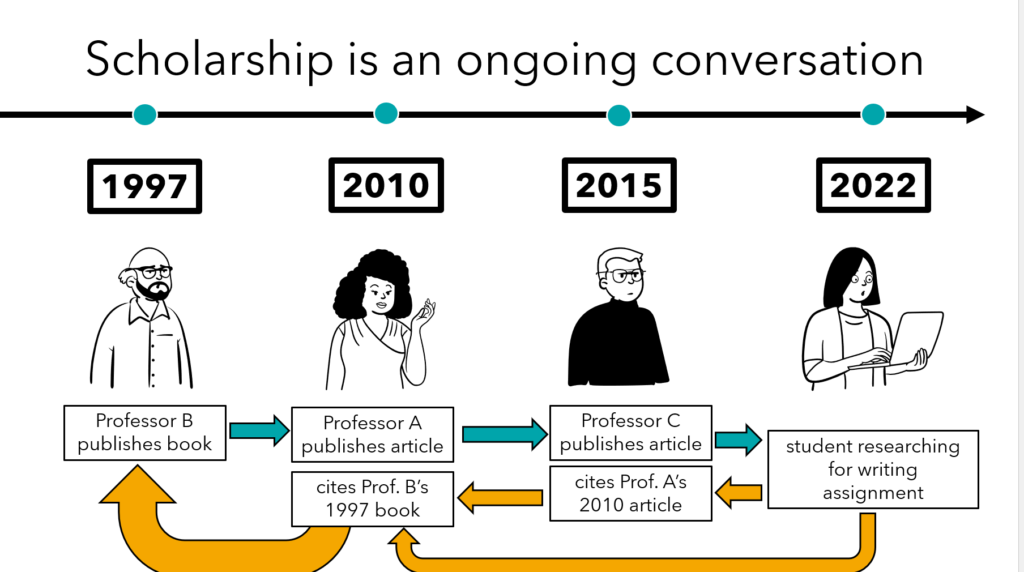
And don’t get me started on scholarly conversations. Honestly, the worst part of scholarship is that, especially when both of these projects exist outside the typical framework of these conversations, arguing that an entire field is wrong or has ignored something is a terrible idea as an undergraduate. It definitely wasn’t in any of the “scholarly moves” that my writing seminar taught us, or in the book “You’re journal article in 12 weeks.” Like, as a creative person, I wish I could just have the big idea, and someone else could deal with the academics and their whole conversation deal. Because it’s ALL ABOUT the conversation and linking the past with the present. But at the same time, it’s always about the same people, and I don’t think Goffman and Bourdieu were thinking about a world with smartphones and shootings left and right.
And yes, that wording was intentional. To be completely honest, I wish I had this perfectly structured scholarly argument to deliver to you on school shootings, but I don’t. And while I personally have never been part of a school shooting, I am a 2006 kid from CT, meaning I’m the same age as the Sandy Hook kids. I went to kindergarten the same day they did; the only difference is that my kindergarten was on the other side of the state. I grew up playing on the pink “Where Angels Play” playground in New London in honor of Emilie Parker, a victim of that shooting.
I had my education interrupted again and again by the words “code red, code red, code red,” where I had to practice hiding under tables and in closets. Sometimes the principals would quickly unlock the doors, and we’d go on with our lives; other times they’d bring in the police to yell and bang on lockers, shake the doors, and go on the loudspeaker to say we could unlock the doors, when in reality it was a test. Because everyone knew you NEVER open the door. They have to open the door.
And then the other day, I found myself in the library, relieved that I once again was at the right school and not the one just an hour from my home.
And of course, that doesn’t even mention the 54 school shootings (https://www.nbcnews.com/specials/10-years-of-school-shootings/index.html) that have occurred since Sandy Hook to 2022. I’m tired of just resuming as normal. I’m tired of pretending this isn’t happening. I’m tired of the excuses. How many people need to die?
As I look to the future, of course filled with many more years in university as a student pursuing a PhD, but also the potential of becoming a professor, I really question how safe it is. Why are schools becoming the battleground for gun control? And why are we still dealing with an issue that should have been resolved 13 years ago in 2012?
So no, I don’t want to hear your sorrows, prayers, and condolences for Brown. Or for you to build a playground. I want to see action. At the end of the day, while university in the US is ridiculously expensive, it shouldn’t cost your life.
And I have to address something that has been bugging me about the press. Why, when we talk about the victims, is it always “aspiring neurosurgeon and bright light campus Republican”? Like, no judgment on this girl’s political affiliation, but why are we obsessed with the guy’s career and academics, with statements from his high school teachers and whatnot, and the girl like nothing? I have a hard time believing that this girl at Brown had no big career dreams or anything like that. But I don’t know about you, but those headlines kind of just rubbed me the wrong way.

Now I don’t know how I could possibly make a transition from gun violence and gender representation in the media to any other topic, but I’m going to attempt to, so I apologize in advance for the uncomfortable jump.
The reality is that not much has gone down in the past few weeks. Well, besides being super sick for 48 hours with food poisoning from, you guessed it, the Princeton dining hall food. I know I’ve talked about how bad the food is before, but this was an all-time low. One bad dinner left me staying up all night in extreme pain, throwing up a lot (is that too graphic? I really am doing my best to tone it down), and then sleeping for basically 24 hours. I should note that, stupid me, thought I was going to go to class the next morning, because we already know I’m extremely motivated and attendance points. So I got up, extremely dehydrated, nauseated, barely able to move, with a fever (but also freezing at the same time), and sat like a dead body for 50 minutes in my sociology lecture, realizing that the other three classes I had planned for the rest of the day were not going to happen (and that’s when I slept for 24 hours). The next few days were rough, but I made it to all my classes the next day. The worst part of this was that I was doing all this activity, so I was hungry, but the thought of consuming anything was repulsive, especially anything coming from the dining hall.
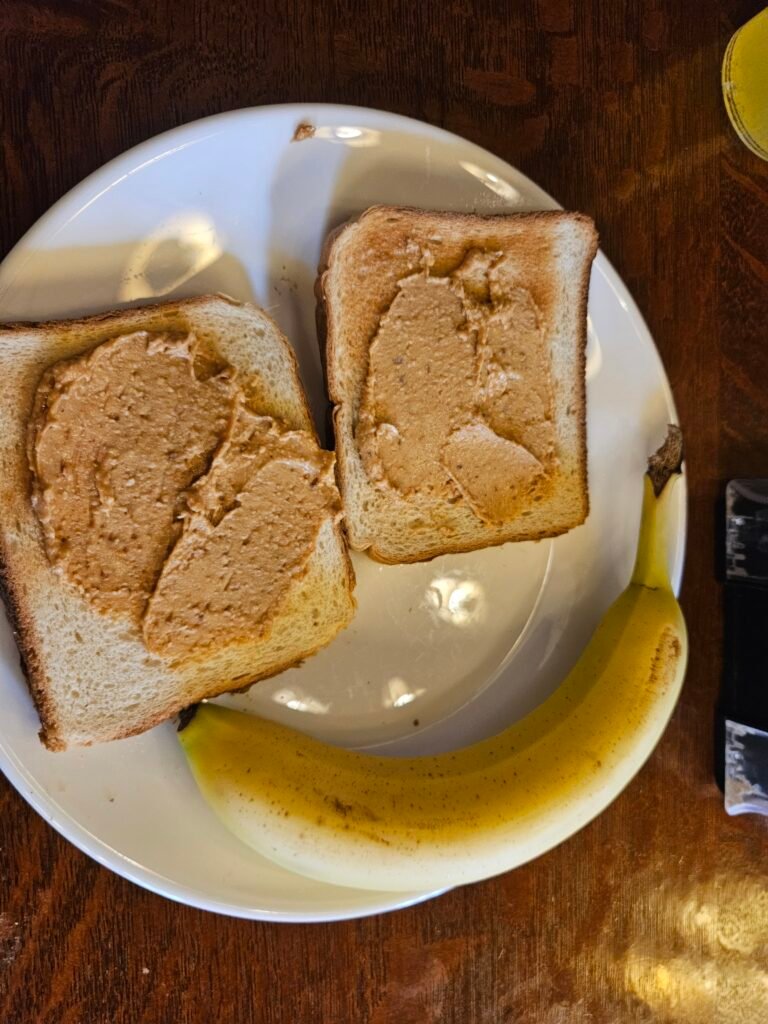
I used to think it was so weird that on TV they always show friends bringing soup to people who are sick, but this little experience, and I guess my first time being sick while not living at home and basically being a corpse for 24 hours, made me get it. Like, there was one point where I was making a pro/con list about whether to wander down the street to CVS for Motrin or go to the health center, which is nowhere near my dorm, and I honestly just couldn’t make it. Could my outcome have been improved if I had gone to CVS sooner? Perhaps, but like I said, I was basically a corpse. I remember being on the phone with my parents, and they were talking about making meat loaf or something, and I literally thought I was dying.
Obviously not. I survived. I think the worst part was that I was still kind of on the mend at the start of reading period, which meant no coffee because I was so severely dehydrated and the idea of coffee was disgusting. So it was a lot of black tea, which was not as effective. It was kind of funny, but the first day I had coffee, about six days after being sick, was like my brain was magically turning on again, and I suddenly had all this energy to just type.

I’m not really nailing these transitions today, but all during this food positioning time was my first week at my job in the Spanish and Portuguese department. My debut was helping out at the Princeton in Spain/Argentina study abroad event. I helped set up food and whatnot. I also knew I would be helping by talking about my experiences in Spain.
So I’m out in the hallway with the food that needed monitoring, and eventually the event starts, and I walk into the back of the lecture hall, where I’m signaled to come to the front. I thought they might need me to help with something else, but no. What happens is that I’m called to sit on a panel in front of a filled lecture hall for THE ENTIRE PRESENTATION. It was very weird.
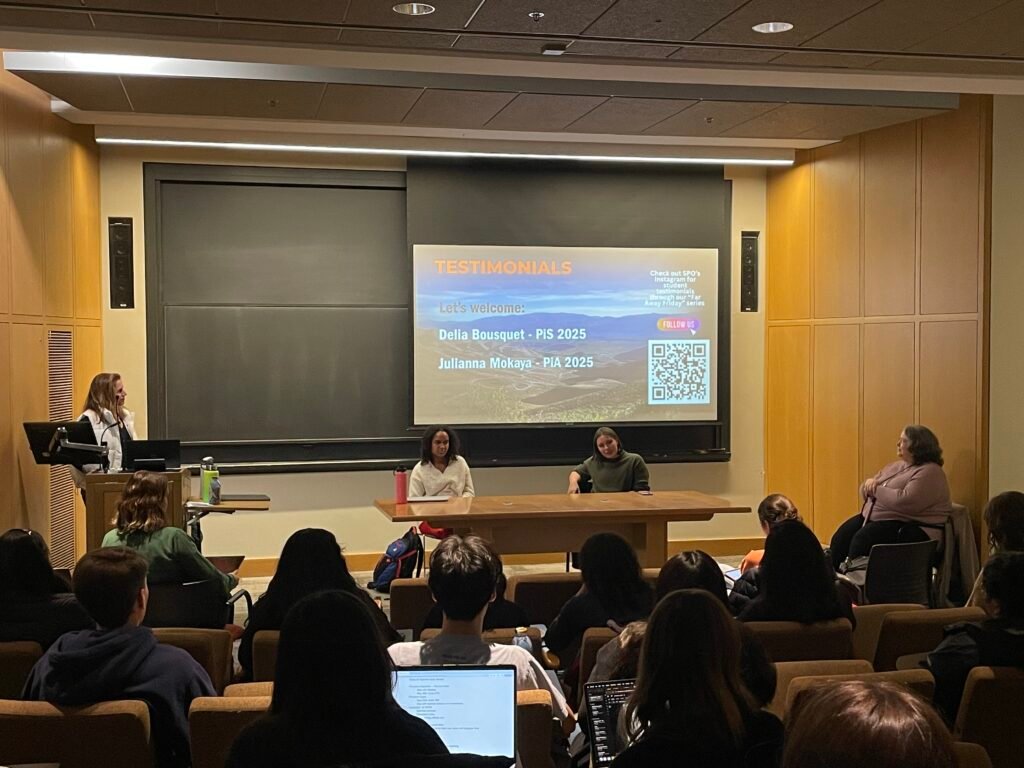
The thing is, while I had a great time in Spain on my own Delia adventure, filled with Mercadonas, lots of coffee, and random side quests, I wasn’t really sure how to sell this experience, especially since the week before I had just given a presentation in my Spanish class on the problems with the marketing and syllabus within Princeton in Spain and the “commodification” of the experience. Like I’m sure I’ve written about this before, but it kind of felt like taking a random Princeton class that just happened to be in Spain. Actually interacting in Spain and learning about life in Spain was up to you. And maybe that’s just my perspective on culture, rooted in the everyday and real people rather than huge national symbols like Don Quijote, Cervantes, and art, which were the biggest parts of the class, but I don’t know. It felt like I was living in two different Spains. The one we discussed was contained within the walls of the air-conditioned aula of the Fundación, and the one outside the door. And what bugged me was that there is a whole paper out there about how this program is supposed to be all connected with the community, with this linguistic landscape project as a solution to this “commodification” . And while this project definitely connected the mundos together by situating the student as the researcher, it wasn’t really a big emphasis of the class.
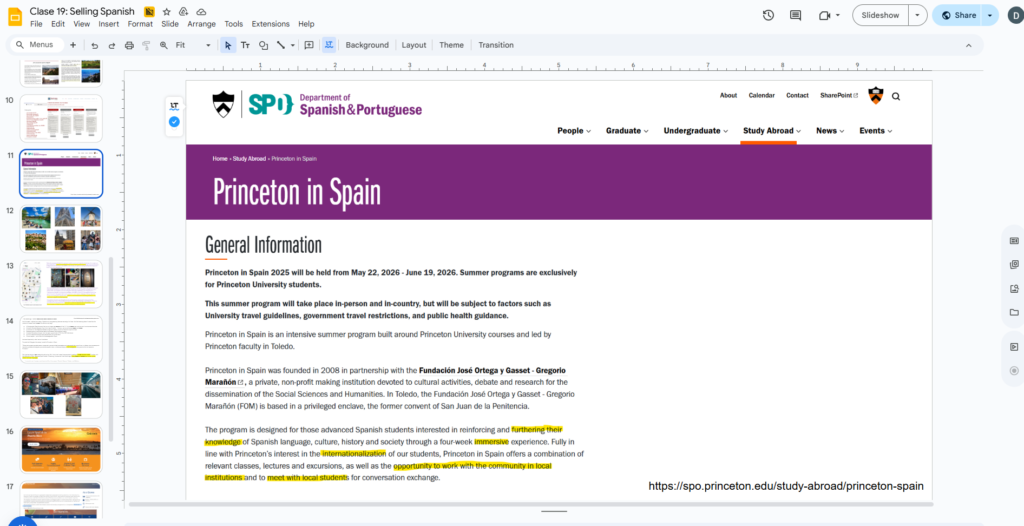
Nor was that how it was presented during the info session. Which was really truthful, because the student is only the researcher when they want to be. When they are writing blogs about how much these Spaniards are swearing, what they’re watching on TV, or even what they’re eating in the grocery store.
But at the same time, of course, I would go speak about this program, because, to quote the terrible Wicked II movie I saw just a few weeks ago, Spain “changed me for good” in a long-term way and for the better. And obviously, as someone with basically a shrine to Spain in my dorm room, I would tell people to go, but I don’t know if it is the class I would sell or the going to Spain and “situating yourself as the researcher” and perhaps starting a blog.
Speaking of Spain, I might be heading back next summer!! At least, I hope I’ll be heading back. I submitted an application for an international internship focused on the strategic plan for Barcelona and the evaluation of the ayuntamiento. As someone who conducted a research project on the ayuntamiento and its movement to support women artists, and as someone super interested in language “relations” in Spain, I think I’m a great fit. But we shall see if they feel the same.
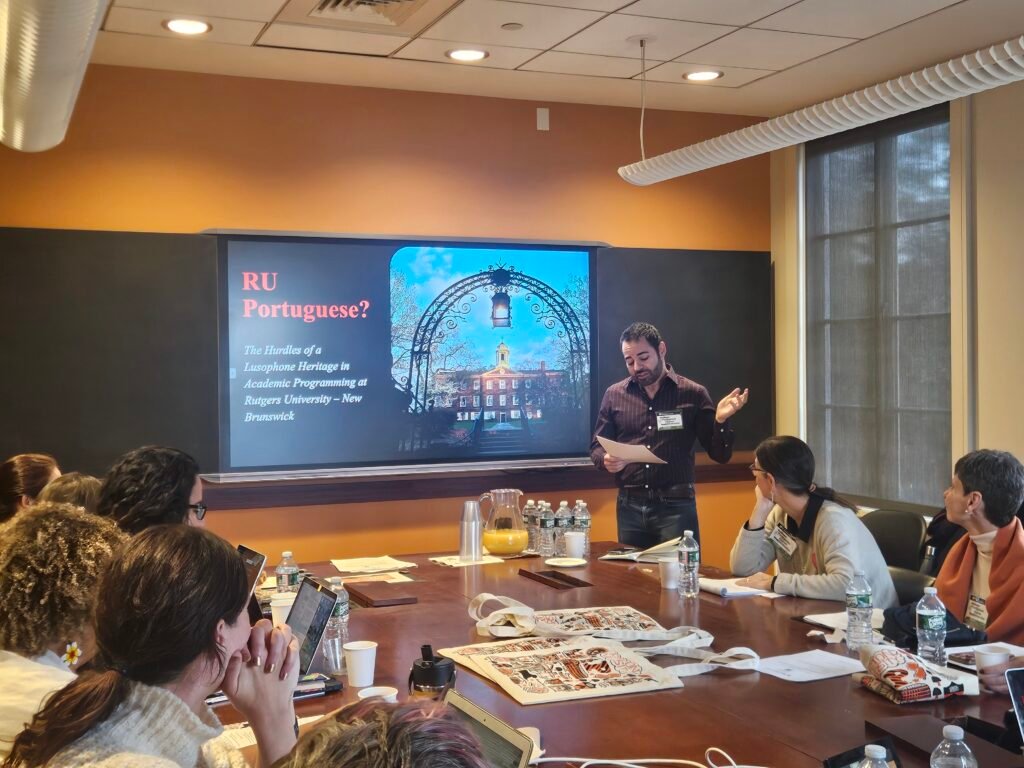
Anyway, that was a long tangent on Spain. But the other big piece of work I did for the department was helping with their Portuguese conference, which was an experience because I was basically the only one who didn’t speak Portuguese. For some odd reason, they kept introducing me to people. Like, I was just there to monitor the food and fetch the occasional cup of ice when presenters had panic attacks before presenting, but the way they were talking, you would have thought I was presenting at this thing. Like, literally bringing up all these Portuguese professors from other schools who were all speaking, of course, Portuguese and then switching to English to introduce me. I found it very funny, and overall it was a great time.
Now I have considered learning Portuguese, as it is very close to Spanish. Spanish and Portuguese are both from Latin, and they are even closer on a sub-level, having once been the same proto-language of Latin (look at me and my fancy linguistics). But (and this is where this is going to get controversial, so if you are a Portuguese speaker, skip over this part), for me they are so close that Portuguese just sounds like someone who can’t speak Spanish, with some weirdly added sounds. Kind of like that feeling you have when looking at a super realistic human robot. You feel uneasy because it’s super close but just off in an odd way. So yeah, me and Portuguese aren’t vibing, and their airline is terrible.
And really, the rest of my reading period was spent writing, somewhere around 55 non-double-spaced pages. And that was just the stuff that got submitted (never mind the many sentences that got deleted or reworded). That and studying for my one linguistics exam, which was today (the 17th, when I’m writing this).
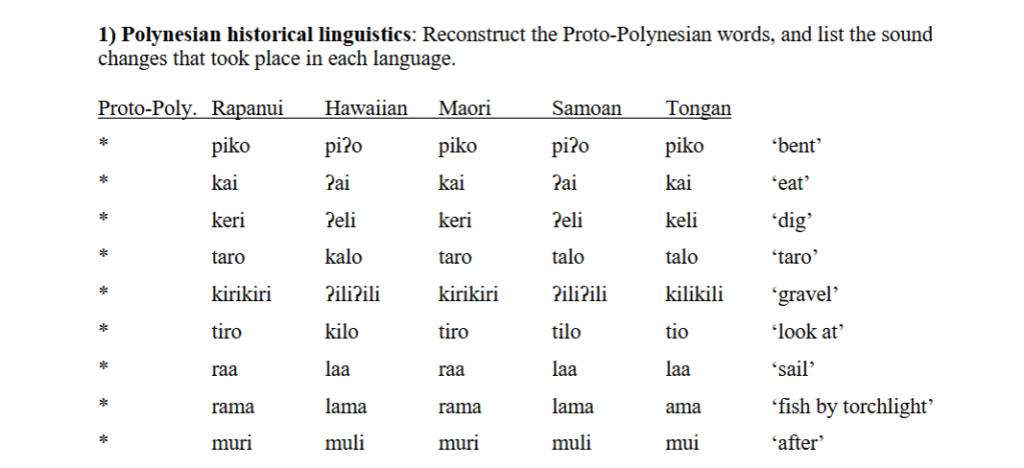
My thing with linguistics is that the entire class kind of lived on this generalization of what language was: a science. There was no mention of the social aspect of language, or any of the many chapters in the textbook that covered those aspects. Which, to me, is extremely frustrating because the science of language stuff is incredibly boring. Like, I promise anyone could do it with some practice. Like, part of the reason I used to be so good at math was because I’m super good at picking out patterns. Well, linguistics, at least the stuff they taught, is a bunch of patterns that they like to add confusing nouns to explain. That and overly complicated ways to describe simple things. Like, is it really important to be able to categorize adjective/noun phrases into one of five categories depending on their relationship? No, it is not. But in a non-exam/being-graded situation, it is quite fun. Especially the diagrams. Linguistics loves drawing trees, and it quickly became one of my favorite activities. Very calming. That and I finally think I fully understand how Spanish pronouns work with this tree idea and noun phrases and transitive and ditransitive verbs. (OK, so maybe I was trying to work the word ditransitive verb into this blog to sound smart.)
And while I can certainly sound smart with linguistics, I think the biggest lessons came from my writing seminar final essays, which made up the majority of the 55 pages. One asked us to summarize our project’s updated goals, motives, projections, and how we grew as researchers, with the painstaking work of going through all our conversations and finding examples of moments of growth. The second assignment was a letter to ourselves about how we grew as people.
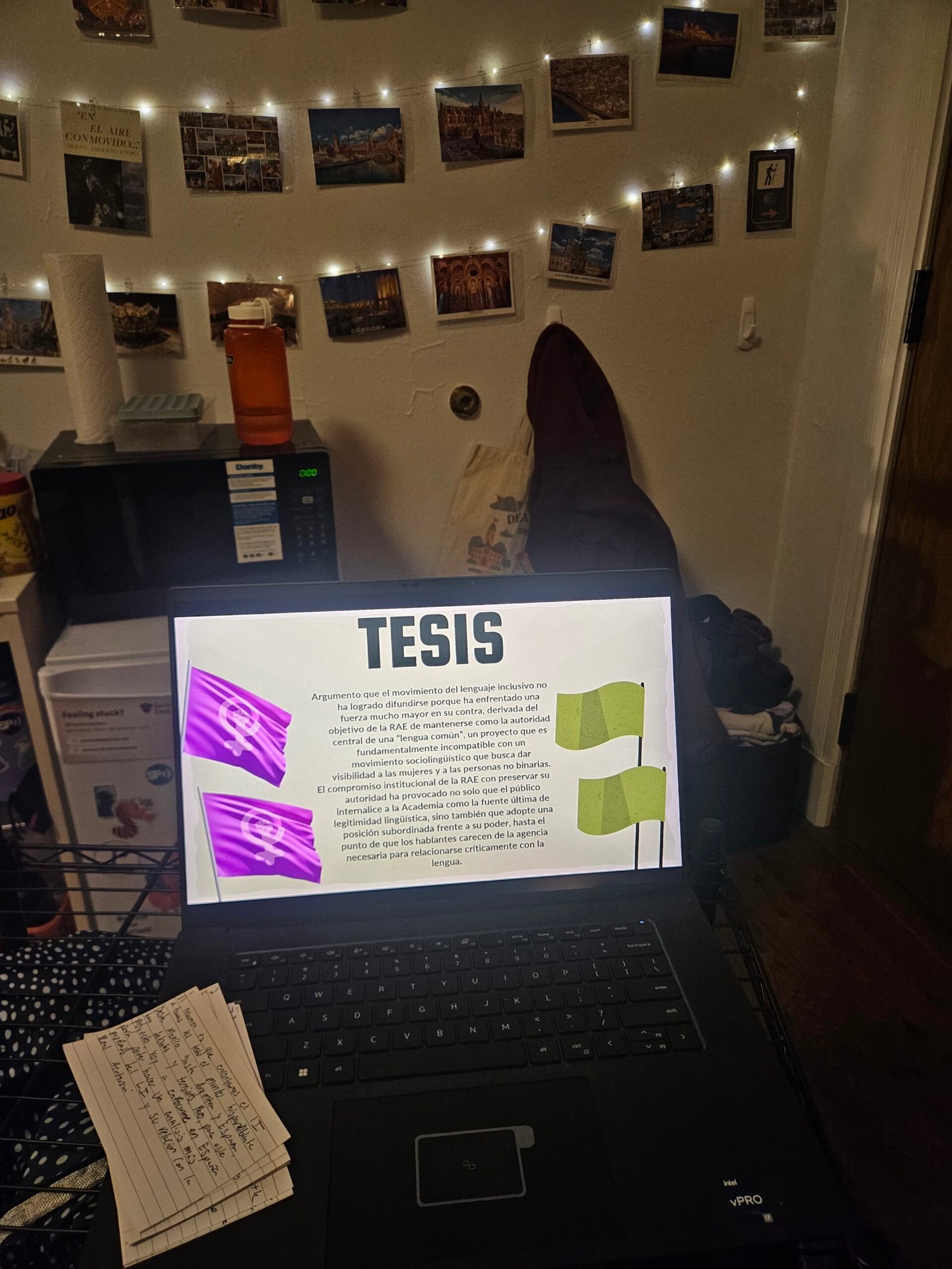
I’ve always wondered what drew me to study inclusive language. Was it the random x’s and @’s all over the place? Did it seem hip or cool? Did I like the feminist aspect? And while it was probably a bit of all of those ideas, I think what keeps drawing me back to it is the idea I wrote about in my reflection (about my other project): finding your voice. I don’t know what grade they teach you that your voice doesn’t matter and that you need to hide behind some big scholar, the right grammar and sentence structure, or literally any other social norms, but I realized somewhere in these 15 pages that part of my discomfort with practicing writing for a personal motive and motivating a project purely on my own observations and feelings was that I was putting myself at the center of the project rather than someone else. And that every word I picked mattered. Not only that, but how I go about presenting this matters. And while of course there’s going to be a serious dive into the scholarship next semester with all these new conversations, temporarily putting myself and my own voice and motives first was terrifying.
So, I did realize that none of this makes sense without having read my latest “radical” take on inclusive language, but basically, the idea of having power over your own words and agency, and of deciding how you want to use language, is super cool. And yeah, my default is the X, even though I know you could never pronounce it, because it’s bold. It doesn’t blend in the way an e does or by doubling the masculine and feminine forms. It’s quite literally an X that marks the spot. An intervention I’m choosing to make to make myself visible and to make the language my own. Now I don’t want to spoil my argument too much, but yeah, agency and visibility are important things.
The rest of my activities over this reading period have been pretty basic. I got super into some Spanish shows on Facebook, which is an odd platform to watch Spanish content, but TV shows or movies require too much commitment to understand everything. Specifically, I got super into Caso Cerrado, which is like one of those fake Judge Judy shows. It’s absolutely terrible, but it’s hilarious. That and a lot of stand-up comedia in Spanish. Oh, and Eurovision Junior, which I discovered last year after getting absolutely obsessed with Spain’s contestant. She was just so fun, and the song was always stuck in my head. The Spain contest this year? Ummm. I don’t want to say it was bad because he is just a kid, but it was giving Disney princess meets Super Why, and like half the song was in English. That was a big trend this year (I say this like I know what was trending last year or any of the years prior), a lot of English. Now again, I feel like I can’t say these kids can’t speak English very well because they’re just kids, and honestly things would go south fast if I tried singing in Spanish or literally any other language, but whyyyyy?! Why did the reading song have to have the chorus be “When I read, everything is possible”. The winner, France, on the other hand, had a gorgeous song, which I think was all in French. It did kind of remind me of the song that won two years ago from France, in a darker tone, but still the same vibe. Same type of outfits, too. The girl that won two years ago was centered around the color pink, and the girl this year was red.
While I understand there are no rules about which languages the contestants should sing in, and I don’t feel the “national language” is necessary, I still think it’s odd that the dominant language is English when all these countries come together.
Here’s my vision, Eurovision JR but make it USvision, where it’s not countries or states competing, but different languages. And then the world votes on it. It showcases diversity, it’s not too one language = one nation, and it gives visibility to lots of cultures. And I would love to see someone go on Eurovision from Spain and sing in Galician or Basque or Catalan. Yeah, it would be controversial, and they probably wouldn’t win based on that controversy, but it would be an important statement.
Other great ideas I’ve had within the past few weeks:
- Library book Connect: Like, all these super obscure books I want in the library are already checked out. Who has them? We should chat? Meet Library book Connect! A platform that lets you opt in to visibility in the catalog so people can chat with you about why you have the book I want in the library. What could you possibly be working on?
- Why do debates about AI use in schools sound like politicians talking about sex ed programs? “If we teach them how to use it safely, then we’re no longer teaching abstinence.” Please, someone do a study on this.
- Why is a WNBA team having practice at a community recreation center? Shouldn’t they have a facility?
- Why give out practice problems and no answer key? Am I just supposed to practice doing them wrong? What is the state of teaching?
- Okay, so if the generic masculine is potentially problematic, let’s just get rid of concordance. If concordance with gender is the problem, let’s agree that I can use inclusive language with anything that requires concordance. Or let’s just use the “generic masculine” in all these places. Let’s just make it okay to say la computadora rojo or la computadora rojx.
- A book club, but for books in Spanish, at Princeton. Like a language table, but you actually have something to talk about that isn’t the weather or your history exam.
And with that, the train is pulling into New London (ok, not really, I still haven’t even made it to New Haven yet), but I think I’ll leave it there for today. After all, you’re going to have another blog in your inbox before you know it.
So whether you’re lighting menorahs or kinaras this season, unwrapping presents from Santa (or the three kings, a coal miner, a witch, or anyone else), writing or receiving a poem from Sinterklaas, counting down the hours until 2026, or beating a log with a stick and hoping it poops out candy, may your holidays be happy, your fiestas festive, your conversations cozy, your travel temperamental, and your food fully cooked (food-poisoning anyone?).
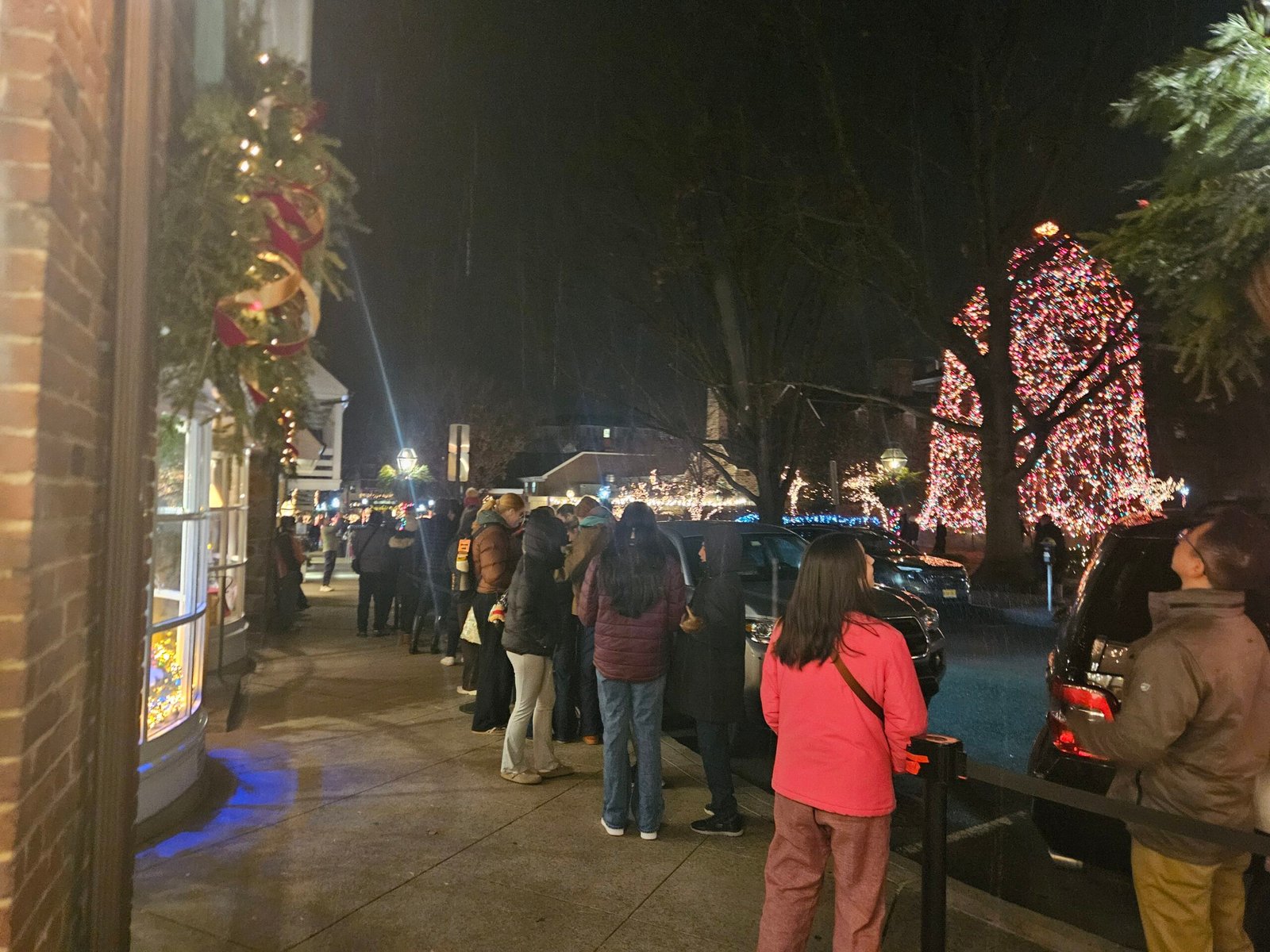
P.S. If you’re a Christmas light lover, you’re more than welcome to stop by my house for the latest Bousquet light show. Or check it out below.
Nos vemos,